Is Ketosis Dangerous: A Friendly Guide to Keto Diets

Is Ketosis Dangerous: A Friendly Guide to Keto Diets

The keto diet is getting a lot of buzz for its health perks. It’s a diet high in fats but low in carbs. This change helps your body use fat and ketones for energy, not carbs. This process is called ketosis. It can help you lose weight, better your insulin sensitivity, and lower risks of diabetes, epilepsy, and Alzheimer’s.

But, starting keto means big changes in what you eat. This can cause side effects. So, it’s key to understand both the good and the bad. People like keto for its benefits. Yet, some worry about its safety and how it affects you over time. Before trying keto, it’s smart to know what it involves and its risks.

Getting to know ketosis well helps you choose if it’s right for you. We’ll explore how ketosis works, its benefits, the side effects, and risks linked to the keto diet.

Understanding Ketosis

Ketosis is a metabolic state where your body uses fats instead of carbs for energy. You need to reduce your carb intake, usually to 20 to 50 grams a day. In response, your liver makes ketones out of fat. These ketones become the new fuel for your brain and body. Getting into ketosis might require following a strict diet or fasting.

ketosis health concerns

What is Ketosis?

Ketosis means your body switches to burning fat for its energy needs. This switch happens when you eat far fewer carbs. Then, your liver turns fat into ketones, a substitute energy source. Achieving this state involves eating a diet that’s high in fats, has some protein, and very few carbs. Signs like increased thirst, dry mouth, and feeling less hungry can signal you’re in ketosis. But, it’s also crucial to know the potential ketosis health concerns.

How Does the Body Enter Ketosis?

Entering ketosis involves cutting back your carbs to 20 to 50 grams a day. This cut makes your liver produce ketones from fat, for energy. You can reach ketosis through a strict keto diet or fasting. Remember, moving into ketosis can trigger the “keto flu.” Symptoms like headaches, tiredness, and feeling sick are common. Also, knowing about ketosis complications is important for tackling any problems.

Health Benefits of the Keto Diet

Starting a ketogenic diet offers lots of health benefits, including some possible ketosis side effects. We’ll look at its main advantages, like weight loss and helping with management of chronic conditions.

Weight Loss

The keto diet is popular for losing weight effectively. This low-carb approach lets you use fat for energy, leading to better weight loss than low-fat diets. It also makes you feel less hungry, so eating less is easier. But, remember to watch out for possible adverse effects of ketosis while losing weight.

Management of Chronic Conditions

The keto diet also helps manage long-term health problems. Research has shown it can greatly improve blood sugar and insulin levels, helping those with type 2 diabetes. Many report better insulin sensitivity. It’s also found to help with neurological conditions like epilepsy, Alzheimer’s, and Parkinson’s disease. But, be mindful of ketosis side effects and start this diet under a doctor’s guidance.

Ketosis Side Effects

When you start a ketogenic diet, you might face some challenges known as the “keto flu.” Entering ketosis brings health benefits but also some side effects. It’s important to know about these before starting.

The Keto Flu

The start of the keto diet might give you the “keto flu.” You could feel headaches, fatigue, nausea, and perform less well physically. However, these issues usually go away as your body gets used to using fat for energy. To help with these symptoms, make sure to drink water and get enough electrolytes.

Long-Term Effects

After the initial stage, there are long-term ketosis complications to think about. The diet’s high fat and moderate protein could stress your kidneys, possibly causing kidney stones or making kidney problems worse. Also, staying on keto for a long time might affect blood sugar control. This is especially risky for people with diabetes.

Long-term keto could also lead to higher cholesterol levels and fatty liver due to eating lots of saturated fats. Yo-yo dieting, where you keep starting and stopping the diet, adds more health risks. That’s why it’s important to plan your ketogenic diet well and talk to a doctor to stay safe.

Ketosis and Kidney Health

Looking into how the ketogenic diet affects kidney health is key. This is true as more people try the diet for weight loss and better metabolism. It’s vital to be aware of the risks it poses to your kidneys.

Kidney Stones

Kidney stones are a major worry with the ketogenic diet. Its high protein levels can make your urine more acidic. Changes in urine can also raise your chance of getting kidney stones. This issue is often seen in kids on a keto diet for epilepsy. Drinking plenty of water and maybe adding potassium citrate can help. But, talk to a doctor before trying supplements.

Effect on Existing Kidney Conditions

For those with kidney problems, the keto diet’s high protein can be a problem. It can put extra pressure on weak kidneys. It’s crucial to talk to a healthcare provider before you start keto. Adjusting the diet to fit your health needs is important.

Keto Diet: Understanding Ketosis vs Ketoacidosis

Keto Diet: Understanding Ketosis vs Ketoacidosis

Embarking on a keto diet means you’ll learn about how your body handles fat. You’ll need to understand terms such as nutritional ketosis and diabetic ketoacidosis. These states are about how your body makes ketone bodies, but they affect your health differently. Let’s dive into the differences. This way, you can stay healthy while you enjoy the ketogenic diet.

What is Ketosis?

Ketosis is when the body uses ketones for energy instead of glucose. This happens when you eat fewer carbs, fast, or do a lot of exercise. The body breaks down fat stores, making ketones for energy.

ketosis

Definition and Process

Your body starts burning fat instead of sugar when carbs are low. This makes blood sugar drop, so your liver turns fat into ketones. Then, your brain uses these ketones for fuel.

Causes of Ketosis

Ketosis usually starts with a low-carb diet, like the keto diet. Fasting and intense workouts can also lead to ketosis. People with eating disorders or who fast a lot might experience it too.

Health Benefits

One key benefit of ketosis is weight loss. Using fat for energy can help you burn more fat. Ketosis can also even out blood sugar levels. This is good for insulin sensitivity and keeps your energy stable.

Possible Risks

However, ketosis has some risks. You might not get enough nutrients if your diet isn’t balanced. It can also strain your kidneys. It’s important to have a doctor check on you. They should monitor your blood sugar to prevent problems.

What is Ketoacidosis?

Diabetic ketoacidosis (DKA) is a critical condition caused by a severe insulin shortage. This leads to high blood sugar levels. It also causes a buildup of acids called ketones to dangerous levels. These high levels can cause serious health issues.

Definition and Process

DKA mainly affects people with type 1 diabetes. Without enough insulin, the body breaks down fat for fuel. This action and high sugar lead to acidic blood, a serious risk without treatment.

Causes of Ketoacidosis

Missing insulin doses, infections like pneumonia, or other illnesses can trigger DKA. Insulin resistance makes it worse by stopping glucose from entering cells. This forces the body to use fats for energy.

Symptoms and Complications

DKA’s symptoms include intense thirst, often urinating, nausea, vomiting, stomach pain, and confusion. Untreated, it can cause severe dehydration, brain swelling, or coma.

Treatment and Management

Immediate medical help is needed to treat ketoacidosis. It involves fluids, balancing electrolytes, and insulin to lower sugar. For those with type 1 diabetes, close monitoring of sugar levels and sticking to insulin therapy is vital.

Aspect Ketoacidosis Ketosis
Cause Severe insulin shortage Low carbohydrate intake
Population Type 1 diabetes primarily General, those on a low-carb diet
Health Impact Potentially fatal Generally safe
Ketone Levels Toxic Controlled, moderate
Treatment Required Immediate medical attention Diet and lifestyle management

Ketosis vs Ketoacidosis

Let’s explore the main differences between

. Their causes and effects are very different. Ketosis is a safe metabolic state. It happens when you eat a low-carb diet, fast, or do a lot of exercise. This state can help with weight loss and improve health, if you manage it right.

Diabetic ketoacidosis (DKA), however, is very serious. It usually occurs in people with type 1 diabetes. Not having enough insulin leads to very high blood sugar levels and ketone levels. This causes the blood to become acidic. People with DKA need medical help right away because it’s very dangerous.

Here’s a table that shows how ketosis and ketoacidosis are different:

Aspect Ketosis Ketoacidosis
Cause Low-carb diet or fasting Insufficient insulin, typically in type 1 diabetes
Ketone Levels Mildly elevated Extremely high
Blood Sugar Levels Normal or low High
Health Impact Metabolically beneficial Potentially fatal
Treatment Diet management Immediate medical treatment

Keeping track of nutritional ketosis means watching your blood sugar levels and ketones. Regular checks can tell you if you’re in a healthy state of ketosis or facing the risk of diabetic ketoacidosis. Knowing these differences helps you make smart choices about your health and diet.

How to Enter and Maintain Ketosis

Starting your ketosis journey means adjusting what you eat. You’ll need to eat less than 50 grams of carbs each day. Lowering carbs this way makes your body use fat for energy, instead of sugar. People following a keto diet often see big wins like less hunger, more weight loss, and better cholesterol levels.

To keep in ketosis, eat lots of fats and a good amount of protein. Also, choose low-carb veggies and whole foods for key nutrients. Your body might need a few days to get used to burning fat. Watching what you eat is critical to stay in ketosis safely over time. Mixing in a variety of food with nutrients helps keep you in ketosis.

It’s important to check your ketone levels regularly. Using tools like ketone strips or blood ketone meters helps track your progress. Remember, ketosis isn’t just about eating fewer carbs. It’s about a balanced keto diet full of nutrition. This supports your health benefits and helps with your weight loss journey.

Keto Meal Plan for Effortless Weight Loss and Optimal Health

Keto Meal Plan for Effortless Weight Loss and Optimal Health

Switching to a keto diet means eating more fats, moderate protein, and fewer carbs. This change puts your body in a state called ketosis. Here, it burns fat for energy instead of carbs. A customized ketosis meal plan makes this switch easier and boosts your health benefits. This plan is perfect for those wanting a diet that’s structured.

Choosing a personalized plan can help you lose weight and feel better overall. It creates a meal plan just for your body’s needs, removing the guesswork. Start a customized meal plan and see how you reach your health goals.

Introduction to the Keto Diet

The ketogenic diet, or keto diet, cuts down on carbs and ups fat intake. This switches the body’s main energy source from glucose to fats. This process, called ketosis, turns fat into energy efficiently. The diet is popular for its health benefits and weight loss effects.

What is the Keto Diet?

The keto diet means you eat far fewer carbs and more fats. This switch makes the body burn fat for energy. It leads to weight loss, boosts energy, and promotes well-being. Cutting carbs helps keep blood sugar levels stable, which is great for those with insulin issues.

Benefits of the Keto Diet

The keto diet offers more than weight loss. It can enhance mental focus, lessen inflammation, and may cut the risk of chronic diseases. Eating healthy fats boosts heart health and energy all day. The keto diet also helps in diabetes management by focusing on low-carb foods.

Common Misconceptions about the Keto Diet

Some people misunderstand the keto diet. Not all fats are bad. It’s important to eat healthy fats like those in avocados, nuts, and olive oil. Another myth is that the diet causes nutrient shortages. But, with careful meal planning, it can be nutritious and satisfying. Knowing the facts helps you see the real benefits of this low-carb diet.

How to Start Your Ketosis Meal Plan

Starting your ketosis meal plan requires a careful approach. To succeed, you should outline your goals, plan accordingly, and find support.

Setting Realistic Goals

Before starting your keto diet, it’s important to set realistic goals. Think about your health, lifestyle, and what you want to achieve. Goals should be more than losing weight; they should enhance your well-being too. Make sure your goals are clear, reachable, and have a deadline. This will help you stay motivated.

Create a Custom Keto Meal Plan

Creating a custom keto plan means knowing your nutritional needs. Start by figuring out your fat, protein, and carb needs. Then choose foods that match these needs and you enjoy.

Meal prep is also key. Preparing your meals ahead can save time and keep you on track.

customized keto meal plan

Finding an Accountability Partner

Having someone to support you on your keto journey is crucial. This can be a friend, family member, or coach. They offer motivation, support, and guidance.

This helps you stick with your keto meal plan, overcome obstacles, and celebrate your progress. With realistic goals, a personalized plan, and supportive partner, you’re set for success on your keto journey.

Essential Ketogenic Foods to Include

Starting a ketogenic diet means choosing the right foods. You need to focus on meals high in fat, moderate in protein, and low in carbs. This helps you hit your nutrition goals. It’s also important to know the difference between good and bad fats to succeed on the keto diet.

ketogenic foods

High-Fat Foods

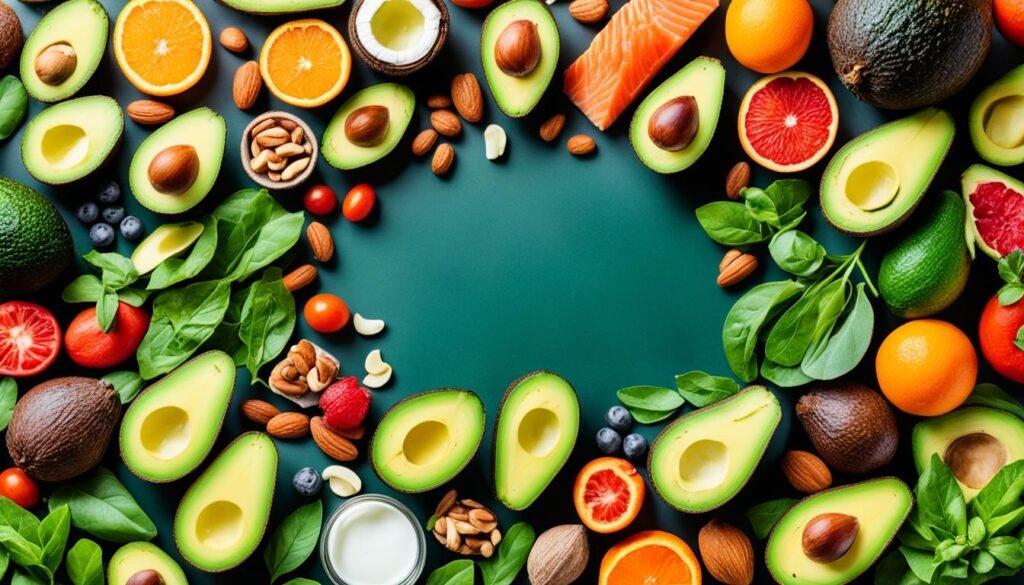
Fats are key in the keto diet. Great choices include avocados, cheese, and salmon. These foods are rich in nutrients and help you stay full.

Moderate Protein Sources

For protein, turn to eggs, chicken, and grass-fed beef. These provide the right amount of protein. They keep your muscles strong without affecting ketosis.

Low-Carb Vegetables

Vegetables low in carbs are also essential. They give you vitamins and minerals. Eat plenty of leafy greens and cruciferous veggies like broccoli for good health.

Healthy Fats vs. Unhealthy Fats

Knowing fats is crucial. Choose healthy fats found in nuts, seeds, and olive oil. Stay away from trans fats and processed oils to keep your diet on track.

Category Recommended Foods Benefits
High-Fat Foods Avocados, Cheese, Fatty Fish Provide energy and satiety
Moderate Protein Sources Eggs, Poultry, Grass-Fed Beef Maintain muscle mass
Low-Carb Vegetables Spinach, Kale, Broccoli Essential vitamins and minerals
Healthy Fats Nuts, Seeds, Olive Oil Boost overall health

Sample Keto Recipes for Every Meal

Switching to a keto lifestyle means you don’t miss out on taste or diversity. You can have enjoyable and healthy meals all day.

Keto Breakfast Ideas

Begin your day with a filling breakfast. A cheesy spinach omelet or avocado and bacon bowls are good choices. They give you fats and protein for energy.

Keto Lunch Options

Lunch can be thrilling with keto choices. Try grilled chicken salad with olive oil dressing or a lettuce wrap with turkey and cheese. Add low-carb veggies like bell peppers or cucumbers to complete your meal.

For something warm, creamy cauliflower soup with garlic and herbs is perfect.

Delicious Keto Dinner Recipes

Dinner offers a chance for hearty, tasty dishes. Try garlic butter steak bites with asparagus or baked salmon with roasted Brussels sprouts. They are filling without feeling guilty.

Zucchini noodles with Alfredo sauce give a low-carb pasta option.

Keto Snacks and Desserts

Keto snacking is far from dull. Consider cheese wraps with turkey slices or mixed nuts for easy snacks. For a dessert craving, almond flour cookies or chocolate avocado mousse are great without ruining your diet.

Overcoming Common Keto Challenges

Starting your keto journey comes with challenges. The “keto flu” is one such hurdle, including headaches, fatigue, and irritability. These symptoms usually happen in the early keto days. Knowing it’s a temporary stage helps you get through it.

It’s hard to stop craving high-carb foods. It’s crucial to find tasty, keto-friendly options. For pasta cravings, consider zucchini noodles or cauliflower rice. These substitutes should fit your diet and be delightful.

Keeping up with ketosis, especially when eating out or at social events, is tough. Plan by looking up menus online or taking your own snacks to gatherings. Watching your macronutrients helps you stay in ketosis.

Don’t underestimate the mental side of changing your diet. Having support is very important. Whether through a keto group online or a friend with similar goals, support helps keep you on your keto path.

Challenges Solutions
Keto Flu Stay hydrated, increase salt intake, and be patient.
Cravings Find keto-friendly alternatives, such as zucchini noodles and cauliflower rice.
Dining Out Plan ahead by checking menus and bringing your own snacks.
Psychological Struggles Build a support system through online communities or friends.

Conclusion

Starting a keto meal plan helps you reach ketosis, boost your health, and lose weight effectively. Knowing how fats, proteins, and carbs work helps your body burn fat better. This not only helps with weight loss but also improves your brain function and lowers inflammation.

Planning your meals and watching your macro intake are important to keep up with this diet. It’s key to be ready for the keto flu and carb cravings to stay on track. If you stick to keto’s rules, you can improve your health in the long run.

Staying true to your keto meal plan is essential for keeping its benefits. With enough motivation, support, and nutritional know-how, you can start and keep a keto lifestyle. This will lead to better health now and in the future.

Ketosis for Weight Loss: A Comprehensive Guide

If you’ve been on a weight loss journey, you may have come across the term “ketosis” in your research. But what exactly is ketosis, and how can it help you lose weight? Let’s delve into this metabolic state and explore its potential benefits for shedding those stubborn pounds.

Ketosis is a natural metabolic state in which your body switches from using carbohydrates as its primary source of energy to using fats. This switch typically occurs when your carbohydrate intake is severely restricted, forcing your body to burn fat for fuel instead. And this is where the magic happens for weight loss.

When your body is in ketosis, it becomes more efficient at burning fat for energy, leading to a decrease in stored body fat. This can result in significant weight loss, especially if you are consistent with your ketogenic diet and remain in ketosis for an extended period of time.

But how exactly does ketosis promote weight loss? One of the key mechanisms is the suppression of appetite. When you eat a high-fat, low-carb diet that induces ketosis, you naturally feel more satisfied and less hungry throughout the day. This can lead to a decrease in overall calorie intake, making it easier to create a calorie deficit and lose weight.

Additionally, ketosis has been shown to increase the body’s metabolic rate, leading to more calories burned at rest. This means that even when you’re not active, your body is still torching away fat stores, helping you reach your weight loss goals more efficiently.

But like any weight loss strategy, ketosis for weight loss requires dedication and consistency. Following a ketogenic diet can be challenging, especially in the beginning as your body adapts to using fats as its primary fuel source. It’s important to stay hydrated, eat enough protein, and listen to your body’s hunger cues to ensure that you’re getting the nutrients you need while in ketosis.

This comprehensive guide will delve into the science behind ketosis and its effectiveness for weight loss. We will explore the biological processes involved, the benefits and potential challenges, practical tips for achieving and maintaining ketosis, and real-life success stories.

Importance of Ketosis in Weight Loss

Ketosis plays a critical role in weight loss by enhancing fat burning and reducing fat storage. When the body enters ketosis, it efficiently utilizes stored fat for energy, leading to a reduction in overall body fat. This metabolic state also helps in stabilizing blood sugar levels and reducing hunger, which further supports weight loss efforts.

Ketosis and Weight Loss: The Process

How Ketosis Promotes Fat Burning

In ketosis, the body breaks down fats into fatty acids and glycerol, converting the fatty acids into ketones. These ketones are used as an efficient energy source, particularly for the brain, which cannot directly use fatty acids. This process not only reduces fat stores but also helps in preserving lean muscle mass.

Metabolic Advantages of Ketosis

Ketosis offers several metabolic advantages, including improved insulin sensitivity, stabilized blood sugar levels, and reduced inflammation. These factors contribute to enhanced metabolic health and facilitate long-term weight loss. By maintaining stable energy levels, ketosis helps in reducing cravings and promoting satiety.

Comparison with Other Weight Loss Methods

Compared to other weight loss methods, such as calorie restriction or high-intensity exercise, ketosis focuses on altering the body’s metabolic state. While traditional diets often lead to muscle loss and fluctuations in energy levels, ketosis preserves muscle mass and provides a steady supply of energy, making it a more sustainable and effective approach.

Benefits of Ketosis for Weight Loss

Enhanced Fat Loss and Body Composition Changes

One of the primary benefits of ketosis is enhanced fat loss. By shifting the body’s energy source from carbohydrates to fats, ketosis promotes the reduction of fat stores, leading to significant improvements in body composition. This process not only reduces overall body fat but also helps in maintaining lean muscle mass.

Appetite Suppression and Reduced Cravings

Ketosis has a natural appetite-suppressing effect, which helps in reducing overall calorie intake. Ketones, particularly beta-hydroxybutyrate (BHB), act as natural appetite suppressants, reducing hunger and cravings. This makes it easier to adhere to a ketogenic diet and achieve sustained weight loss.

Stabilized Blood Sugar Levels and Improved Insulin Sensitivity

By reducing carbohydrate intake, ketosis helps in stabilizing blood sugar levels and improving insulin sensitivity. This is particularly beneficial for individuals with insulin resistance or type 2 diabetes, as it helps in managing blood glucose levels and reducing the risk of metabolic disorders.

Enhanced Mental Clarity and Cognitive Function

Many individuals report improved mental clarity and cognitive function while in ketosis. This is attributed to the stable energy supply provided by ketones, which can fuel the brain more efficiently than glucose. Enhanced cognitive function and mental clarity further support overall well-being and weight loss efforts.

Achieving Ketosis for Weight Loss

Dietary Guidelines for Entering Ketosis

To achieve ketosis, it is essential to follow a diet that is high in fats, moderate in proteins, and very low in carbohydrates. Typically, a ketogenic diet consists of 70-80% fats, 20-25% proteins, and 5-10% carbohydrates. Foods rich in healthy fats, such as avocados, nuts, seeds, and fatty fish, should be prioritized, while high-carb foods, such as grains, sugar, and starchy vegetables, should be avoided.

Gradual Reduction of Carbohydrate Intake

Gradually reducing carbohydrate intake helps the body adapt to using fats as the primary energy source. This approach minimizes potential side effects, such as keto flu, and makes the transition to ketosis smoother. Starting with a low-carb diet and progressively reducing carb intake can help in achieving ketosis more comfortably.

Importance of Hydration and Electrolyte Balance

Staying hydrated and maintaining electrolyte balance are crucial for preventing dehydration and managing symptoms like muscle cramps and fatigue. Consuming adequate amounts of sodium, potassium, and magnesium helps in maintaining electrolyte balance and supporting overall metabolic health.

Monitoring Ketone Levels

Regularly monitoring ketone levels can help track progress and ensure that the body is in ketosis. Blood ketone meters, urine test strips, and breath analyzers are common methods for measuring ketone levels. These tools provide real-time feedback and help in making necessary dietary adjustments.

Maintaining Ketosis for Long-Term Weight Loss

Consistency and Commitment to a Ketogenic Diet

Consistency is key to maintaining ketosis and achieving long-term weight loss. Adhering to a well-formulated ketogenic diet and avoiding high-carb temptations are essential for staying in ketosis. Meal planning, preparing keto-friendly meals, and finding keto-friendly restaurants can support dietary consistency.

Regular Physical Activity and Exercise

Incorporating regular physical activity, particularly aerobic and resistance training, can enhance the benefits of ketosis. Exercise helps in increasing energy expenditure, supporting fat loss, and improving overall metabolic health. It also helps in preserving lean muscle mass, which is crucial for maintaining a healthy body composition.

Managing Potential Challenges and Side Effects

While ketosis offers numerous benefits, it can also present challenges, such as keto flu, nutrient deficiencies, and social pressures. Addressing these challenges through proper dietary adjustments, supplementation, and seeking support from keto communities can help in overcoming obstacles and maintaining ketosis.

Adjusting Macronutrient Ratios for Optimal Results

Regularly reviewing and adjusting macronutrient intake ensures sustained ketosis and prevents plateaus. Tracking food intake using apps or journals can help maintain consistency and identify areas for improvement. Adjusting fat, protein, and carbohydrate ratios based on individual needs and goals can optimize weight loss results.

Real-Life Success Stories and Case Studies

Personal Success Stories of Individuals Using Ketosis for Weight Loss

Many individuals have shared their success stories, highlighting significant weight loss, improved energy levels, and enhanced mental clarity through ketosis. These personal accounts provide motivation and practical insights into maintaining a ketogenic lifestyle. For instance, Sarah, a 35-year-old mother of two, lost over 50 pounds in six months by following a ketogenic diet and incorporating regular exercise into her routine.

Case Studies Highlighting the Effectiveness of Ketosis

Numerous case studies document the effectiveness of ketosis for weight loss and metabolic health. For example, a study published in the Journal of Clinical Endocrinology & Metabolism found that participants following a ketogenic diet for six months experienced significant weight loss and improvements in insulin sensitivity compared to those following a low-fat diet.

Common Challenges and How They Were Overcome

Adopting a ketogenic diet can present challenges, such as cravings, social pressures, and initial side effects like keto flu. Success stories often include strategies for overcoming these obstacles, such as meal prepping, seeking support from communities, and focusing on long-term health goals. For example, John, a 45-year-old engineer, overcame his initial cravings by finding keto-friendly alternatives and joining a local keto support group.

Expert Insights and Advice

Quotes from Nutritionists and Medical Professionals

Experts often highlight the benefits of ketosis for weight loss and metabolic health. For instance, Dr. Eric Westman, a leading researcher in ketogenic diets, states, “Ketosis is a powerful tool for weight loss and metabolic health, offering benefits beyond just weight reduction, including improved insulin sensitivity and mental clarity.”

Expert Tips for Achieving and Maintaining Ketosis

Healthcare professionals recommend starting with a well-formulated ketogenic diet, staying hydrated, and regularly monitoring ketone levels. They also advise consulting with a healthcare provider before starting a ketogenic diet, especially for individuals with underlying health conditions.

Analysis of Ketosis from a Scientific Perspective

Scientific analysis of ketosis involves understanding the metabolic pathways, hormonal responses, and long-term health impacts. Research continues to explore the mechanisms by which ketosis affects various physiological processes and its potential benefits for chronic disease management. For instance, studies have shown that ketosis can reduce inflammation and oxidative stress, contributing to improved overall health.

Frequently Asked Questions (FAQs)

What Foods Can I Eat on a Ketogenic Diet?

On a ketogenic diet, you can eat foods rich in healthy fats, such as avocados, nuts, seeds, olive oil, and fatty fish. Moderate amounts of protein, such as meat, poultry, eggs, and cheese, are also recommended. Low-carb vegetables, such as leafy greens, broccoli, and cauliflower, can be included.

How Long Does It Take to Enter Ketosis?

The time it takes to enter ketosis varies from person to person, but it typically takes 2-4 days of consuming fewer than 50 grams of carbohydrates per day. Factors such as individual metabolism, activity level, and dietary adherence can influence the time it takes to achieve ketosis.

What Are the Side Effects of Ketosis?

Common side effects of ketosis, particularly during the initial phase, include keto flu, which can cause symptoms like headache, fatigue, nausea, and irritability. Other potential side effects include bad breath, digestive issues, and electrolyte imbalances. These side effects are usually temporary and can be managed with proper dietary adjustments and hydration.

Is Ketosis Safe for Everyone?

While ketosis can offer significant health benefits, it may not be suitable for everyone. Individuals with certain medical conditions, such as pancreatitis, liver disease, or disorders that impair fat metabolism, should avoid ketosis. Pregnant or breastfeeding women and individuals with a history of eating disorders should also consult a healthcare provider before starting a ketogenic diet.

Can I Exercise While in Ketosis?

Yes, exercise can be beneficial while in ketosis. Aerobic exercises, resistance training, and high-intensity interval training (HIIT) can complement a ketogenic diet and enhance fat loss. It’s essential to stay hydrated and maintain electrolyte balance during exercise to prevent fatigue and muscle cramps.

How Can I Know If I’m in Ketosis?

Ketone levels can be measured using blood ketone meters, urine test strips, or breath analyzers. Blood ketone meters are considered the most accurate method. Signs of ketosis include increased energy levels, reduced hunger, and the presence of ketones in urine, breath, or blood.

Can I Maintain Ketosis Long-term?

Yes, it is possible to maintain ketosis long-term with proper dietary planning and lifestyle adjustments. Many individuals successfully follow a ketogenic diet for extended periods, experiencing sustained weight loss and metabolic health benefits. It’s essential to ensure a well-balanced diet and regular monitoring of health markers.

Conclusion

Summary of What You’ve Read So Far

Ketosis is a metabolic state that promotes fat burning and offers numerous health benefits, including improved insulin sensitivity, stabilized blood sugar levels, and enhanced mental clarity. Achieving and maintaining ketosis requires a well-formulated ketogenic diet, regular monitoring, and commitment to dietary consistency.

Final Thoughts on Ketosis for Weight Loss

While ketosis provides an effective strategy for weight loss and metabolic health, it also presents challenges that require careful management. With proper planning, support, and ongoing education, many individuals can successfully adopt and maintain a ketogenic lifestyle, achieving their weight loss goals and improving overall health.

You can Learn More…

Continued education and exploration of ketosis can help individuals make informed decisions about their dietary choices and health strategies. By staying informed about the latest research and seeking professional advice, individuals can maximize the benefits of ketosis and achieve long-term health and wellness.

Ketosis Meaning

What is Ketosis?

Ketosis Definition and Explanation

Ketosis is a metabolic state in which the body shifts its energy source from carbohydrates to fats. This transition occurs when carbohydrate intake is significantly reduced, and the liver begins to convert stored fat into molecules called ketones. These ketones then serve as an alternative energy source for the brain and other organs. This process is a natural adaptation mechanism that allows humans to survive periods of low food availability.

Biological Process of Ketosis

When carbohydrate intake is low, insulin levels decrease, and the body’s ability to store fat is diminished. The liver then converts fatty acids into ketones—specifically beta-hydroxybutyrate (BHB), acetoacetate, and acetone. These ketones are released into the bloodstream and transported to various tissues to be used as fuel. This state not only helps in efficient fat burning but also has several metabolic benefits.

Importance of Ketosis in Metabolic Health

Ketosis plays a significant role in regulating metabolism. It helps in maintaining stable blood sugar levels, which is crucial for preventing insulin resistance and type 2 diabetes. Additionally, ketosis promotes weight loss by utilizing fat stores, improving overall body composition, and potentially enhancing cognitive function by providing a steady supply of energy to the brain.

Types and Categories of Ketosis

Nutritional Ketosis

Nutritional ketosis is achieved through a ketogenic diet that is high in fats, moderate in proteins, and very low in carbohydrates. This type of ketosis is commonly pursued for weight loss, enhanced mental clarity, and improved metabolic health.

Therapeutic Ketosis

Therapeutic ketosis is often used in medical settings to manage and treat conditions such as epilepsy, neurodegenerative diseases, and certain cancers. This form of ketosis is usually monitored closely by healthcare professionals to ensure optimal health benefits and minimal side effects.

Starvation Ketosis

Starvation ketosis occurs when the body is deprived of food for an extended period. In this state, the body resorts to using fat stores for energy, leading to the production of ketones. Unlike nutritional ketosis, starvation ketosis can lead to muscle breakdown and nutrient deficiencies if prolonged.

Differences Between Endogenous and Exogenous Ketosis

Endogenous ketosis is achieved through dietary modifications or fasting, where the body naturally produces ketones. Exogenous ketosis, on the other hand, involves the consumption of external sources of ketones, such as ketone supplements, to elevate blood ketone levels without necessarily adhering to a strict ketogenic diet.

Symptoms and Signs of Ketosis

Common Symptoms

  • Bad Breath: One of the most noticeable signs of ketosis is a distinct fruity odor in the breath, caused by acetone.
  • Weight Loss: Rapid weight loss is often observed as the body starts burning fat for energy.
  • Increased Energy: Many individuals report heightened energy levels and improved physical endurance.
  • Appetite Suppression: Ketones can act as natural appetite suppressants, reducing overall food intake.

Uncommon Symptoms

  • Rash: Some people experience a keto rash, a rare side effect characterized by itchy, red rashes on the skin.
  • Changes in Cholesterol Levels: While ketosis often improves cholesterol profiles, some may experience elevated LDL cholesterol.
  • Digestive Issues: Initial phases of ketosis can cause constipation or diarrhea as the body adapts to a high-fat diet.

How to Identify Ketosis in the Body

Identifying ketosis involves recognizing physical symptoms and confirming with testing methods. Breath, blood, and urine tests can measure ketone levels, providing a clear indication of whether the body is in ketosis.

Causes and Risk Factors

Biological Factors Influencing Ketosis

Individual metabolic rates and genetic predispositions can influence how quickly and efficiently one can enter and maintain ketosis. Hormonal imbalances, such as those involving insulin and thyroid hormones, can also play a role.

Dietary Habits Promoting Ketosis

A diet rich in healthy fats (avocados, nuts, seeds), moderate in protein (meat, fish, eggs), and low in carbohydrates (leafy greens, berries) is essential for promoting and sustaining ketosis. Avoiding sugar, grains, and high-carb vegetables is crucial.

Lifestyle Factors and Their Impact on Ketosis

Regular physical activity can accelerate the depletion of glycogen stores, helping the body enter ketosis more quickly. Adequate sleep, stress management, and staying hydrated are also important for maintaining ketosis.

Risk Factors and Who Should Avoid Ketosis

Individuals with certain medical conditions, such as pancreatitis, liver failure, or disorders that impair fat metabolism, should avoid ketosis. Pregnant or breastfeeding women, as well as those with a history of eating disorders, should consult a healthcare provider before starting a ketogenic diet.

Diagnosis and Tests

Methods to Measure Ketone Levels

Several methods can be used to measure ketone levels:

  • Blood Tests: Considered the most accurate method, blood tests measure the concentration of beta-hydroxybutyrate (BHB) in the bloodstream.
  • Urine Tests: Ketone test strips can detect acetoacetate in urine, providing a simple and inexpensive way to monitor ketosis.
  • Breath Analyzers: These devices measure acetone levels in the breath, offering a non-invasive and convenient testing option.

Accuracy and Reliability of Different Testing Methods

Blood tests are the gold standard due to their precision, while urine tests, though convenient, may not be as reliable over long periods. Breath analyzers provide a good balance of convenience and accuracy but can be influenced by various factors such as hydration levels and diet.

Treatment Options

Dietary Adjustments to Maintain Ketosis

Maintaining ketosis requires a consistent dietary approach that includes:

  • High Fat Intake: Ensuring that fats make up about 70-80% of daily caloric intake.
  • Moderate Protein: Consuming protein in moderation to avoid gluconeogenesis (conversion of protein into glucose).
  • Low Carbohydrate: Keeping carbohydrate intake below 50 grams per day.

Medical Treatments Supporting Ketosis

In therapeutic settings, ketosis may be induced and maintained under medical supervision using specialized ketogenic diets or exogenous ketone supplements. These treatments are tailored to individual needs and medical conditions.

Lifestyle Changes to Enhance Ketosis

Incorporating regular exercise, particularly aerobic and resistance training, can help enhance ketosis by increasing the body’s energy demands. Stress reduction techniques, such as mindfulness and meditation, also support overall metabolic health and ketosis.

Use of Supplements in Promoting Ketosis

Supplements such as medium-chain triglycerides (MCT) oil, omega-3 fatty acids, and exogenous ketones can help maintain ketosis and provide additional health benefits. These supplements should be used alongside a well-formulated ketogenic diet for optimal results.

Preventive Measures

Strategies to Prevent Keto Flu

Keto flu, characterized by symptoms such as headache, fatigue, and nausea, can be prevented by:

  • Gradual Carbohydrate Reduction: Slowly reducing carbohydrate intake allows the body to adapt more easily.
  • Hydration: Drinking plenty of water helps manage fluid balance and supports metabolic processes.
  • Electrolyte Supplementation: Ensuring adequate intake of sodium, potassium, and magnesium to prevent deficiencies and maintain electrolyte balance.

Tips for a Smooth Transition into Ketosis

Starting with a low-carb diet before transitioning to a ketogenic diet can ease the body into ketosis. Including high-fiber vegetables can aid digestion and prevent constipation. Monitoring ketone levels regularly can help track progress and make necessary adjustments.

Importance of Hydration and Electrolyte Balance

Staying hydrated is essential for preventing dehydration, a common issue in the initial stages of ketosis. Electrolytes, such as sodium, potassium, and magnesium, play a crucial role in maintaining fluid balance and preventing symptoms like muscle cramps and fatigue.

Monitoring and Adjusting Diet for Long-term Success

Regularly reviewing and adjusting macronutrient intake ensures sustained ketosis and prevents plateaus. Tracking food intake using apps or journals can help maintain consistency and identify areas for improvement.

Personal Stories and Case Studies

Real-life Success Stories of Individuals in Ketosis

Many individuals have shared their success stories, highlighting significant weight loss, improved energy levels, and enhanced mental clarity. These personal accounts provide motivation and insight into the practical aspects of maintaining a ketogenic lifestyle.

Case Studies Highlighting Health Benefits

Numerous case studies document the health benefits of ketosis, particularly in managing conditions like epilepsy, type 2 diabetes, and obesity. These studies offer valuable evidence supporting the efficacy of a ketogenic diet in clinical settings.

Personal Challenges and How They Were Overcome

Adopting a ketogenic diet can present challenges such as social pressures, cravings, and initial side effects. Success stories often include strategies for overcoming these obstacles, such as meal planning, seeking support from communities, and focusing on long-term health goals.

Expert Insights

Quotes from Nutritionists and Medical Professionals

Experts often highlight the benefits of ketosis, emphasizing its role in weight management, metabolic health, and disease prevention. For example, Dr. Eric Westman, a leading researcher in ketogenic diets, often discusses the therapeutic potential of ketosis.

Expert Advice on Entering and Maintaining Ketosis

Healthcare professionals recommend starting with a well-formulated ketogenic diet, staying hydrated, and monitoring ketone levels. They also advise regular check-ups to ensure the diet aligns with individual health needs and goals.

Analysis of Ketosis from a Scientific Perspective

Scientific analysis of ketosis involves understanding the metabolic pathways, hormonal responses, and long-term health impacts. Research continues to explore the mechanisms by which ketosis affects various physiological processes and its potential benefits for chronic disease management.

Benefits of Ketosis

Enhanced Fat Loss and Body Composition Changes

Ketosis promotes fat loss by converting stored fat into energy. This metabolic state can lead to significant improvements in body composition, reducing fat mass while preserving lean muscle mass.

Improved Mental Clarity and Cognitive Function

Many individuals report enhanced mental clarity and cognitive function while in ketosis. This improvement is attributed to the stable energy supply provided by ketones, which can fuel the brain more efficiently than glucose.

Stabilized Blood Sugar Levels and Insulin Sensitivity

Ketosis helps stabilize blood sugar levels by reducing the intake of carbohydrates, thus minimizing blood glucose spikes. Improved insulin sensitivity is a significant benefit, making ketosis an effective dietary strategy for managing type 2 diabetes.

Potential Therapeutic Benefits for Certain Medical Conditions

Research suggests that ketosis may offer therapeutic benefits for conditions such as epilepsy, Alzheimer’s disease, Parkinson’s disease, and certain cancers. The neuroprotective and anti-inflammatory effects of ketones are being investigated for their potential to support treatment protocols for these conditions.

Challenges and Limitations

Potential Side Effects of Ketosis

While ketosis offers many benefits, it can also cause side effects such as keto flu, nutrient deficiencies, and digestive issues. These side effects are typically temporary and can be managed with proper dietary adjustments and supplementation.

Common Misconceptions and Myths

Misconceptions about ketosis include beliefs that it is harmful to health, difficult to maintain, or unsuitable for long-term use. Education and accurate information can help dispel these myths and provide a clearer understanding of ketosis.

Challenges in Maintaining a Ketogenic Diet

Maintaining a ketogenic diet requires careful planning, commitment, and consistency. Social situations, limited food choices, and potential cravings for high-carb foods can pose challenges. Strategies such as meal prepping, finding keto-friendly restaurants, and having supportive networks can help.

Limitations of Ketosis for Certain Individuals

Ketosis may not be suitable for everyone, especially those with specific medical conditions, pregnant or breastfeeding women, or individuals with a history of disordered eating. It’s essential to seek medical advice before starting a ketogenic diet to ensure it is safe and appropriate for individual health needs.

Latest Innovations in Ketosis

Advances in Ketone Supplementation

The development of ketone supplements, such as exogenous ketones, allows individuals to elevate their ketone levels without strict dietary restrictions. These supplements can support energy levels, enhance athletic performance, and aid in the transition to ketosis.

New Dietary Approaches Supporting Ketosis

Innovations in dietary approaches, such as cyclic ketogenic diets and targeted ketogenic diets, offer flexibility and adaptability for various lifestyles and fitness goals. These variations allow individuals to incorporate carbohydrates strategically while maintaining the benefits of ketosis.

Technological Innovations in Ketone Measurement

Advancements in technology have led to the development of more accurate and user-friendly ketone measurement devices, such as blood ketone meters and breath analyzers. These tools provide real-time feedback and help individuals monitor their ketone levels effectively.

Emerging Research and Future Prospects

Ongoing research continues to explore the potential benefits and applications of ketosis. Future prospects include investigating its role in aging, athletic performance, and new therapeutic uses. The expanding body of scientific evidence supports the growing interest in ketosis as a valuable metabolic state.

Future Prospects of Ketosis

Predictions for the Role of Ketosis in Health and Fitness

As interest in metabolic health and weight management grows, ketosis is likely to become an increasingly popular dietary strategy. Predictions suggest that more individuals will adopt ketogenic diets for their health and fitness benefits, and the integration of ketosis into mainstream health practices will continue to expand.

Potential Medical Applications

The potential medical applications of ketosis are vast, with ongoing research exploring its use in treating neurological disorders, metabolic diseases, and even cancer. As scientific understanding deepens, ketosis may become a standard part of treatment protocols for various conditions.

Future Trends in Ketogenic Dieting

Future trends in ketogenic dieting may include more personalized approaches, with diets tailored to individual genetic profiles, metabolic rates, and health conditions. The development of new keto-friendly products and supplements will also support the growing popularity of this dietary approach.

Long-term Health Implications of Sustained Ketosis

Long-term studies are needed to fully understand the health implications of sustained ketosis. Early evidence suggests that long-term ketosis can be safe and beneficial for many individuals, but further research will help clarify its impact on various aspects of health and longevity.

Comparative Analysis

Comparison of Ketosis with Other Metabolic States

Comparing ketosis with other metabolic states, such as glycolysis (carbohydrate metabolism), highlights its unique benefits. While glycolysis relies on glucose for energy, ketosis offers a more stable and sustained energy source through fat metabolism.

Differences Between Ketosis and Ketoacidosis

Ketosis and ketoacidosis are often confused, but they are distinct metabolic states. Ketosis is a natural, safe process where ketone levels are moderate, while ketoacidosis is a dangerous condition typically associated with uncontrolled diabetes, characterized by extremely high ketone levels and acidosis.

Comparative Benefits of Ketogenic Diet vs. Other Diets

The ketogenic diet offers unique benefits compared to other diets, such as low-fat or high-carb diets. Its ability to stabilize blood sugar levels, promote fat loss, and enhance mental clarity sets it apart as a powerful dietary strategy for many individuals.

Ketosis in Context with Other Weight Loss Strategies

Ketosis is an effective weight loss strategy that differs from other methods by focusing on fat metabolism rather than calorie restriction or high-intensity exercise alone. Its emphasis on high-fat, low-carb intake helps preserve muscle mass while promoting fat loss.

User Guides and Tutorials

Step-by-Step Guide to Starting a Ketogenic Diet

  1. Assess Your Current Diet: Analyze your current macronutrient intake and identify areas for reduction in carbohydrates.
  2. Plan Your Meals: Create a meal plan focusing on high-fat, moderate-protein, and low-carb foods.
  3. Stock Up on Keto-Friendly Foods: Purchase avocados, nuts, seeds, fatty fish, and other keto staples.
  4. Gradually Reduce Carbohydrates: Slowly decrease your carb intake over a week to ease into ketosis.
  5. Monitor Your Progress: Use ketone testing methods to track your ketone levels and adjust your diet as needed.

Tips for Maintaining Ketosis Long-term

  • Consistency: Stick to your meal plan and avoid high-carb temptations.
  • Meal Prep: Prepare meals in advance to ensure you have keto-friendly options readily available.
  • Stay Informed: Keep learning about ketosis and update your diet based on the latest research.
  • Find Support: Join ketogenic communities or find a keto buddy to share experiences and tips.

Recipes and Meal Plans for a Ketogenic Lifestyle

  • Breakfast: Keto omelets with cheese, spinach, and avocado.
  • Lunch: Grilled chicken salad with olive oil dressing and mixed greens.
  • Dinner: Baked salmon with asparagus and butter.
  • Snacks: Nuts, cheese sticks, and keto fat bombs.

Common Pitfalls and How to Avoid Them

  • Not Eating Enough Fat: Ensure your diet is high in healthy fats to stay in ketosis.
  • Overeating Protein: Moderate protein intake to avoid gluconeogenesis.
  • Neglecting Electrolytes: Regularly consume foods rich in sodium, potassium, and magnesium.

Conclusion

Summary of Key Points About Ketosis

Ketosis is a metabolic state that offers numerous health benefits, including enhanced fat loss, improved mental clarity, and stabilized blood sugar levels. Achieving and maintaining ketosis requires a well-planned diet, regular monitoring, and lifestyle adjustments.

Final Thoughts on the Benefits and Challenges of Ketosis

While ketosis provides significant health benefits, it also presents challenges such as keto flu and dietary restrictions. With proper planning and support, many individuals can successfully incorporate ketosis into their lifestyle for long-term health improvements.

Encouragement for Further Education and Exploration of Ketosis

Continuing to educate oneself about ketosis and staying informed about the latest research can help individuals make the most of this metabolic state. Exploring different dietary approaches and personalized strategies can lead to a sustainable and enjoyable ketogenic lifestyle.