Ketosis and Intermittent Fasting: Unlock Weight Loss

Ketosis and Intermittent Fasting: Unlock Weight Loss

Finding a weight loss method that works well and lasts can be tough. Ketosis and intermittent fasting merge the power of a low-carb diet with timed eating. This blend helps your body switch to burning stored fat for energy. It leads to better health.

By merging these eating styles, you get a system that supports weight loss without the downsides of usual diets. This approach opens the door to a healthier lifestyle.

The Science Behind Ketosis

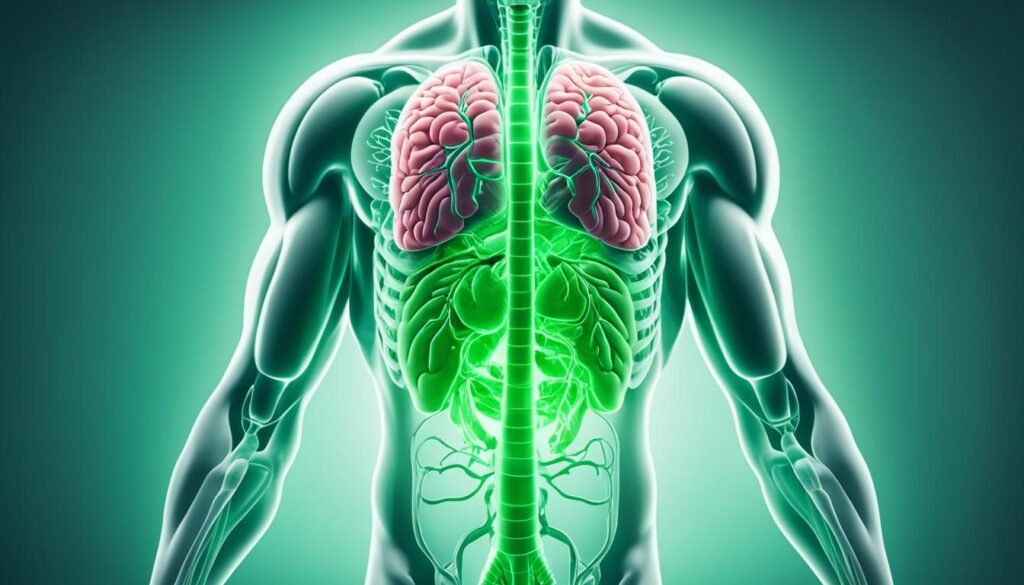
The ketogenic diet is all about reaching ketosis. When in ketosis, your body uses fat for energy, not glucose. This switch happens by cutting down on carbs which makes your liver turn fats into ketones.

What is Ketosis?

Ketosis is when your body uses fats instead of carbs for fuel. By eating fewer carbs, your liver makes ketones from fats. This switch is key to the ketogenic diet.

The Metabolic State

The metabolic state from the ketogenic diet is great for burning fat. In ketosis, your body gets really good at using fat for energy. This is helpful for losing weight and keeping energy levels steady all day.

Benefits of Being in Ketosis

There are many good things about being in a fat-burning state constantly. Better blood sugar control is one big benefit, helping avoid or manage problems like insulin resistance. Plus, your brain works better because it gets a steady, efficient supply of energy from ketones.

Understanding Intermittent Fasting

Intermittent fasting alternates between periods of eating and not eating. It’s a way to balance health and lifestyle.

What is Intermittent Fasting?

Intermittent fasting means having set times for eating and fasting. It’s not about the foods but when you eat them. This method helps with fat loss, improves mental focus, and boosts health.
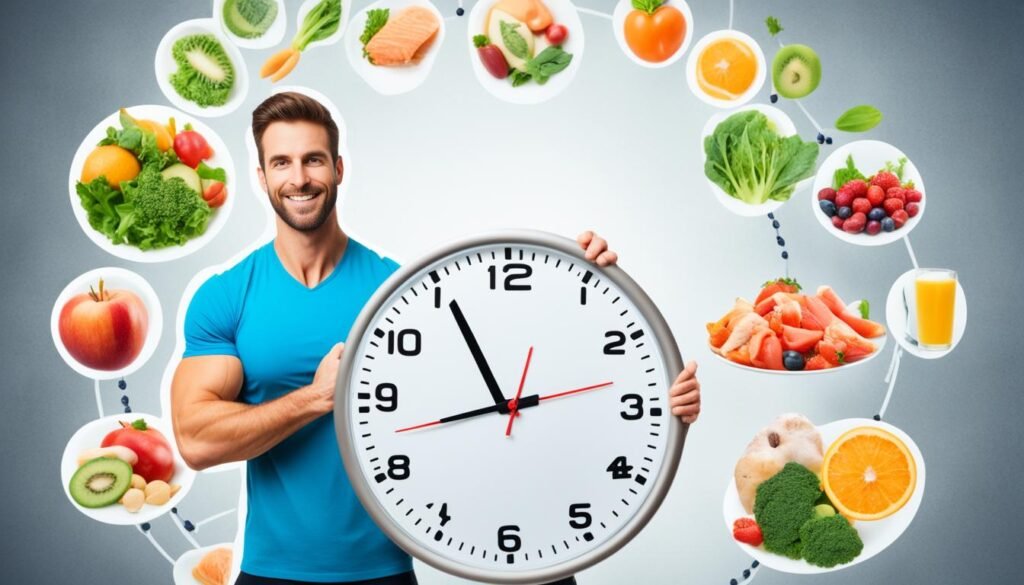
intermittent fasting

Different Methods of Intermittent Fasting

Many people follow different intermittent fasting plans:

  • 16/8 method: Fast for 16 hours, eat in 8 hours.
  • 5:2 diet: Eat usually for 5 days, limit to 500-600 calories for 2 days.
  • Eat-Stop-Eat: Do a 24-hour fast once or twice weekly.

These methods offer flexible eating schedules for different lifestyles.

Autophagy and Cellular Repair

Autophagy is a key fasting benefit. It’s how the body removes damaged cells and replaces them with new ones. This process helps with cell repair.

Intermittent fasting boosts metabolism and offers an effective dieting alternative. It reduces inflammation, aids in longevity, and supports cellular health.

Method Description
16/8 Fast for 16 hours, eat in an 8-hour window.
5:2 Eat normally for 5 days, restrict calories on 2 non-consecutive days.
Eat-Stop-Eat 24-hour fast once or twice a week.

How Ketosis and Intermittent Fasting Work Together

When you combine ketosis with intermittent fasting, it can really change the game for weight loss and health. This powerful pair helps you lose weight and improves body functions by merging diet strategies. Let’s explore how they work together so well.
intermittent fasting synergy

Synergistic Effects of Keto and IF

Ketosis and intermittent fasting together are incredibly beneficial. Ketosis switches your diet to low-carb, high-fat. This turns your body into a fat-burning machine. Intermittent fasting steps this up by introducing no-food times. Together, they make your body much better at using fat for energy, keeping fat-burning constant.

Optimizing Your Hormones and Metabolism

Pairing ketosis with intermittent fasting is amazing for your hormones. Ketosis keeps your blood sugar steady and boosts insulin sensitivity, stopping insulin levels from soaring or crashing. At the same time, intermittent fasting boosts growth hormone, key for building muscle, burning fat, and repairing cells. This combo balances your hormones, making your metabolism work even better.

Creating a Fat-Burning Environment

Using ketosis and intermittent fasting together sets up the perfect scene for burning fat. In ketosis, your body chooses fat as its top energy source, breaking it down efficiently. Intermittent fasting enhances this, helping with calorie control and cellular cleanup. This process removes damaged cells and keeps muscle. These methods ensure your body stays focused on burning fat and staying healthy.

Practical Tips for Getting Started

Starting with ketosis and intermittent fasting is a thrilling way to lose weight. It’s key to eat keto-friendly foods, plan your meals well, and know how to handle challenges. This will help you do well.

Keto-Friendly Foods

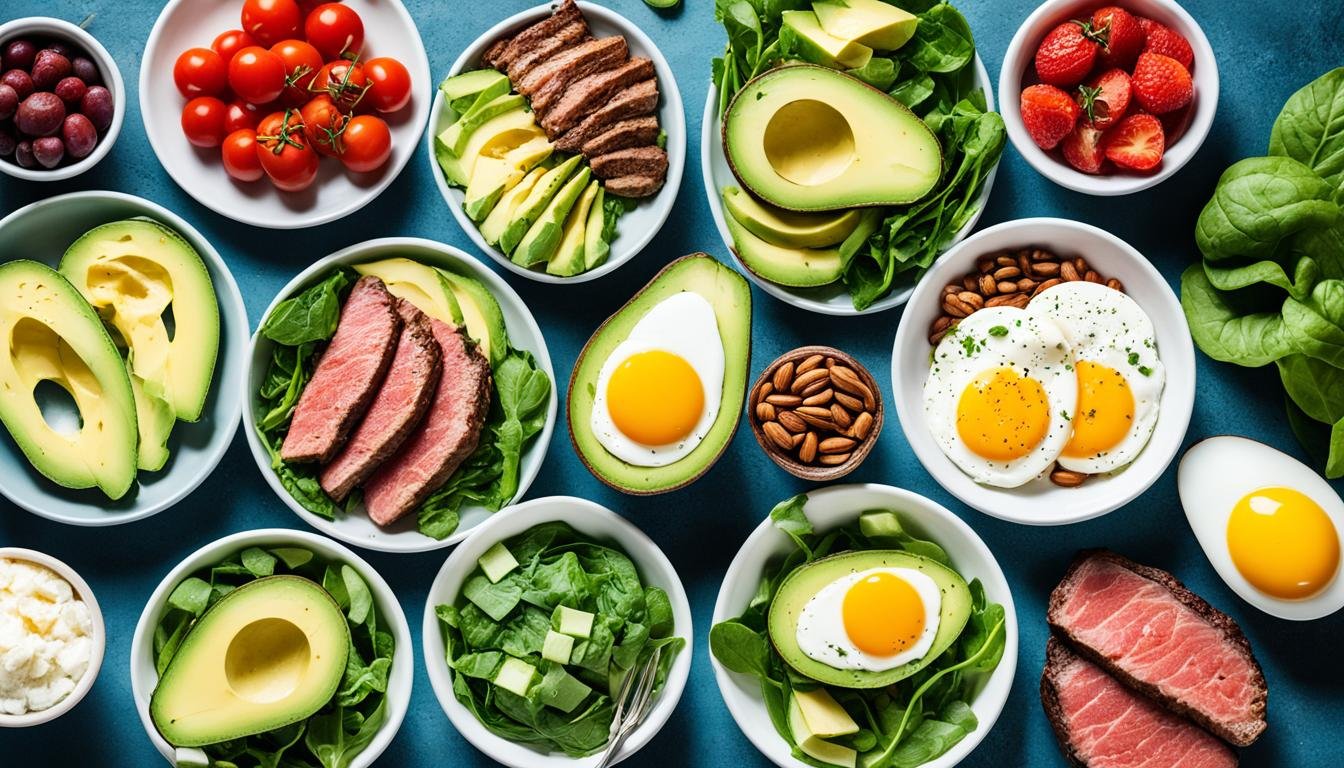
Knowing what keto-friendly foods to eat is key for staying in ketosis. You should eat:

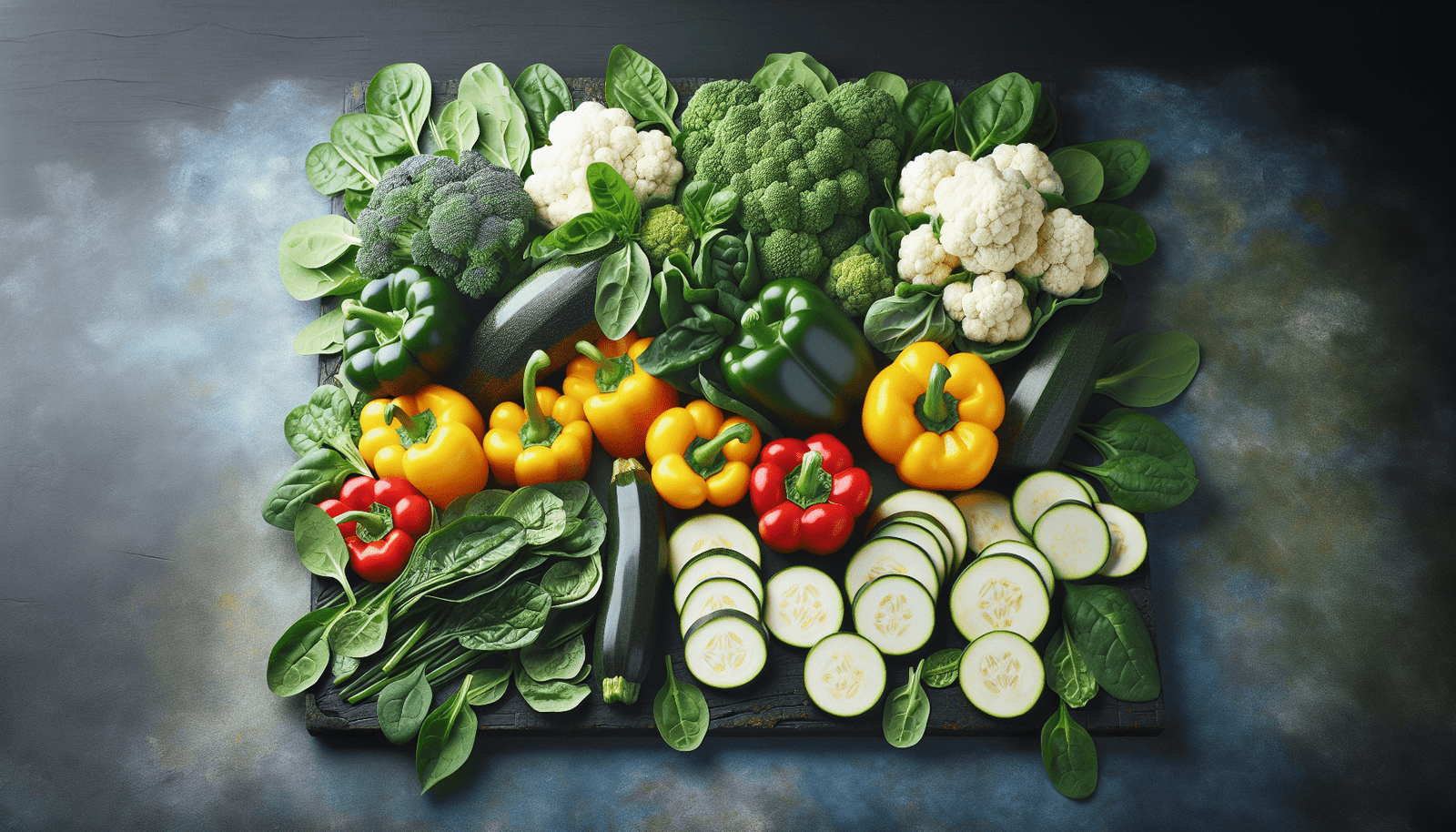
  • Low-carb vegetables (spinach, kale, broccoli)
  • Nuts and seeds (almonds, chia seeds)
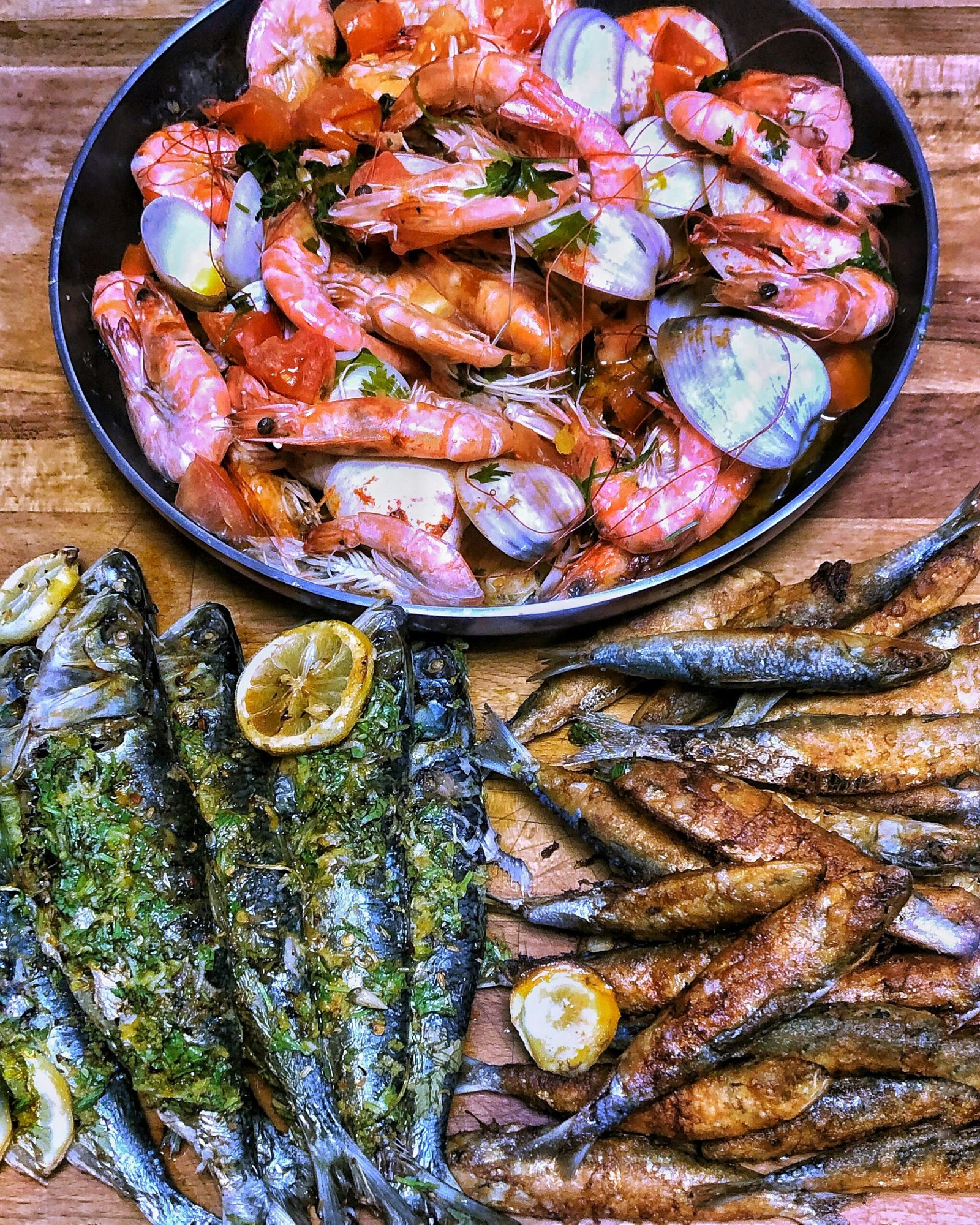
  • Lean proteins (chicken, turkey, fish)
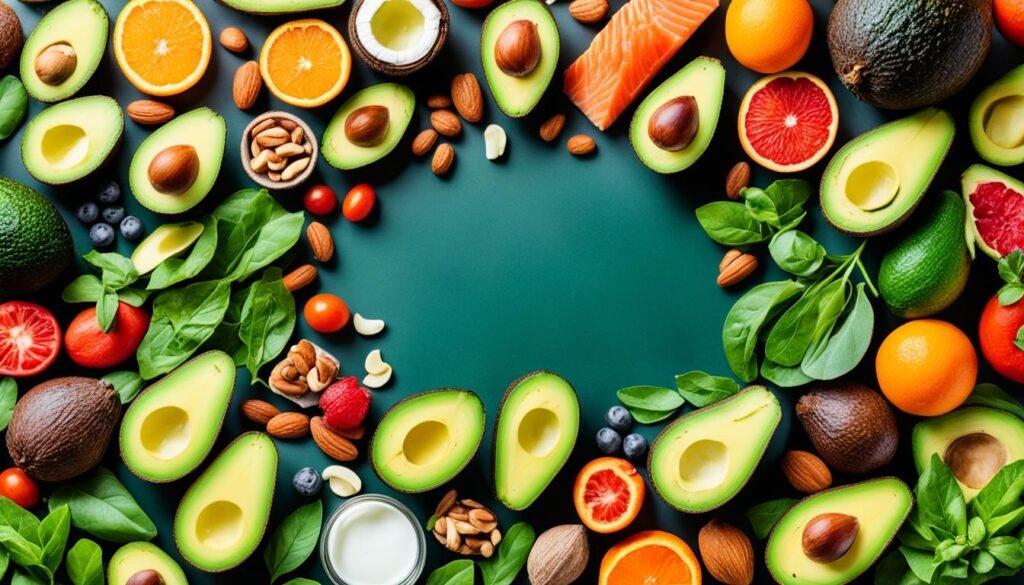
  • Healthy fats (avocado, olive oil, coconut oil)

These foods help you keep carbs low and get important nutrients.

Planning Your Meals and Fasting Schedule

Good meal planning and a fasting schedule are important. Here’s what you can do:

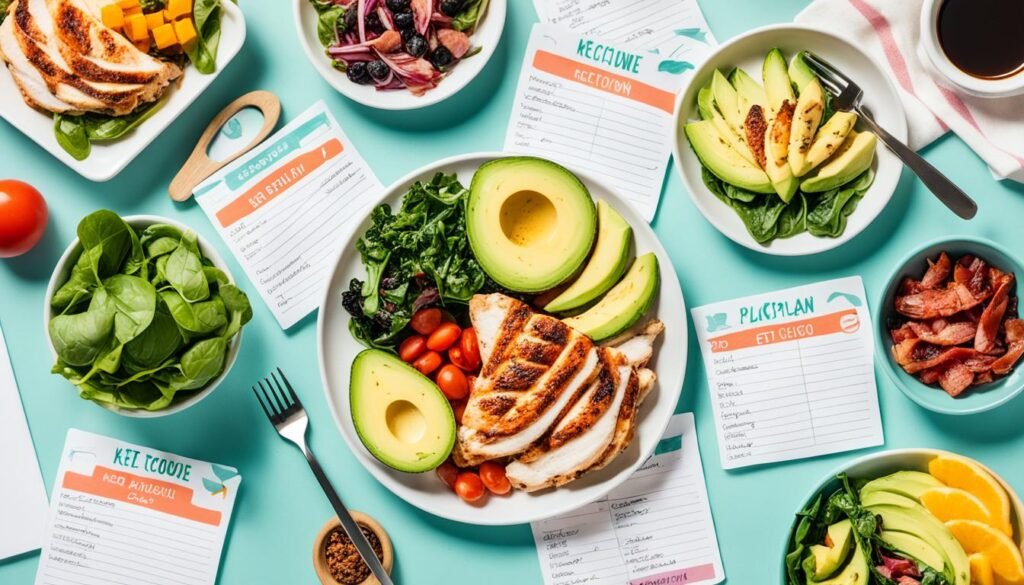
  1. Make a weekly meal plan with keto-friendly foods.
  2. Prepare meals ahead to avoid bad choices.
  3. Pick a fasting schedule that suits you (like 16/8 or 5:2).

This plan will help you lose weight in a lasting way.

Overcoming Common Challenges

At the start, you might face challenges such as the keto flu. Here’s how to deal with them:

  • Drink plenty of water and keep your electrolytes balanced to ease keto flu symptoms.
  • Cut down on carbs slowly so your body can adjust.
  • Remember, losing weight takes time. Keep your goals realistic.

Follow these tips, and you’ll be able to handle early hurdles and stay inspired.

Keto-Friendly Foods Benefits
Low-carb vegetables (spinach, kale, broccoli) Rich in essential nutrients while being low in carbs
Nuts and seeds (almonds, chia seeds) Provide healthy fats and protein
Lean proteins (chicken, turkey, fish) Helps in muscle maintenance and repair
Healthy fats (avocado, olive oil, coconut oil) Essential for energy and metabolism

Navigating Plateaus and Celebrating Non-Scale Victories

Hitting a weight loss plateau is common when you’re working on ketosis and intermittent fasting. It usually means your body is adapting. To break through, you might need to change how much protein, fats, and carbs you eat. You could also try different kinds of exercises. This might help kickstart your metabolism again.

It’s vital to notice and celebrate non-scale victories, too. Things like having more energy, sleeping better, and wearing your favorite clothes matter a lot. They show you’re doing great, even if the scale doesn’t move. These wins bring a huge sense of pride and show the real value of your health efforts.

To handle weight loss plateaus better, try intuitive eating. Pay attention to when you’re truly hungry or full. This way, you can eat just the right amount. It not only helps with plateaus. It also builds a better way of thinking about food.

Here is a handy comparison of strategies to navigate plateaus and recognize non-scale victories:

Strategy Details Benefits
Adjust Macronutrient Intake Modify protein, fats, and carbs proportion Boosts metabolism and breaks plateaus
Incorporate Exercise Mix cardio, strength, and flexibility training Increases metabolic rate and overcomes adaptation
Celebrate Non-Scale Victories Focus on energy, sleep, and clothing fit Enhances motivation and emotional well-being
Practice Intuitive Eating Respond to your body’s hunger and fullness cues Promotes a healthier relationship with food

On your weight loss journey, it’s just as important to focus on your mind and feelings as your physical health. Valuing non-scale victories and getting used to metabolic changes can keep you going. It’s the key to lasting success and overall well-being.

Conclusion

Adopting a ketogenic diet combined with intermittent fasting can greatly improve your health. This approach focuses on fat adaptation and timed eating. It helps your body use energy better and boosts your metabolism. It’s more than losing weight; it’s about a healthier lifestyle for both mind and body.

This lifestyle brings many health benefits like better mental focus, consistent energy, and lower disease risk. By following keto and fasting, you aim for a fit body and stronger health. You become more able to fight various health issues.

Ketosis and intermittent fasting are simple yet effective for health improvement. They’re great for weight loss or just better health. Embracing these methods helps you achieve your health goals. You’ll feel healthier and happier, knowing you’re taking good care of yourself.

Discover the Common Ketosis Symptoms and What to Do

Discover the Common Ketosis Symptoms and What to Do

When your body enters ketosis, it starts burning fat instead of carbs for energy. This change happens in diets that are low in carbs, like ketogenic diets. It helps you lose weight and affects your hunger and energy. Knowing the signs of ketosis is key to make sure the diet works. It also helps you avoid ketoacidosis, a serious health issue.

Certain signs show you’re in ketosis, such as a special breath smell, changes in weight, and how hungry you feel. At first, you might lose water weight. After that, losing fat shows the diet is working well. High levels of ketones, like acetone, become your main energy source. This changes your health. If your breath smells bad, it means you have a lot of ketones. Drinking water and taking care of your teeth can help with this.

To be sure you’re in ketosis, you can check the ketone levels in your blood. Not everyone thinks the keto diet is a good choice. But, if you follow it right, it can be safe and effective. Knowing how to deal with the side effects of the keto diet can help you reach your health goals easier.

Understanding Ketosis: What Is It?

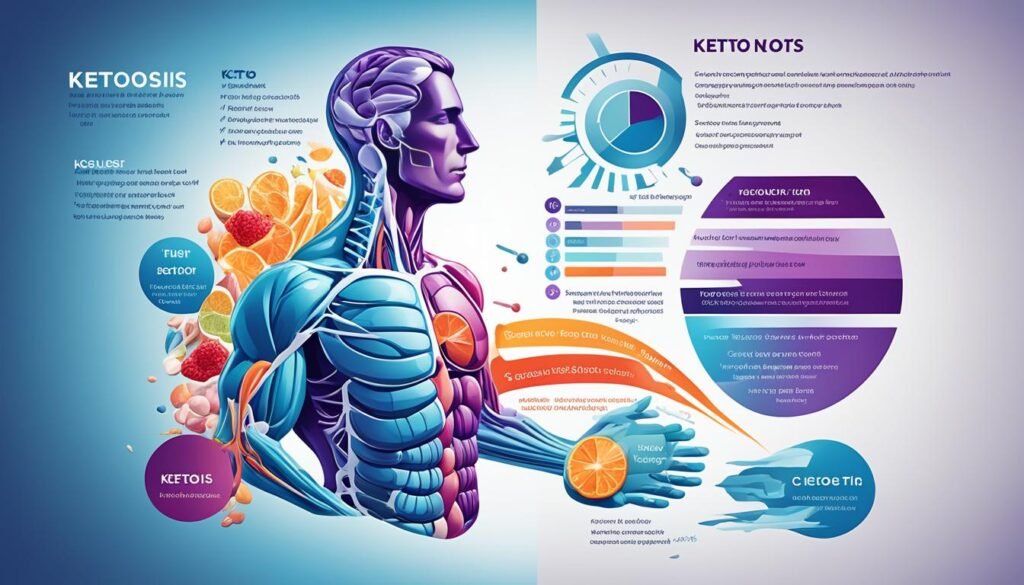
Ketosis is where your body uses fat instead of glucose for energy. This happens when you eat fewer carbs. The liver then creates ketones, like beta-hydroxybutyrate (BHB), turning fat into energy. This process is key to the ketogenic diet.

ketosis state

Definition and Process

Ketosis starts by cutting down on carbs, leading the body to burn fat. This leads to lower insulin levels and more fat breakdown. You may notice less hunger and steady weight loss. It’s important to know ketosis is different from ketoacidosis, which can be dangerous for diabetics.

Ketones as a Fuel Source

When in ketosis, ketones provide energy. Beta-hydroxybutyrate (BHB) is a main ketone body. It’s vital for energy during fasting or following a strict low-carb diet. You might see changes in breath smell or feel more energetic.

To make sure you’re in ketosis, you can measure ketone levels in your blood or breath. It shows if you’re following the ketogenic diet correctly. If you feel a drop in energy then gain mental clarity, it might mean you’re entering ketosis. Watching these signs helps stick to the diet and keep ketosis going.

What Are the Common Ketosis Symptoms?

Entering a ketogenic state is a big change, especially if it’s new to you. One major side effect is known as “keto flu.” It brings temporary tiredness and a sudden energy drop.

Bad breath is another common sign. It happens because your body gets rid of extra ketones like acetone. Good oral hygiene and drinking plenty of water can help manage it. You might also notice less hunger. This is because of changes in your hormones that decrease your appetite.

signs of ketogenic state

When your body starts adjusting, you’ll likely lose some water weight at first. Then, you’ll begin losing fat more steadily. Many people also report better focus and varying energy levels. Your muscles might feel weaker and less enduring for a bit, but this will improve.

Variations in how you digest food and sleep patterns are also typical. While these side effects might bother you at first, they usually get better. This happens as your body adapts to burning fat for energy.

Physical Indicators of Ketosis

Understanding the physical indicators of ketosis can tell you if your body is adapting to a low-carb diet. Spotting these signs confirms your entry into a fat-burning state. Achieving this state is key for your diet goals.

Bad Breath and Dry Mouth

Bad breath is a common sign of ketosis, smelling fruity or metallic. It happens because your body is getting rid of acetone through your breath. To lessen this, focus on oral hygiene and drink lots of water. Dry mouth also happens often on this diet, making you thirsty.

Short-Term Fatigue

As you start using ketones and fatty acids for energy, you might feel tired. This tiredness is normal while your body adjusts to its new energy source. Soon, you’ll likely see your energy go up as you adjust to burning fat.

Weight Loss

Weight loss is a big sign you’re in a fat-burning state. At first, it’s mostly water weight you lose. Stick with the keto diet, and you’ll start losing body fat. Keeping an eye on weight changes helps track your ketosis journey.

Muscle Cramps and Spasms

It’s common to have muscle cramps and spasms when you first enter ketosis. This happens as your body loses more minerals like sodium and magnesium. Taking extra minerals can reduce cramps and help your muscles as you get used to your low-carb diet.

Keto Symptom Description Mitigation
Bad Breath Fruity or metallic scent in breath due to expelling acetone. Increase oral hygiene; drink more water.
Dry Mouth Increased thirst and dry sensation in the mouth. Stay hydrated; drink plenty of fluids.
Short-Term Fatigue Temporary tiredness as the body transitions to fat for energy. Be patient; fatigue usually subsides as you become fat-adapted.
Weight Loss Initial rapid weight loss from water, followed by fat loss. Monitor progress; maintain consistent diet adherence.
Muscle Cramps Cramps and spasms due to electrolyte imbalances. Supplement with electrolytes; ensure adequate mineral intake.

Managing Keto Flu and Other Side Effects

Starting a ketogenic diet can bring about “keto flu” side effects. There are key ways to manage these effects and make the transition smoother.

Staying Hydrated

It’s vital to stay hydrated when you start a ketogenic diet. The body loses more water and electrolytes at first. So, it’s important to drink enough to prevent dry mouth and dehydration. Drinking plenty of fluids also helps keep the kidneys working well and removes excess ketones.

Electrolyte Supplements

Electrolyte supplements are important in handling keto side effects. Early on, you might lose a lot of sodium, potassium, and magnesium. Adding these supplements can ease muscle cramps, spasms, and fatigue. It’s best to pick products from trusted brands to efficiently restore balance in your body.

Gradual Transition to Low-Carb

Easing into a low-carb diet helps reduce keto flu symptoms. Instead of a sudden change, slowly lower your carb intake. This lets your body adjust better. Focusing on a variety of nutrients and enough fiber supports your digestion and makes switching to keto easier.

  1. Begin with a moderate carb reduction – Start by slowly cutting out high-carb foods.
  2. Include more healthy fats – Increase your consumption of healthy fats like avocado, nuts, and seeds over time.
  3. Monitor your body’s response – Watch how your energy, hydration, and overall health are doing.

Conclusion

Knowing the signs of ketosis is key if you’re on a ketogenic diet. It shows you’re burning fat correctly. Signs like the keto flu, bad breath, and muscle cramps are common but temporary. Drink plenty of water and get enough electrolytes to manage these symptoms.

Eating low-carb can lead to benefits like weight loss and better focus. Keep an eye on your ketone levels. This helps you stay on track. Remember, early side effects like the keto flu are normal. You can lessen their effects by staying hydrated and eating right.

Listen to your body and talk to doctors as you follow this diet. The ketogenic diet can improve your metabolism when done correctly. With care and the right habits, it can be a long-term approach to health.

Is Ketosis Dangerous: A Friendly Guide to Keto Diets

Is Ketosis Dangerous: A Friendly Guide to Keto Diets

The keto diet is getting a lot of buzz for its health perks. It’s a diet high in fats but low in carbs. This change helps your body use fat and ketones for energy, not carbs. This process is called ketosis. It can help you lose weight, better your insulin sensitivity, and lower risks of diabetes, epilepsy, and Alzheimer’s.

But, starting keto means big changes in what you eat. This can cause side effects. So, it’s key to understand both the good and the bad. People like keto for its benefits. Yet, some worry about its safety and how it affects you over time. Before trying keto, it’s smart to know what it involves and its risks.

Getting to know ketosis well helps you choose if it’s right for you. We’ll explore how ketosis works, its benefits, the side effects, and risks linked to the keto diet.

Understanding Ketosis

Ketosis is a metabolic state where your body uses fats instead of carbs for energy. You need to reduce your carb intake, usually to 20 to 50 grams a day. In response, your liver makes ketones out of fat. These ketones become the new fuel for your brain and body. Getting into ketosis might require following a strict diet or fasting.

ketosis health concerns

What is Ketosis?

Ketosis means your body switches to burning fat for its energy needs. This switch happens when you eat far fewer carbs. Then, your liver turns fat into ketones, a substitute energy source. Achieving this state involves eating a diet that’s high in fats, has some protein, and very few carbs. Signs like increased thirst, dry mouth, and feeling less hungry can signal you’re in ketosis. But, it’s also crucial to know the potential ketosis health concerns.

How Does the Body Enter Ketosis?

Entering ketosis involves cutting back your carbs to 20 to 50 grams a day. This cut makes your liver produce ketones from fat, for energy. You can reach ketosis through a strict keto diet or fasting. Remember, moving into ketosis can trigger the “keto flu.” Symptoms like headaches, tiredness, and feeling sick are common. Also, knowing about ketosis complications is important for tackling any problems.

Health Benefits of the Keto Diet

Starting a ketogenic diet offers lots of health benefits, including some possible ketosis side effects. We’ll look at its main advantages, like weight loss and helping with management of chronic conditions.

Weight Loss

The keto diet is popular for losing weight effectively. This low-carb approach lets you use fat for energy, leading to better weight loss than low-fat diets. It also makes you feel less hungry, so eating less is easier. But, remember to watch out for possible adverse effects of ketosis while losing weight.

Management of Chronic Conditions

The keto diet also helps manage long-term health problems. Research has shown it can greatly improve blood sugar and insulin levels, helping those with type 2 diabetes. Many report better insulin sensitivity. It’s also found to help with neurological conditions like epilepsy, Alzheimer’s, and Parkinson’s disease. But, be mindful of ketosis side effects and start this diet under a doctor’s guidance.

Ketosis Side Effects

When you start a ketogenic diet, you might face some challenges known as the “keto flu.” Entering ketosis brings health benefits but also some side effects. It’s important to know about these before starting.

The Keto Flu

The start of the keto diet might give you the “keto flu.” You could feel headaches, fatigue, nausea, and perform less well physically. However, these issues usually go away as your body gets used to using fat for energy. To help with these symptoms, make sure to drink water and get enough electrolytes.

Long-Term Effects

After the initial stage, there are long-term ketosis complications to think about. The diet’s high fat and moderate protein could stress your kidneys, possibly causing kidney stones or making kidney problems worse. Also, staying on keto for a long time might affect blood sugar control. This is especially risky for people with diabetes.

Long-term keto could also lead to higher cholesterol levels and fatty liver due to eating lots of saturated fats. Yo-yo dieting, where you keep starting and stopping the diet, adds more health risks. That’s why it’s important to plan your ketogenic diet well and talk to a doctor to stay safe.

Ketosis and Kidney Health

Looking into how the ketogenic diet affects kidney health is key. This is true as more people try the diet for weight loss and better metabolism. It’s vital to be aware of the risks it poses to your kidneys.

Kidney Stones

Kidney stones are a major worry with the ketogenic diet. Its high protein levels can make your urine more acidic. Changes in urine can also raise your chance of getting kidney stones. This issue is often seen in kids on a keto diet for epilepsy. Drinking plenty of water and maybe adding potassium citrate can help. But, talk to a doctor before trying supplements.

Effect on Existing Kidney Conditions

For those with kidney problems, the keto diet’s high protein can be a problem. It can put extra pressure on weak kidneys. It’s crucial to talk to a healthcare provider before you start keto. Adjusting the diet to fit your health needs is important.

Keto Diet: Understanding Ketosis vs Ketoacidosis

Keto Diet: Understanding Ketosis vs Ketoacidosis

Embarking on a keto diet means you’ll learn about how your body handles fat. You’ll need to understand terms such as nutritional ketosis and diabetic ketoacidosis. These states are about how your body makes ketone bodies, but they affect your health differently. Let’s dive into the differences. This way, you can stay healthy while you enjoy the ketogenic diet.

What is Ketosis?

Ketosis is when the body uses ketones for energy instead of glucose. This happens when you eat fewer carbs, fast, or do a lot of exercise. The body breaks down fat stores, making ketones for energy.

ketosis

Definition and Process

Your body starts burning fat instead of sugar when carbs are low. This makes blood sugar drop, so your liver turns fat into ketones. Then, your brain uses these ketones for fuel.

Causes of Ketosis

Ketosis usually starts with a low-carb diet, like the keto diet. Fasting and intense workouts can also lead to ketosis. People with eating disorders or who fast a lot might experience it too.

Health Benefits

One key benefit of ketosis is weight loss. Using fat for energy can help you burn more fat. Ketosis can also even out blood sugar levels. This is good for insulin sensitivity and keeps your energy stable.

Possible Risks

However, ketosis has some risks. You might not get enough nutrients if your diet isn’t balanced. It can also strain your kidneys. It’s important to have a doctor check on you. They should monitor your blood sugar to prevent problems.

What is Ketoacidosis?

Diabetic ketoacidosis (DKA) is a critical condition caused by a severe insulin shortage. This leads to high blood sugar levels. It also causes a buildup of acids called ketones to dangerous levels. These high levels can cause serious health issues.

Definition and Process

DKA mainly affects people with type 1 diabetes. Without enough insulin, the body breaks down fat for fuel. This action and high sugar lead to acidic blood, a serious risk without treatment.

Causes of Ketoacidosis

Missing insulin doses, infections like pneumonia, or other illnesses can trigger DKA. Insulin resistance makes it worse by stopping glucose from entering cells. This forces the body to use fats for energy.

Symptoms and Complications

DKA’s symptoms include intense thirst, often urinating, nausea, vomiting, stomach pain, and confusion. Untreated, it can cause severe dehydration, brain swelling, or coma.

Treatment and Management

Immediate medical help is needed to treat ketoacidosis. It involves fluids, balancing electrolytes, and insulin to lower sugar. For those with type 1 diabetes, close monitoring of sugar levels and sticking to insulin therapy is vital.

Aspect Ketoacidosis Ketosis
Cause Severe insulin shortage Low carbohydrate intake
Population Type 1 diabetes primarily General, those on a low-carb diet
Health Impact Potentially fatal Generally safe
Ketone Levels Toxic Controlled, moderate
Treatment Required Immediate medical attention Diet and lifestyle management

Ketosis vs Ketoacidosis

Let’s explore the main differences between

. Their causes and effects are very different. Ketosis is a safe metabolic state. It happens when you eat a low-carb diet, fast, or do a lot of exercise. This state can help with weight loss and improve health, if you manage it right.

Diabetic ketoacidosis (DKA), however, is very serious. It usually occurs in people with type 1 diabetes. Not having enough insulin leads to very high blood sugar levels and ketone levels. This causes the blood to become acidic. People with DKA need medical help right away because it’s very dangerous.

Here’s a table that shows how ketosis and ketoacidosis are different:

Aspect Ketosis Ketoacidosis
Cause Low-carb diet or fasting Insufficient insulin, typically in type 1 diabetes
Ketone Levels Mildly elevated Extremely high
Blood Sugar Levels Normal or low High
Health Impact Metabolically beneficial Potentially fatal
Treatment Diet management Immediate medical treatment

Keeping track of nutritional ketosis means watching your blood sugar levels and ketones. Regular checks can tell you if you’re in a healthy state of ketosis or facing the risk of diabetic ketoacidosis. Knowing these differences helps you make smart choices about your health and diet.

How to Enter and Maintain Ketosis

Starting your ketosis journey means adjusting what you eat. You’ll need to eat less than 50 grams of carbs each day. Lowering carbs this way makes your body use fat for energy, instead of sugar. People following a keto diet often see big wins like less hunger, more weight loss, and better cholesterol levels.

To keep in ketosis, eat lots of fats and a good amount of protein. Also, choose low-carb veggies and whole foods for key nutrients. Your body might need a few days to get used to burning fat. Watching what you eat is critical to stay in ketosis safely over time. Mixing in a variety of food with nutrients helps keep you in ketosis.

It’s important to check your ketone levels regularly. Using tools like ketone strips or blood ketone meters helps track your progress. Remember, ketosis isn’t just about eating fewer carbs. It’s about a balanced keto diet full of nutrition. This supports your health benefits and helps with your weight loss journey.

Keto Meal Plan for Effortless Weight Loss and Optimal Health

Keto Meal Plan for Effortless Weight Loss and Optimal Health

Switching to a keto diet means eating more fats, moderate protein, and fewer carbs. This change puts your body in a state called ketosis. Here, it burns fat for energy instead of carbs. A customized ketosis meal plan makes this switch easier and boosts your health benefits. This plan is perfect for those wanting a diet that’s structured.

Choosing a personalized plan can help you lose weight and feel better overall. It creates a meal plan just for your body’s needs, removing the guesswork. Start a customized meal plan and see how you reach your health goals.

Introduction to the Keto Diet

The ketogenic diet, or keto diet, cuts down on carbs and ups fat intake. This switches the body’s main energy source from glucose to fats. This process, called ketosis, turns fat into energy efficiently. The diet is popular for its health benefits and weight loss effects.

What is the Keto Diet?

The keto diet means you eat far fewer carbs and more fats. This switch makes the body burn fat for energy. It leads to weight loss, boosts energy, and promotes well-being. Cutting carbs helps keep blood sugar levels stable, which is great for those with insulin issues.

Benefits of the Keto Diet

The keto diet offers more than weight loss. It can enhance mental focus, lessen inflammation, and may cut the risk of chronic diseases. Eating healthy fats boosts heart health and energy all day. The keto diet also helps in diabetes management by focusing on low-carb foods.

Common Misconceptions about the Keto Diet

Some people misunderstand the keto diet. Not all fats are bad. It’s important to eat healthy fats like those in avocados, nuts, and olive oil. Another myth is that the diet causes nutrient shortages. But, with careful meal planning, it can be nutritious and satisfying. Knowing the facts helps you see the real benefits of this low-carb diet.

How to Start Your Ketosis Meal Plan

Starting your ketosis meal plan requires a careful approach. To succeed, you should outline your goals, plan accordingly, and find support.

Setting Realistic Goals

Before starting your keto diet, it’s important to set realistic goals. Think about your health, lifestyle, and what you want to achieve. Goals should be more than losing weight; they should enhance your well-being too. Make sure your goals are clear, reachable, and have a deadline. This will help you stay motivated.

Create a Custom Keto Meal Plan

Creating a custom keto plan means knowing your nutritional needs. Start by figuring out your fat, protein, and carb needs. Then choose foods that match these needs and you enjoy.

Meal prep is also key. Preparing your meals ahead can save time and keep you on track.

customized keto meal plan

Finding an Accountability Partner

Having someone to support you on your keto journey is crucial. This can be a friend, family member, or coach. They offer motivation, support, and guidance.

This helps you stick with your keto meal plan, overcome obstacles, and celebrate your progress. With realistic goals, a personalized plan, and supportive partner, you’re set for success on your keto journey.

Essential Ketogenic Foods to Include

Starting a ketogenic diet means choosing the right foods. You need to focus on meals high in fat, moderate in protein, and low in carbs. This helps you hit your nutrition goals. It’s also important to know the difference between good and bad fats to succeed on the keto diet.

ketogenic foods

High-Fat Foods

Fats are key in the keto diet. Great choices include avocados, cheese, and salmon. These foods are rich in nutrients and help you stay full.

Moderate Protein Sources

For protein, turn to eggs, chicken, and grass-fed beef. These provide the right amount of protein. They keep your muscles strong without affecting ketosis.

Low-Carb Vegetables

Vegetables low in carbs are also essential. They give you vitamins and minerals. Eat plenty of leafy greens and cruciferous veggies like broccoli for good health.

Healthy Fats vs. Unhealthy Fats

Knowing fats is crucial. Choose healthy fats found in nuts, seeds, and olive oil. Stay away from trans fats and processed oils to keep your diet on track.

Category Recommended Foods Benefits
High-Fat Foods Avocados, Cheese, Fatty Fish Provide energy and satiety
Moderate Protein Sources Eggs, Poultry, Grass-Fed Beef Maintain muscle mass
Low-Carb Vegetables Spinach, Kale, Broccoli Essential vitamins and minerals
Healthy Fats Nuts, Seeds, Olive Oil Boost overall health

Sample Keto Recipes for Every Meal

Switching to a keto lifestyle means you don’t miss out on taste or diversity. You can have enjoyable and healthy meals all day.

Keto Breakfast Ideas

Begin your day with a filling breakfast. A cheesy spinach omelet or avocado and bacon bowls are good choices. They give you fats and protein for energy.

Keto Lunch Options

Lunch can be thrilling with keto choices. Try grilled chicken salad with olive oil dressing or a lettuce wrap with turkey and cheese. Add low-carb veggies like bell peppers or cucumbers to complete your meal.

For something warm, creamy cauliflower soup with garlic and herbs is perfect.

Delicious Keto Dinner Recipes

Dinner offers a chance for hearty, tasty dishes. Try garlic butter steak bites with asparagus or baked salmon with roasted Brussels sprouts. They are filling without feeling guilty.

Zucchini noodles with Alfredo sauce give a low-carb pasta option.

Keto Snacks and Desserts

Keto snacking is far from dull. Consider cheese wraps with turkey slices or mixed nuts for easy snacks. For a dessert craving, almond flour cookies or chocolate avocado mousse are great without ruining your diet.

Overcoming Common Keto Challenges

Starting your keto journey comes with challenges. The “keto flu” is one such hurdle, including headaches, fatigue, and irritability. These symptoms usually happen in the early keto days. Knowing it’s a temporary stage helps you get through it.

It’s hard to stop craving high-carb foods. It’s crucial to find tasty, keto-friendly options. For pasta cravings, consider zucchini noodles or cauliflower rice. These substitutes should fit your diet and be delightful.

Keeping up with ketosis, especially when eating out or at social events, is tough. Plan by looking up menus online or taking your own snacks to gatherings. Watching your macronutrients helps you stay in ketosis.

Don’t underestimate the mental side of changing your diet. Having support is very important. Whether through a keto group online or a friend with similar goals, support helps keep you on your keto path.

Challenges Solutions
Keto Flu Stay hydrated, increase salt intake, and be patient.
Cravings Find keto-friendly alternatives, such as zucchini noodles and cauliflower rice.
Dining Out Plan ahead by checking menus and bringing your own snacks.
Psychological Struggles Build a support system through online communities or friends.

Conclusion

Starting a keto meal plan helps you reach ketosis, boost your health, and lose weight effectively. Knowing how fats, proteins, and carbs work helps your body burn fat better. This not only helps with weight loss but also improves your brain function and lowers inflammation.

Planning your meals and watching your macro intake are important to keep up with this diet. It’s key to be ready for the keto flu and carb cravings to stay on track. If you stick to keto’s rules, you can improve your health in the long run.

Staying true to your keto meal plan is essential for keeping its benefits. With enough motivation, support, and nutritional know-how, you can start and keep a keto lifestyle. This will lead to better health now and in the future.

A Guide to Keto-Friendly Vegetables

A Guide to Keto-Friendly Vegetables

Welcome to “A Guide to Keto-Friendly Vegetables” where you will discover a variety of nutrient-packed veggies that are perfect for your ketogenic diet. Whether you’re looking to add more fiber, vitamins, and minerals to your meals or simply switch up your veggie options, this article will provide you with a comprehensive list of low-carb vegetables that will help you stay on track with your keto lifestyle. From leafy greens to cruciferous veggies, you’ll find plenty of delicious and nutritious options to incorporate into your daily meals. So, grab a pen and paper, and let’s get started on maximizing your vegetable intake while keeping it keto-friendly!

Are you looking to incorporate more vegetables into your keto diet?

Welcome to “A Guide to Keto-Friendly Vegetables”!

You may be following a ketogenic diet to help with weight loss, manage diabetes, or simply improve your overall health. Whatever your reason, it’s important to include a variety of nutrient-dense vegetables in your meals. In this guide, we will explore the best vegetables to eat on a keto diet, tips for preparing them, and how to incorporate them into your favorite recipes. Let’s get started!

Understanding the Keto Diet

Before we dive into the world of keto-friendly vegetables, let’s take a moment to understand the basics of the ketogenic diet. On a keto diet, you aim to consume high-fat, moderate-protein, and low-carb foods to put your body into a state of ketosis, where it burns fat for fuel instead of carbs. This helps you reach your weight loss and health goals more effectively.

A Guide to Keto-Friendly Vegetables

What are Net Carbs?

When following a ketogenic diet, you’ll often hear the term “net carbs.” Net carbs are total carbohydrates minus fiber and sugar alcohols, as these types of carbs have minimal impact on blood sugar levels. To calculate the net carbs in a food item, simply subtract the grams of fiber and sugar alcohols from the total carbohydrates. Keeping net carbs low is essential for staying in ketosis.

The Best Keto-Friendly Vegetables

Not all vegetables are created equal when it comes to the keto diet. Some are loaded with carbs and can kick you out of ketosis, while others are low in carbs and high in nutrients. Here are some of the best keto-friendly vegetables to include in your meal plan:

Vegetable Net Carbs (per 100g) Fiber (per 100g) Notes
Spinach 1.4g 2.2g High in vitamins A and K
Broccoli 4.0g 2.6g Rich in vitamin C and folate
Cauliflower 2.9g 2.0g Versatile for low-carb recipes
Zucchini 2.1g 1.0g Great for spiralizing into noodles
Bell Peppers 4.6g 1.7g Colorful addition to salads and stir-fries
Brussels Sprouts 5.2g 3.8g Packed with antioxidants
Asparagus 1.8g 2.1g Excellent source of fiber and folate

These vegetables are not only low in net carbs but also rich in essential vitamins, minerals, and antioxidants. Including a variety of these keto-friendly vegetables in your meals will ensure you get the nutrients you need while staying in ketosis.

Leafy Greens Are Your Best Friends

Leafy greens like spinach, kale, and lettuce are some of the most keto-friendly vegetables you can eat. They are extremely low in carbs, high in fiber, and packed with vitamins and minerals. Use them as the base for salads, add them to smoothies, or sauté them as a side dish.

A Guide to Keto-Friendly Vegetables

Cruciferous Vegetables Are Key

Cruciferous vegetables, such as broccoli, cauliflower, and Brussels sprouts, are also excellent choices for a keto diet. They are high in fiber, vitamins, and antioxidants while being low in net carbs. Roast them in the oven, toss them in a stir-fry, or mash them as a low-carb alternative to mashed potatoes.

Colorful Vegetables Add Variety

Adding a pop of color to your plate with vegetables like bell peppers, zucchini, and asparagus not only makes your meal visually appealing but also provides a range of nutrients. These vegetables are versatile and can be roasted, grilled, or eaten raw for a crunchy snack.

Tips for Preparing Keto-Friendly Vegetables

Now that you know which vegetables to include in your keto meal plan, let’s talk about how to prepare them to maximize their flavor and nutrient content. Here are some tips for cooking keto-friendly vegetables:

A Guide to Keto-Friendly Vegetables

Roasting

Roasting vegetables is a great way to bring out their natural sweetness and flavors. Preheat your oven to 400°F, toss the vegetables in olive oil and seasonings of your choice, and spread them out on a baking sheet. Roast until they are tender and slightly caramelized. Roasted vegetables like cauliflower, Brussels sprouts, and asparagus make a delicious side dish or snack.

Sauteing

Sauteing vegetables in a skillet with some butter or olive oil is a quick and easy way to cook them. Heat the skillet over medium heat, add the vegetables, and stir occasionally until they are tender. Add garlic, herbs, or spices for extra flavor. Sauteed spinach, zucchini, and bell peppers make a tasty addition to omelets or salads.

A Guide to Keto-Friendly Vegetables

Steaming

Steaming is a gentle cooking method that helps vegetables retain their nutrients and vibrant colors. Fill a pot with a few inches of water, place a steamer basket inside, and bring the water to a boil. Add the vegetables to the basket, cover with a lid, and steam until tender. Steamed broccoli, cauliflower, and asparagus can be enjoyed as a simple side dish or added to soups and stir-fries.

Incorporating Keto-Friendly Vegetables into Your Meals

Eating a variety of keto-friendly vegetables doesn’t have to be boring or complicated. By getting creative in the kitchen, you can enjoy delicious and nutritious meals that support your keto lifestyle. Here are some ideas for incorporating keto-friendly vegetables into your favorite recipes:

Breakfast

Start your day with a veggie-packed breakfast by adding spinach, mushrooms, and onions to your scrambled eggs or omelet. Top with avocado slices and a sprinkle of cheese for a satisfying and nutrient-dense meal. You can also blend leafy greens into your morning smoothie for an extra boost of vitamins and minerals.

A Guide to Keto-Friendly Vegetables

Lunch

For a quick and easy keto-friendly lunch, make a colorful salad with mixed greens, cherry tomatoes, cucumbers, and bell peppers. Add grilled chicken, avocado, and a creamy dressing for a filling and flavorful meal. You can also wrap your favorite proteins and veggies in lettuce leaves for a low-carb and portable lunch option.

Dinner

Cook up a hearty keto-friendly dinner by preparing a veggie stir-fry with broccoli, cauliflower, bell peppers, and snow peas. Toss in some protein like shrimp, chicken, or tofu, and season with soy sauce or coconut aminos. Serve over cauliflower rice or zucchini noodles for a complete and satisfying meal.

Snacks

Keep keto-friendly snacks on hand by slicing up some raw veggies like celery, bell peppers, and cucumbers and pairing them with guacamole, hummus, or keto-friendly dip. Roasted seaweed snacks, cheese crisps, and kale chips are also tasty options for satisfying your cravings between meals.

Conclusion

Incorporating keto-friendly vegetables into your meal plan is essential for staying in ketosis and supporting your overall health and wellness. By choosing nutrient-dense options like leafy greens, cruciferous vegetables, and colorful veggies, you can ensure you’re getting the vitamins, minerals, and antioxidants your body needs. Experiment with different cooking methods, flavor combinations, and recipe ideas to keep your meals exciting and delicious.

If you have any questions or need further guidance on incorporating keto-friendly vegetables into your diet, feel free to reach out. Here’s to delicious and nutritious eating on your keto journey!

Top Protein Sources for the Keto Diet

Top Protein Sources for the Keto Diet

Welcome to the ultimate guide on the top protein sources for the Keto diet! Whether you’re following a strict Keto regimen or just looking to incorporate more protein into your meals, this article will provide you with a variety of delicious and healthy options to help you meet your protein goals while staying in ketosis. From grass-fed beef and wild-caught salmon to eggs and nuts, we’ve got you covered with the best protein sources to keep you feeling satisfied and energized on your Keto journey. So let’s dive in and explore the wonderful world of protein-rich foods that are perfect for your Keto lifestyle!

Top Protein Sources for the Keto Diet

Are you looking to incorporate more protein into your Keto diet but unsure where to start? Look no further! In this article, we will explore some of the top protein sources that are Keto-friendly. From animal-based to plant-based options, we’ve got you covered. Let’s dive in and discover delicious ways to meet your protein needs while following the Keto lifestyle.

Top Protein Sources for the Keto Diet

Understanding Protein on the Keto Diet

Before we jump into the top protein sources, let’s first understand the importance of protein on the Keto diet. Protein plays a crucial role in maintaining lean muscle mass, supporting fat loss, and keeping you feeling full and satisfied. On a Keto diet, it’s essential to choose high-quality protein sources that are low in carbs to stay in a state of ketosis.

When selecting protein sources, opt for options that are minimally processed and free from added sugars and preservatives. Stick to whole foods whenever possible to ensure you’re getting the most nutrients and benefits from your protein sources.

What is the Keto Diet?

The Keto diet, short for ketogenic diet, is a high-fat, moderate-protein, and low-carb eating plan designed to shift your body into a state of ketosis. In ketosis, your body burns fat for fuel instead of carbohydrates, resulting in weight loss and improved energy levels. By focusing on protein sources that are low in carbs, you can support ketosis and maximize the benefits of the Keto diet.

Top Protein Sources for the Keto Diet

Animal-Based Protein Sources

Animal-based protein sources are rich in essential nutrients like amino acids, iron, and B vitamins. When following a Keto diet, aim to choose lean cuts of meat and poultry that are free from hormones and antibiotics. Here are some top animal-based protein sources to include in your Keto meal plan:

1. Beef

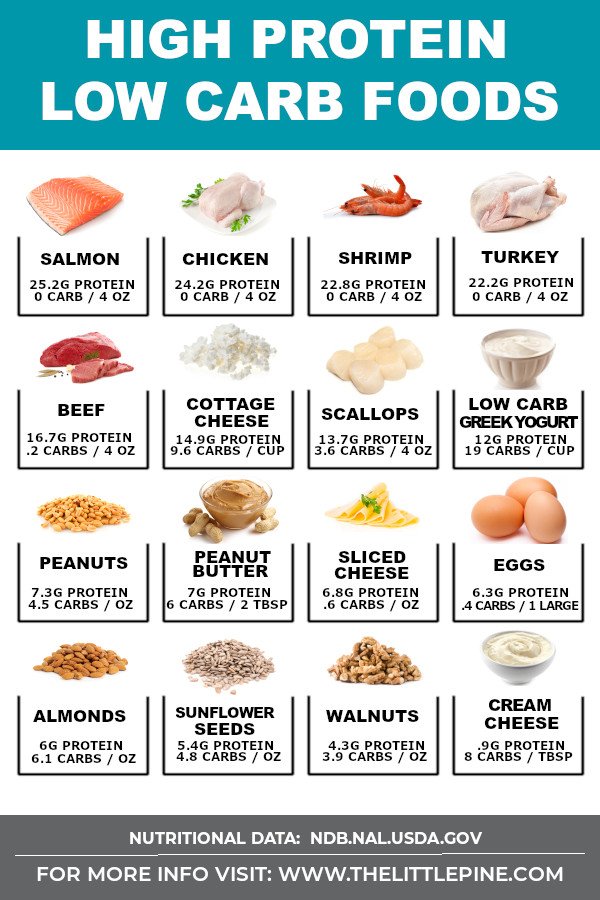
Beef is a nutrient-dense protein source that is rich in iron, zinc, and vitamin B12. Opt for grass-fed and organic beef whenever possible to ensure you’re getting the highest quality protein. Include cuts like sirloin, flank, and ground beef in your Keto recipes for a delicious and satisfying meal.

2. Chicken

Chicken is a versatile protein source that can be enjoyed in various dishes on the Keto diet. Choose skinless chicken breasts or thighs to keep the fat content in check while still meeting your protein needs. Whether baked, grilled, or sautéed, chicken is a staple ingredient that can be incorporated into salads, stir-fries, and soups.

3. Turkey

Turkey is an excellent lean protein source that is low in fat and high in protein, making it ideal for a Keto diet. Enjoy roasted turkey breast or ground turkey in your favorite recipes for a hearty and nutritious meal. Turkey is also a good source of selenium and niacin, which are essential for overall health and well-being.

Top Protein Sources for the Keto Diet

Plant-Based Protein Sources

Plant-based protein sources are a great option for vegetarians and vegans following a Keto diet. While plants contain lower amounts of protein compared to animal products, incorporating a variety of plant-based protein sources can help you meet your daily protein requirements. Here are some top plant-based protein sources to add to your Keto meal plan:

1. Tofu

Tofu is a versatile protein source made from soybeans and is a staple in vegan and vegetarian diets. Tofu is low in carbs and high in protein, making it an excellent option for the Keto diet. Use tofu in stir-fries, salads, and soups for a plant-based protein boost that will keep you feeling full and satisfied.

2. Tempeh

Tempeh is a fermented soybean product that is rich in protein, fiber, and probiotics. Tempeh has a nutty flavor and firm texture, making it a popular meat substitute in Keto recipes. Enjoy tempeh marinated and grilled, crumbled and sautéed, or sliced and baked for a delicious and filling plant-based protein option.

3. Nuts and Seeds

Nuts and seeds are nutrient-dense foods that are rich in protein, healthy fats, and fiber. Incorporate almonds, walnuts, chia seeds, and flaxseeds into your Keto meal plan to boost your protein intake and add variety to your diet. Nuts and seeds can be enjoyed as snacks, added to salads or smoothies, or used as toppings for yogurt or oatmeal.

Top Protein Sources for the Keto Diet

Combining Protein Sources for Optimal Nutrition

To maximize the benefits of the Keto diet, consider combining different protein sources to ensure you’re getting a well-rounded mix of nutrients. By including a variety of animal-based and plant-based proteins in your meals, you can meet your protein needs while enjoying a diverse and flavorful diet. Here are some tips for combining protein sources for optimal nutrition on the Keto diet:

1. Mix and Match

Experiment with different protein sources to keep your meals exciting and satisfying. Try combining chicken with tofu in a stir-fry, or pair beef with tempeh in a salad for a unique flavor profile. Mixing and matching protein sources can help you meet your protein needs while adding variety to your Keto meal plan.

2. Balance Macros

Pay attention to your macronutrient balance when combining protein sources on the Keto diet. Aim to include a mix of protein, fats, and carbs in each meal to support ketosis and maintain energy levels. By balancing your macros, you can create delicious and nutritious dishes that will keep you feeling full and satisfied throughout the day.

3. Focus on Quality

Choose high-quality protein sources that are free from additives, preservatives, and artificial ingredients. Opt for organic, grass-fed, and non-GMO proteins whenever possible to ensure you’re getting the most nutrients and benefits from your food. By focusing on quality, you can support your overall health and well-being while following the Keto diet.

Top Protein Sources for the Keto Diet

Conclusion

Incorporating protein-rich foods into your Keto meal plan is essential for supporting muscle growth, fat loss, and overall health. By choosing high-quality protein sources that are low in carbs, you can stay in ketosis and maximize the benefits of the Keto diet. Whether you prefer animal-based or plant-based proteins, there are plenty of delicious options to explore on your Keto journey. Experiment with different protein sources, get creative in the kitchen, and enjoy the amazing flavors and nutrients that protein-rich foods have to offer. Cheers to a healthy and protein-packed Keto lifestyle!

The Ultimate Guide to Reading Food Labels on Keto

The Ultimate Guide to Reading Food Labels on Keto

Welcome to “The Ultimate Guide to Reading Food Labels on Keto!” In this article, you will learn the essential tips and tricks for decoding food labels to stay on track with your ketogenic diet. Understanding the information on food labels is crucial for making informed choices and reaching your health and wellness goals. Whether you’re a seasoned keto enthusiast or just starting out, this guide will help you navigate the supermarket aisles with confidence. Get ready to make smarter choices and fuel your body with the right foods for success on the keto diet.

Have you ever wondered how to navigate food labels while following a keto diet?

If you’re following a keto diet, understanding how to read food labels becomes crucial to ensuring you’re staying within your daily carb limit. With the abundance of food products on the market, deciphering labels can be overwhelming. But fear not, this ultimate guide will provide you with all the information you need to confidently read food labels on keto.

The Ultimate Guide to Reading Food Labels on Keto

What to Look for on a Keto-Friendly Food Label

When you’re following a keto diet, the key is to consume foods that are high in fat, moderate in protein, and low in carbs. Here are the main things to look for on a food label to determine if a product is keto-friendly:

Total Carbohydrates

You’ll want to pay close attention to the total carbohydrate content on the label. On a keto diet, the general rule is to consume no more than 20-50 grams of carbs per day, depending on your individual needs. To calculate the net carbs of a product, simply subtract the dietary fiber and sugar alcohols from the total carbs.

Dietary Fiber

Fiber is an essential nutrient on a keto diet as it helps to keep you feeling full and aids in digestion. Look for products high in fiber, as it can help offset the total carb count.

Sugar Alcohols

Sugar alcohols are a type of sweetener that are commonly found in low-carb and sugar-free products. While they do contribute to the total carb count, they have less of an impact on blood sugar levels. It’s important to note that not all sugar alcohols are keto-friendly, so be sure to read the label carefully.

Fat Content

Fat is your primary source of energy on a keto diet, so you’ll want to choose products that are high in healthy fats. Look for products that are rich in sources like avocado oil, coconut oil, and grass-fed butter.

Protein Content

While protein is an important part of any diet, it’s essential to moderate your intake on a keto diet to ensure you’re not consuming too many grams, which can kick you out of ketosis. Look for products that have a moderate amount of protein per serving.

Ingredients List

One of the best indicators of a product’s quality is the ingredients list. Look for whole, unprocessed foods and avoid products with added sugars, artificial flavors, and preservatives.

Understanding Serving Sizes on Food Labels

It’s essential to pay attention to the serving size listed on a food label, as it can greatly impact the nutritional information. Many people make the mistake of assuming the entire package is one serving, leading to potential overconsumption of calories, carbs, and other nutrients.

When evaluating the serving size, be mindful of how much you typically consume in one sitting and adjust the nutritional information accordingly. If you’re unsure about portion sizes, measuring cups and food scales can be valuable tools to help you accurately track your intake.

The Ultimate Guide to Reading Food Labels on Keto

Deciphering the % Daily Value on Food Labels

The % Daily Value (DV) listed on a food label provides an estimate of how much a specific nutrient contributes to your daily intake based on a 2,000 calorie diet. While this can be a useful reference point, it’s important to remember that your individual needs may vary.

When looking at the % DV, aim for foods that are high in nutrients like fiber, vitamins, and minerals and lower in nutrients like saturated fat, sodium, and added sugars. Keep in mind that the % DV is based on a general guideline and may not align with your specific dietary goals on a keto diet.

Key Ingredients to Avoid on Keto-Friendly Food Labels

While many foods can be part of a well-rounded keto diet, there are certain ingredients you’ll want to steer clear of to stay in line with your low-carb goals. Here are some key ingredients to avoid when reading food labels on a keto diet:

Added Sugars

Added sugars can quickly spike your blood sugar levels and lead to cravings for more sweets. Be on the lookout for ingredients like cane sugar, high-fructose corn syrup, and dextrose on food labels.

Artificial Sweeteners

While artificial sweeteners are marketed as zero-calorie alternatives to sugar, some may still have an impact on your blood sugar levels and overall health. Steer clear of sweeteners like aspartame, sucralose, and saccharin if you’re looking to keep your diet as natural as possible.

Trans Fats

Trans fats are known to raise bad cholesterol levels and increase your risk of heart disease. Be wary of products that contain hydrogenated or partially hydrogenated oils on the ingredients list.

High-Carb Ingredients

To stay within your daily carb limit on a keto diet, it’s crucial to avoid high-carb ingredients like wheat flour, corn syrup, and maltodextrin. Opt for low-carb alternatives like almond flour, coconut flour, and erythritol instead.

The Ultimate Guide to Reading Food Labels on Keto

How to Spot Hidden Carbs on Food Labels

While some products may seem keto-friendly at first glance, hidden carbs can lurk in unexpected places. Here are some tips to help you spot hidden carbs on food labels:

Check the Ingredients List

Even if a product claims to be low-carb, always check the ingredients list for hidden sugars, starches, and fillers that can add up quickly. Ingredients like maltodextrin, corn syrup solids, and maltitol can all contribute to your daily carb count.

Be Wary of Processed Foods

Processed foods often contain added sugars, preservatives, and other hidden carbs to enhance flavor and shelf life. Stick to whole, unprocessed foods whenever possible to minimize your carb intake.

Watch for Serving Sizes

Some products may seem low in carbs per serving, but if you’re likely to consume multiple servings in one sitting, the carb count can add up fast. Always consider your typical portion sizes when evaluating the nutritional information on a food label.

Be Mindful of “Net Carb” Claims

Some products may advertise a low net carb count, but be cautious of companies using tricky marketing tactics to make their products seem more keto-friendly than they are. Always verify the net carb calculation yourself by subtracting fiber and sugar alcohols from the total carbs.

Tips for Making Informed Choices When Reading Food Labels on Keto

Navigating food labels on a keto diet can be challenging, but with a little practice and the right knowledge, you can make informed choices about the foods you consume. Here are some tips to help you when reading food labels on keto:

Plan Ahead

Before heading to the grocery store, take some time to research keto-friendly brands and products that align with your dietary goals. Having a list of approved foods can help streamline your shopping process and prevent impulse buys.

Use Food Tracking Apps

Food tracking apps like MyFitnessPal, Cronometer, and Carb Manager can be invaluable tools for keeping track of your daily intake and monitoring your macros. These apps can help you quickly input nutritional information from food labels and ensure you’re staying within your carb limit.

Shop the Perimeter of the Grocery Store

The perimeter of the grocery store is typically where you’ll find fresh produce, meats, and dairy – all staples of a keto diet. By focusing on whole, unprocessed foods, you can avoid the majority of processed products that tend to be high in carbs and additives.

Experiment with New Ingredients

As you become more familiar with reading food labels on a keto diet, don’t be afraid to experiment with new ingredients and recipes to keep your meals exciting. Ingredients like almond flour, coconut oil, and erythritol can help you create delicious keto-friendly dishes without sacrificing flavor.

Consult with a Registered Dietitian

If you’re unsure about how to interpret food labels or need personalized guidance on your keto diet, consider consulting with a registered dietitian who specializes in low-carb nutrition. A dietitian can help you create a meal plan, track your progress, and make adjustments to ensure you’re meeting your dietary goals.

The Ultimate Guide to Reading Food Labels on Keto

Final Thoughts

Reading food labels on a keto diet doesn’t have to be a daunting task. By familiarizing yourself with the key components to look for on a label, understanding serving sizes, and being mindful of hidden carbs, you can confidently make informed choices about the foods you consume. Remember, the ultimate goal is to nourish your body with nutrient-dense, whole foods that support your health and wellness on your keto journey. Happy label reading!

A Guide to Keto-Friendly Vegetables

A Guide to Keto-Friendly Vegetables

Welcome to your guide on keto-friendly vegetables! Whether you’re just starting out on the ketogenic diet or looking to incorporate more low-carb veggies into your meals, this article will provide you with a comprehensive list of vegetables that are perfect for staying in ketosis. From leafy greens to cruciferous vegetables, you’ll discover the best options to help you maintain your ketogenic lifestyle while still enjoying a variety of delicious and nutritious foods. Let’s dive in and explore the wonderful world of keto-friendly vegetables together!

A Guide to Keto-Friendly Vegetables

Are you following a keto diet and looking to incorporate more vegetables into your meals? Are you wondering which vegetables are low in carbs and high in nutrients? Look no further! In this guide, you will find a comprehensive list of keto-friendly vegetables to help you stay on track with your ketogenic lifestyle.

A Guide to Keto-Friendly Vegetables

What is a Keto-Friendly Vegetable?

Before we dive into our list of keto-friendly vegetables, let’s first clarify what makes a vegetable suitable for a ketogenic diet. In general, keto-friendly vegetables are low in carbohydrates and high in fiber and nutrients. These vegetables typically have a low glycemic index, which means they have a minimal impact on blood sugar levels. Incorporating these vegetables into your meals can help you stay within your daily carb limit while providing essential vitamins and minerals.

Leafy Greens

Leafy greens are a staple in any keto diet due to their low carb content and high nutrient density. These vegetables are rich in vitamins A, C, and K, as well as minerals like iron and calcium. Some popular leafy greens to include in your keto meals are:

  • Spinach
  • Kale
  • Swiss chard
  • Romaine lettuce
  • Arugula

Adding leafy greens to salads, omelets, and stir-fries can boost the nutrient content of your meals without adding significant carbs.

Cruciferous Vegetables

Cruciferous vegetables are another excellent choice for keto dieters as they are low in carbs and high in fiber. These vegetables also contain compounds that have anti-inflammatory and antioxidant properties. Some keto-friendly cruciferous vegetables include:

  • Broccoli
  • Cauliflower
  • Brussels sprouts
  • Cabbage
  • Bok choy

Roasting or sautéing cruciferous vegetables with olive oil and seasonings can enhance their flavor while keeping your carb intake in check.

Avocado

While technically a fruit, avocado is often considered a vegetable in culinary terms and is a must-have for keto enthusiasts. Avocados are high in healthy fats, fiber, and potassium, making them an excellent addition to keto meals. You can enjoy avocado slices on top of salads, as a spread on keto bread, or blended into creamy smoothies.

Keto-Friendly Vegetables to Enjoy in Moderation

While the vegetables mentioned above are excellent choices for a keto diet, there are some vegetables that should be consumed in moderation due to their slightly higher carb content. These vegetables can still be included in your meals but should be portioned carefully to avoid exceeding your daily carb limit.

Bell Peppers

Bell peppers are flavorful and colorful additions to keto meals, but they contain more carbs than leafy greens or cruciferous vegetables. Red, yellow, and orange bell peppers are slightly higher in natural sugars than green bell peppers, so it’s best to enjoy them in moderation. You can use bell peppers in omelets, fajitas, or stuffed with ground meat and cheese for a delicious keto-friendly meal.

Zucchini

Zucchini is a versatile vegetable that can be spiralized into noodles, grilled as a side dish, or baked into keto-friendly bread and muffins. While zucchini is relatively low in carbs, it is still higher in carbs compared to leafy greens and cruciferous vegetables. Enjoy zucchini in moderation to avoid exceeding your daily carb limit.

Tomatoes

Tomatoes are a controversial vegetable in the keto community due to their slightly higher carb content. While tomatoes are rich in vitamins and antioxidants, they contain more natural sugars than other keto-friendly vegetables. If you choose to include tomatoes in your meals, opt for cherry tomatoes or sun-dried tomatoes, which are lower in carbs than regular tomatoes.

A Guide to Keto-Friendly Vegetables

Vegetables to Limit on a Keto Diet

While most vegetables can be included in a ketogenic diet in moderation, there are a few high-carb vegetables that should be limited or avoided altogether. These vegetables are significantly higher in carbs and can quickly add up, pushing you out of ketosis if consumed in large quantities.

Carrots

Carrots are naturally sweet and contain a higher sugar content compared to other vegetables, making them less keto-friendly. While a small serving of carrots can be enjoyed occasionally, it’s best to limit your intake to stay within your daily carb limit.

Potatoes

Potatoes, including white potatoes, sweet potatoes, and yams, are high in starch and carbs, making them unsuitable for a keto diet. These vegetables are best avoided on a ketogenic meal plan to maintain a state of ketosis and promote fat burning.

Corn

Corn is another high-carb vegetable that should be avoided on a keto diet. Whether fresh, canned, or frozen, corn contains a significant amount of starch and sugars, which can hinder your progress on a ketogenic diet. Instead of corn, opt for lower-carb alternatives like cauliflower or bell peppers.

How to Incorporate Keto-Friendly Vegetables Into Your Meals

Now that you have a list of keto-friendly vegetables to choose from, it’s time to get creative in the kitchen and incorporate these veggies into your meals. Here are some tips on how to make the most of your keto-friendly vegetables:

Meal Prep

Prepping your veggies ahead of time can save you time and make it easier to stay on track with your keto diet. Wash, chop, and portion out your vegetables at the beginning of the week so you can easily add them to meals throughout the week.

Roasting and Sautéing

Roasting and sautéing vegetables can enhance their flavor and texture without adding extra carbs. Drizzle olive oil over your veggies, sprinkle with seasonings like garlic powder and paprika, and roast in the oven until crispy and caramelized.

Spiralizing

If you’re craving pasta but want to stick to your keto diet, consider spiralizing zucchini or yellow squash into noodles. Top your veggie noodles with keto-friendly sauces like pesto or marinara for a satisfying and low-carb meal.

Blending

Incorporate leafy greens like spinach and kale into smoothies for a nutrient-packed breakfast or snack. Blend greens with avocado, unsweetened almond milk, and a scoop of protein powder for a delicious and filling smoothie that will keep you satisfied.

A Guide to Keto-Friendly Vegetables

Conclusion

In conclusion, incorporating keto-friendly vegetables into your meals is an essential part of maintaining a healthy and balanced ketogenic diet. By choosing low-carb, nutrient-dense vegetables like leafy greens, cruciferous vegetables, and avocado, you can stay within your daily carb limit while reaping the benefits of essential vitamins and minerals. Remember to enjoy vegetables in moderation, be mindful of higher-carb options, and get creative in the kitchen with different cooking methods and recipes to keep your meals exciting and flavorful. Here’s to happy and healthy eating on your keto journey!

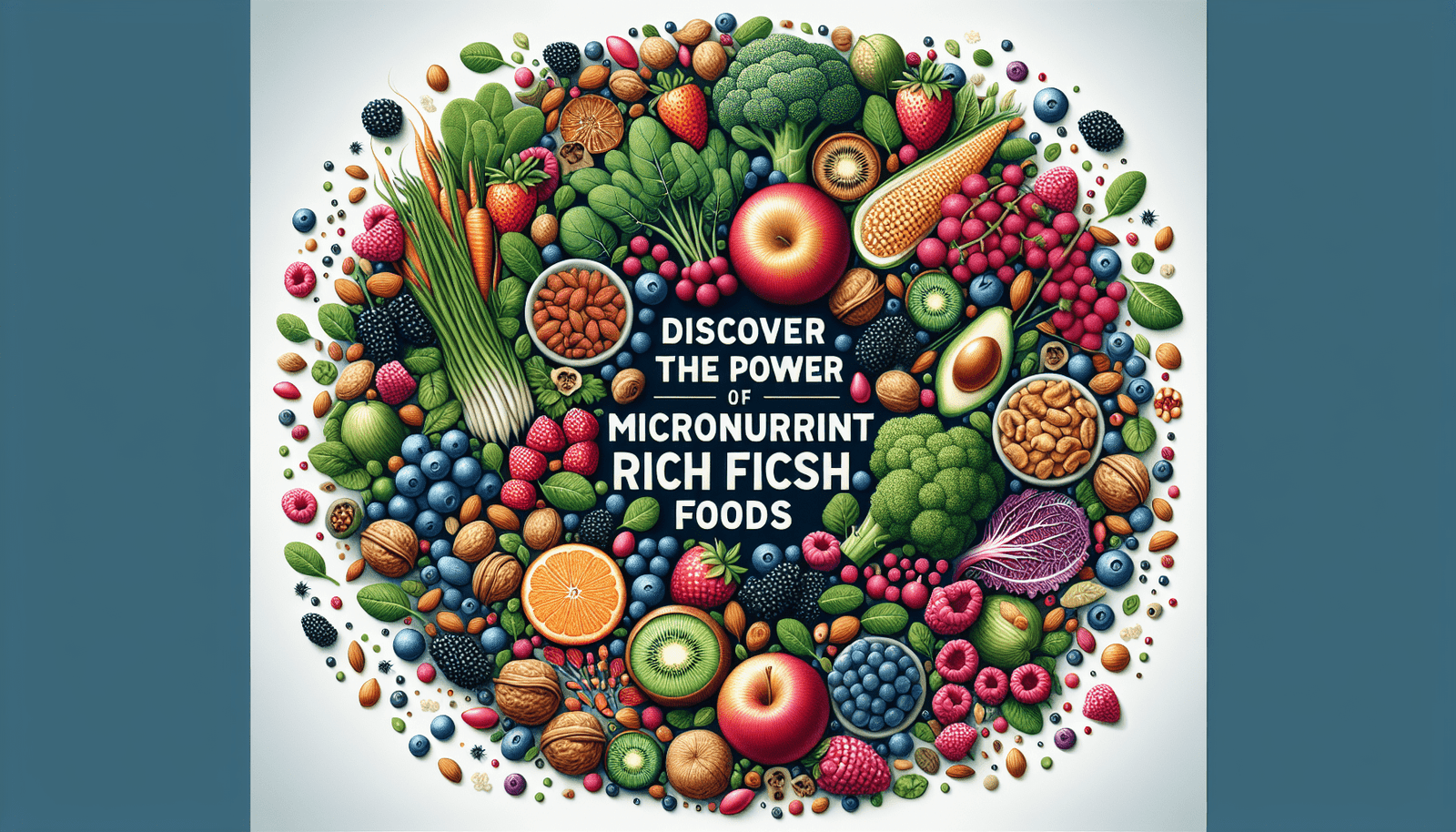
Discover the Power of Micronutrient-Rich Foods

Discover the Power of Micronutrient-Rich Foods

Hello there! Are you looking to boost your overall health and well-being? Look no further than micronutrient-rich foods. These powerful foods are packed with essential vitamins and minerals that can help support your immune system, improve your energy levels, and enhance your overall vitality. In this article, we will explore the benefits of incorporating micronutrient-rich foods into your daily diet and how they can positively impact your health. Let’s dive in and discover the power of micronutrient-rich foods together!

Discover the Power of Micronutrient-Rich Foods

Have you ever wondered how the food you eat impacts your overall health and well-being? In this article, you will explore the incredible benefits of consuming micronutrient-rich foods. From vibrant fruits and vegetables to nutrient-dense seeds and nuts, you will uncover the key to optimal health and vitality. Let’s dive in and discover the power of micronutrient-rich foods!

Discover the Power of Micronutrient-Rich Foods

What Are Micronutrients?

Before we delve into the world of micronutrient-rich foods, let’s first understand what micronutrients are. Micronutrients are essential vitamins and minerals that are required by the body in small amounts to function properly. While macronutrients such as carbohydrates, proteins, and fats provide the body with energy, micronutrients play a crucial role in various physiological processes, including metabolism, immune function, and cell growth.

Micronutrients can be divided into two categories: vitamins and minerals. Vitamins are organic compounds that are necessary for normal growth and development, while minerals are inorganic elements that are vital for a wide range of bodily functions. Consuming a variety of micronutrient-rich foods is essential to ensure you are meeting your body’s daily requirements.

Discover the Power of Micronutrient-Rich Foods

The Benefits of Micronutrients

Now that you understand the importance of micronutrients let’s explore the incredible benefits they offer. Micronutrients play a crucial role in supporting overall health and well-being, from promoting a strong immune system to maintaining healthy skin and hair. By incorporating a variety of micronutrient-rich foods into your diet, you can experience a wide range of benefits that will enhance your quality of life.

Supports Immune Function

One of the key benefits of consuming micronutrient-rich foods is the support they provide to your immune system. Vitamins such as vitamin C, vitamin D, and zinc play a vital role in boosting immunity and defending the body against infections and diseases. By regularly consuming foods rich in these micronutrients, you can strengthen your immune response and reduce the risk of falling ill.

Promotes Healthy Skin and Hair

Micronutrients also play a significant role in promoting healthy skin and hair. Vitamins such as vitamin A, vitamin E, and biotin are essential for maintaining healthy skin cells and promoting hair growth. By incorporating foods rich in these micronutrients into your diet, you can achieve glowing skin and luscious locks that radiate health and vitality.

Discover the Power of Micronutrient-Rich Foods

Micronutrient-Rich Foods to Include in Your Diet

Now that you understand the benefits of micronutrients, it’s time to explore the variety of foods that are rich in these essential vitamins and minerals. From colorful fruits and vegetables to nutrient-dense seeds and nuts, there are countless options to choose from that will help you meet your body’s daily requirements. Let’s take a closer look at some micronutrient-rich foods to include in your diet.

Food Micronutrient Content
Spinach Iron, Vitamin A, Vitamin K
Blueberries Vitamin C, Fiber, Antioxidants
Almonds Vitamin E, Magnesium, Healthy Fats
Salmon Omega-3 Fatty Acids, Protein, Vitamin D
Avocado Potassium, Vitamin E, Healthy Fats

Leafy Greens

Leafy greens such as spinach, kale, and Swiss chard are excellent sources of micronutrients, including iron, vitamin A, and vitamin K. These nutrient-packed greens are high in antioxidants and fiber, making them a valuable addition to any diet. Incorporating leafy greens into your meals can help boost your energy levels and support overall health.

Berries

Berries such as blueberries, strawberries, and raspberries are rich in vitamin C, fiber, and antioxidants. These vibrant fruits are not only delicious but also offer a wide range of health benefits. From supporting heart health to improving cognitive function, berries are a fantastic way to add sweetness and nutrients to your diet.

Nuts and Seeds

Nuts and seeds, such as almonds, chia seeds, and flaxseeds, are excellent sources of essential micronutrients. Almonds are rich in vitamin E, magnesium, and healthy fats, while chia seeds and flaxseeds are packed with omega-3 fatty acids and fiber. Including a variety of nuts and seeds in your diet can help support brain health, reduce inflammation, and promote healthy digestion.

Fatty Fish

Fatty fish such as salmon, mackerel, and sardines are loaded with omega-3 fatty acids, protein, and vitamin D. These nutrient-dense fish offer a wide range of health benefits, including supporting heart health, reducing inflammation, and promoting brain function. Incorporating fatty fish into your diet a few times a week can have a significant impact on your overall well-being.

Avocado

Avocado is a unique fruit that is rich in potassium, vitamin E, and healthy fats. This creamy fruit is a versatile ingredient that can be enjoyed in salads, sandwiches, smoothies, and more. Avocado offers numerous health benefits, including supporting heart health, reducing inflammation, and promoting healthy skin and hair. Adding avocado to your meals is a delicious way to increase your intake of essential micronutrients.

Discover the Power of Micronutrient-Rich Foods

Tips for Incorporating Micronutrient-Rich Foods Into Your Diet

Now that you are familiar with the variety of micronutrient-rich foods available, let’s discuss some tips on how to incorporate them into your daily diet. By making simple changes to your eating habits, you can enjoy the incredible benefits of micronutrients and improve your overall health.

Plan Your Meals

One of the best ways to ensure you are consuming an adequate amount of micronutrient-rich foods is to plan your meals in advance. Take the time to create a weekly meal plan that includes a variety of fruits, vegetables, nuts, seeds, and lean proteins. Planning your meals ahead of time can help you make healthier choices and avoid reaching for processed and unhealthy foods.

Snack Smart

Snacking can be a great way to increase your intake of micronutrients throughout the day. Instead of reaching for sugary or salty snacks, opt for nutrient-dense options such as fresh fruit, raw vegetables, or mixed nuts. Keeping healthy snacks on hand can help curb cravings and provide your body with essential vitamins and minerals to keep you energized and satisfied.

Experiment with New Recipes

Trying out new recipes is a fun and exciting way to incorporate micronutrient-rich foods into your diet. Look for creative and nutritious recipes that feature a variety of fruits, vegetables, nuts, and seeds. Experimenting with different flavors and ingredients can help you discover delicious ways to enjoy micronutrient-rich foods while expanding your culinary skills.

Stay Hydrated

Hydration is essential for overall health and well-being, as it helps transport nutrients to cells and flush out toxins from the body. Drinking an adequate amount of water throughout the day can help support optimal digestion, metabolism, and nutrient absorption. Aim to drink at least eight glasses of water daily and consider adding hydrating foods such as cucumbers, watermelon, and citrus fruits to your meals.

Listen to Your Body

Everyone’s nutritional needs are unique, so it’s essential to listen to your body and pay attention to how different foods make you feel. Pay close attention to how your body responds to certain foods and adjust your diet accordingly. If you notice any negative reactions or symptoms after consuming specific foods, consider eliminating them from your diet and focusing on foods that make you feel your best.

Discover the Power of Micronutrient-Rich Foods

Final Thoughts

In conclusion, incorporating micronutrient-rich foods into your diet is a powerful way to support your overall health and well-being. By consuming a variety of fruits, vegetables, nuts, seeds, and lean proteins, you can provide your body with essential vitamins and minerals that will enhance your vitality and longevity. Remember to plan your meals, snack smart, experiment with new recipes, stay hydrated, and listen to your body to ensure you are meeting your body’s daily requirements for optimal health. Embrace the power of micronutrient-rich foods and nourish your body from the inside out for a vibrant and fulfilling life.