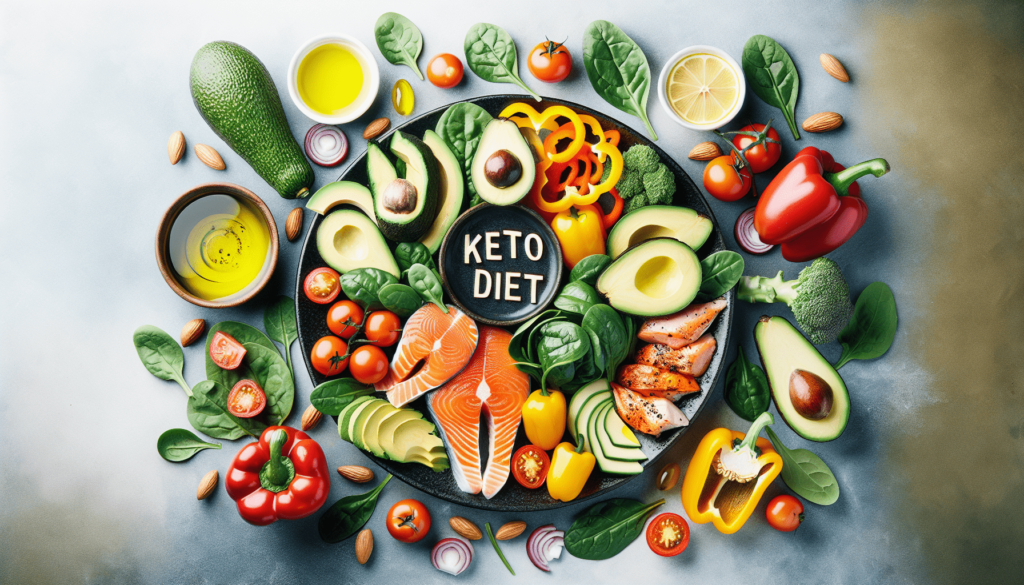
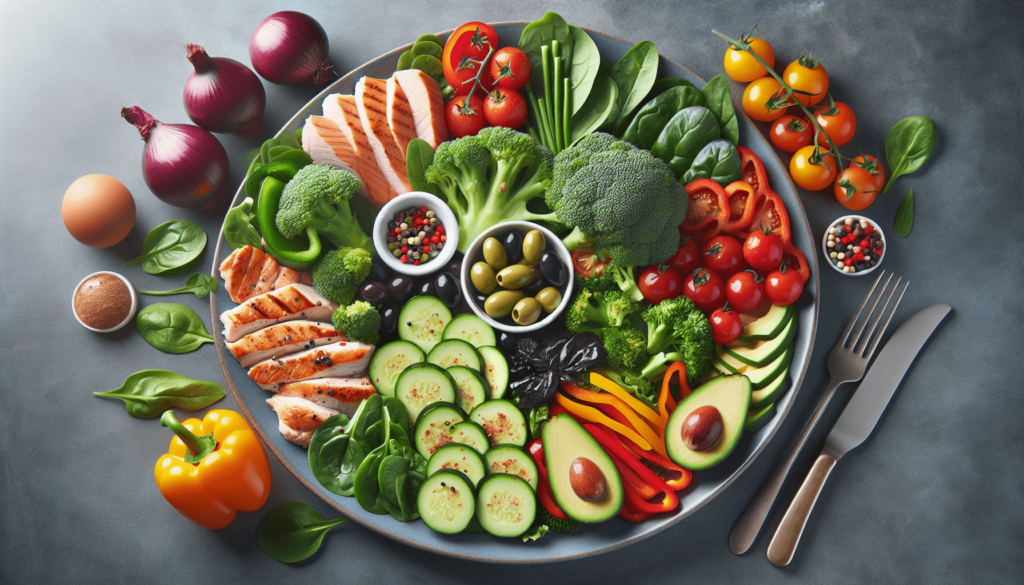
Welcome to your guide on keto-friendly vegetables! Whether you’re just starting out on the ketogenic diet or looking to incorporate more low-carb veggies into your meals, this article will provide you with a comprehensive list of vegetables that are perfect for staying in ketosis. From leafy greens to cruciferous vegetables, you’ll discover the best options to help you maintain your ketogenic lifestyle while still enjoying a variety of delicious and nutritious foods. Let’s dive in and explore the wonderful world of keto-friendly vegetables together!
A Guide to Keto-Friendly Vegetables
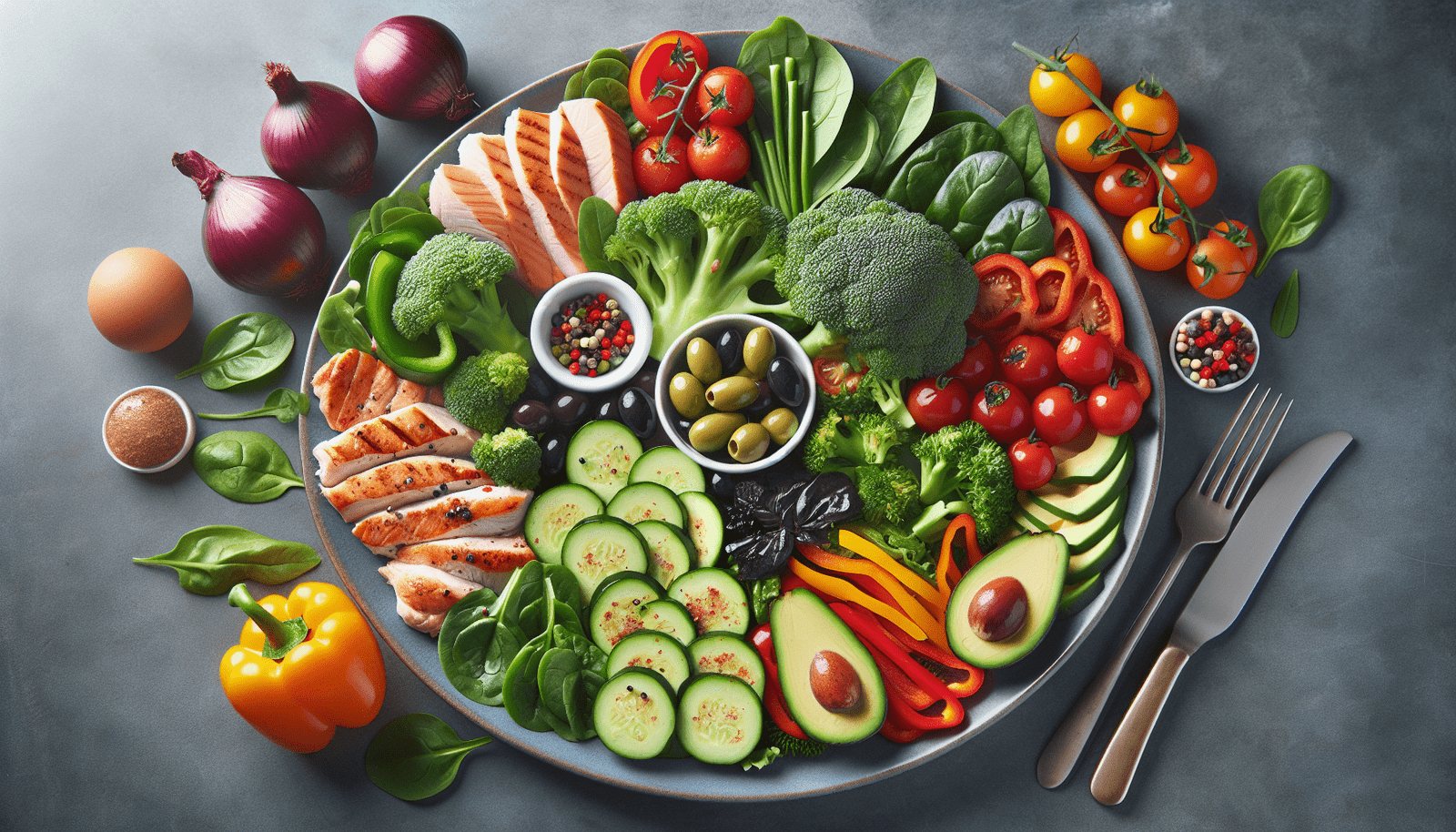
Are you following a keto diet and looking to incorporate more vegetables into your meals? Are you wondering which vegetables are low in carbs and high in nutrients? Look no further! In this guide, you will find a comprehensive list of keto-friendly vegetables to help you stay on track with your ketogenic lifestyle.
What is a Keto-Friendly Vegetable?
Before we dive into our list of keto-friendly vegetables, let’s first clarify what makes a vegetable suitable for a ketogenic diet. In general, keto-friendly vegetables are low in carbohydrates and high in fiber and nutrients. These vegetables typically have a low glycemic index, which means they have a minimal impact on blood sugar levels. Incorporating these vegetables into your meals can help you stay within your daily carb limit while providing essential vitamins and minerals.
Leafy Greens
Leafy greens are a staple in any keto diet due to their low carb content and high nutrient density. These vegetables are rich in vitamins A, C, and K, as well as minerals like iron and calcium. Some popular leafy greens to include in your keto meals are:
Spinach
Kale
Swiss chard
Romaine lettuce
Arugula
Adding leafy greens to salads, omelets, and stir-fries can boost the nutrient content of your meals without adding significant carbs.
Cruciferous Vegetables
Cruciferous vegetables are another excellent choice for keto dieters as they are low in carbs and high in fiber. These vegetables also contain compounds that have anti-inflammatory and antioxidant properties. Some keto-friendly cruciferous vegetables include:
Broccoli
Cauliflower
Brussels sprouts
Cabbage
Bok choy
Roasting or sautéing cruciferous vegetables with olive oil and seasonings can enhance their flavor while keeping your carb intake in check.
Avocado
While technically a fruit, avocado is often considered a vegetable in culinary terms and is a must-have for keto enthusiasts. Avocados are high in healthy fats, fiber, and potassium, making them an excellent addition to keto meals. You can enjoy avocado slices on top of salads, as a spread on keto bread, or blended into creamy smoothies.
Keto-Friendly Vegetables to Enjoy in Moderation
While the vegetables mentioned above are excellent choices for a keto diet, there are some vegetables that should be consumed in moderation due to their slightly higher carb content. These vegetables can still be included in your meals but should be portioned carefully to avoid exceeding your daily carb limit.
Bell Peppers
Bell peppers are flavorful and colorful additions to keto meals, but they contain more carbs than leafy greens or cruciferous vegetables. Red, yellow, and orange bell peppers are slightly higher in natural sugars than green bell peppers, so it’s best to enjoy them in moderation. You can use bell peppers in omelets, fajitas, or stuffed with ground meat and cheese for a delicious keto-friendly meal.
Zucchini
Zucchini is a versatile vegetable that can be spiralized into noodles, grilled as a side dish, or baked into keto-friendly bread and muffins. While zucchini is relatively low in carbs, it is still higher in carbs compared to leafy greens and cruciferous vegetables. Enjoy zucchini in moderation to avoid exceeding your daily carb limit.
Tomatoes
Tomatoes are a controversial vegetable in the keto community due to their slightly higher carb content. While tomatoes are rich in vitamins and antioxidants, they contain more natural sugars than other keto-friendly vegetables. If you choose to include tomatoes in your meals, opt for cherry tomatoes or sun-dried tomatoes, which are lower in carbs than regular tomatoes.
Vegetables to Limit on a Keto Diet
While most vegetables can be included in a ketogenic diet in moderation, there are a few high-carb vegetables that should be limited or avoided altogether. These vegetables are significantly higher in carbs and can quickly add up, pushing you out of ketosis if consumed in large quantities.
Carrots
Carrots are naturally sweet and contain a higher sugar content compared to other vegetables, making them less keto-friendly. While a small serving of carrots can be enjoyed occasionally, it’s best to limit your intake to stay within your daily carb limit.
Potatoes
Potatoes, including white potatoes, sweet potatoes, and yams, are high in starch and carbs, making them unsuitable for a keto diet. These vegetables are best avoided on a ketogenic meal plan to maintain a state of ketosis and promote fat burning.
Corn
Corn is another high-carb vegetable that should be avoided on a keto diet. Whether fresh, canned, or frozen, corn contains a significant amount of starch and sugars, which can hinder your progress on a ketogenic diet. Instead of corn, opt for lower-carb alternatives like cauliflower or bell peppers.
How to Incorporate Keto-Friendly Vegetables Into Your Meals
Now that you have a list of keto-friendly vegetables to choose from, it’s time to get creative in the kitchen and incorporate these veggies into your meals. Here are some tips on how to make the most of your keto-friendly vegetables:
Meal Prep
Prepping your veggies ahead of time can save you time and make it easier to stay on track with your keto diet. Wash, chop, and portion out your vegetables at the beginning of the week so you can easily add them to meals throughout the week.
Roasting and Sautéing
Roasting and sautéing vegetables can enhance their flavor and texture without adding extra carbs. Drizzle olive oil over your veggies, sprinkle with seasonings like garlic powder and paprika, and roast in the oven until crispy and caramelized.
Spiralizing
If you’re craving pasta but want to stick to your keto diet, consider spiralizing zucchini or yellow squash into noodles. Top your veggie noodles with keto-friendly sauces like pesto or marinara for a satisfying and low-carb meal.
Blending
Incorporate leafy greens like spinach and kale into smoothies for a nutrient-packed breakfast or snack. Blend greens with avocado, unsweetened almond milk, and a scoop of protein powder for a delicious and filling smoothie that will keep you satisfied.
Conclusion
In conclusion, incorporating keto-friendly vegetables into your meals is an essential part of maintaining a healthy and balanced ketogenic diet. By choosing low-carb, nutrient-dense vegetables like leafy greens, cruciferous vegetables, and avocado, you can stay within your daily carb limit while reaping the benefits of essential vitamins and minerals. Remember to enjoy vegetables in moderation, be mindful of higher-carb options, and get creative in the kitchen with different cooking methods and recipes to keep your meals exciting and flavorful. Here’s to happy and healthy eating on your keto journey!
Hello there! Are you looking to boost your overall health and well-being? Look no further than micronutrient-rich foods. These powerful foods are packed with essential vitamins and minerals that can help support your immune system, improve your energy levels, and enhance your overall vitality. In this article, we will explore the benefits of incorporating micronutrient-rich foods into your daily diet and how they can positively impact your health. Let’s dive in and discover the power of micronutrient-rich foods together!
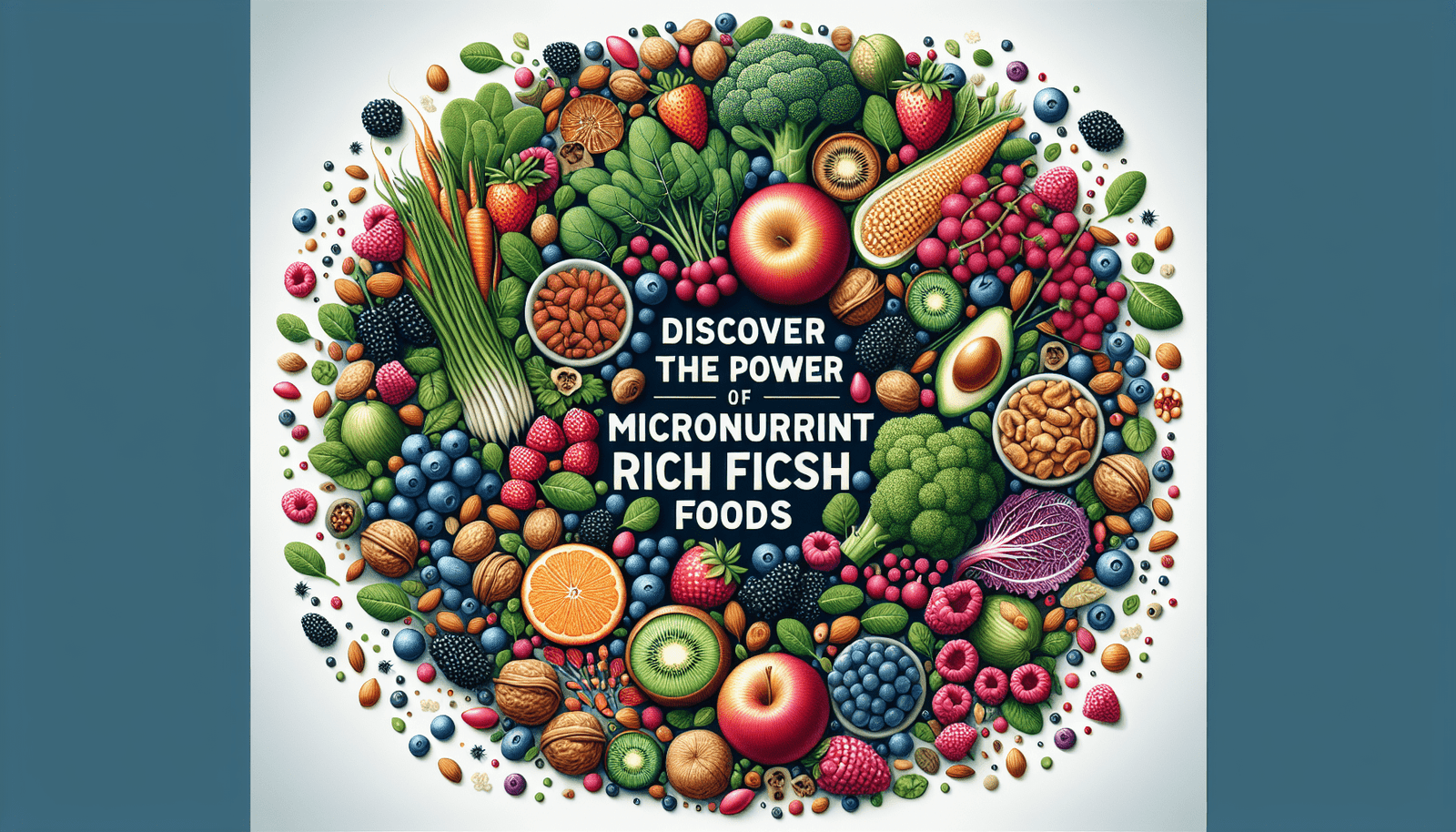
Discover the Power of Micronutrient-Rich Foods
Have you ever wondered how the food you eat impacts your overall health and well-being? In this article, you will explore the incredible benefits of consuming micronutrient-rich foods. From vibrant fruits and vegetables to nutrient-dense seeds and nuts, you will uncover the key to optimal health and vitality. Let’s dive in and discover the power of micronutrient-rich foods!
What Are Micronutrients?
Before we delve into the world of micronutrient-rich foods, let’s first understand what micronutrients are. Micronutrients are essential vitamins and minerals that are required by the body in small amounts to function properly. While macronutrients such as carbohydrates, proteins, and fats provide the body with energy, micronutrients play a crucial role in various physiological processes, including metabolism, immune function, and cell growth.
Micronutrients can be divided into two categories: vitamins and minerals. Vitamins are organic compounds that are necessary for normal growth and development, while minerals are inorganic elements that are vital for a wide range of bodily functions. Consuming a variety of micronutrient-rich foods is essential to ensure you are meeting your body’s daily requirements.
The Benefits of Micronutrients
Now that you understand the importance of micronutrients let’s explore the incredible benefits they offer. Micronutrients play a crucial role in supporting overall health and well-being, from promoting a strong immune system to maintaining healthy skin and hair. By incorporating a variety of micronutrient-rich foods into your diet, you can experience a wide range of benefits that will enhance your quality of life.
Supports Immune Function
One of the key benefits of consuming micronutrient-rich foods is the support they provide to your immune system. Vitamins such as vitamin C, vitamin D, and zinc play a vital role in boosting immunity and defending the body against infections and diseases. By regularly consuming foods rich in these micronutrients, you can strengthen your immune response and reduce the risk of falling ill.
Promotes Healthy Skin and Hair
Micronutrients also play a significant role in promoting healthy skin and hair. Vitamins such as vitamin A, vitamin E, and biotin are essential for maintaining healthy skin cells and promoting hair growth. By incorporating foods rich in these micronutrients into your diet, you can achieve glowing skin and luscious locks that radiate health and vitality.
Micronutrient-Rich Foods to Include in Your Diet
Now that you understand the benefits of micronutrients, it’s time to explore the variety of foods that are rich in these essential vitamins and minerals. From colorful fruits and vegetables to nutrient-dense seeds and nuts, there are countless options to choose from that will help you meet your body’s daily requirements. Let’s take a closer look at some micronutrient-rich foods to include in your diet.
Food
Micronutrient Content
Spinach
Iron, Vitamin A, Vitamin K
Blueberries
Vitamin C, Fiber, Antioxidants
Almonds
Vitamin E, Magnesium, Healthy Fats
Salmon
Omega-3 Fatty Acids, Protein, Vitamin D
Avocado
Potassium, Vitamin E, Healthy Fats
Leafy Greens
Leafy greens such as spinach, kale, and Swiss chard are excellent sources of micronutrients, including iron, vitamin A, and vitamin K. These nutrient-packed greens are high in antioxidants and fiber, making them a valuable addition to any diet. Incorporating leafy greens into your meals can help boost your energy levels and support overall health.
Berries
Berries such as blueberries, strawberries, and raspberries are rich in vitamin C, fiber, and antioxidants. These vibrant fruits are not only delicious but also offer a wide range of health benefits. From supporting heart health to improving cognitive function, berries are a fantastic way to add sweetness and nutrients to your diet.
Nuts and Seeds
Nuts and seeds, such as almonds, chia seeds, and flaxseeds, are excellent sources of essential micronutrients. Almonds are rich in vitamin E, magnesium, and healthy fats, while chia seeds and flaxseeds are packed with omega-3 fatty acids and fiber. Including a variety of nuts and seeds in your diet can help support brain health, reduce inflammation, and promote healthy digestion.
Fatty Fish
Fatty fish such as salmon, mackerel, and sardines are loaded with omega-3 fatty acids, protein, and vitamin D. These nutrient-dense fish offer a wide range of health benefits, including supporting heart health, reducing inflammation, and promoting brain function. Incorporating fatty fish into your diet a few times a week can have a significant impact on your overall well-being.
Avocado
Avocado is a unique fruit that is rich in potassium, vitamin E, and healthy fats. This creamy fruit is a versatile ingredient that can be enjoyed in salads, sandwiches, smoothies, and more. Avocado offers numerous health benefits, including supporting heart health, reducing inflammation, and promoting healthy skin and hair. Adding avocado to your meals is a delicious way to increase your intake of essential micronutrients.
Tips for Incorporating Micronutrient-Rich Foods Into Your Diet
Now that you are familiar with the variety of micronutrient-rich foods available, let’s discuss some tips on how to incorporate them into your daily diet. By making simple changes to your eating habits, you can enjoy the incredible benefits of micronutrients and improve your overall health.
Plan Your Meals
One of the best ways to ensure you are consuming an adequate amount of micronutrient-rich foods is to plan your meals in advance. Take the time to create a weekly meal plan that includes a variety of fruits, vegetables, nuts, seeds, and lean proteins. Planning your meals ahead of time can help you make healthier choices and avoid reaching for processed and unhealthy foods.
Snack Smart
Snacking can be a great way to increase your intake of micronutrients throughout the day. Instead of reaching for sugary or salty snacks, opt for nutrient-dense options such as fresh fruit, raw vegetables, or mixed nuts. Keeping healthy snacks on hand can help curb cravings and provide your body with essential vitamins and minerals to keep you energized and satisfied.
Experiment with New Recipes
Trying out new recipes is a fun and exciting way to incorporate micronutrient-rich foods into your diet. Look for creative and nutritious recipes that feature a variety of fruits, vegetables, nuts, and seeds. Experimenting with different flavors and ingredients can help you discover delicious ways to enjoy micronutrient-rich foods while expanding your culinary skills.
Stay Hydrated
Hydration is essential for overall health and well-being, as it helps transport nutrients to cells and flush out toxins from the body. Drinking an adequate amount of water throughout the day can help support optimal digestion, metabolism, and nutrient absorption. Aim to drink at least eight glasses of water daily and consider adding hydrating foods such as cucumbers, watermelon, and citrus fruits to your meals.
Listen to Your Body
Everyone’s nutritional needs are unique, so it’s essential to listen to your body and pay attention to how different foods make you feel. Pay close attention to how your body responds to certain foods and adjust your diet accordingly. If you notice any negative reactions or symptoms after consuming specific foods, consider eliminating them from your diet and focusing on foods that make you feel your best.
Final Thoughts
In conclusion, incorporating micronutrient-rich foods into your diet is a powerful way to support your overall health and well-being. By consuming a variety of fruits, vegetables, nuts, seeds, and lean proteins, you can provide your body with essential vitamins and minerals that will enhance your vitality and longevity. Remember to plan your meals, snack smart, experiment with new recipes, stay hydrated, and listen to your body to ensure you are meeting your body’s daily requirements for optimal health. Embrace the power of micronutrient-rich foods and nourish your body from the inside out for a vibrant and fulfilling life.
Looking to kickstart your day with a healthy and delicious breakfast that aligns with your keto diet goals? Look no further! In this article, we have compiled a collection of mouthwatering keto breakfast recipes that will satisfy your cravings and keep you on track. From fluffy, low-carb pancakes to savory egg muffins, these recipes are not only easy to make but also incredibly satisfying. So, grab your apron and get ready to whip up some deliciousness that will leave you feeling energized and ready to conquer the day!
Egg-based Recipes
Easy Keto Scrambled Eggs
Starting your day with a protein-packed breakfast is a great way to stay on track with your keto diet. Easy Keto Scrambled Eggs are a simple and delicious option that you can whip up in no time. Just crack a few eggs into a bowl, whisk them together, and cook them in a skillet with some melted butter or coconut oil. You can customize your scrambled eggs by adding cheese, herbs, or cooked bacon for extra flavor.
Cheesy Bacon Egg Muffins
If you’re looking for a grab-and-go breakfast option, Cheesy Bacon Egg Muffins are the answer. These little muffins are filled with scrambled eggs, crispy bacon, and shredded cheese, making them a high-protein and low-carb breakfast option. They are easy to make ahead of time and can be reheated in the morning for a quick and satisfying meal.
Spinach and Feta Omelette
For a more filling and nutritious breakfast, try a Spinach and Feta Omelette. This recipe combines fluffy eggs with sautéed spinach and tangy feta cheese for a flavorful and satisfying meal. Spinach is a great source of iron and vitamins, while feta cheese adds a delicious salty kick. Serve your omelette with some sliced avocado or a side of crispy bacon for a complete keto breakfast.
Smoothies and Shakes
Avocado Berry Smoothie
Smoothies are a great way to start your day on a refreshing note, and the Avocado Berry Smoothie is no exception. Packed with healthy fats from avocado and antioxidants from berries, this smoothie will keep you feeling satisfied and energized. Simply blend together avocado, your favorite berries, unsweetened almond milk, and a scoop of protein powder if desired. It’s a delicious and nutritious way to kick-start your keto morning.
Chocolate Almond Butter Shake
If you’re craving something indulgent for breakfast, the Chocolate Almond Butter Shake is the perfect choice. This creamy and chocolaty shake combines almond butter, unsweetened cocoa powder, unsweetened almond milk, and a scoop of low-carb protein powder. It’s like having dessert for breakfast, but without the guilt. This shake will keep you full and satisfied until lunchtime.
Green Power Smoothie
For a vibrant and nutrient-packed breakfast, try the Green Power Smoothie. This refreshing smoothie is packed with leafy greens like spinach or kale, along with cucumber, avocado, lemon juice, and a splash of unsweetened almond milk. It’s a great way to incorporate more greens into your diet and boost your energy levels in the morning. Feel free to add a scoop of protein powder for an extra protein boost.
Low Carb Pancakes and Waffles
Fluffy Coconut Flour Pancakes
Who said you can’t have pancakes on a keto diet? Fluffy Coconut Flour Pancakes are a delicious and low-carb alternative to traditional pancakes. Made with coconut flour, eggs, and unsweetened almond milk, these pancakes are fluffy, filling, and full of flavor. Top them with a dollop of sugar-free whipped cream and a drizzle of sugar-free syrup for a decadent keto breakfast treat.
Crispy Bacon Cheddar Waffles
For a savory twist on breakfast, try Crispy Bacon Cheddar Waffles. These cheesy and bacon-filled waffles are made with almond flour and seasoned with garlic powder and onion powder for extra flavor. They’re the perfect combination of crispy, cheesy, and savory, making them a great option for those who prefer a savory breakfast over a sweet one.
Blueberry Almond Flour Pancakes
If you love blueberries, then Blueberry Almond Flour Pancakes will become your new favorite breakfast. These pancakes are made with almond flour, eggs, and a handful of fresh blueberries. The almond flour adds a rich and nutty flavor, while the blueberries provide a burst of sweetness. Enjoy these pancakes with a pat of butter and a sprinkle of powdered erythritol for a guilt-free breakfast.
Breakfast Casseroles
Sausage and Egg Casserole
Breakfast casseroles are a great choice when you have a group of people to feed or when you want to have leftovers for the week. The Sausage and Egg Casserole is a classic option that never disappoints. It’s made with cooked sausage, eggs, shredded cheese, and spinach or any other vegetables you like. Simply mix everything together, pour it into a baking dish, and bake until golden and bubbly. It’s a hearty and flavorful breakfast that will keep you satisfied all morning.
Vegetable and Cheese Breakfast Bake
If you’re looking for a meatless option, the Vegetable and Cheese Breakfast Bake is a great choice. This versatile casserole can be customized with your favorite vegetables, such as bell peppers, broccoli, or mushrooms. Simply sauté the vegetables, mix them with beaten eggs and shredded cheese, and bake until golden and set. This breakfast bake is not only delicious but also a great way to incorporate more veggies into your morning routine.
Ham and Broccoli Casserole
For a protein-packed and veggie-filled breakfast, try the Ham and Broccoli Casserole. This casserole combines diced ham, steamed broccoli, and shredded cheese with eggs and creamy dairy of your choice. Bake until the eggs are set and the cheese is melted and golden. It’s a delicious and nutritious way to start your day and keep you fueled until lunchtime.
Keto-friendly Granola and Cereal
Homemade Keto Granola
If you miss having crunchy cereal for breakfast, try making your own Homemade Keto Granola. This simple recipe combines a mix of nuts, seeds, and coconut flakes, tossed with melted butter or coconut oil and a touch of sweetener such as stevia or erythritol. Bake until golden and crispy, stirring occasionally to prevent burning. Serve it with unsweetened almond milk or full-fat Greek yogurt for a satisfying and crunchy breakfast option.
Crunchy Cinnamon Toast Cereal
For a nostalgic and cereal-inspired breakfast, the Crunchy Cinnamon Toast Cereal is a must-try. Made with a combination of almond flour, ground flaxseed, and cinnamon, this cereal is packed with healthy fats and fiber. Simply mix the dry ingredients with melted butter and a low-carb sweetener, then spread the mixture on a lined baking sheet and bake until crispy. Enjoy with unsweetened almond milk or eat it by the handful for a delicious and satisfying breakfast.
Coconut Chia Pudding
If you prefer a more creamy and pudding-like breakfast, Coconut Chia Pudding is a great option. Chia seeds are a great source of fiber and healthy fats, and when combined with coconut milk, they create a rich and creamy pudding. Simply mix chia seeds, coconut milk, and your choice of sweetener in a jar or bowl, then let it sit in the fridge overnight. In the morning, your pudding will be ready to enjoy. Top it with some fresh berries or a dollop of sugar-free whipped cream for a delightful keto breakfast treat.
Muffins and Scones
Almond Flour Blueberry Muffins
Muffins are always a crowd-pleaser, and Almond Flour Blueberry Muffins are no exception. Made with almond flour, eggs, and fresh blueberries, these muffins are moist and bursting with flavor. They’re perfect for a grab-and-go breakfast or as a snack throughout the day. Enjoy them warm or at room temperature, and feel free to customize the recipe with your favorite add-ins like chopped nuts or a sprinkle of cinnamon.
Cheddar Bacon Biscuits
For a savory breakfast option, Cheddar Bacon Biscuits are a tasty choice. These cheesy and bacon-filled biscuits are made with almond flour and seasoned with garlic powder and onion powder for extra flavor. Serve them on their own or as a side to a hearty breakfast casserole. They’re great for meal prepping too, as they can be made ahead of time and stored in the fridge or freezer for future breakfasts.
Lemon Poppy Seed Scones
If you’re looking for a breakfast treat with a tangy twist, Lemon Poppy Seed Scones are a must-try. Made with almond flour, eggs, and fresh lemon zest, these scones are light, fragrant, and full of flavor. The poppy seeds add a delightful crunch, while the lemon glaze adds an extra burst of citrusy sweetness. Enjoy these scones with a cup of hot tea or coffee for a delightful and relaxing morning.
Avocado Toast and Wraps
Avocado and Bacon Toast
Avocado toast has become a breakfast staple, and for good reason. It’s quick, easy, and packed with healthy fats. To make the ultimate Avocado and Bacon Toast, simply toast a slice of keto-friendly bread, spread mashed avocado on top, and sprinkle with cooked and crumbled bacon. It’s a satisfying and delicious combination that will keep you fueled until lunchtime.
Lettuce Wraps with Turkey and Cheese
If you’re looking for a low-carb alternative to traditional breakfast sandwiches, Lettuce Wraps with Turkey and Cheese are a great option. Simply layer slices of turkey, your favorite cheese, and any other fillings you desire on a large lettuce leaf. Roll it up and enjoy a protein-packed and refreshing breakfast wrap. You can also make these wraps ahead of time and take them on the go for a quick and easy breakfast option.
Smoked Salmon and Cream Cheese Wrap
For a more elegant and indulgent breakfast, try the Smoked Salmon and Cream Cheese Wrap. This wrap combines slices of smoked salmon, cream cheese, and thinly sliced cucumber on a large lettuce leaf or a keto-friendly tortilla. It’s a delicious and satisfying option that will make you feel like you’re having breakfast at a fancy café. The combination of flavors is truly irresistible.
Breakfast Bowls
Bacon and Egg Breakfast Bowl
Sometimes all you need for breakfast is a simple yet satisfying bowl of goodness. The Bacon and Egg Breakfast Bowl is exactly that. It combines crispy bacon, scrambled eggs, avocado slices, and a sprinkle of shredded cheese in a bowl. It’s a filling and protein-packed breakfast that will keep you energized and full until lunch. Feel free to top it with your favorite herbs or spices for extra flavor.
Sausage and Veggie Breakfast Bowl
For a well-rounded and veggie-filled breakfast, the Sausage and Veggie Breakfast Bowl is the way to go. This bowl combines cooked sausage crumbles with sautéed veggies like bell peppers, zucchini, and mushrooms. Top it with a fried egg or some shredded cheese for added richness. It’s a delicious and wholesome breakfast option that will keep you satisfied throughout the morning.
Greek Yogurt and Berries Bowl
If you prefer a lighter and refreshing breakfast, the Greek Yogurt and Berries Bowl is a great choice. Simply scoop some full-fat Greek yogurt into a bowl and top it with a handful of fresh berries like strawberries, blueberries, or raspberries. You can also add some chopped nuts or a drizzle of sugar-free syrup for extra crunch or sweetness. It’s a quick and easy breakfast option that you can enjoy at home or on the go.
Keto Smoothie Bowls
Chocolate Peanut Butter Smoothie Bowl
Smoothie bowls are a great way to enjoy a creamy and nutrient-packed breakfast. The Chocolate Peanut Butter Smoothie Bowl is a fan favorite. Made with unsweetened almond milk, cocoa powder, peanut butter, and a scoop of low-carb protein powder, this smoothie bowl tastes like a decadent dessert but is actually good for you. Top it with some chopped nuts, coconut flakes, and a drizzle of sugar-free chocolate syrup for a truly indulgent breakfast experience.
Raspberry Coconut Smoothie Bowl
For a fruity and refreshing breakfast, the Raspberry Coconut Smoothie Bowl is a great choice. This vibrant bowl combines frozen raspberries, unsweetened coconut milk, and a splash of vanilla extract for a burst of flavor. Blend everything together until smooth, then pour it into a bowl and top it with fresh berries, shredded coconut, and a sprinkle of chia seeds. It’s a beautiful and delicious way to start your day.
Matcha Green Tea Smoothie Bowl
For an antioxidant-rich and energizing breakfast, try the Matcha Green Tea Smoothie Bowl. Matcha is a powdered form of green tea that is packed with antioxidants and has a naturally bright green color. Combine it with unsweetened almond milk, a handful of spinach or kale, and a scoop of low-carb protein powder for a nutritious and delicious breakfast option. Top it with sliced banana or chopped nuts for added texture and flavor.
Quiches and Frittatas
Broccoli and Cheddar Quiche
Quiches and frittatas are versatile dishes that you can customize with your favorite ingredients. The Broccoli and Cheddar Quiche is a classic combination that never fails. Simply mix cooked broccoli florets, shredded cheddar cheese, and beaten eggs together, then pour the mixture into a pie crust or a lined baking dish. Bake until set and golden. It’s a delightful and flavorful breakfast option that can be enjoyed hot or cold.
Ham and Spinach Frittata
If you’re looking for a protein-packed and veggie-filled breakfast, try the Ham and Spinach Frittata. This dish combines diced ham, sautéed spinach, and shredded cheese with beaten eggs for a delicious and satisfying breakfast option. It’s great for meal prepping too, as it can be made ahead of time and stored in the fridge or freezer for quick and easy breakfasts throughout the week.
Mushroom and Goat Cheese Quiche
For a gourmet and flavorful breakfast, the Mushroom and Goat Cheese Quiche is a must-try. This quiche combines sautéed mushrooms, tangy goat cheese, and caramelized onions with beaten eggs, creating a savory and rich flavor profile. Bake it in a pie crust or a lined baking dish until golden and set. It’s a delicious and elegant breakfast option that will impress your taste buds.
In conclusion, starting your day with a delicious and satisfying breakfast is key to maintaining a successful keto diet. These breakfast recipes offer a wide variety of options to suit every taste and preference. From egg-based recipes to smoothies and shakes, low-carb pancakes and waffles, breakfast casseroles, keto-friendly granola and cereal, muffins and scones, avocado toast and wraps, breakfast bowls, keto smoothie bowls, and quiches and frittatas, there is something for everyone. With these recipes in your repertoire, you’ll never have to worry about finding a delicious and keto-friendly breakfast again. Happy cooking and happy keto breakfast!
Are you looking for an effective way to lose weight and improve your overall health? Look no further than the Keto Diet Eating Plan. This article will provide you with a comprehensive overview of what the keto diet entails and how it can benefit you. By following this low-carb, high-fat eating plan, you can achieve ketosis, a metabolic state that helps your body burn fat for energy instead of carbohydrates. Get ready to embark on a new and fulfilling journey towards a healthier you with the Keto Diet Eating Plan.
What is the Keto Diet?
Definition of the Keto Diet
The Keto Diet, also known as the ketogenic diet, is a high-fat, low-carbohydrate eating plan that has gained popularity in recent years. This diet involves reducing your intake of carbs while increasing your consumption of fats. By doing so, your body enters a state called ketosis, where it starts using stored fat as its primary fuel source instead of carbohydrates.
Purpose of the Keto Diet
The main purpose of the Keto Diet is to induce ketosis and shift your body’s metabolism from using glucose as an energy source to using ketones. This metabolic shift can promote weight loss, regulate blood sugar levels, and improve overall health. Additionally, the Keto Diet has been used for decades as a therapeutic approach for managing epilepsy in children.
How the Keto Diet Works
The Keto Diet works by drastically reducing your carb intake, typically to less than 50 grams per day. When your carb intake is limited, your body depletes its glycogen stores and turns to fat for energy. This fat is broken down into ketones in the liver, which are then used to fuel your body and brain. By entering a state of ketosis, your body becomes more efficient at burning fat and can lead to weight loss.
Benefits and Risks of the Keto Diet
The Keto Diet has various benefits, including weight loss, improved insulin sensitivity, reduced appetite, increased mental clarity, and a potential reduction in inflammation. Some studies also suggest that the Keto Diet may help manage certain medical conditions, such as type 2 diabetes and epilepsy.
However, it is important to note that the Keto Diet is not suitable for everyone, and there are potential risks involved. The initial transition into ketosis may cause side effects known as the “keto flu,” which can include fatigue, headache, and nausea. Additionally, the high-fat content of the diet may increase the risk of heart disease in some individuals. It is crucial to consult with a healthcare professional before starting the Keto Diet to determine if it is suitable for you.
Creating a Keto Diet Eating Plan
Understanding Macronutrients
Macronutrients are the three main components of your diet: carbohydrates, protein, and fats. Understanding how these macronutrients contribute to your overall diet is essential when creating a Keto Diet eating plan. On the Keto Diet, the goal is to consume around 70-75% of calories from fat, 20-25% from protein, and 5-10% from carbohydrates.
Determining Daily Caloric Intake
To create a Keto Diet eating plan, it is important to determine your daily caloric intake. This can be calculated using various online calculators or by consulting a registered dietitian. Factors such as age, gender, weight, height, and activity level should be taken into consideration when calculating your caloric needs.
Setting Macro Goals
Once you have determined your daily caloric intake, you can set macro goals based on the recommended macronutrient ratios for the Keto Diet. This involves calculating the grams of fat, protein, and carbs you should aim for each day. For example, if your daily caloric intake is 2000 calories, you would aim for approximately 150 grams of fat, 100 grams of protein, and 25 grams of carbohydrates.
Foods to Include in a Keto Diet
A Keto Diet should primarily focus on foods that are low in carbohydrates and high in healthy fats. Some foods that are suitable for a Keto Diet include:
Low-carb vegetables: Leafy greens, broccoli, cauliflower, zucchini, and bell peppers.
Meat and poultry: Beef, chicken, turkey, and lamb.
Fish and seafood: Salmon, tuna, shrimp, and mackerel.
Healthy fats: Avocado, olive oil, coconut oil, and butter.
Dairy products: Cheese, butter, cream, and full-fat yogurt.
Nuts and seeds: Almonds, walnuts, chia seeds, and flaxseeds.
Berries: Strawberries, blueberries, and raspberries.
Herbs and spices: Turmeric, basil, oregano, and cinnamon.
Foods to Avoid in a Keto Diet
On the Keto Diet, it is important to avoid foods that are high in carbohydrates and sugar. Some foods to avoid include:
Starchy vegetables: Potatoes, corn, peas, and butternut squash.
Grains and cereals: Wheat, rice, oats, and cereal.
Sugary foods and sweets: Candy, soda, ice cream, and desserts.
Processed and fast foods: Chips, cookies, fast food burgers, and french fries.
Trans fats and vegetable oils: Margarine, vegetable oil, and canola oil.
Meal Planning and Preparation
Meal planning and preparation are crucial for success on a Keto Diet. Planning your meals in advance can help ensure that you have the necessary ingredients on hand and prevent you from making impulsive food choices. Preparing meals in bulk and portioning them out can also save time and make it easier to stick to your Keto Diet. Additionally, having keto-friendly snacks available can prevent you from reaching for non-compliant foods when hunger strikes. Tracking and monitoring your food intake using smartphone apps or food journals can help you stay on track and make adjustments if needed.
Understanding Macronutrients
Carbohydrates
Carbohydrates are one of the three macronutrients and serve as the body’s primary source of energy. In the Keto Diet, carbohydrate intake is significantly reduced to induce ketosis. This means that foods high in carbohydrates, such as bread, pasta, and rice, should be limited or avoided. Instead, low-carb vegetables and small amounts of berries should be consumed.
Protein
Protein is essential for tissue repair, muscle growth, and various metabolic functions. On the Keto Diet, protein intake should be moderate, accounting for about 20-25% of your daily caloric intake. Good sources of protein include meat, poultry, fish, eggs, and dairy products. It is important to choose high-quality protein sources and avoid processed or breaded meats.
Fats
Fats are the primary source of fuel on the Keto Diet, providing energy and promoting satiety. Healthy fats, such as those found in avocados, nuts, and olive oil, should be emphasized. Saturated fats, which are found in coconut oil and butter, can also be included in moderation. However, it is important to limit the consumption of trans fats and vegetable oils, as they can increase the risk of heart disease.
Determining Daily Caloric Intake
Caloric Needs Calculation
Determining your daily caloric intake is essential in creating a Keto Diet eating plan. To calculate your approximate caloric needs, various formulas take into account factors such as age, gender, weight, height, and activity level. Consulting a registered dietitian or using online calculators can provide you with an estimate of your daily caloric needs.
Factors to Consider
When calculating your daily caloric intake for the Keto Diet, there are additional factors to consider. These include your goals, overall health, and any medical conditions you may have. If you are looking to lose weight, a calorie deficit may be necessary. However, it is important to be mindful of your body’s needs and ensure you are getting enough nutrients for optimal health.
Setting Macro Goals
Calculating Macronutrient Ratios
Setting macro goals involves determining the specific grams of fat, protein, and carbohydrates you should consume daily. These macronutrient ratios are typically followed on the Keto Diet:
Fat: 70-75% of total calories
Protein: 20-25% of total calories
Carbohydrates: 5-10% of total calories
To calculate your macro goals, you can use your daily caloric intake and the recommended percentages. For example, if your daily caloric intake is 2000 calories, your macro goals would be approximately 150 grams of fat, 100 grams of protein, and 25 grams of carbohydrates.
Adjusting Ratios for Individual Needs
It is important to note that the recommended macronutrient ratios may need to be adjusted based on individual needs and preferences. Some individuals may find that they tolerate slightly higher or lower carbohydrate intake while still maintaining ketosis. Experimenting with different ratios and monitoring the effects on your body can help you determine the optimal macro goals for your specific needs.
Foods to Include in a Keto Diet
Low-Carb Vegetables
Low-carb vegetables are a staple of the Keto Diet, as they provide essential vitamins, minerals, and fiber while containing minimal carbohydrates. Some examples of low-carb vegetables include leafy greens (spinach, kale, lettuce), cruciferous vegetables (broccoli, cauliflower, Brussels sprouts), and zucchini. These vegetables can be enjoyed in salads, stir-fries, or as side dishes.
Meat and Poultry
Meat and poultry are excellent sources of protein and healthy fats on the Keto Diet. Opt for grass-fed, organic, or pasture-raised meat whenever possible, as it tends to be higher in beneficial nutrients. Good choices include beef, chicken, turkey, pork, and lamb. It is important to avoid processed or breaded meats, as they often contain added sugars or fillers.
Fish and Seafood
Fish and seafood are not only rich in protein but also provide essential omega-3 fatty acids. Fatty fish like salmon, mackerel, and sardines are particularly beneficial. These seafood options can be grilled, baked, or pan-seared to create delicious keto-friendly meals. Avoid breading or high-carb sauces when preparing fish and seafood.
Healthy Fats
Healthy fats are a crucial part of the Keto Diet, as they provide energy and help you feel satiated. Incorporate foods high in healthy fats, such as avocados, olive oil, coconut oil, and butter, into your meals. These fats can be used for cooking, dressing salads, or added to smoothies. It is important to consume fats in moderation and not exceed your daily caloric goals.
Dairy Products
Dairy products can be included in a Keto Diet, but it is important to choose full-fat options and be mindful of their carb content. Good dairy choices include cheese, butter, cream, and full-fat yogurt. However, individuals with lactose intolerance or dairy allergies should avoid these products or opt for lactose-free alternatives.
Nuts and Seeds
Nuts and seeds are a convenient and portable snack option on the Keto Diet. They provide healthy fats, protein, and fiber. Good choices include almonds, walnuts, chia seeds, and flaxseeds. However, it is important to moderate your intake, as nuts and seeds can be high in calories. Stick to a handful of nuts or a tablespoon of seeds as a serving size.
Berries
While fruits are generally limited on the Keto Diet due to their high sugar content, some berries can be enjoyed in moderation. Berries such as strawberries, blueberries, and raspberries are relatively low in carbs and can add natural sweetness to your meals or snacks. Remember to account for their carbohydrate content when tracking your daily intake.
Herbs and Spices
Herbs and spices can enhance the flavor of your dishes while adding virtually no calories or carbohydrates. Incorporate herbs like basil, oregano, cilantro, and rosemary into your cooking. Spices such as turmeric, cayenne pepper, cinnamon, and ginger can add a kick of flavor. Experiment with different combinations to create delicious and satisfying Keto Diet meals.
Foods to Avoid in a Keto Diet
Starchy Vegetables
Starchy vegetables should be avoided on the Keto Diet due to their high carbohydrate content. Examples of starchy vegetables include potatoes, corn, peas, and butternut squash. These vegetables can significantly impact your daily carb intake and make it challenging to maintain ketosis. Instead, opt for non-starchy vegetables with fewer carbs and more fiber.
Grains and Cereals
Grains and cereals are high in carbohydrates and should be avoided on the Keto Diet. This includes wheat, rice, oats, barley, and all products made from these grains, such as bread, pasta, and cereal. Instead of these carb-heavy options, focus on incorporating low-carb alternatives like cauliflower rice or zucchini noodles.
Sugary Foods and Sweets
Sugary foods and sweets are obvious candidates to avoid on the Keto Diet. Candy, soda, ice cream, cookies, cakes, and other high-sugar treats should be strictly limited or eliminated altogether. These foods can cause blood sugar spikes and hinder your progress towards ketosis and weight loss. Instead, satisfy your sweet tooth with keto-friendly desserts made with natural sweeteners like stevia or erythritol.
Processed and Fast Foods
Processed and fast foods are typically high in unhealthy fats, added sugars, and hidden carbohydrates. Foods like chips, cookies, fast food burgers, and french fries should be avoided on the Keto Diet. These foods not only hinder weight loss but can also negatively impact your overall health. Instead, prioritize whole, unprocessed foods that are nutrient-dense.
Trans Fats and Vegetable Oils
Trans fats and vegetable oils should be avoided on the Keto Diet due to their detrimental effects on heart health. These fats are commonly found in margarine, vegetable oil, canola oil, and many processed and fried foods. Instead, opt for healthier fat options like avocados, olive oil, coconut oil, and grass-fed butter.
Meal Planning and Preparation
Weekly Meal Planning
Meal planning is a crucial step in successfully following the Keto Diet. Taking the time to plan your meals in advance can make grocery shopping easier and prevent you from making impulsive food choices. Start by creating a weekly meal plan that includes a variety of keto-friendly recipes and ingredients. This can help you stay on track and ensure you have all the necessary items on hand.
Prepping Meals in Advance
Meal prepping is a time-saving strategy that can make it easier to stick to your Keto Diet eating plan. By preparing meals in advance, you can avoid the temptation of reaching for unhealthy options when you are short on time or energy. Cook and portion out your meals for the week, storing them in individual containers for easy grab-and-go options. This can also help with portion control and monitoring your macronutrient ratios.
Keto-friendly Snack Options
Having keto-friendly snacks readily available can help you stay on track and prevent cravings for non-compliant foods. Some keto-friendly snack options include nuts, seeds, cheese, hard-boiled eggs, sliced avocado, and beef jerky. Keeping these snacks on hand at home, work, or while traveling can ensure you always have a healthy option to satisfy your hunger.
Eating Out on a Keto Diet
While eating out on the Keto Diet can be challenging, it is still possible to make keto-friendly choices. Most restaurants offer meat or seafood options that can be paired with non-starchy vegetables. Avoid sauces and dressings that may contain added sugars or high-carb thickeners. Opt for olive oil and vinegar or ask for condiments on the side to control your intake. Additionally, be mindful of portion sizes and listen to your body’s hunger and fullness cues.
Tracking and Monitoring
Tracking and monitoring your food intake is essential to ensure you are staying within your macro goals and maintaining ketosis. Smartphone apps or food journals can help you keep a record of what you eat and track the nutritional content of your meals. By monitoring your progress and making adjustments as needed, you can fine-tune your Keto Diet eating plan and maximize its effectiveness.
Tips for Success on a Keto Diet
Gradual Transition
Transitioning to a Keto Diet can be challenging, especially if you are used to a high-carb diet. Gradually reducing your carbohydrate intake over a few weeks can ease the transition and minimize potential side effects. Start by cutting out processed and sugary foods, then gradually decrease your carbohydrate intake while increasing your healthy fat consumption. This gradual approach can help your body adapt to using fat as its primary fuel source.
Hydration Importance
Proper hydration is crucial on the Keto Diet. As your body transitions into ketosis, it excretes more water and electrolytes, which can lead to dehydration if not properly replenished. Aim to drink at least 8 cups of water per day and consider adding electrolyte-rich drinks or supplements to your routine. Electrolytes, such as sodium, potassium, and magnesium, can help prevent the “keto flu” and maintain overall hydration.
Supplement Considerations
While the Keto Diet can provide many essential nutrients, there are certain vitamins and minerals that may need to be supplemented. These include vitamin D, omega-3 fatty acids, and certain B vitamins. Consult with a healthcare professional or a registered dietitian to determine if you have any nutrient deficiencies and to discuss appropriate supplementation.
Exercise and Physical Activity
Incorporating regular physical activity into your routine can enhance the effects of the Keto Diet. Exercise can help boost weight loss, improve insulin sensitivity, and promote overall well-being. Engage in a combination of cardiovascular exercise and strength training to maximize the benefits. It is important to listen to your body and adjust your exercise intensity as needed, especially during the transition phase.
Staying Motivated and Accountable
Staying motivated and accountable is key to long-term success on the Keto Diet. Find a support system, whether it be friends, family, or online communities, to keep you motivated and provide guidance along the way. Set realistic goals and celebrate your achievements, whether it is weight loss, improved energy levels, or better overall health. Taking progress photos or keeping a journal can also help you stay committed and track your journey.
Potential Side Effects and Precautions
Keto Flu
The transition into ketosis can cause side effects known as the “keto flu.” These symptoms can include fatigue, headache, dizziness, irritability, and nausea. They typically subside within a week or two as your body adjusts to using ketones for energy. Staying properly hydrated, replenishing electrolytes, and getting plenty of rest can help minimize the discomfort.
Electrolyte Imbalance
As mentioned earlier, the Keto Diet can cause an increased excretion of water and electrolytes. This can lead to an imbalance of sodium, potassium, and magnesium, which are essential for proper bodily functions. To prevent this imbalance, consider adding electrolyte-rich foods or supplements to your diet. It is important to consult with a healthcare professional or registered dietitian to determine the appropriate supplementation for your individual needs.
Gastrointestinal Issues
Some individuals may experience digestive issues when starting the Keto Diet. This can include constipation, diarrhea, or changes in bowel movements. To prevent or manage these symptoms, focus on consuming plenty of fiber from low-carb vegetables, nuts, and seeds. Drinking enough water and staying hydrated can also help keep your digestive system running smoothly.
Individual Health Considerations
Individual health considerations should be taken into account before starting the Keto Diet. If you have any pre-existing medical conditions, such as diabetes or kidney disease, it is important to consult with a healthcare professional or registered dietitian to determine if the Keto Diet is suitable for you. Additionally, pregnant or breastfeeding women should approach the Keto Diet with caution, as it may not provide sufficient nutrients for both the mother and the baby.
Consulting with a Healthcare Professional
Before embarking on any dietary changes, it is crucial to consult with a healthcare professional or registered dietitian. They can assess your specific health needs and help create a personalized Keto Diet eating plan that aligns with your goals and overall well-being. They can also monitor your progress and make adjustments as needed to ensure you are on the right track.
In conclusion, the Keto Diet is a high-fat, low-carbohydrate eating plan that aims to induce ketosis and shift the body’s metabolism to burn fat for fuel. It has been shown to promote weight loss, improve insulin sensitivity, and potentially benefit certain medical conditions. Understanding macronutrients, determining daily caloric intake, setting macro goals, and planning and preparing meals are important aspects of creating a successful Keto Diet eating plan. By including low-carb vegetables, healthy fats, and quality sources of protein, while avoiding high-carb foods and processed products, you can enjoy the benefits of the Keto Diet. However, it is important to be aware of potential side effects and precautions, and to consult with a healthcare professional before starting this or any new diet. With proper planning, monitoring, and support, the Keto Diet can be a viable option for individuals seeking weight loss or improved health.