Discover the Ketosis Cycle: Unleash Your Body’s Fat-Burning Potential

Discover the Ketosis Cycle: Unleash Your Body’s Fat-Burning Potential

The ketosis cycle is a unique metabolic state. Your body starts using fat for energy instead of carbs. This happens when you eat more fats and very few carbs, making ketones. Ketones are a new kind of fuel for your body. Being in ketosis helps you burn fat faster and can make you healthier.

When you begin, your body goes through “fat adaptation.” This is when it gets good at burning fat, not carbs. At first, this change might feel a bit strange as your body adjusts. But soon, it finds a steady rhythm of burning fat. Learning about the ketosis cycle is key to using it for your health and fitness dreams.

Understanding Ketosis: The Fundamentals

Ketosis is a special metabolic state where the body uses ketones for energy, not carbs. It happens through a diet high in fats but very low in carbs, called the ketogenic diet.

What is Ketosis?

Ketosis makes the body switch from burning glucose to using fat for fuel. This switch happens when there’s no more glucose left to use. The fats are then turned into ketones by the liver, giving energy to the body.

The Science Behind Ketosis

The science of ketosis is tied to gluconeogenesis—making glucose from things not carbs. It starts when there’s little glycogen around, pushing the body to burn fat for energy. This metabolic change is key for the success of a low-carb weight loss program.

History of the Ketogenic Diet

First seen in the 1920s, the ketogenic diet was for treating epilepsy. Over years, its benefits have been found for diabetes and obesity too. Now, it’s known as a great low-carb weight loss program, bringing lasting fat loss and better health.

The Ketosis Cycle: A Deep Dive

Grasping how to trigger and sustain a ketogenic state is key to enjoying all ketosis cycle benefits that come with a low-carb diet. This process is complex. It needs a close study of the body’s biological changes. You have to manage it well for the best outcomes.

ketosis cycle benefits

How Your Body Enters Ketosis

To begin ketosis, your body must first use up its glycogen stores. This often happens within 48 hours after starting a very low-carb diet. The switch to fat-burning can cause the keto flu at first. Expect headaches, fatigue, and mood changes as your body adapts.

Stages of the Ketosis Cycle

The ketosis cycle includes several steps:

  1. Depletion of Glycogen Stores
  2. Lipolysis – Breaking down fat to release fatty acids
  3. Ketogenesis – Turning fatty acids into ketones

Every stage is vital for a lasting fat-burning state. Knowing these phases shows the big metabolic shift in the ketogenic state.

Nutritional Ketosis vs. Ketosis

Distinguishing between safe nutritional ketosis and risky diabetic ketoacidosis is a must. Nutritional ketosis manages weight and boosts health safely. Aim for nutritional ketosis to leverage ketosis cycle benefits best without health risks.

Stage Key Processes Outcomes
Glycogen Depletion Lowering stored glycogen Starts keto adaptation
Lipolysis Breaking down fat Frees fatty acids
Ketogenesis Turning fatty acids Makes ketones

Benefits of the Ketogenic Diet

The ketogenic diet pushes your body into a state where it burns fat, leading to weight loss and health improvements.
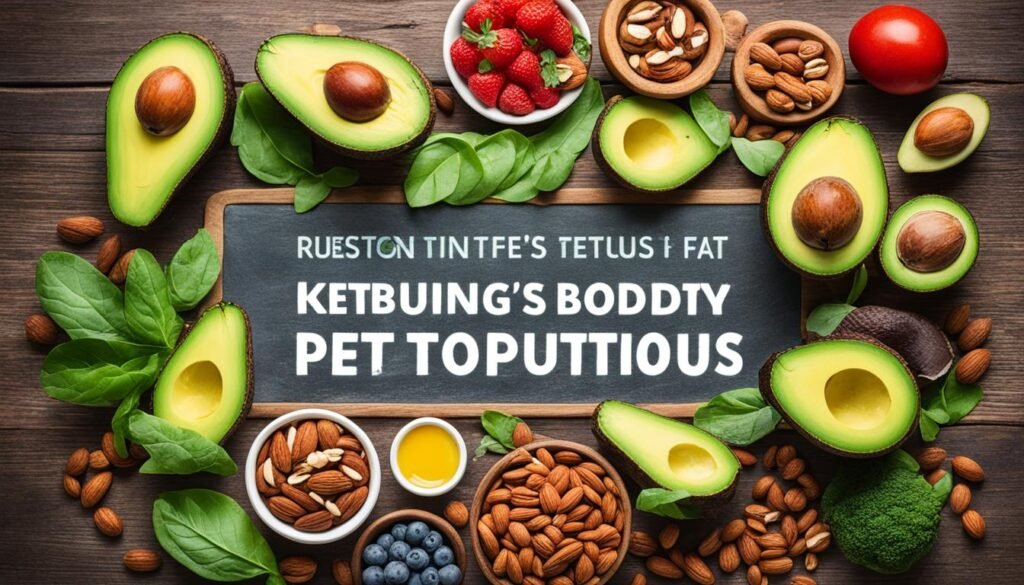
ketogenic diet benefits

Fat-Burning Potential

The ketogenic diet turns your body into a fat-burning machine. It uses fat as fuel instead of carbs. Staying on this diet can lead to major weight loss and boost your metabolism.

Health Benefits Beyond Weight Loss

The ketogenic diet isn’t just for losing weight. It can also sharpen your mind. That’s because your brain gets energy more efficiently from ketones than from glucose. Plus, it helps prevent diseases linked to chronic conditions like heart disease and certain cancers. It can lessen symptoms of neurological diseases and help with conditions like PCOS, too.

Potential Risks and How to Mitigate Them

Even with its benefits, the ketogenic diet has risks, such as nutrient shortages, kidney stones, and the keto flu. To reduce these risks, it’s important to eat a balanced diet, drink plenty of water, and start the diet slowly. This approach helps prevent the harsh effects of the keto flu.

Benefit Description
Fat-Burning State Leads to significant weight loss and improved metabolism.
Improved Mental Clarity Ketones provide a more efficient energy source for the brain.
Disease Prevention Reduces risks associated with chronic diseases such as heart disease and certain cancers.
Alleviation of Neurological Symptoms Improves conditions like PCOS and reduces symptoms of neurological diseases.
Mitigation of Risks Strategies include nutrient balancing, hydration, and gradual dietary transition to avoid the keto flu.

Common Challenges and How to Overcome Them

Starting a ketogenic diet is exciting but challenging. The beginning comes with hurdles like the keto flu and symptoms of cutting carbs. You might feel tired, confused, crave sugar, and face social doubts. But, don’t worry, you can beat these challenges with some smart moves.

To stick with keto, you need determination and flexibility. Ease into reducing carbs to lessen withdrawal signs. Adding keto-friendly snacks and meals helps fight off cravings and keeps you going.

Keeping up with water and electrolytes is key. When you first switch your diet, you lose water and minerals, which causes the keto flu. Drink enough water and get sodium, potassium, and magnesium to stay well and keto-adapted.

  • Drink plenty of water.
  • Include foods rich in electrolytes in your diet.
  • Opt for gradual carb reduction.
  • Plan your meals ahead to manage cravings.
  • Build a support system to help maintain motivation.

For long-term success on keto, planning keto-friendly meals regularly is crucial. Having friends or a community for support can also make a big difference.

Challenge Strategy
Keto Flu Hydration and electrolyte balance
Carb Withdrawal Gradual reduction of carbs
Brain Fog Steady intake of keto-friendly nutrients
Managing Cravings Keto-friendly snacks and consistent meal planning
Long-term Adherence Building a support system and staying motivated

Conclusion

The ketosis cycle opens many doors for consistent weight loss and improved health. Learning about ketosis and how your body adapts allows you to choose wisely for your keto lifestyle.

Knowing the ketogenic diet’s history and science helps you make safe, effective choices. This knowledge gives you a balanced view, considering its advantages and risks.

  1. Prioritize learning about ketosis insights and how it relates to your unique health needs.
  2. Embrace a well-formulated ketogenic diet to optimize sustained weight loss.
  3. Focus on long-term health benefits, keeping your goals realistic and attainable.

The table below shows how a proper ketogenic lifestyle can improve your health.

Aspect Potential Benefits Key Insights
Weight Management Promotes sustained weight loss Through consistent adherence to low-carb, high-fat choices
Metabolic Health Supports better insulin sensitivity Provided by the unique metabolic state of ketosis
Mental Clarity Improves cognitive function Due to stable energy levels from ketone production

In conclusion, adopting the keto lifestyle leads to more than just weight loss. It’s about overall health improvement. The benefits are broad and meaningful, making your journey worthwhile.

[Placeholder for missing Section 7 Title]

Starting a keto diet means learning a lot and committing to changing your body. You might know about how ketosis helps burn fat, boosts brain power, and keeps you healthy long-term. To get all its benefits, you need to keep adjusting and making smart choices.

To do keto right, get ready for some common hurdles like keto flu and missing carbs. Drinking lots of water, getting enough electrolytes, and eating nutrient-rich foods can help ease you into it. A meal plan with plenty of low-carb, high-fat foods is crucial for staying in ketosis, burning fat steadily, and feeling great.

Keeping up your keto diet enthusiasm is essential. Finding support through various resources and communities can offer motivation and useful tips. Remember, getting through the first tough phase is a big step towards a lasting, positive experience with keto. Staying committed and patient opens the door to all the health perks ketosis brings.

Ketosis and Intermittent Fasting: Unlock Weight Loss

Ketosis and Intermittent Fasting: Unlock Weight Loss

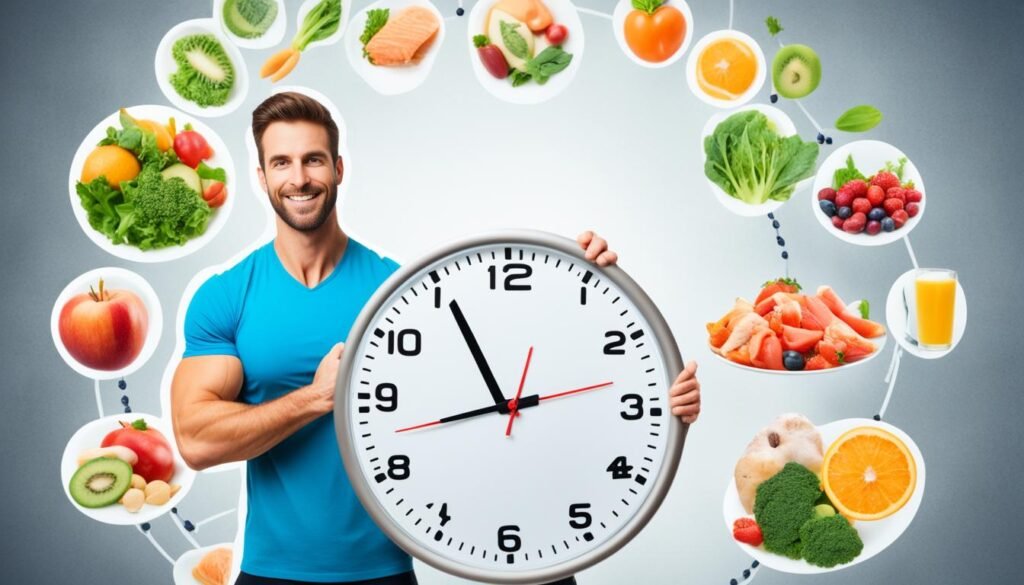
Finding a weight loss method that works well and lasts can be tough. Ketosis and intermittent fasting merge the power of a low-carb diet with timed eating. This blend helps your body switch to burning stored fat for energy. It leads to better health.

By merging these eating styles, you get a system that supports weight loss without the downsides of usual diets. This approach opens the door to a healthier lifestyle.

The Science Behind Ketosis

The ketogenic diet is all about reaching ketosis. When in ketosis, your body uses fat for energy, not glucose. This switch happens by cutting down on carbs which makes your liver turn fats into ketones.

What is Ketosis?

Ketosis is when your body uses fats instead of carbs for fuel. By eating fewer carbs, your liver makes ketones from fats. This switch is key to the ketogenic diet.

The Metabolic State

The metabolic state from the ketogenic diet is great for burning fat. In ketosis, your body gets really good at using fat for energy. This is helpful for losing weight and keeping energy levels steady all day.

Benefits of Being in Ketosis

There are many good things about being in a fat-burning state constantly. Better blood sugar control is one big benefit, helping avoid or manage problems like insulin resistance. Plus, your brain works better because it gets a steady, efficient supply of energy from ketones.

Understanding Intermittent Fasting

Intermittent fasting alternates between periods of eating and not eating. It’s a way to balance health and lifestyle.

What is Intermittent Fasting?

Intermittent fasting means having set times for eating and fasting. It’s not about the foods but when you eat them. This method helps with fat loss, improves mental focus, and boosts health.

intermittent fasting

Different Methods of Intermittent Fasting

Many people follow different intermittent fasting plans:

  • 16/8 method: Fast for 16 hours, eat in 8 hours.
  • 5:2 diet: Eat usually for 5 days, limit to 500-600 calories for 2 days.
  • Eat-Stop-Eat: Do a 24-hour fast once or twice weekly.

These methods offer flexible eating schedules for different lifestyles.

Autophagy and Cellular Repair

Autophagy is a key fasting benefit. It’s how the body removes damaged cells and replaces them with new ones. This process helps with cell repair.

Intermittent fasting boosts metabolism and offers an effective dieting alternative. It reduces inflammation, aids in longevity, and supports cellular health.

Method Description
16/8 Fast for 16 hours, eat in an 8-hour window.
5:2 Eat normally for 5 days, restrict calories on 2 non-consecutive days.
Eat-Stop-Eat 24-hour fast once or twice a week.

How Ketosis and Intermittent Fasting Work Together

When you combine ketosis with intermittent fasting, it can really change the game for weight loss and health. This powerful pair helps you lose weight and improves body functions by merging diet strategies. Let’s explore how they work together so well.

intermittent fasting synergy

Synergistic Effects of Keto and IF

Ketosis and intermittent fasting together are incredibly beneficial. Ketosis switches your diet to low-carb, high-fat. This turns your body into a fat-burning machine. Intermittent fasting steps this up by introducing no-food times. Together, they make your body much better at using fat for energy, keeping fat-burning constant.

Optimizing Your Hormones and Metabolism

Pairing ketosis with intermittent fasting is amazing for your hormones. Ketosis keeps your blood sugar steady and boosts insulin sensitivity, stopping insulin levels from soaring or crashing. At the same time, intermittent fasting boosts growth hormone, key for building muscle, burning fat, and repairing cells. This combo balances your hormones, making your metabolism work even better.

Creating a Fat-Burning Environment

Using ketosis and intermittent fasting together sets up the perfect scene for burning fat. In ketosis, your body chooses fat as its top energy source, breaking it down efficiently. Intermittent fasting enhances this, helping with calorie control and cellular cleanup. This process removes damaged cells and keeps muscle. These methods ensure your body stays focused on burning fat and staying healthy.

Practical Tips for Getting Started

Starting with ketosis and intermittent fasting is a thrilling way to lose weight. It’s key to eat keto-friendly foods, plan your meals well, and know how to handle challenges. This will help you do well.

Keto-Friendly Foods

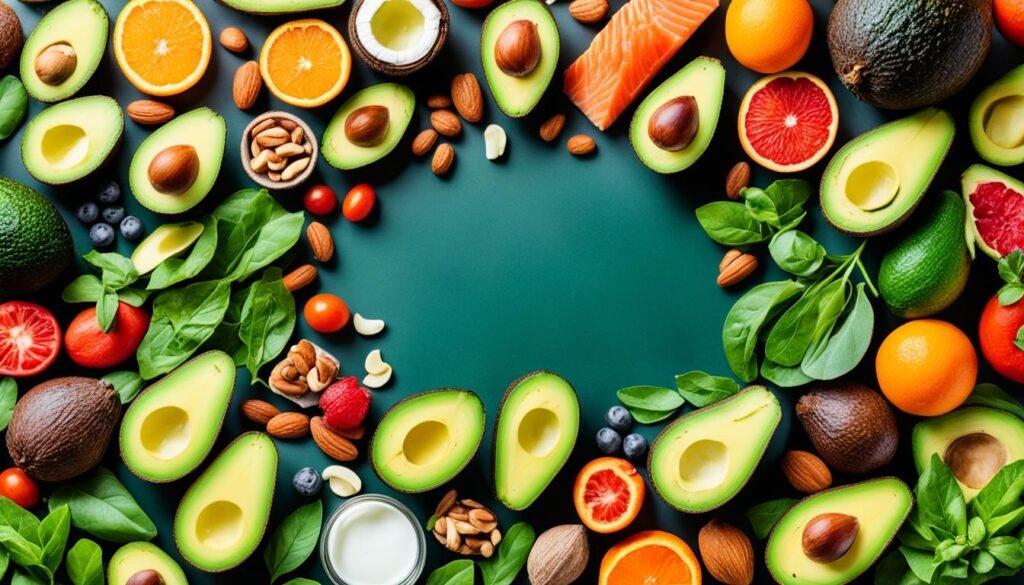
Knowing what keto-friendly foods to eat is key for staying in ketosis. You should eat:

  • Low-carb vegetables (spinach, kale, broccoli)
  • Nuts and seeds (almonds, chia seeds)
  • Lean proteins (chicken, turkey, fish)
  • Healthy fats (avocado, olive oil, coconut oil)

These foods help you keep carbs low and get important nutrients.

Planning Your Meals and Fasting Schedule

Good meal planning and a fasting schedule are important. Here’s what you can do:

  1. Make a weekly meal plan with keto-friendly foods.
  2. Prepare meals ahead to avoid bad choices.
  3. Pick a fasting schedule that suits you (like 16/8 or 5:2).

This plan will help you lose weight in a lasting way.

Overcoming Common Challenges

At the start, you might face challenges such as the keto flu. Here’s how to deal with them:

  • Drink plenty of water and keep your electrolytes balanced to ease keto flu symptoms.
  • Cut down on carbs slowly so your body can adjust.
  • Remember, losing weight takes time. Keep your goals realistic.

Follow these tips, and you’ll be able to handle early hurdles and stay inspired.

Keto-Friendly Foods Benefits
Low-carb vegetables (spinach, kale, broccoli) Rich in essential nutrients while being low in carbs
Nuts and seeds (almonds, chia seeds) Provide healthy fats and protein
Lean proteins (chicken, turkey, fish) Helps in muscle maintenance and repair
Healthy fats (avocado, olive oil, coconut oil) Essential for energy and metabolism

Navigating Plateaus and Celebrating Non-Scale Victories

Hitting a weight loss plateau is common when you’re working on ketosis and intermittent fasting. It usually means your body is adapting. To break through, you might need to change how much protein, fats, and carbs you eat. You could also try different kinds of exercises. This might help kickstart your metabolism again.

It’s vital to notice and celebrate non-scale victories, too. Things like having more energy, sleeping better, and wearing your favorite clothes matter a lot. They show you’re doing great, even if the scale doesn’t move. These wins bring a huge sense of pride and show the real value of your health efforts.

To handle weight loss plateaus better, try intuitive eating. Pay attention to when you’re truly hungry or full. This way, you can eat just the right amount. It not only helps with plateaus. It also builds a better way of thinking about food.

Here is a handy comparison of strategies to navigate plateaus and recognize non-scale victories:

Strategy Details Benefits
Adjust Macronutrient Intake Modify protein, fats, and carbs proportion Boosts metabolism and breaks plateaus
Incorporate Exercise Mix cardio, strength, and flexibility training Increases metabolic rate and overcomes adaptation
Celebrate Non-Scale Victories Focus on energy, sleep, and clothing fit Enhances motivation and emotional well-being
Practice Intuitive Eating Respond to your body’s hunger and fullness cues Promotes a healthier relationship with food

On your weight loss journey, it’s just as important to focus on your mind and feelings as your physical health. Valuing non-scale victories and getting used to metabolic changes can keep you going. It’s the key to lasting success and overall well-being.

Conclusion

Adopting a ketogenic diet combined with intermittent fasting can greatly improve your health. This approach focuses on fat adaptation and timed eating. It helps your body use energy better and boosts your metabolism. It’s more than losing weight; it’s about a healthier lifestyle for both mind and body.

This lifestyle brings many health benefits like better mental focus, consistent energy, and lower disease risk. By following keto and fasting, you aim for a fit body and stronger health. You become more able to fight various health issues.

Ketosis and intermittent fasting are simple yet effective for health improvement. They’re great for weight loss or just better health. Embracing these methods helps you achieve your health goals. You’ll feel healthier and happier, knowing you’re taking good care of yourself.

Keto Meal Plan for Effortless Weight Loss and Optimal Health

Keto Meal Plan for Effortless Weight Loss and Optimal Health

Switching to a keto diet means eating more fats, moderate protein, and fewer carbs. This change puts your body in a state called ketosis. Here, it burns fat for energy instead of carbs. A customized ketosis meal plan makes this switch easier and boosts your health benefits. This plan is perfect for those wanting a diet that’s structured.

Choosing a personalized plan can help you lose weight and feel better overall. It creates a meal plan just for your body’s needs, removing the guesswork. Start a customized meal plan and see how you reach your health goals.

Introduction to the Keto Diet

The ketogenic diet, or keto diet, cuts down on carbs and ups fat intake. This switches the body’s main energy source from glucose to fats. This process, called ketosis, turns fat into energy efficiently. The diet is popular for its health benefits and weight loss effects.

What is the Keto Diet?

The keto diet means you eat far fewer carbs and more fats. This switch makes the body burn fat for energy. It leads to weight loss, boosts energy, and promotes well-being. Cutting carbs helps keep blood sugar levels stable, which is great for those with insulin issues.

Benefits of the Keto Diet

The keto diet offers more than weight loss. It can enhance mental focus, lessen inflammation, and may cut the risk of chronic diseases. Eating healthy fats boosts heart health and energy all day. The keto diet also helps in diabetes management by focusing on low-carb foods.

Common Misconceptions about the Keto Diet

Some people misunderstand the keto diet. Not all fats are bad. It’s important to eat healthy fats like those in avocados, nuts, and olive oil. Another myth is that the diet causes nutrient shortages. But, with careful meal planning, it can be nutritious and satisfying. Knowing the facts helps you see the real benefits of this low-carb diet.

How to Start Your Ketosis Meal Plan

Starting your ketosis meal plan requires a careful approach. To succeed, you should outline your goals, plan accordingly, and find support.

Setting Realistic Goals

Before starting your keto diet, it’s important to set realistic goals. Think about your health, lifestyle, and what you want to achieve. Goals should be more than losing weight; they should enhance your well-being too. Make sure your goals are clear, reachable, and have a deadline. This will help you stay motivated.

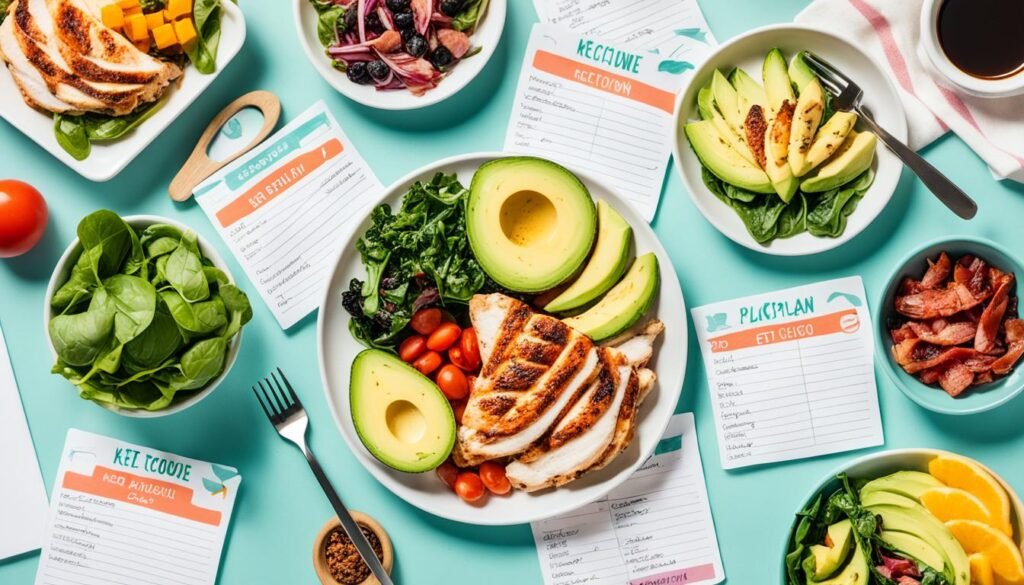
Create a Custom Keto Meal Plan

Creating a custom keto plan means knowing your nutritional needs. Start by figuring out your fat, protein, and carb needs. Then choose foods that match these needs and you enjoy.

Meal prep is also key. Preparing your meals ahead can save time and keep you on track.

customized keto meal plan

Finding an Accountability Partner

Having someone to support you on your keto journey is crucial. This can be a friend, family member, or coach. They offer motivation, support, and guidance.

This helps you stick with your keto meal plan, overcome obstacles, and celebrate your progress. With realistic goals, a personalized plan, and supportive partner, you’re set for success on your keto journey.

Essential Ketogenic Foods to Include

Starting a ketogenic diet means choosing the right foods. You need to focus on meals high in fat, moderate in protein, and low in carbs. This helps you hit your nutrition goals. It’s also important to know the difference between good and bad fats to succeed on the keto diet.

ketogenic foods

High-Fat Foods

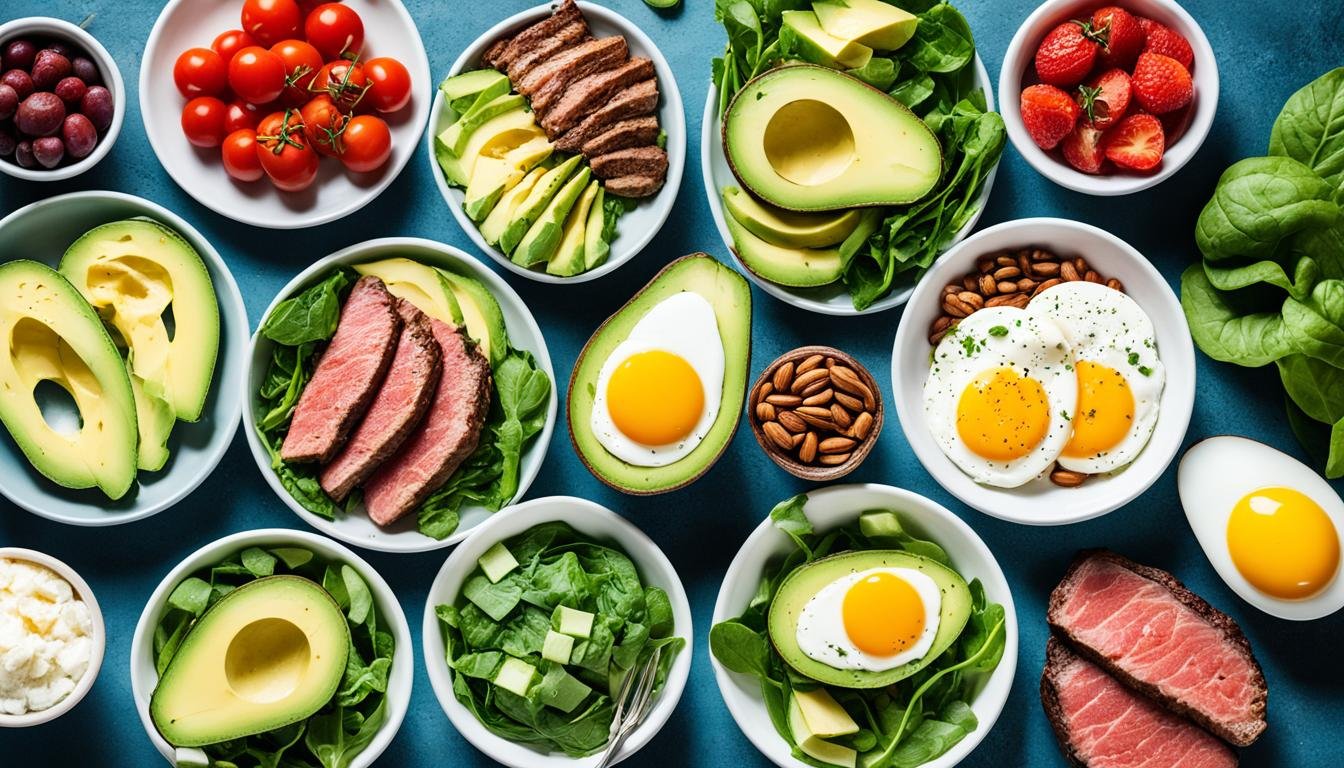
Fats are key in the keto diet. Great choices include avocados, cheese, and salmon. These foods are rich in nutrients and help you stay full.

Moderate Protein Sources

For protein, turn to eggs, chicken, and grass-fed beef. These provide the right amount of protein. They keep your muscles strong without affecting ketosis.

Low-Carb Vegetables

Vegetables low in carbs are also essential. They give you vitamins and minerals. Eat plenty of leafy greens and cruciferous veggies like broccoli for good health.

Healthy Fats vs. Unhealthy Fats

Knowing fats is crucial. Choose healthy fats found in nuts, seeds, and olive oil. Stay away from trans fats and processed oils to keep your diet on track.

Category Recommended Foods Benefits
High-Fat Foods Avocados, Cheese, Fatty Fish Provide energy and satiety
Moderate Protein Sources Eggs, Poultry, Grass-Fed Beef Maintain muscle mass
Low-Carb Vegetables Spinach, Kale, Broccoli Essential vitamins and minerals
Healthy Fats Nuts, Seeds, Olive Oil Boost overall health

Sample Keto Recipes for Every Meal

Switching to a keto lifestyle means you don’t miss out on taste or diversity. You can have enjoyable and healthy meals all day.

Keto Breakfast Ideas

Begin your day with a filling breakfast. A cheesy spinach omelet or avocado and bacon bowls are good choices. They give you fats and protein for energy.

Keto Lunch Options

Lunch can be thrilling with keto choices. Try grilled chicken salad with olive oil dressing or a lettuce wrap with turkey and cheese. Add low-carb veggies like bell peppers or cucumbers to complete your meal.

For something warm, creamy cauliflower soup with garlic and herbs is perfect.

Delicious Keto Dinner Recipes

Dinner offers a chance for hearty, tasty dishes. Try garlic butter steak bites with asparagus or baked salmon with roasted Brussels sprouts. They are filling without feeling guilty.

Zucchini noodles with Alfredo sauce give a low-carb pasta option.

Keto Snacks and Desserts

Keto snacking is far from dull. Consider cheese wraps with turkey slices or mixed nuts for easy snacks. For a dessert craving, almond flour cookies or chocolate avocado mousse are great without ruining your diet.

Overcoming Common Keto Challenges

Starting your keto journey comes with challenges. The “keto flu” is one such hurdle, including headaches, fatigue, and irritability. These symptoms usually happen in the early keto days. Knowing it’s a temporary stage helps you get through it.

It’s hard to stop craving high-carb foods. It’s crucial to find tasty, keto-friendly options. For pasta cravings, consider zucchini noodles or cauliflower rice. These substitutes should fit your diet and be delightful.

Keeping up with ketosis, especially when eating out or at social events, is tough. Plan by looking up menus online or taking your own snacks to gatherings. Watching your macronutrients helps you stay in ketosis.

Don’t underestimate the mental side of changing your diet. Having support is very important. Whether through a keto group online or a friend with similar goals, support helps keep you on your keto path.

Challenges Solutions
Keto Flu Stay hydrated, increase salt intake, and be patient.
Cravings Find keto-friendly alternatives, such as zucchini noodles and cauliflower rice.
Dining Out Plan ahead by checking menus and bringing your own snacks.
Psychological Struggles Build a support system through online communities or friends.

Conclusion

Starting a keto meal plan helps you reach ketosis, boost your health, and lose weight effectively. Knowing how fats, proteins, and carbs work helps your body burn fat better. This not only helps with weight loss but also improves your brain function and lowers inflammation.

Planning your meals and watching your macro intake are important to keep up with this diet. It’s key to be ready for the keto flu and carb cravings to stay on track. If you stick to keto’s rules, you can improve your health in the long run.

Staying true to your keto meal plan is essential for keeping its benefits. With enough motivation, support, and nutritional know-how, you can start and keep a keto lifestyle. This will lead to better health now and in the future.