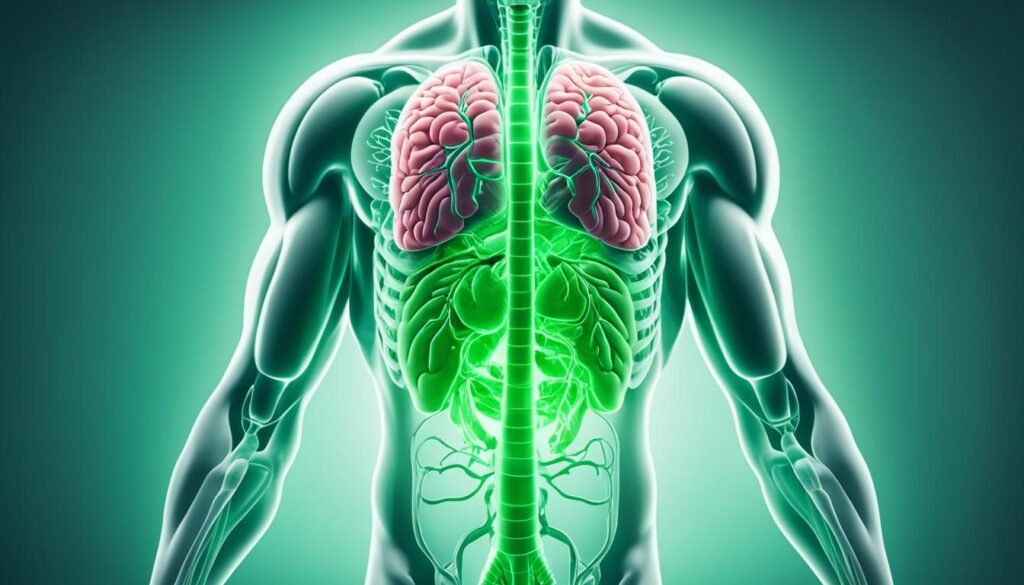
The “keto” diet is quite the buzz because it helps people lose weight. It works by cutting back on carbs. This switch makes your body burn fats for fuel, entering a phase called ketosis. In ketosis, your body makes things called ketone bodies from fats, giving you energy. People usually have BHB levels between 0.5 mmol/L and 3.0 mmol/L when in ketosis.
It’s very important to keep an eye on blood sugar levels when you’re on keto. This is especially true for those dealing with diabetes, obesity, or certain brain conditions. Seeing how keto affects insulin, blood sugar, and your body’s making of glucose is key for health.
Introduction to Ketosis and the Keto Diet
The keto diet is all about eating more fats and fewer carbs. When we eat this way, our body starts using fat for energy. This process is called ketosis. It’s a great plan for managing diabetes on keto and losing weight.
Usually, our bodies use carbs for energy. But on a low-carb high-fat diet, things change. Our liver makes glucose from other things, not carbs. This keeps important organs like the brain fed with glucose, even without carbs.
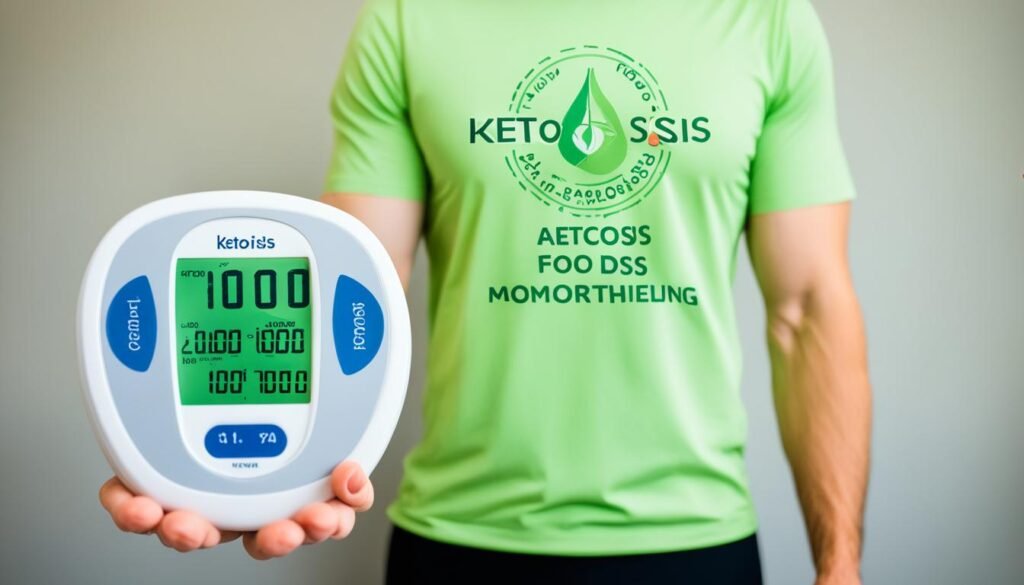
If you’re doing the keto diet, keeping track of ketosis is key. This means checking your blood for sugar and ketones. Knowing this helps you stay on track with your diet. It’s important for staying in ketosis and getting the most out of the diet.
How the Keto Diet Affects Blood Sugar Levels
The keto diet has a big impact on blood sugar levels. It’s a top choice for managing diabetes and insulin resistance.
Lower Glucose Trends
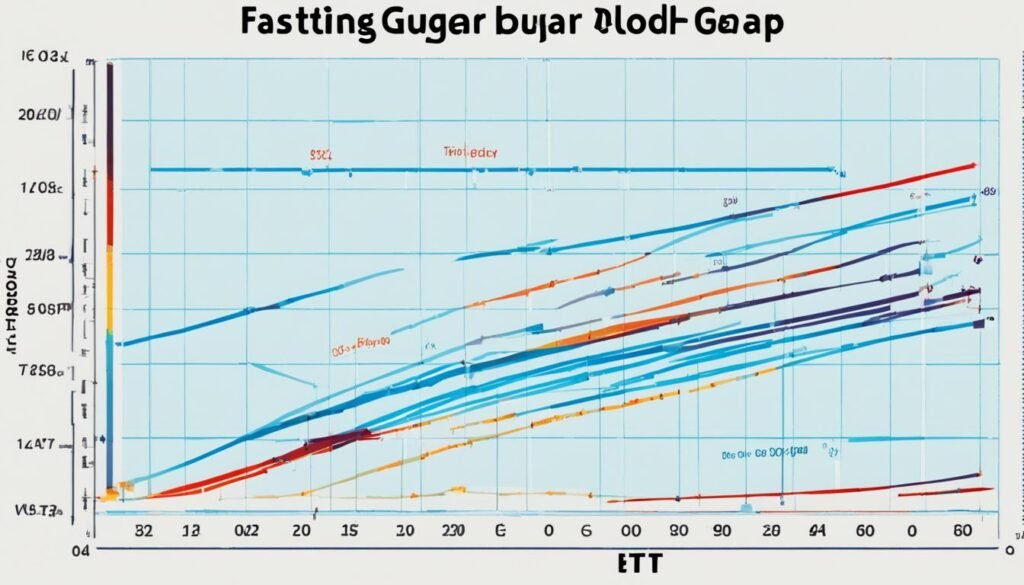
Lowering and stabilizing blood glucose is a key benefit of the keto diet. When you eat fewer carbs, your blood sugar usually stays between 70-90 mg/dL. This happens because there are fewer high and low sugar levels, which is good for your health.
Elevated Fasting Glucose Levels
Some people on the keto diet for a long time see their fasting blood sugar go up. This is called “glucose sparing.” It means the body saves glucose for important organs as it gets used to the diet. This process is important to keep health metrics like fasting insulin good.
Keep an eye on these numbers to avoid problems with insulin resistance and staying in ketosis. Doing so helps make sure the diet does more good than harm over time.
The Link Between Ketones and Glucose on a Keto Available for both Google Home and Amazon Echo, the IoT device is ideal
When you switch to a keto diet, your body starts using fats instead of carbs for energy. This process is known as ketogenesis. It’s key to grasp how ketones and glucose are connected in this state.
Ketogenesis Explained
Ketogenesis turns fats into ketones, like beta-hydroxybutyrate (BHB). This reduces the need for glucose. Knowing how to check your blood ketone levels is important. It helps make sure you stay in ketosis, getting the most from your diet.
Gluconeogenesis
Even with fewer carbs, your body still needs some glucose. Gluconeogenesis helps here. It lets your liver make glucose from things like amino acids. This process is vital. It keeps organs that need glucose powered, blending well with higher ketone levels for good health.
Best Practices for Monitoring Blood Sugar on Keto
Starting a keto journey is exciting, but it’s key to keep an eye on your ketosis levels. Knowing how carbs affect you helps fine-tune your diet for better health. Your blood sugar levels and ketosis can change due to diet, exercise, stress, and sleep.
Using Continuous Glucose Monitoring (CGM) is a smart move. This tool lets you see your blood sugar changes in real time. It shows how food and lifestyle choices impact your sugar and ketone levels. With this data, you can adjust your diet to maintain ketosis.
- Diet Composition: Ensure your meals are well-balanced with the correct proportion of fats, proteins, and carbohydrates.
- Exercise: Physical activity can significantly impact glucose and ketone levels, making it an important consideration.
- Stress Management: Psychological stress can affect your metabolic state, so incorporating relaxation techniques is beneficial.
- Sleep: Adequate rest helps maintain stable blood sugar levels and supports overall metabolic health.
Testing your blood glucose along with ketones gives a clear picture of how your body uses fuel. This full view of your metabolic state from monitoring ketosis brings better results from the keto diet.
| Measurement | Tools | Monitoring Frequency |
|---|---|---|
| Blood Glucose | CGM, Glucometer | Daily |
| Ketone Levels | Ketone Meter, Test Strips | Weekly |
Ketosis Blood Sugar Levels: What You Need to Know
If you’re trying the ketogenic diet, it’s key to know your blood sugar levels. Keeping track is especially important for beginners. This helps evaluate how well your body adjusts to the diet. We will look into perfect blood sugar levels and how insulin resistance plays a role.
Optimal Blood Sugar Levels
To stay healthy on a ketogenic diet, keep your fasting blood sugar under 100 mg/dL. After eating, it shouldn’t go over 125 mg/dL to avoid prediabetes. Monitoring these numbers shows if you’re in ketosis, maximizing the diet’s advantages. The Glucose Ketone Index (GKI) also helps by showing the blood sugar and ketone link, making your keto journey clearer.
Effects of Insulin Resistance
Insulin resistance can change how your blood sugar behaves on a keto diet. If you’re insulin resistant, carbs might spike your blood sugar more than expected. So, it’s crucial to find out how many carbs you can handle. Managing this well keeps your blood sugar steady and makes ketosis work better for you during your keto journey.
Utilizing CGM Data for Keto Optimization
Optimizing your keto diet is all about using Continuous Glucose Monitoring (CGM) data. This data gives you deep insights into how your body reacts to various foods and meals. It makes managing diabetes on a keto diet more precise and personalized, key for handling insulin resistance and ketosis.
Identifying Trigger Foods
Some foods may seem good for keto but actually spike your glucose levels. CGMs help you spot and cut out these foods. This keeps your blood sugar stable and helps manage insulin resistance and ketosis better.
Testing Keto-Friendly Foods
Testing different keto-friendly foods with CGM data helps you see how you personally react. This means trying out various portions and finding your protein limit. It’s key for diabetes management on a keto diet. It helps you maintain ketosis with balanced blood sugar.
Regular CGM data and careful diet checks can promote lasting ketosis and better metabolic health. By tracking ketones and glucose with CGMs, you make smart food choices for your health.
Conclusion
Starting a keto diet means more than cutting carbs. It’s about learning how your body changes with different foods. Watching both ketone and blood sugar levels gives a full picture of your health. This is key for managing diabetes, as stable blood sugar is a must.
The keto diet mainly helps by making your metabolism flexible. Using tools like Continuous Glucose Monitors (CGMs) lets you adjust your diet to fit your needs. They give immediate feedback on what foods work best for you, keeping your diet on the right track.
Keeping ketosis as your goal is important for your eating and lifestyle choices. Sure, it’s crucial to track your progress, but don’t forget to keep a balanced view on eating. Mixing these methods helps you get the most out of keto. It boosts your health without making it too complicated.