Customizable Meal Plans

Customizable Meal Plans

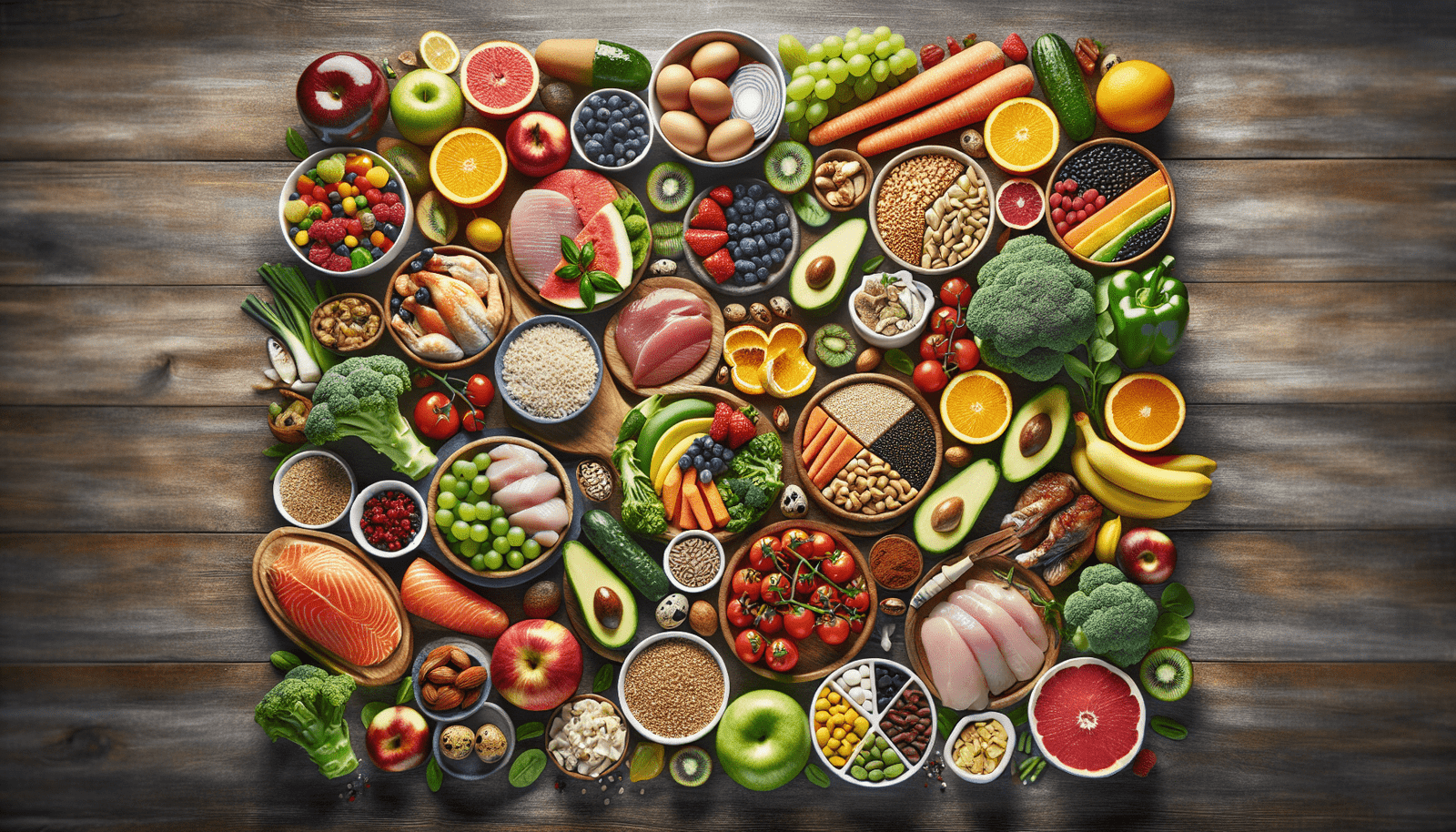
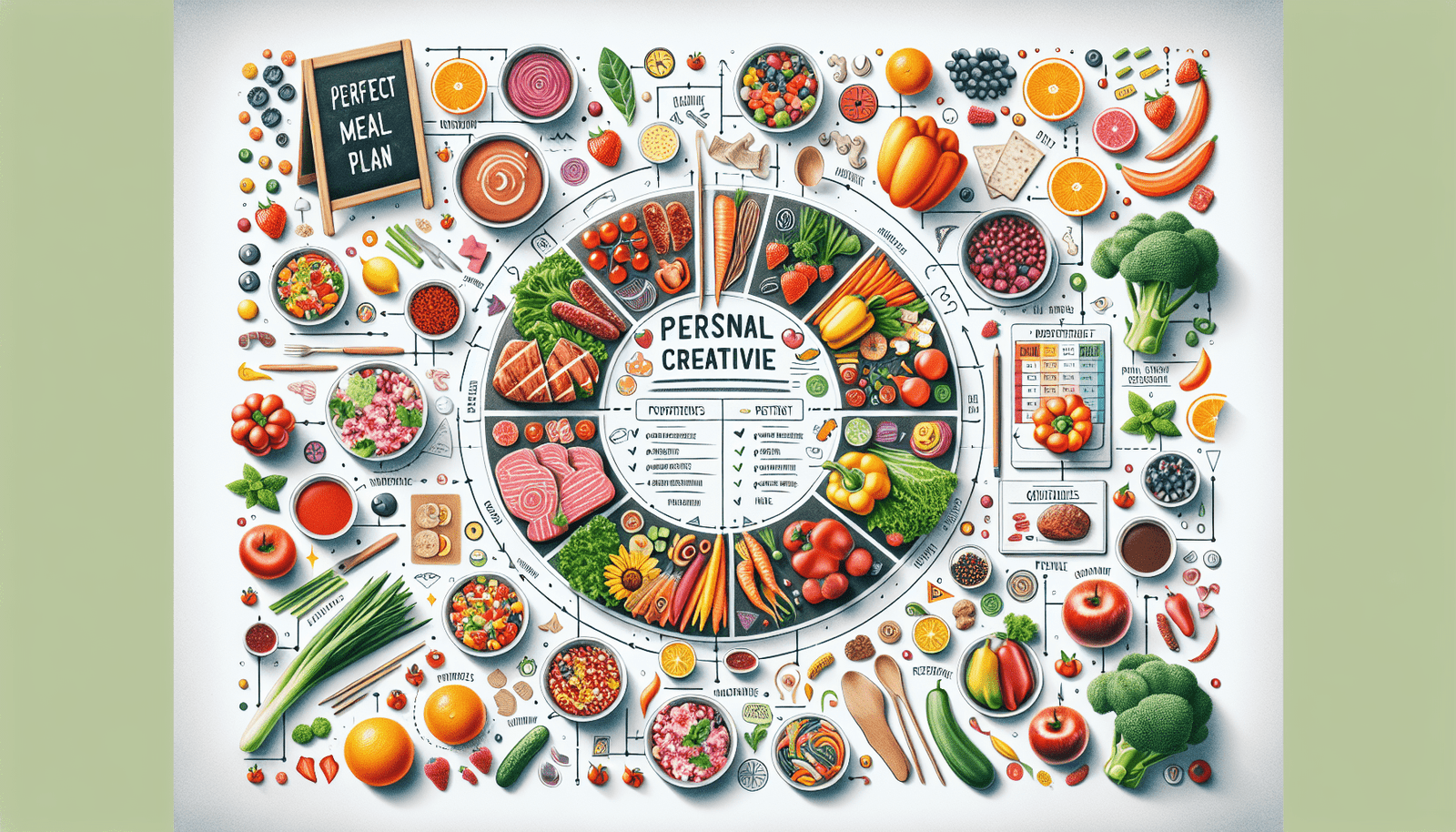
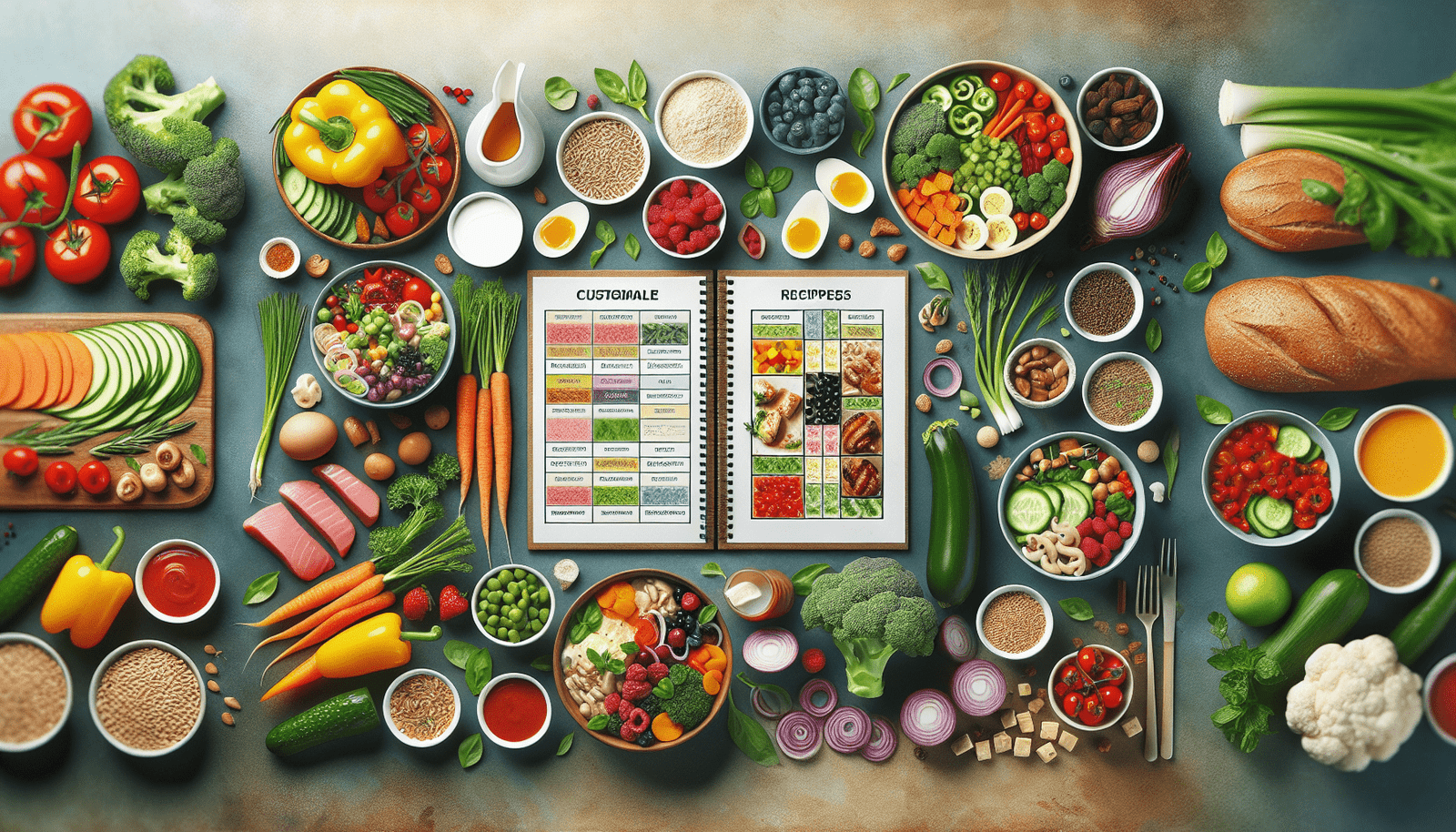
Welcome to the world of customizable meal plans! With these plans, you have the flexibility to tailor your meals to your unique preferences and dietary needs. Whether you’re looking to lose weight, build muscle, or simply eat more healthily, customizable meal plans offer you the freedom to create a menu that works best for you. Say goodbye to one-size-fits-all diets and hello to a personalized approach to eating that fits your lifestyle. Let’s explore the benefits and possibilities of customizable meal plans together! Have you ever struggled with meal planning and finding the time to make healthy meals throughout the week? If so, customizable meal plans may be the perfect solution for you. By tailoring your meals to your preferences and dietary needs, you can save time, reduce food waste, and ensure that you are eating a balanced diet. In this article, we will explore the benefits of customizable meal plans and provide tips on how to create your own.
Customizable Meal Plans

Why Choose Customizable Meal Plans?

Customizable meal plans offer a wide range of benefits for individuals looking to improve their eating habits and simplify meal preparation. By taking the time to plan out your meals in advance and customize them according to your preferences, you can:

  • Save time: With a meal plan in place, you can streamline your grocery shopping and meal preparation, saving you precious time during the week.
  • Reduce food waste: By only purchasing the ingredients you need for your planned meals, you can minimize food waste and save money in the long run.
  • Eat a balanced diet: By carefully selecting your meals and ensuring that they are nutritionally balanced, you can improve your overall health and well-being.

How to Create Your Own Customizable Meal Plan

Creating your own customizable meal plan may seem daunting at first, but with a little bit of planning and organization, you can set yourself up for success. Here are some tips to help you get started:

  1. Set Your Goals: Before you begin creating your meal plan, take some time to think about your goals. Whether you are looking to lose weight, improve your overall health, or simply save time in the kitchen, having a clear goal in mind will help you tailor your meal plan to meet your needs.

  2. Assess Your Preferences: Consider your food preferences, dietary restrictions, and cooking abilities when creating your meal plan. Make a list of your favorite foods, as well as any foods you would like to avoid or limit in your diet.

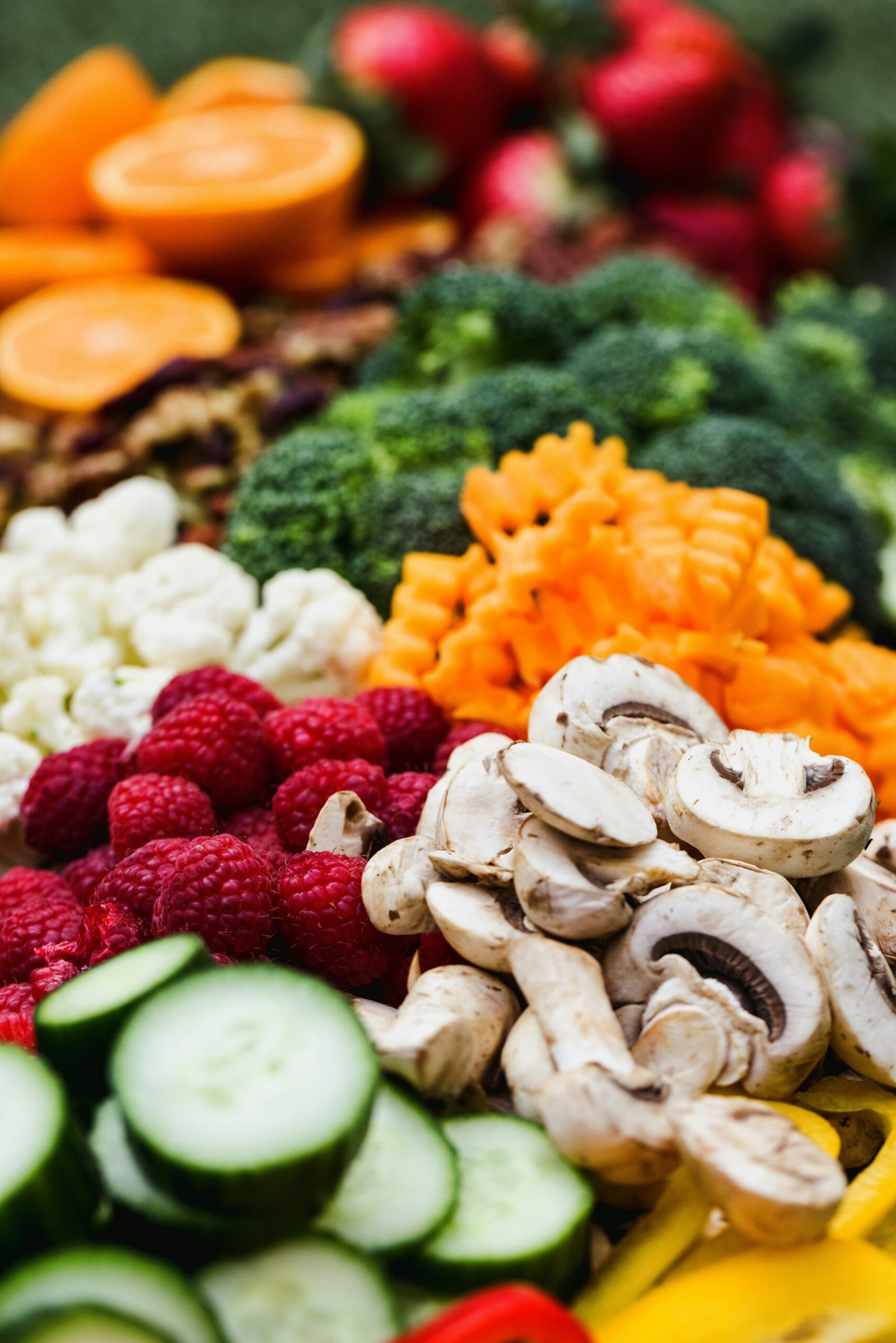
  3. Plan Your Meals: Start by planning out your meals for the week ahead. Consider incorporating a mix of proteins, carbohydrates, and vegetables into each meal to ensure that you are getting a variety of nutrients. Make sure to include some of your favorite dishes to keep things interesting.

  4. Create a Shopping List: Once you have planned out your meals, create a shopping list of the ingredients you will need. Check your pantry and fridge to see what you already have on hand, and make note of any additional items you will need to purchase.

  5. Prep Ahead of Time: To make meal preparation easier during the week, consider prepping some of your ingredients in advance. Chop vegetables, marinate meats, or cook grains ahead of time to save time during the busy workweek.

The Benefits of Customizable Meal Plans

Customizable meal plans offer a wide range of benefits for individuals looking to improve their eating habits and simplify meal preparation. Here are just a few of the benefits you can expect to enjoy when you create a customizable meal plan:

  • Improved Nutrition: By carefully selecting your meals and ensuring that they are nutritionally balanced, you can improve your overall health and well-being.
  • Cost Savings: By planning your meals in advance and only purchasing the ingredients you need, you can save money on groceries and reduce food waste.
  • Time Savings: With a meal plan in place, you can streamline your grocery shopping and meal preparation, saving you precious time during the week.
  • Variety and Flavor: By customizing your meal plan to include a mix of your favorite dishes and new recipes, you can enjoy a wider variety of flavors and cuisines.

How to Customize Your Meal Plan

One of the key benefits of customizable meal plans is the ability to tailor your meals to your preferences and dietary needs. Here are some tips on how to customize your meal plan to suit your individual tastes:

  1. Consider Your Dietary Needs: Take into account any dietary restrictions or food allergies you may have when creating your meal plan. Look for recipe ideas that cater to your specific needs, or modify existing recipes to suit your requirements.

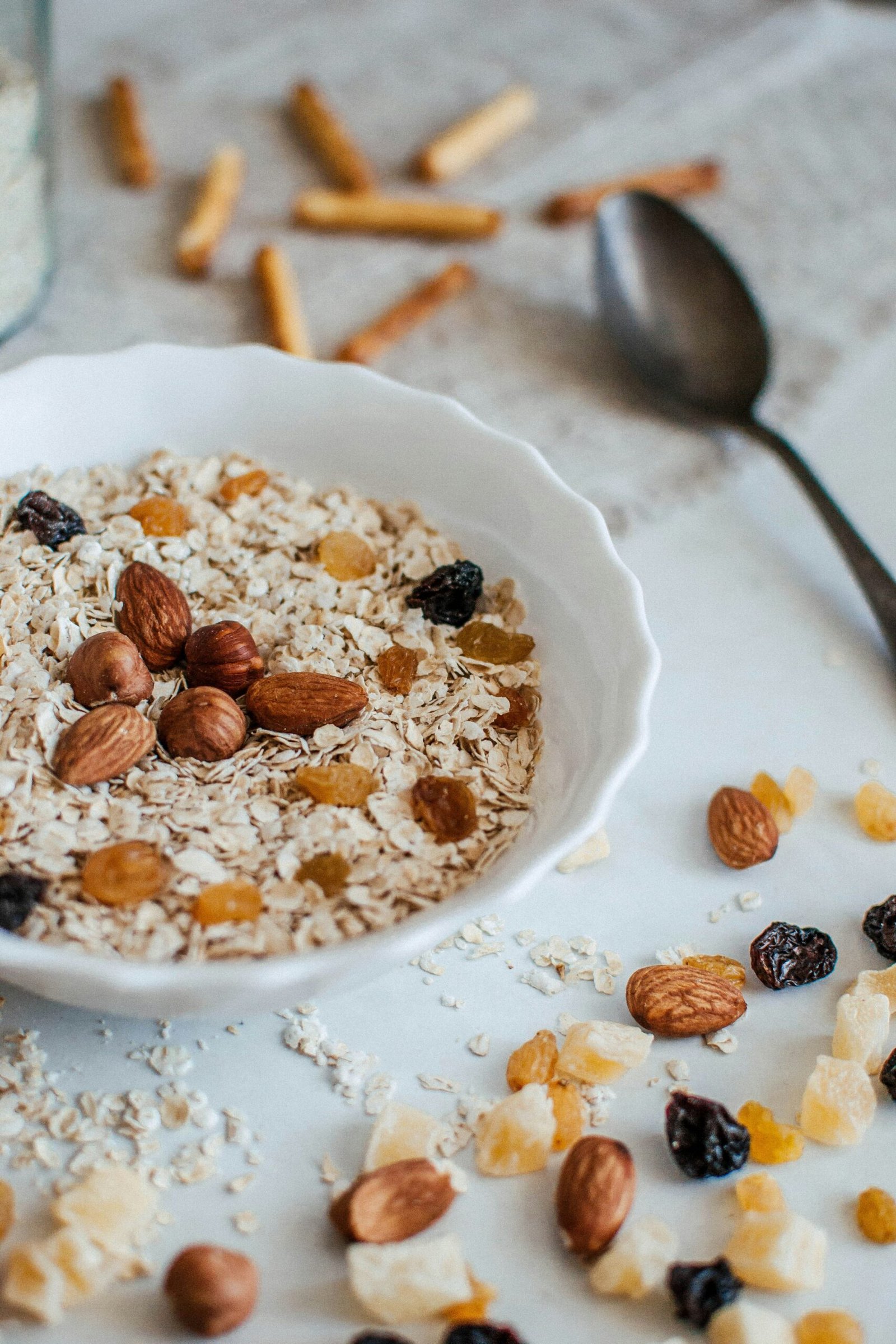
  2. Mix and Match: Don’t be afraid to experiment with different ingredients and flavor combinations when creating your meal plan. Mix and match proteins, carbohydrates, and vegetables to create a variety of delicious and satisfying meals.

  3. Add Variety: To prevent mealtime boredom, be sure to include a mix of your favorite dishes and new recipes in your meal plan. Look for inspiration from different cuisines and cooking styles to keep things interesting.

  4. Stay Flexible: While it’s important to stick to your meal plan as much as possible, it’s also important to be flexible and adapt to changes in your schedule or preferences. If you find that a certain meal doesn’t appeal to you, feel free to swap it out for something else.
Customizable Meal Plans

Tips for Success with Customizable Meal Plans

Creating a customizable meal plan is a great way to simplify meal preparation and improve your eating habits. Here are some tips for success with customizable meal plans:

  1. Start Small: If you’re new to meal planning, start small by planning out just a few meals for the week ahead. As you become more comfortable with the process, you can gradually expand your meal planning to include more meals and snacks.

  2. Batch Cook: Consider batch cooking some of your meals to save time during the week. Cook large batches of soups, stews, or casseroles and portion them out for easy grab-and-go meals.

  3. Stay Organized: Keep track of your meal plan, shopping list, and recipes in a designated notebook or meal planning app. This will help you stay organized and on track with your meal planning goals.

  4. Involve Your Family: If you’re cooking for a family, involve them in the meal planning process. Take their preferences and dietary needs into account when creating your meal plan, and get them involved in meal preparation to make cooking more fun and enjoyable.

  5. Listen to Your Body: Pay attention to how your body responds to different foods and meals. If you find that certain foods are causing digestive issues or other health problems, consider modifying your meal plan to better suit your body’s needs.

Customizable Meal Plans

In Conclusion

Customizable meal plans offer a convenient and effective way to improve your eating habits, save time, and reduce food waste. By creating a meal plan that is tailored to your preferences and dietary needs, you can enjoy a wide range of benefits, from improved nutrition to cost savings. Whether you’re looking to lose weight, improve your overall health, or simply save time in the kitchen, customizable meal plans offer a flexible and customizable solution for busy individuals. So why not give it a try and see the positive impact that customizable meal plans can have on your life?
Customizable Meal Plans

Meal Plans For Muscle Gain

Meal Plans For Muscle Gain

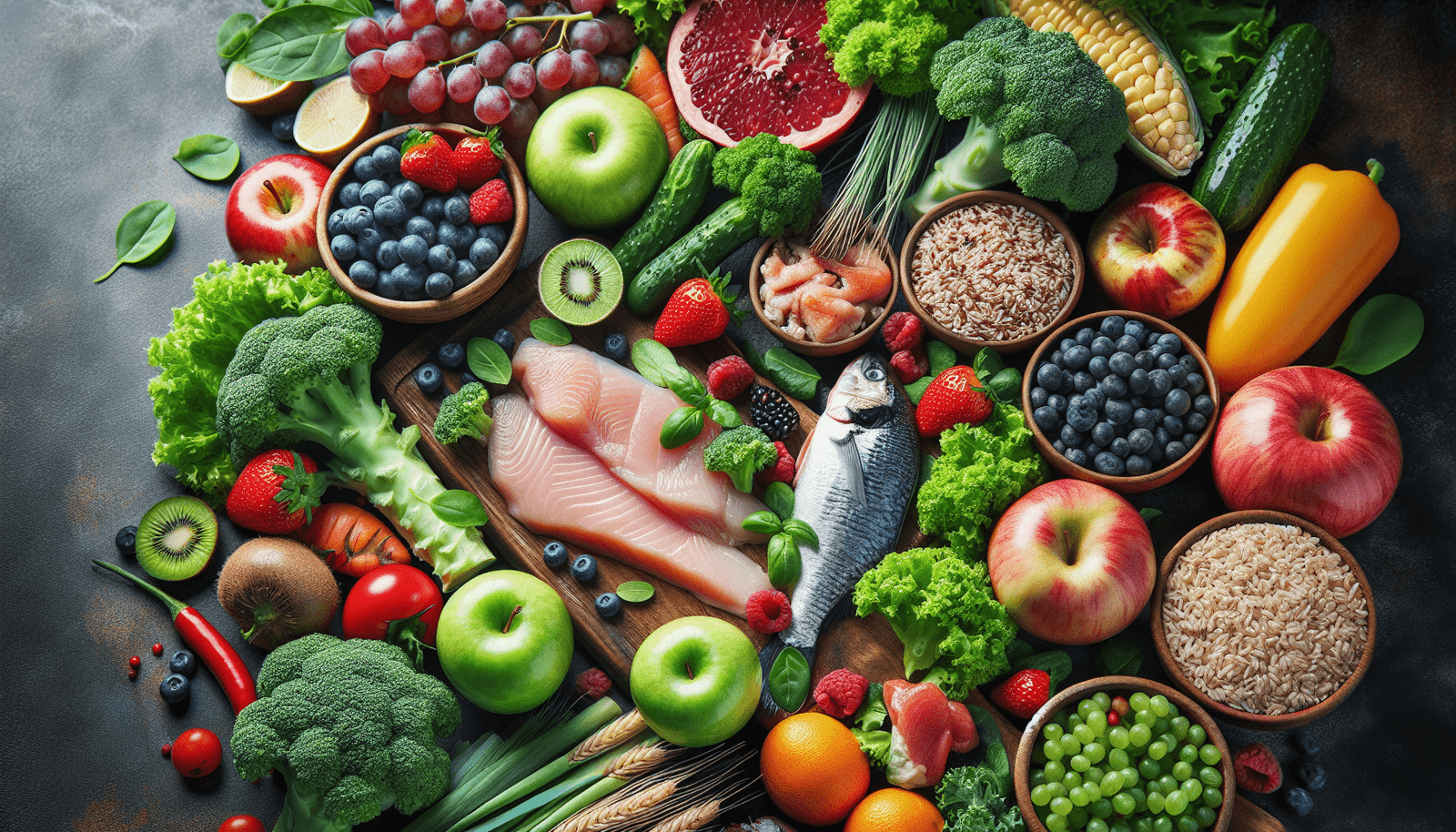
Welcome to the world of meal plans for muscle gain! If you’re looking to bulk up and build strength, having a well-rounded and nutritious meal plan is essential. From incorporating lean proteins and complex carbohydrates to ensuring you’re getting enough calories to fuel your workouts, a thorough meal plan can make all the difference in reaching your fitness goals. Get ready to elevate your muscle-building journey with these expertly crafted meal plans designed to help you achieve optimal results. It’s time to fuel your body and crush those gains! Have you been trying to pack on muscle but find yourself struggling to see any progress? Are you hitting the gym regularly but not seeing the results you desire? The key to building muscle is not only through exercise but also through proper nutrition. In this article, we will discuss meal plans for muscle gain that can help you reach your goals and see the gains you’ve been working so hard for. So, grab a snack, sit back, and let’s dive into the world of muscle-building nutrition together!

Meal Plans For Muscle Gain

Understanding Muscle Gain

Before we dive into specific meal plans, it’s crucial to understand how muscle gain works. When you engage in resistance training, whether using weights or bodyweight exercises, you create tiny tears in your muscle fibers. As your body repairs these tears, your muscles grow larger and stronger. This process requires an adequate amount of protein, healthy fats, and carbohydrates to support muscle growth.

Protein

Protein is crucial for building and repairing muscle tissue. It is made up of amino acids, which are the building blocks of muscle. When you consume protein, your body breaks it down into amino acids to repair and build new muscle tissue. Aim to include high-quality sources of protein in every meal, such as lean meats, poultry, fish, eggs, dairy products, legumes, and plant-based sources like tofu and tempeh.

Carbohydrates

Carbohydrates are your body’s primary source of energy, especially during intense workouts. They replenish glycogen stores in your muscles, providing fuel for exercise and helping you recover after a workout. Include complex carbohydrates like whole grains, fruits, vegetables, and legumes in your meals to fuel your workouts and support muscle growth.

Fats

Healthy fats play a crucial role in hormone production, including testosterone, which is essential for muscle growth. Incorporate sources of healthy fats like avocados, nuts, seeds, olive oil, and fatty fish into your meals to support overall health and muscle gain.

Calculating Your Macros

Understanding your macronutrient needs is essential for creating an effective meal plan for muscle gain. Macronutrients, or macros, are the three main components of food: protein, carbohydrates, and fats. To optimize muscle growth, you need to calculate the right balance of macros based on your goals, activity level, and body composition.

Protein Intake

To support muscle growth, aim to consume around 1.2 to 2.2 grams of protein per kilogram of body weight per day. If you are involved in intense strength training or bodybuilding, aim for the higher end of this range to ensure you have enough protein to repair and build muscle tissue.

Carbohydrate Intake

Carbohydrate needs vary depending on your activity level and goals. If you are engaging in high-intensity workouts or looking to gain muscle mass, you may need to consume more carbohydrates to support your energy needs. Aim to get around 45% to 65% of your daily calories from carbohydrates.

Fat Intake

While fats are essential for overall health and hormone production, they are also calorie-dense, so it’s essential to consume them in moderation. Aim to get around 20% to 35% of your daily calories from healthy fats to support muscle growth and overall health.

Meal Plans For Muscle Gain

Sample Meal Plan for Muscle Gain

Now that you understand the basics of muscle gain and how to calculate your macros, let’s dive into a sample meal plan that can help you reach your muscle-building goals. This meal plan is just a starting point and can be adjusted based on your individual needs and preferences.

Breakfast

  • 3 whole eggs
  • 1 cup of oatmeal with sliced banana
  • 1 tablespoon of almond butter

Mid-Morning Snack

  • Greek yogurt with mixed berries and a sprinkle of chia seeds

Lunch

  • Grilled chicken breast with quinoa and roasted vegetables

Afternoon Snack

  • Protein shake with whey protein, almond milk, and a handful of almonds

Dinner

  • Baked salmon with sweet potato and steamed broccoli

Evening Snack

  • Cottage cheese with sliced pineapple

Hydration

It’s essential to stay hydrated throughout the day, especially if you are engaging in intense workouts. Aim to drink at least 8-10 cups of water per day to support digestion, nutrient absorption, and muscle recovery.

Meal Plans For Muscle Gain

Adjusting Your Meal Plan

While the sample meal plan above can provide a good starting point, it’s crucial to adjust your meal plan based on your individual needs, preferences, and activity level. Here are some tips for adjusting your meal plan for optimal muscle gain:

Listen to Your Body

Pay attention to how your body responds to different types of food and adjust your meal plan accordingly. If you notice that certain foods make you feel bloated or sluggish, consider swapping them out for more digestible options.

Track Your Progress

Keep track of your progress by monitoring your strength gains, body composition changes, and energy levels. If you are not seeing the results you desire, consider adjusting your macros or meal timing to better support your muscle-building goals.

Meal Timing

Timing your meals around your workouts can also impact your muscle gain. Aim to consume protein and carbohydrates before and after your workouts to support muscle recovery and growth. Pre-workout meals should be higher in carbohydrates for energy, while post-workout meals should include protein for muscle repair.

Meal Plans For Muscle Gain

Supplements for Muscle Gain

While whole foods should be your primary source of nutrition, supplements can be beneficial for filling in any nutrient gaps or enhancing muscle growth. Here are some supplements that may support muscle gain:

Whey Protein

Whey protein is a quick and convenient source of protein that can be easily added to shakes, smoothies, or oats. It is rich in essential amino acids, making it ideal for post-workout recovery and muscle building.

Creatine

Creatine is a natural compound that helps to regenerate ATP, the primary source of energy for high-intensity exercise. It can improve strength, muscle size, and performance in resistance training.

BCAAs

Branch-chain amino acids (BCAAs) are essential amino acids that can support muscle recovery and growth, especially during and after intense workouts. They can be consumed before, during, or after your workouts to support muscle protein synthesis.

Meal Plans For Muscle Gain

Conclusion

Building muscle is a combination of consistent training, proper nutrition, and adequate recovery. By following a well-balanced meal plan that supports muscle growth and adjusting it based on your individual needs, you can see significant gains in strength and muscle mass. Remember to listen to your body, track your progress, and make adjustments as needed to achieve your muscle-building goals. With dedication, hard work, and the right nutrition, you can reach your goals and see the gains you’ve been working towards. Keep fueling your body with the nutrients it needs and watch your muscles grow stronger every day. Cheers to your muscle gain journey!