Customizable Meal Plans

Customizable Meal Plans

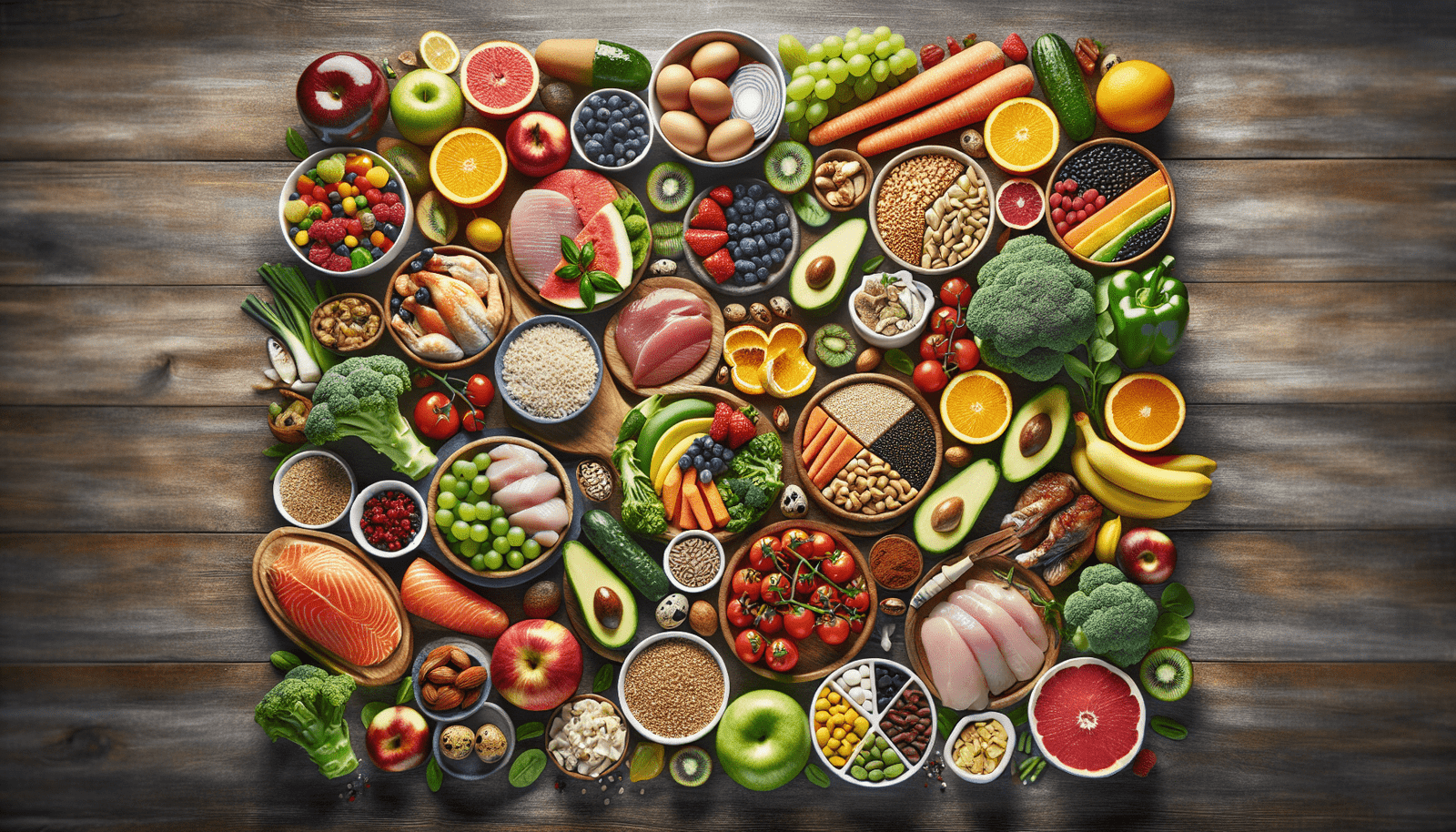
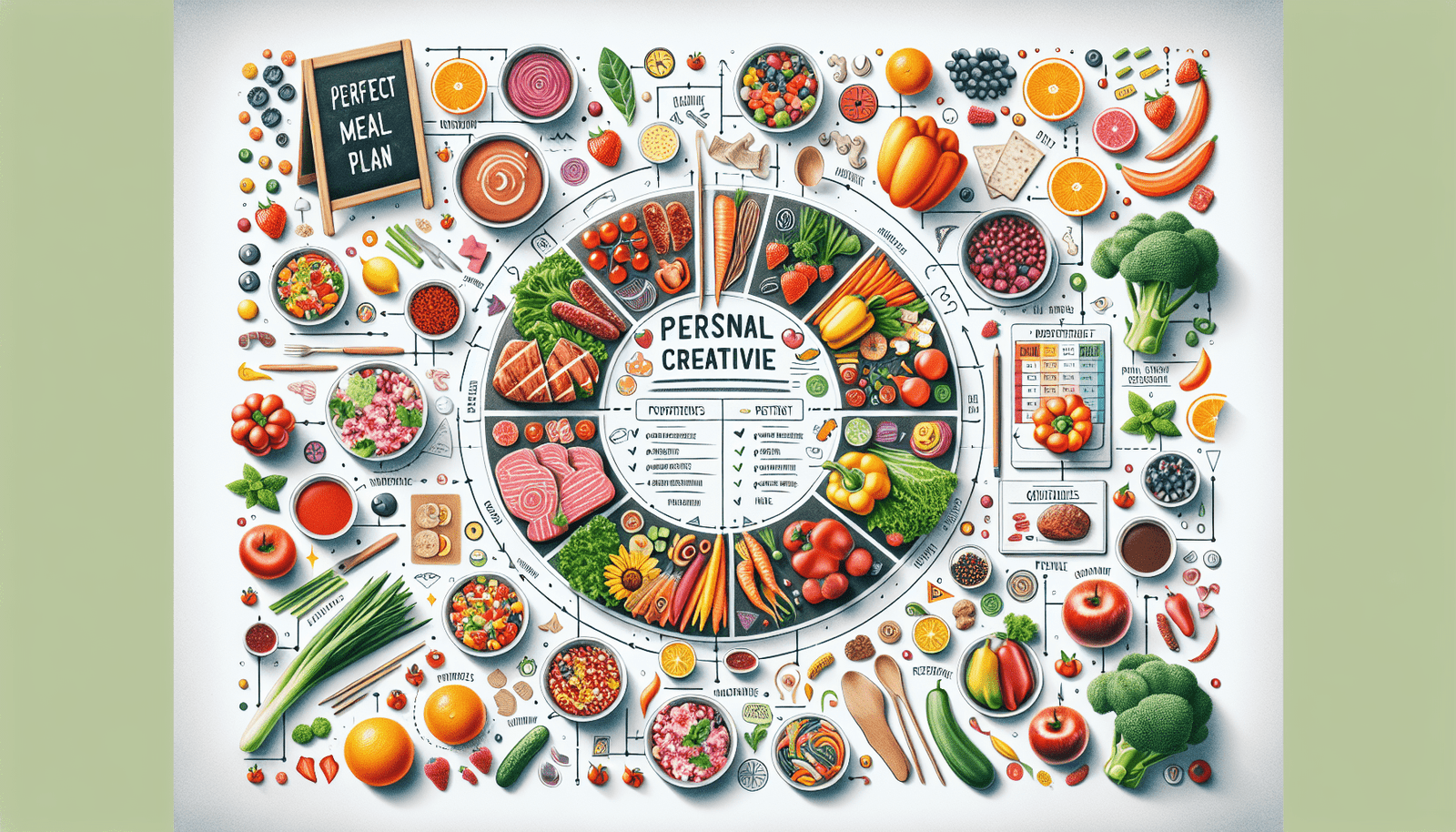
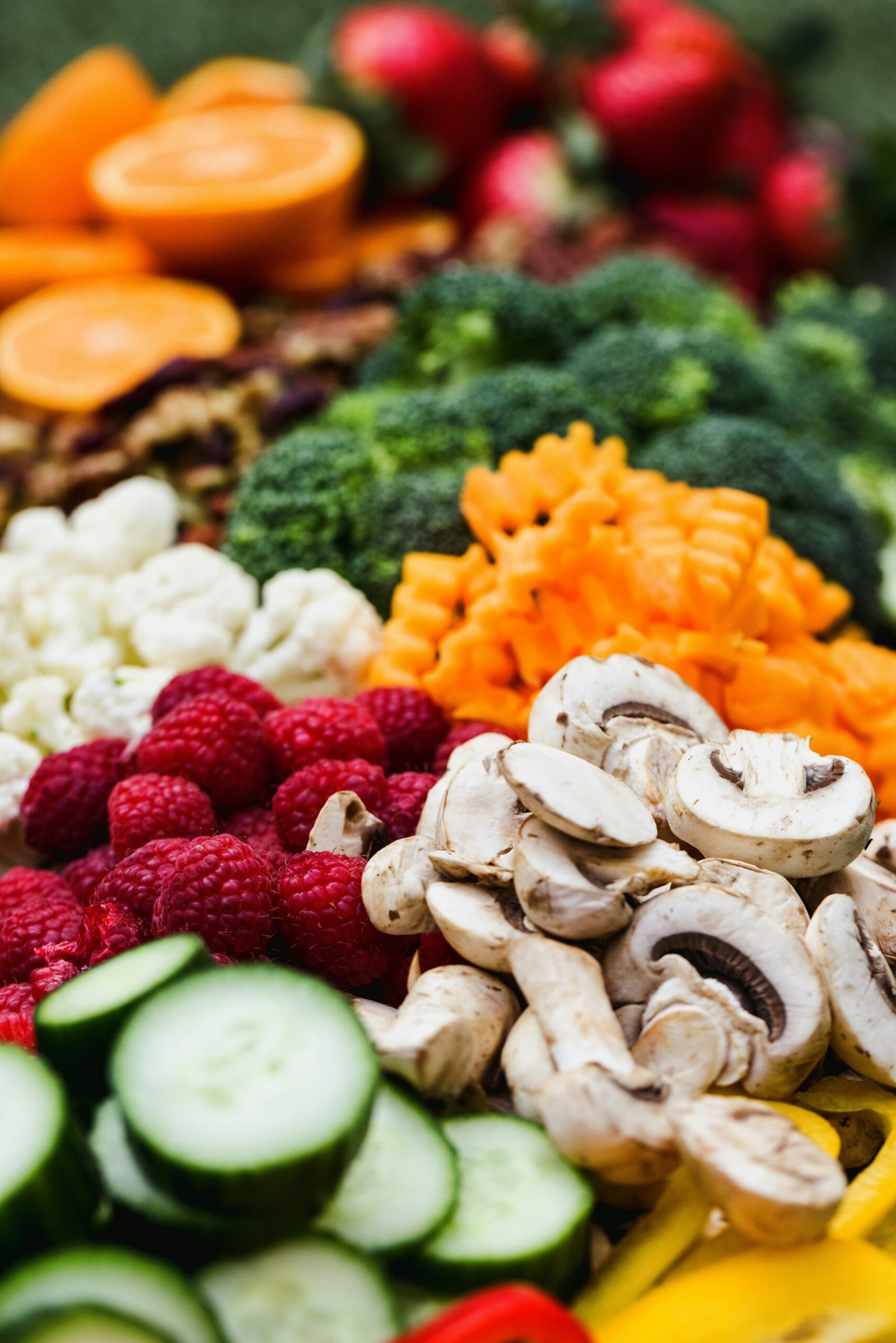
Welcome to the world of customizable meal plans! With these plans, you have the flexibility to tailor your meals to your unique preferences and dietary needs. Whether you’re looking to lose weight, build muscle, or simply eat more healthily, customizable meal plans offer you the freedom to create a menu that works best for you. Say goodbye to one-size-fits-all diets and hello to a personalized approach to eating that fits your lifestyle. Let’s explore the benefits and possibilities of customizable meal plans together! Have you ever struggled with meal planning and finding the time to make healthy meals throughout the week? If so, customizable meal plans may be the perfect solution for you. By tailoring your meals to your preferences and dietary needs, you can save time, reduce food waste, and ensure that you are eating a balanced diet. In this article, we will explore the benefits of customizable meal plans and provide tips on how to create your own.
Customizable Meal Plans

Why Choose Customizable Meal Plans?

Customizable meal plans offer a wide range of benefits for individuals looking to improve their eating habits and simplify meal preparation. By taking the time to plan out your meals in advance and customize them according to your preferences, you can:

  • Save time: With a meal plan in place, you can streamline your grocery shopping and meal preparation, saving you precious time during the week.
  • Reduce food waste: By only purchasing the ingredients you need for your planned meals, you can minimize food waste and save money in the long run.
  • Eat a balanced diet: By carefully selecting your meals and ensuring that they are nutritionally balanced, you can improve your overall health and well-being.

How to Create Your Own Customizable Meal Plan

Creating your own customizable meal plan may seem daunting at first, but with a little bit of planning and organization, you can set yourself up for success. Here are some tips to help you get started:

  1. Set Your Goals: Before you begin creating your meal plan, take some time to think about your goals. Whether you are looking to lose weight, improve your overall health, or simply save time in the kitchen, having a clear goal in mind will help you tailor your meal plan to meet your needs.

  2. Assess Your Preferences: Consider your food preferences, dietary restrictions, and cooking abilities when creating your meal plan. Make a list of your favorite foods, as well as any foods you would like to avoid or limit in your diet.

  3. Plan Your Meals: Start by planning out your meals for the week ahead. Consider incorporating a mix of proteins, carbohydrates, and vegetables into each meal to ensure that you are getting a variety of nutrients. Make sure to include some of your favorite dishes to keep things interesting.

  4. Create a Shopping List: Once you have planned out your meals, create a shopping list of the ingredients you will need. Check your pantry and fridge to see what you already have on hand, and make note of any additional items you will need to purchase.

  5. Prep Ahead of Time: To make meal preparation easier during the week, consider prepping some of your ingredients in advance. Chop vegetables, marinate meats, or cook grains ahead of time to save time during the busy workweek.

The Benefits of Customizable Meal Plans

Customizable meal plans offer a wide range of benefits for individuals looking to improve their eating habits and simplify meal preparation. Here are just a few of the benefits you can expect to enjoy when you create a customizable meal plan:

  • Improved Nutrition: By carefully selecting your meals and ensuring that they are nutritionally balanced, you can improve your overall health and well-being.
  • Cost Savings: By planning your meals in advance and only purchasing the ingredients you need, you can save money on groceries and reduce food waste.
  • Time Savings: With a meal plan in place, you can streamline your grocery shopping and meal preparation, saving you precious time during the week.
  • Variety and Flavor: By customizing your meal plan to include a mix of your favorite dishes and new recipes, you can enjoy a wider variety of flavors and cuisines.

How to Customize Your Meal Plan

One of the key benefits of customizable meal plans is the ability to tailor your meals to your preferences and dietary needs. Here are some tips on how to customize your meal plan to suit your individual tastes:

  1. Consider Your Dietary Needs: Take into account any dietary restrictions or food allergies you may have when creating your meal plan. Look for recipe ideas that cater to your specific needs, or modify existing recipes to suit your requirements.

  2. Mix and Match: Don’t be afraid to experiment with different ingredients and flavor combinations when creating your meal plan. Mix and match proteins, carbohydrates, and vegetables to create a variety of delicious and satisfying meals.

  3. Add Variety: To prevent mealtime boredom, be sure to include a mix of your favorite dishes and new recipes in your meal plan. Look for inspiration from different cuisines and cooking styles to keep things interesting.

  4. Stay Flexible: While it’s important to stick to your meal plan as much as possible, it’s also important to be flexible and adapt to changes in your schedule or preferences. If you find that a certain meal doesn’t appeal to you, feel free to swap it out for something else.
Customizable Meal Plans

Tips for Success with Customizable Meal Plans

Creating a customizable meal plan is a great way to simplify meal preparation and improve your eating habits. Here are some tips for success with customizable meal plans:

  1. Start Small: If you’re new to meal planning, start small by planning out just a few meals for the week ahead. As you become more comfortable with the process, you can gradually expand your meal planning to include more meals and snacks.

  2. Batch Cook: Consider batch cooking some of your meals to save time during the week. Cook large batches of soups, stews, or casseroles and portion them out for easy grab-and-go meals.

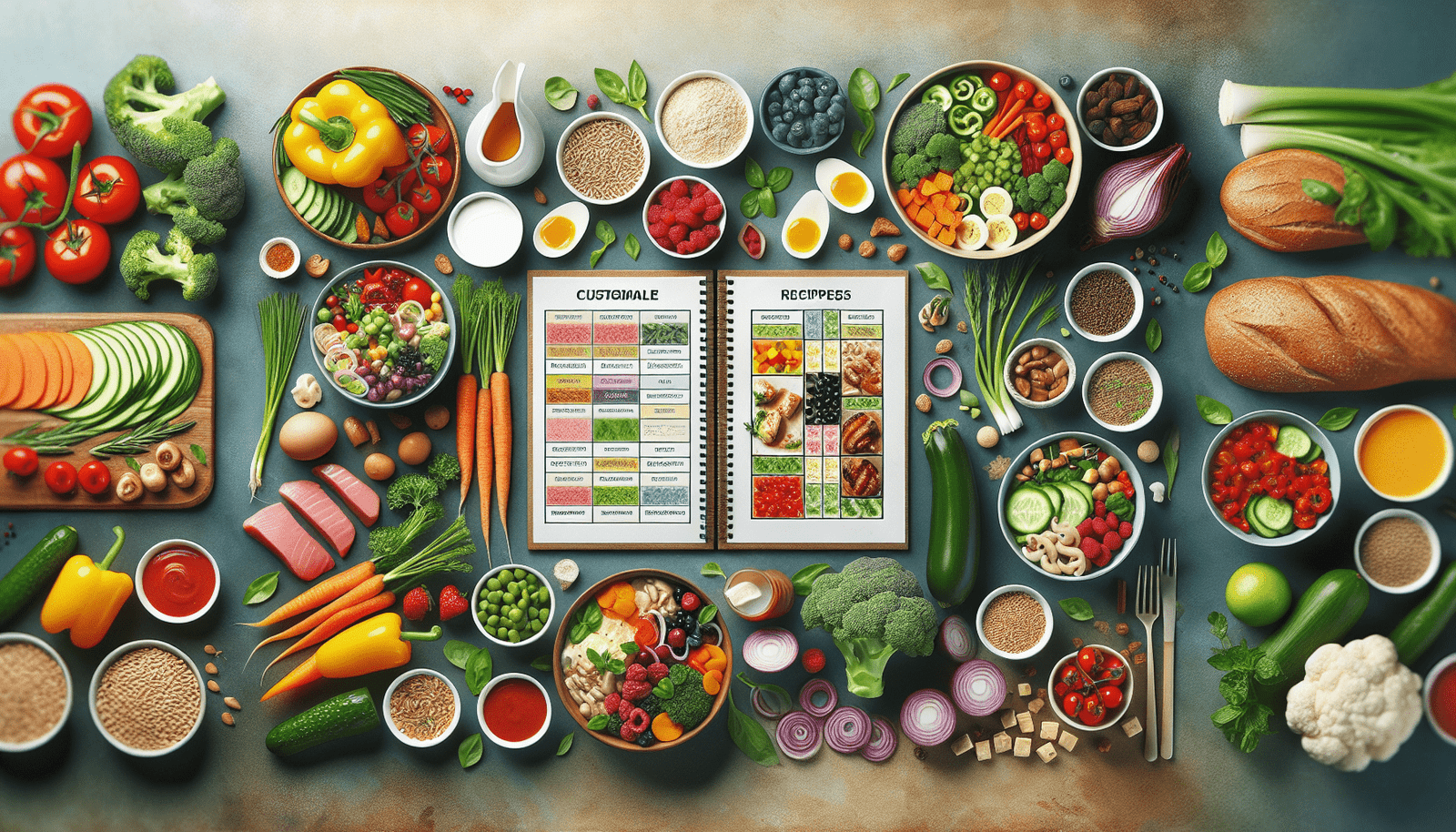
  3. Stay Organized: Keep track of your meal plan, shopping list, and recipes in a designated notebook or meal planning app. This will help you stay organized and on track with your meal planning goals.

  4. Involve Your Family: If you’re cooking for a family, involve them in the meal planning process. Take their preferences and dietary needs into account when creating your meal plan, and get them involved in meal preparation to make cooking more fun and enjoyable.

  5. Listen to Your Body: Pay attention to how your body responds to different foods and meals. If you find that certain foods are causing digestive issues or other health problems, consider modifying your meal plan to better suit your body’s needs.

Customizable Meal Plans

In Conclusion

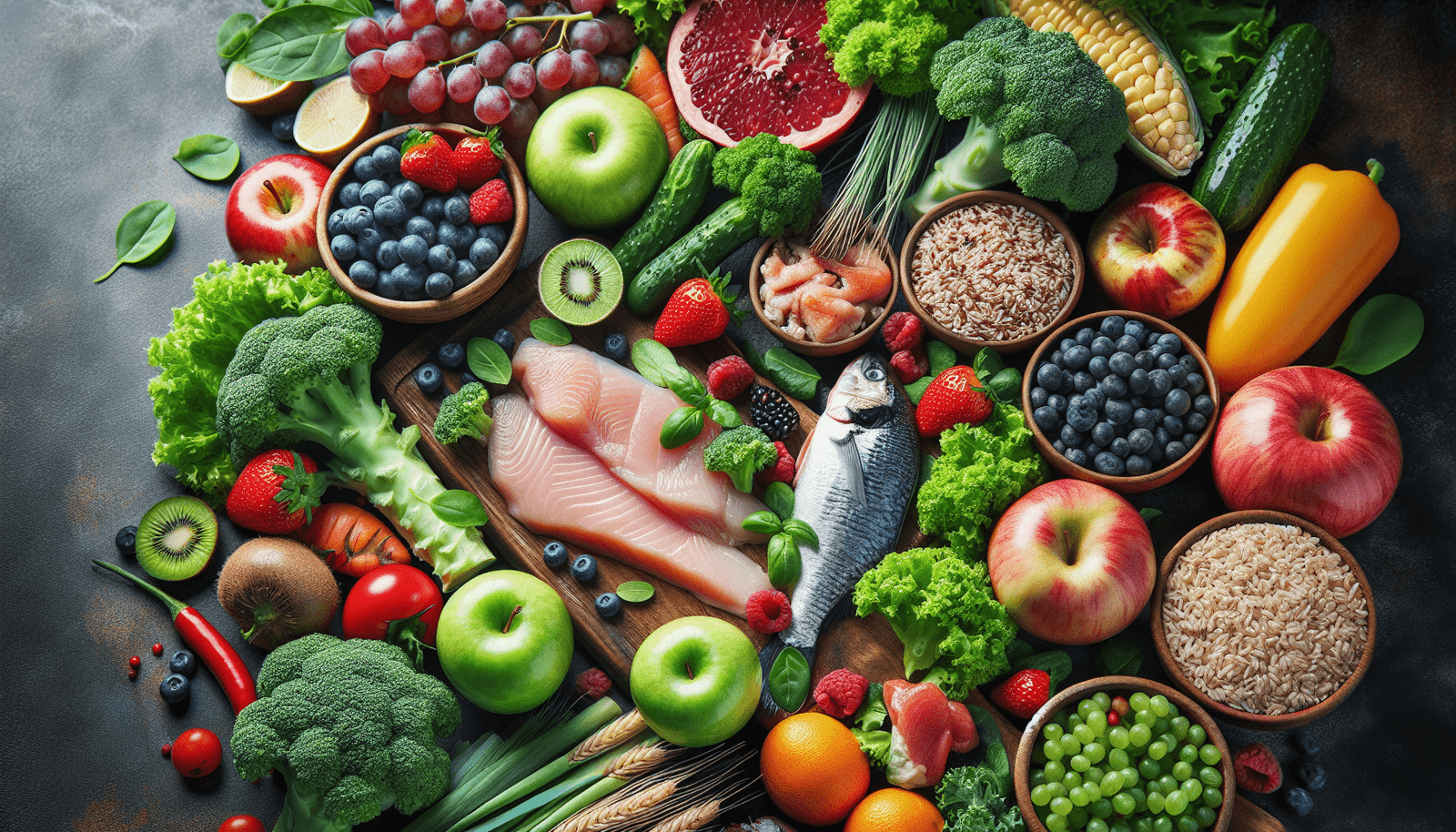
Customizable meal plans offer a convenient and effective way to improve your eating habits, save time, and reduce food waste. By creating a meal plan that is tailored to your preferences and dietary needs, you can enjoy a wide range of benefits, from improved nutrition to cost savings. Whether you’re looking to lose weight, improve your overall health, or simply save time in the kitchen, customizable meal plans offer a flexible and customizable solution for busy individuals. So why not give it a try and see the positive impact that customizable meal plans can have on your life?
Customizable Meal Plans

Meal Plans For Muscle Gain

Meal Plans For Muscle Gain

Welcome to the world of meal plans for muscle gain! If you’re looking to bulk up and build strength, having a well-rounded and nutritious meal plan is essential. From incorporating lean proteins and complex carbohydrates to ensuring you’re getting enough calories to fuel your workouts, a thorough meal plan can make all the difference in reaching your fitness goals. Get ready to elevate your muscle-building journey with these expertly crafted meal plans designed to help you achieve optimal results. It’s time to fuel your body and crush those gains! Have you been trying to pack on muscle but find yourself struggling to see any progress? Are you hitting the gym regularly but not seeing the results you desire? The key to building muscle is not only through exercise but also through proper nutrition. In this article, we will discuss meal plans for muscle gain that can help you reach your goals and see the gains you’ve been working so hard for. So, grab a snack, sit back, and let’s dive into the world of muscle-building nutrition together!

Meal Plans For Muscle Gain

Understanding Muscle Gain

Before we dive into specific meal plans, it’s crucial to understand how muscle gain works. When you engage in resistance training, whether using weights or bodyweight exercises, you create tiny tears in your muscle fibers. As your body repairs these tears, your muscles grow larger and stronger. This process requires an adequate amount of protein, healthy fats, and carbohydrates to support muscle growth.

Protein

Protein is crucial for building and repairing muscle tissue. It is made up of amino acids, which are the building blocks of muscle. When you consume protein, your body breaks it down into amino acids to repair and build new muscle tissue. Aim to include high-quality sources of protein in every meal, such as lean meats, poultry, fish, eggs, dairy products, legumes, and plant-based sources like tofu and tempeh.

Carbohydrates

Carbohydrates are your body’s primary source of energy, especially during intense workouts. They replenish glycogen stores in your muscles, providing fuel for exercise and helping you recover after a workout. Include complex carbohydrates like whole grains, fruits, vegetables, and legumes in your meals to fuel your workouts and support muscle growth.

Fats

Healthy fats play a crucial role in hormone production, including testosterone, which is essential for muscle growth. Incorporate sources of healthy fats like avocados, nuts, seeds, olive oil, and fatty fish into your meals to support overall health and muscle gain.

Calculating Your Macros

Understanding your macronutrient needs is essential for creating an effective meal plan for muscle gain. Macronutrients, or macros, are the three main components of food: protein, carbohydrates, and fats. To optimize muscle growth, you need to calculate the right balance of macros based on your goals, activity level, and body composition.

Protein Intake

To support muscle growth, aim to consume around 1.2 to 2.2 grams of protein per kilogram of body weight per day. If you are involved in intense strength training or bodybuilding, aim for the higher end of this range to ensure you have enough protein to repair and build muscle tissue.

Carbohydrate Intake

Carbohydrate needs vary depending on your activity level and goals. If you are engaging in high-intensity workouts or looking to gain muscle mass, you may need to consume more carbohydrates to support your energy needs. Aim to get around 45% to 65% of your daily calories from carbohydrates.

Fat Intake

While fats are essential for overall health and hormone production, they are also calorie-dense, so it’s essential to consume them in moderation. Aim to get around 20% to 35% of your daily calories from healthy fats to support muscle growth and overall health.

Meal Plans For Muscle Gain

Sample Meal Plan for Muscle Gain

Now that you understand the basics of muscle gain and how to calculate your macros, let’s dive into a sample meal plan that can help you reach your muscle-building goals. This meal plan is just a starting point and can be adjusted based on your individual needs and preferences.

Breakfast

  • 3 whole eggs
  • 1 cup of oatmeal with sliced banana
  • 1 tablespoon of almond butter

Mid-Morning Snack

  • Greek yogurt with mixed berries and a sprinkle of chia seeds

Lunch

  • Grilled chicken breast with quinoa and roasted vegetables

Afternoon Snack

  • Protein shake with whey protein, almond milk, and a handful of almonds

Dinner

  • Baked salmon with sweet potato and steamed broccoli

Evening Snack

  • Cottage cheese with sliced pineapple

Hydration

It’s essential to stay hydrated throughout the day, especially if you are engaging in intense workouts. Aim to drink at least 8-10 cups of water per day to support digestion, nutrient absorption, and muscle recovery.

Meal Plans For Muscle Gain

Adjusting Your Meal Plan

While the sample meal plan above can provide a good starting point, it’s crucial to adjust your meal plan based on your individual needs, preferences, and activity level. Here are some tips for adjusting your meal plan for optimal muscle gain:

Listen to Your Body

Pay attention to how your body responds to different types of food and adjust your meal plan accordingly. If you notice that certain foods make you feel bloated or sluggish, consider swapping them out for more digestible options.

Track Your Progress

Keep track of your progress by monitoring your strength gains, body composition changes, and energy levels. If you are not seeing the results you desire, consider adjusting your macros or meal timing to better support your muscle-building goals.

Meal Timing

Timing your meals around your workouts can also impact your muscle gain. Aim to consume protein and carbohydrates before and after your workouts to support muscle recovery and growth. Pre-workout meals should be higher in carbohydrates for energy, while post-workout meals should include protein for muscle repair.

Meal Plans For Muscle Gain

Supplements for Muscle Gain

While whole foods should be your primary source of nutrition, supplements can be beneficial for filling in any nutrient gaps or enhancing muscle growth. Here are some supplements that may support muscle gain:

Whey Protein

Whey protein is a quick and convenient source of protein that can be easily added to shakes, smoothies, or oats. It is rich in essential amino acids, making it ideal for post-workout recovery and muscle building.

Creatine

Creatine is a natural compound that helps to regenerate ATP, the primary source of energy for high-intensity exercise. It can improve strength, muscle size, and performance in resistance training.

BCAAs

Branch-chain amino acids (BCAAs) are essential amino acids that can support muscle recovery and growth, especially during and after intense workouts. They can be consumed before, during, or after your workouts to support muscle protein synthesis.

Meal Plans For Muscle Gain

Conclusion

Building muscle is a combination of consistent training, proper nutrition, and adequate recovery. By following a well-balanced meal plan that supports muscle growth and adjusting it based on your individual needs, you can see significant gains in strength and muscle mass. Remember to listen to your body, track your progress, and make adjustments as needed to achieve your muscle-building goals. With dedication, hard work, and the right nutrition, you can reach your goals and see the gains you’ve been working towards. Keep fueling your body with the nutrients it needs and watch your muscles grow stronger every day. Cheers to your muscle gain journey!

A Guide to Keto-Friendly Vegetables

A Guide to Keto-Friendly Vegetables

Welcome to “A Guide to Keto-Friendly Vegetables” where you will discover a variety of nutrient-packed veggies that are perfect for your ketogenic diet. Whether you’re looking to add more fiber, vitamins, and minerals to your meals or simply switch up your veggie options, this article will provide you with a comprehensive list of low-carb vegetables that will help you stay on track with your keto lifestyle. From leafy greens to cruciferous veggies, you’ll find plenty of delicious and nutritious options to incorporate into your daily meals. So, grab a pen and paper, and let’s get started on maximizing your vegetable intake while keeping it keto-friendly!

Are you looking to incorporate more vegetables into your keto diet?

Welcome to “A Guide to Keto-Friendly Vegetables”!

You may be following a ketogenic diet to help with weight loss, manage diabetes, or simply improve your overall health. Whatever your reason, it’s important to include a variety of nutrient-dense vegetables in your meals. In this guide, we will explore the best vegetables to eat on a keto diet, tips for preparing them, and how to incorporate them into your favorite recipes. Let’s get started!

Understanding the Keto Diet

Before we dive into the world of keto-friendly vegetables, let’s take a moment to understand the basics of the ketogenic diet. On a keto diet, you aim to consume high-fat, moderate-protein, and low-carb foods to put your body into a state of ketosis, where it burns fat for fuel instead of carbs. This helps you reach your weight loss and health goals more effectively.

A Guide to Keto-Friendly Vegetables

What are Net Carbs?

When following a ketogenic diet, you’ll often hear the term “net carbs.” Net carbs are total carbohydrates minus fiber and sugar alcohols, as these types of carbs have minimal impact on blood sugar levels. To calculate the net carbs in a food item, simply subtract the grams of fiber and sugar alcohols from the total carbohydrates. Keeping net carbs low is essential for staying in ketosis.

The Best Keto-Friendly Vegetables

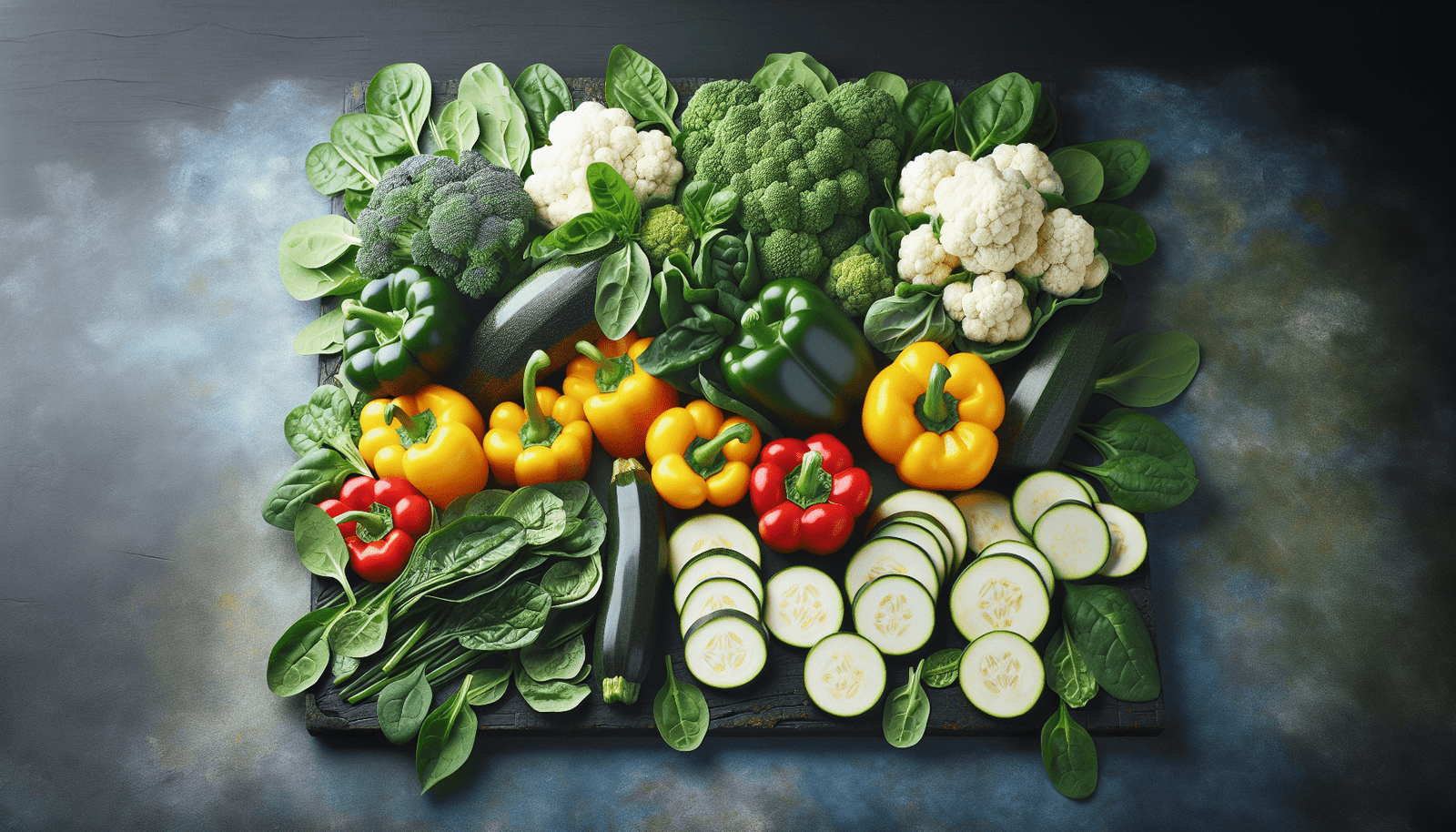
Not all vegetables are created equal when it comes to the keto diet. Some are loaded with carbs and can kick you out of ketosis, while others are low in carbs and high in nutrients. Here are some of the best keto-friendly vegetables to include in your meal plan:

Vegetable Net Carbs (per 100g) Fiber (per 100g) Notes
Spinach 1.4g 2.2g High in vitamins A and K
Broccoli 4.0g 2.6g Rich in vitamin C and folate
Cauliflower 2.9g 2.0g Versatile for low-carb recipes
Zucchini 2.1g 1.0g Great for spiralizing into noodles
Bell Peppers 4.6g 1.7g Colorful addition to salads and stir-fries
Brussels Sprouts 5.2g 3.8g Packed with antioxidants
Asparagus 1.8g 2.1g Excellent source of fiber and folate

These vegetables are not only low in net carbs but also rich in essential vitamins, minerals, and antioxidants. Including a variety of these keto-friendly vegetables in your meals will ensure you get the nutrients you need while staying in ketosis.

Leafy Greens Are Your Best Friends

Leafy greens like spinach, kale, and lettuce are some of the most keto-friendly vegetables you can eat. They are extremely low in carbs, high in fiber, and packed with vitamins and minerals. Use them as the base for salads, add them to smoothies, or sauté them as a side dish.

A Guide to Keto-Friendly Vegetables

Cruciferous Vegetables Are Key

Cruciferous vegetables, such as broccoli, cauliflower, and Brussels sprouts, are also excellent choices for a keto diet. They are high in fiber, vitamins, and antioxidants while being low in net carbs. Roast them in the oven, toss them in a stir-fry, or mash them as a low-carb alternative to mashed potatoes.

Colorful Vegetables Add Variety

Adding a pop of color to your plate with vegetables like bell peppers, zucchini, and asparagus not only makes your meal visually appealing but also provides a range of nutrients. These vegetables are versatile and can be roasted, grilled, or eaten raw for a crunchy snack.

Tips for Preparing Keto-Friendly Vegetables

Now that you know which vegetables to include in your keto meal plan, let’s talk about how to prepare them to maximize their flavor and nutrient content. Here are some tips for cooking keto-friendly vegetables:

A Guide to Keto-Friendly Vegetables

Roasting

Roasting vegetables is a great way to bring out their natural sweetness and flavors. Preheat your oven to 400°F, toss the vegetables in olive oil and seasonings of your choice, and spread them out on a baking sheet. Roast until they are tender and slightly caramelized. Roasted vegetables like cauliflower, Brussels sprouts, and asparagus make a delicious side dish or snack.

Sauteing

Sauteing vegetables in a skillet with some butter or olive oil is a quick and easy way to cook them. Heat the skillet over medium heat, add the vegetables, and stir occasionally until they are tender. Add garlic, herbs, or spices for extra flavor. Sauteed spinach, zucchini, and bell peppers make a tasty addition to omelets or salads.

A Guide to Keto-Friendly Vegetables

Steaming

Steaming is a gentle cooking method that helps vegetables retain their nutrients and vibrant colors. Fill a pot with a few inches of water, place a steamer basket inside, and bring the water to a boil. Add the vegetables to the basket, cover with a lid, and steam until tender. Steamed broccoli, cauliflower, and asparagus can be enjoyed as a simple side dish or added to soups and stir-fries.

Incorporating Keto-Friendly Vegetables into Your Meals

Eating a variety of keto-friendly vegetables doesn’t have to be boring or complicated. By getting creative in the kitchen, you can enjoy delicious and nutritious meals that support your keto lifestyle. Here are some ideas for incorporating keto-friendly vegetables into your favorite recipes:

Breakfast

Start your day with a veggie-packed breakfast by adding spinach, mushrooms, and onions to your scrambled eggs or omelet. Top with avocado slices and a sprinkle of cheese for a satisfying and nutrient-dense meal. You can also blend leafy greens into your morning smoothie for an extra boost of vitamins and minerals.

A Guide to Keto-Friendly Vegetables

Lunch

For a quick and easy keto-friendly lunch, make a colorful salad with mixed greens, cherry tomatoes, cucumbers, and bell peppers. Add grilled chicken, avocado, and a creamy dressing for a filling and flavorful meal. You can also wrap your favorite proteins and veggies in lettuce leaves for a low-carb and portable lunch option.

Dinner

Cook up a hearty keto-friendly dinner by preparing a veggie stir-fry with broccoli, cauliflower, bell peppers, and snow peas. Toss in some protein like shrimp, chicken, or tofu, and season with soy sauce or coconut aminos. Serve over cauliflower rice or zucchini noodles for a complete and satisfying meal.

Snacks

Keep keto-friendly snacks on hand by slicing up some raw veggies like celery, bell peppers, and cucumbers and pairing them with guacamole, hummus, or keto-friendly dip. Roasted seaweed snacks, cheese crisps, and kale chips are also tasty options for satisfying your cravings between meals.

Conclusion

Incorporating keto-friendly vegetables into your meal plan is essential for staying in ketosis and supporting your overall health and wellness. By choosing nutrient-dense options like leafy greens, cruciferous vegetables, and colorful veggies, you can ensure you’re getting the vitamins, minerals, and antioxidants your body needs. Experiment with different cooking methods, flavor combinations, and recipe ideas to keep your meals exciting and delicious.

If you have any questions or need further guidance on incorporating keto-friendly vegetables into your diet, feel free to reach out. Here’s to delicious and nutritious eating on your keto journey!

Top Protein Sources for the Keto Diet

Top Protein Sources for the Keto Diet

Hey there! Are you on the keto diet and looking to up your protein intake? Well, you’re in luck because in this article, we’ll be discussing the top protein sources that are perfect for the keto diet. Whether you’re a meat lover, vegetarian, or vegan, there are plenty of options to choose from that will help you meet your protein goals while staying in ketosis. Keep reading to discover some delicious and healthy protein sources to incorporate into your keto meal plan.

Top Protein Sources for the Keto Diet

Have you been wondering what the best protein sources are for your keto diet? Look no further! In this article, you will discover the top protein sources that are perfect for the keto diet. Let’s dive in!

Top Protein Sources for the Keto Diet

Understanding Protein on the Keto Diet

Before we jump into the top protein sources for the keto diet, let’s first understand the importance of protein on this particular eating plan. Protein is essential for our bodies as it helps repair tissues, build muscle, and support various bodily functions. On the keto diet, it is important to consume an adequate amount of protein to help keep you feeling full and satisfied, as well as to preserve lean muscle mass.

Impact of Protein on Ketosis

Protein, unlike carbohydrates, does not significantly impact ketosis. Consuming moderate amounts of protein will not kick you out of ketosis, as long as you keep your carb intake low. In fact, protein can actually help enhance ketosis by boosting your metabolism and promoting fat burning.

Best Protein Sources for the Keto Diet

Now that we understand the importance of protein on the keto diet, let’s explore some of the best protein sources that you can incorporate into your meals.

1. Meat

Meat is a staple protein source for those following the keto diet. It is important to choose fatty cuts of meat to ensure you are consuming an adequate amount of fat along with your protein. Some excellent meat options for the keto diet include:

  • Steak
  • Ground beef
  • Pork chops
  • Lamb
  • Bacon

For an added boost of flavor, consider marinating your meat in keto-friendly sauces or seasonings before cooking.

2. Poultry

Poultry, such as chicken and turkey, are excellent sources of protein for the keto diet. Opt for dark meat cuts like chicken thighs and drumsticks for a higher fat content. You can roast, grill, or sauté poultry with keto-friendly herbs and spices for a delicious and satisfying meal.

3. Seafood

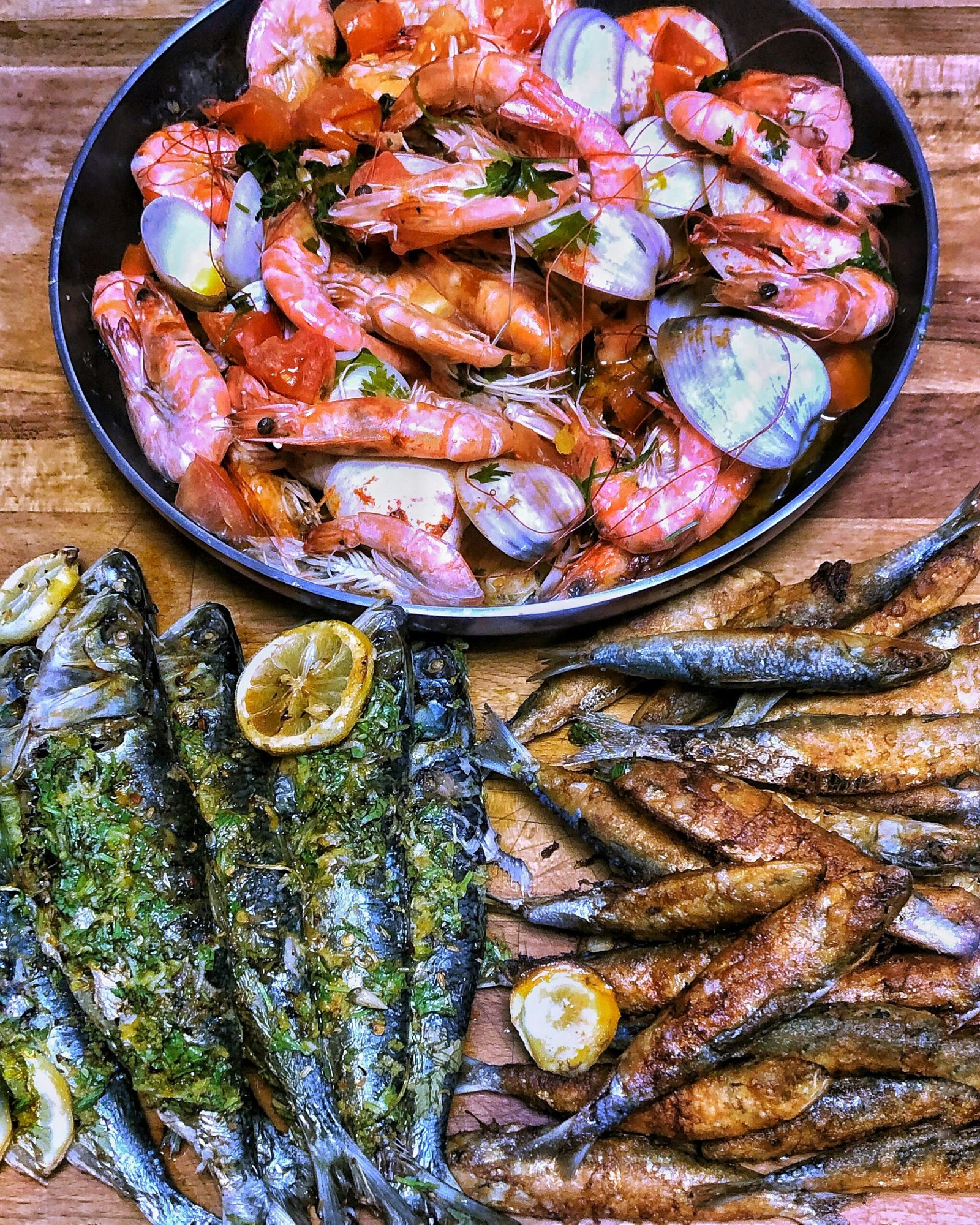
Seafood is another fantastic protein source for the keto diet. Fish and shellfish are low in carbohydrates and high in protein, making them perfect for those following a ketogenic lifestyle. Some popular seafood options include:

  • Salmon
  • Shrimp
  • Tuna
  • Cod
  • Crab

Seafood is not only nutritious but also versatile and can be cooked in a variety of ways, such as grilling, baking, or pan-searing.

4. Eggs

Eggs are a budget-friendly and versatile protein source that should have a special place in your keto meal plan. They are rich in protein and healthy fats, making them an ideal choice for breakfast, lunch, or dinner. You can enjoy eggs boiled, scrambled, poached, or as an omelet with added vegetables and cheese.

Top Protein Sources for the Keto Diet

Plant-Based Protein Options for Keto

If you follow a vegetarian or vegan keto diet, there are plenty of plant-based protein options available to help you meet your protein needs while keeping your carb intake low.

1. Tofu

Tofu is a versatile plant-based protein that can be used in a variety of dishes on the keto diet. It is low in carbs and high in protein, making it an excellent meat alternative for vegetarians and vegans. Tofu can be stir-fried, baked, or grilled with keto-friendly seasonings and sauces.

2. Tempeh

Tempeh is another soy-based protein that is popular among those following a vegetarian or vegan keto diet. It is fermented and has a nutty flavor, making it a great addition to salads, stir-fries, and sandwiches. Tempeh is high in protein and low in carbs, making it a perfect plant-based protein option for keto.

3. Nuts and Seeds

Nuts and seeds are a great source of plant-based protein and healthy fats on the keto diet. Some excellent options to include in your meals and snacks include:

  • Almonds
  • Walnuts
  • Chia seeds
  • Flaxseeds
  • Pumpkin seeds

You can enjoy nuts and seeds as a topping for salads, yogurt, or as a standalone snack to help boost your protein intake on the keto diet.

Protein Supplements for Keto

If you find it challenging to meet your protein needs through whole foods alone, protein supplements can be a convenient way to increase your protein intake on the keto diet. There are various protein powders available that are low in carbs and sugar, making them suitable for those following a ketogenic lifestyle.

Whey Protein

Whey protein is a popular supplement among athletes and fitness enthusiasts due to its high-quality protein content. It is a complete protein source that contains all essential amino acids, making it an excellent choice for muscle building and recovery. Whey protein isolate is lower in carbs and lactose, making it a suitable option for the keto diet.

Collagen Protein

Collagen protein is another fantastic supplement to consider on the keto diet. It is beneficial for joint health, skin elasticity, and gut health. Collagen protein is virtually carb-free, making it an ideal choice for those looking to increase their protein intake without impacting their ketosis.

Plant-Based Protein

If you prefer plant-based protein supplements, there are plenty of options available that are suitable for the keto diet. Plant-based protein powders made from sources like pea, brown rice, and hemp are low in carbs and can be easily incorporated into smoothies, baked goods, or homemade energy bars.

Top Protein Sources for the Keto Diet

Tips for Incorporating Protein into Your Keto Meals

Now that you know the top protein sources for the keto diet let’s explore some tips on how to incorporate protein into your meals effectively.

Plan Your Meals Ahead

Planning your meals in advance can help ensure that you are getting an adequate amount of protein throughout the day. Include protein-rich foods in every meal and snack to help keep you feeling full and satisfied while on the keto diet.

Experiment with Different Protein Sources

Don’t be afraid to try new protein sources on the keto diet. Experiment with different meats, poultry, seafood, and plant-based proteins to keep your meals exciting and diverse. Variety is key to preventing food boredom and ensuring you are meeting all your nutritional needs.

Track Your Protein Intake

Tracking your protein intake can help you stay on track with your keto diet goals. Use a food diary or a mobile app to monitor your protein consumption and make adjustments as needed to meet your protein requirements.

Combine Protein with Healthy Fats

To ensure you are getting enough fat along with your protein on the keto diet, consider cooking your protein sources in healthy fats like coconut oil, olive oil, or avocado oil. This will help you reach your daily fat intake goals while enjoying a delicious and satisfying meal.

Conclusion

Protein is an essential macronutrient that plays a crucial role on the keto diet. By incorporating a variety of protein sources into your meals, you can ensure that you are meeting your daily protein needs while staying in ketosis. Experiment with different protein options, plan your meals ahead, and track your protein intake to optimize your results on the keto diet. Start incorporating these top protein sources into your meals today and watch your keto journey flourish.

Top Protein Sources for the Keto Diet

Tips for Managing Cravings

Tips for Managing Cravings

Welcome to a helpful guide on managing cravings and hunger! Sometimes those pesky cravings can be hard to resist, but fear not, there are strategies you can use to help keep them in check. By being mindful of your eating habits, staying hydrated, and finding healthy alternatives to satisfy your cravings, you can successfully manage those moments when hunger strikes. Let’s dive into some tips that will help you stay on track with your wellness goals!

Tips for Managing Cravings

Do you find yourself constantly battling cravings for unhealthy foods? Are you struggling to stay on track with your healthy eating goals due to frequent urges for sweets, salty snacks, or other treats? If so, you’re not alone. Cravings can be a major roadblock when it comes to maintaining a healthy diet. Luckily, there are strategies you can use to manage cravings and stay on course with your eating plan.

Tips for Managing Cravings

Understanding Cravings

Before we dive into the tips for managing cravings, let’s take a moment to understand what cravings are and why they occur. Cravings are intense desires for specific foods or drinks, often ones that are high in sugar, salt, or fat. These cravings can be triggered by a variety of factors, including emotions, habits, and even biological factors.

Cravings are a common experience and are not inherently bad. However, they can derail your healthy eating efforts if not managed properly. By understanding the root cause of your cravings, you can take steps to address them effectively.

Tips for Managing Cravings

Tips for Managing Cravings

Now that we have a better understanding of what cravings are, let’s explore some practical tips for managing them. These tips can help you navigate through cravings and make healthier choices when the urge to indulge strikes.

1. Stay Hydrated

Believe it or not, thirst can sometimes be mistaken for hunger or cravings. Make sure to drink an adequate amount of water throughout the day to prevent dehydration and potential misinterpretation of thirst as hunger.

Keeping a water bottle handy and sipping on water regularly can help you stay hydrated and potentially reduce cravings for unhealthy foods.

2. Eat Regular Meals

Skipping meals or going too long without eating can lead to unstable blood sugar levels, which can trigger cravings for sugary or high-fat foods. Aim to have balanced meals at regular intervals to keep your blood sugar levels steady.

By fueling your body with nutritious meals and snacks at regular intervals, you can prevent extreme hunger and the subsequent cravings that often accompany it.

3. Include Protein and Fiber in Your Diet

Protein and fiber are two nutrients that can help you feel full and satisfied after eating. Including sources of protein and fiber in your meals and snacks can help you curb cravings and prevent overeating.

Try incorporating foods like lean meats, tofu, beans, nuts, seeds, fruits, vegetables, and whole grains into your diet to increase your intake of protein and fiber.

4. Practice Mindful Eating

Mindful eating involves paying attention to your food choices, eating slowly, and savoring each bite. By practicing mindfulness during meals, you can become more attuned to your body’s hunger and fullness cues, which can help you make better food choices and reduce cravings.

Take the time to enjoy your meals without distractions, such as phones or computers. Focus on the flavors, textures, and smells of your food to fully engage your senses and promote mindful eating.

5. Find Healthy Replacements

When cravings strike, try to find healthier alternatives to satisfy your cravings. For example, if you’re craving something sweet, opt for a piece of fruit or a small serving of dark chocolate instead of a sugary dessert.

Having healthier options readily available can help you make nutritious choices when cravings arise and prevent you from giving in to unhealthy temptations.

6. Get Enough Sleep

Lack of sleep can disrupt hunger hormones and increase cravings for high-calorie foods. Aim to get at least 7-8 hours of quality sleep each night to support your overall health and well-being.

Prioritizing sleep and establishing a consistent bedtime routine can help regulate your appetite and reduce the likelihood of experiencing intense cravings due to sleep deprivation.

7. Manage Stress

Emotional eating is a common trigger for cravings, especially for comfort foods like sweets or salty snacks. Finding healthy ways to manage stress, such as exercise, meditation, or talking to a friend, can help you avoid turning to food for comfort.

Engaging in stress-reducing activities can help you cope with emotional triggers and prevent cravings from disrupting your healthy eating habits.

8. Keep Tempting Foods Out of Sight

Out of sight, out of mind! To reduce the likelihood of succumbing to unhealthy cravings, try to keep tempting foods out of your line of sight. Store them in less accessible places or replace them with healthier options.

By creating an environment that supports your healthy eating goals, you can minimize the temptation to indulge in unhealthy foods and make it easier to stick to your plan.

9. Practice Self-Compassion

It’s important to remember that occasional cravings or slip-ups are a normal part of the journey toward better health. Be kind to yourself and practice self-compassion when faced with cravings or moments of weakness.

Instead of berating yourself for giving in to cravings, acknowledge the experience, learn from it, and move forward with renewed motivation to make healthier choices in the future.

Tips for Managing Cravings

Conclusion

Cravings are a common challenge that many people face when trying to maintain a healthy diet. By understanding the factors that contribute to cravings and implementing practical tips for managing them, you can navigate through temptations and make healthier choices that support your well-being.

Remember, it’s okay to indulge in treats occasionally, but the key is to find a balance that allows you to enjoy your favorite foods while also prioritizing nutritious choices. By incorporating these tips into your daily routine and staying mindful of your eating habits, you can successfully manage cravings and stay on track with your health goals.

Tips for Managing Cravings