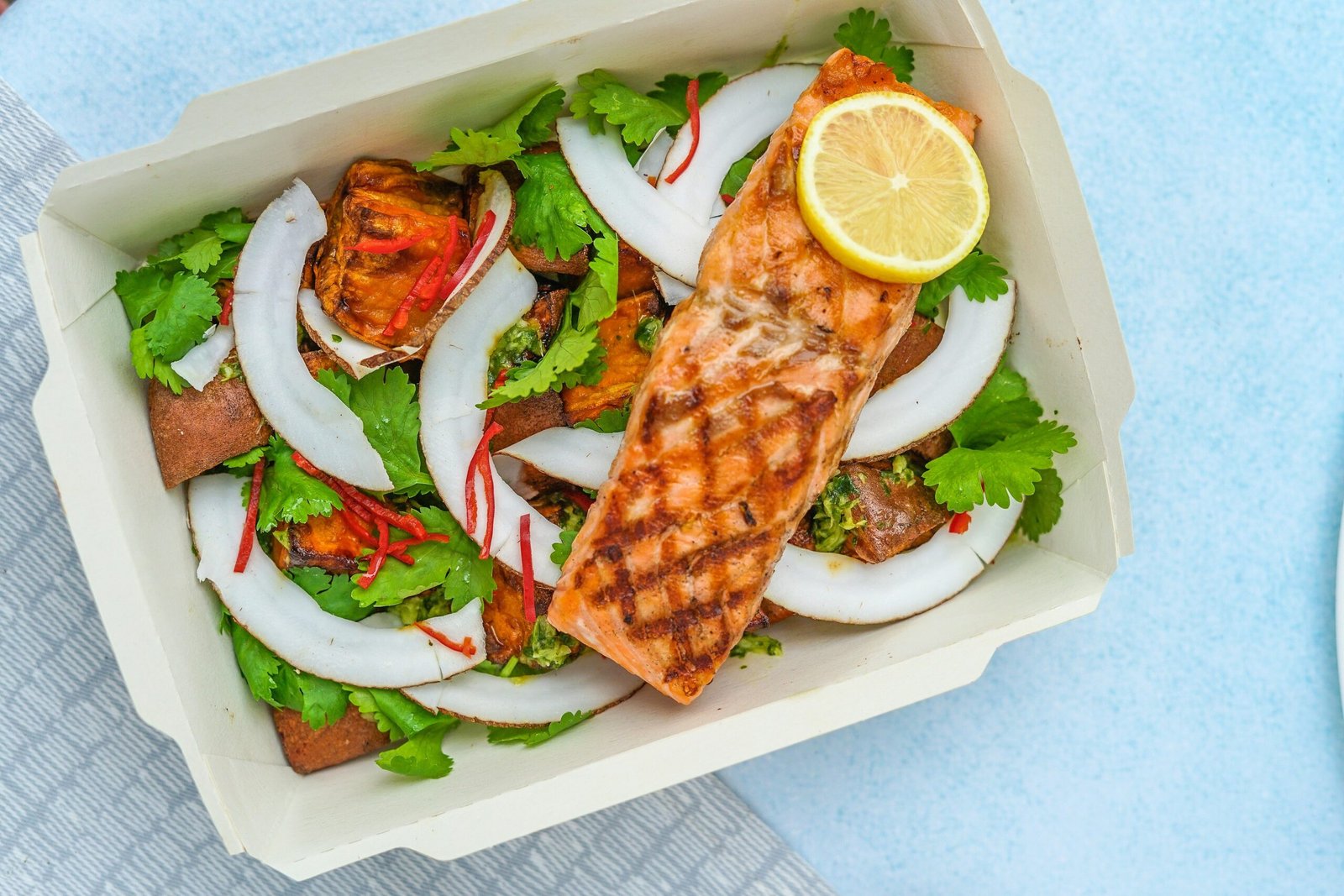
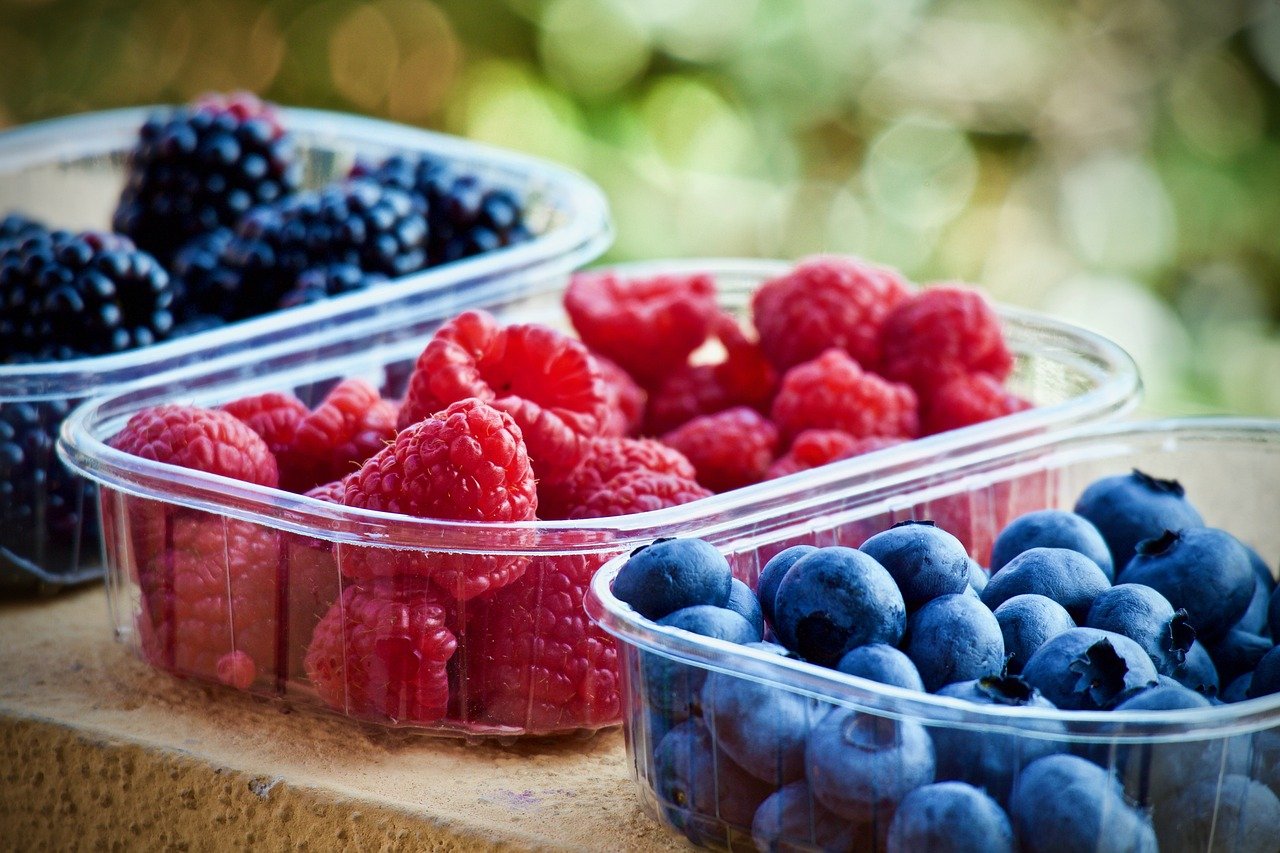
A Guide to Keto-Friendly Vegetables

A Guide to Keto-Friendly Vegetables

Welcome to “A Guide to Keto-Friendly Vegetables” where you will discover a variety of nutrient-packed veggies that are perfect for your ketogenic diet. Whether you’re looking to add more fiber, vitamins, and minerals to your meals or simply switch up your veggie options, this article will provide you with a comprehensive list of low-carb vegetables that will help you stay on track with your keto lifestyle. From leafy greens to cruciferous veggies, you’ll find plenty of delicious and nutritious options to incorporate into your daily meals. So, grab a pen and paper, and let’s get started on maximizing your vegetable intake while keeping it keto-friendly!

Are you looking to incorporate more vegetables into your keto diet?

Welcome to “A Guide to Keto-Friendly Vegetables”!

You may be following a ketogenic diet to help with weight loss, manage diabetes, or simply improve your overall health. Whatever your reason, it’s important to include a variety of nutrient-dense vegetables in your meals. In this guide, we will explore the best vegetables to eat on a keto diet, tips for preparing them, and how to incorporate them into your favorite recipes. Let’s get started!

Understanding the Keto Diet

Before we dive into the world of keto-friendly vegetables, let’s take a moment to understand the basics of the ketogenic diet. On a keto diet, you aim to consume high-fat, moderate-protein, and low-carb foods to put your body into a state of ketosis, where it burns fat for fuel instead of carbs. This helps you reach your weight loss and health goals more effectively.

A Guide to Keto-Friendly Vegetables

What are Net Carbs?

When following a ketogenic diet, you’ll often hear the term “net carbs.” Net carbs are total carbohydrates minus fiber and sugar alcohols, as these types of carbs have minimal impact on blood sugar levels. To calculate the net carbs in a food item, simply subtract the grams of fiber and sugar alcohols from the total carbohydrates. Keeping net carbs low is essential for staying in ketosis.

The Best Keto-Friendly Vegetables

Not all vegetables are created equal when it comes to the keto diet. Some are loaded with carbs and can kick you out of ketosis, while others are low in carbs and high in nutrients. Here are some of the best keto-friendly vegetables to include in your meal plan:

Vegetable Net Carbs (per 100g) Fiber (per 100g) Notes
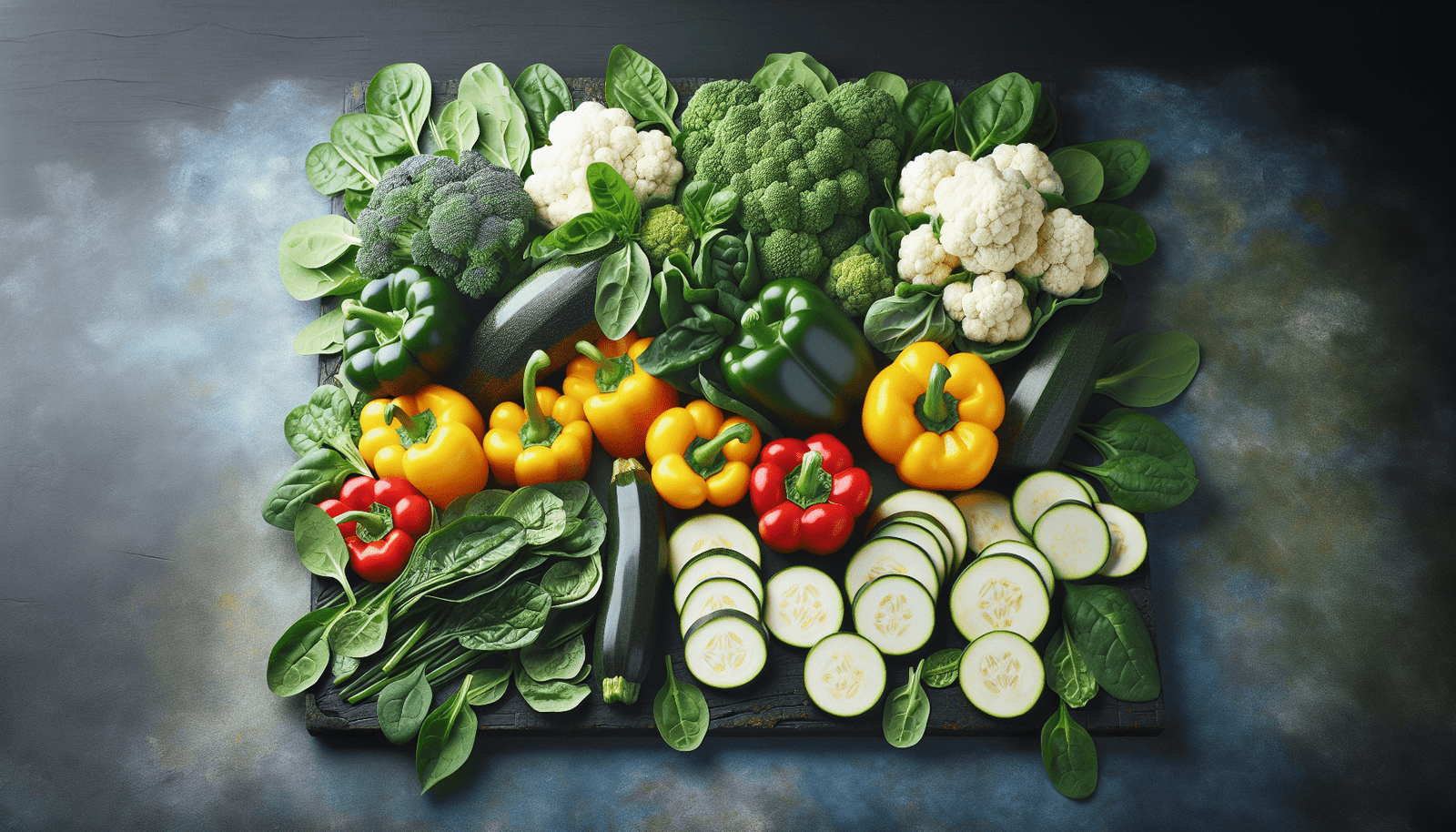
Spinach 1.4g 2.2g High in vitamins A and K
Broccoli 4.0g 2.6g Rich in vitamin C and folate
Cauliflower 2.9g 2.0g Versatile for low-carb recipes
Zucchini 2.1g 1.0g Great for spiralizing into noodles
Bell Peppers 4.6g 1.7g Colorful addition to salads and stir-fries
Brussels Sprouts 5.2g 3.8g Packed with antioxidants
Asparagus 1.8g 2.1g Excellent source of fiber and folate

These vegetables are not only low in net carbs but also rich in essential vitamins, minerals, and antioxidants. Including a variety of these keto-friendly vegetables in your meals will ensure you get the nutrients you need while staying in ketosis.

Leafy Greens Are Your Best Friends

Leafy greens like spinach, kale, and lettuce are some of the most keto-friendly vegetables you can eat. They are extremely low in carbs, high in fiber, and packed with vitamins and minerals. Use them as the base for salads, add them to smoothies, or sauté them as a side dish.

A Guide to Keto-Friendly Vegetables

Cruciferous Vegetables Are Key

Cruciferous vegetables, such as broccoli, cauliflower, and Brussels sprouts, are also excellent choices for a keto diet. They are high in fiber, vitamins, and antioxidants while being low in net carbs. Roast them in the oven, toss them in a stir-fry, or mash them as a low-carb alternative to mashed potatoes.

Colorful Vegetables Add Variety

Adding a pop of color to your plate with vegetables like bell peppers, zucchini, and asparagus not only makes your meal visually appealing but also provides a range of nutrients. These vegetables are versatile and can be roasted, grilled, or eaten raw for a crunchy snack.

Tips for Preparing Keto-Friendly Vegetables

Now that you know which vegetables to include in your keto meal plan, let’s talk about how to prepare them to maximize their flavor and nutrient content. Here are some tips for cooking keto-friendly vegetables:

A Guide to Keto-Friendly Vegetables

Roasting

Roasting vegetables is a great way to bring out their natural sweetness and flavors. Preheat your oven to 400°F, toss the vegetables in olive oil and seasonings of your choice, and spread them out on a baking sheet. Roast until they are tender and slightly caramelized. Roasted vegetables like cauliflower, Brussels sprouts, and asparagus make a delicious side dish or snack.

Sauteing

Sauteing vegetables in a skillet with some butter or olive oil is a quick and easy way to cook them. Heat the skillet over medium heat, add the vegetables, and stir occasionally until they are tender. Add garlic, herbs, or spices for extra flavor. Sauteed spinach, zucchini, and bell peppers make a tasty addition to omelets or salads.
A Guide to Keto-Friendly Vegetables

Steaming

Steaming is a gentle cooking method that helps vegetables retain their nutrients and vibrant colors. Fill a pot with a few inches of water, place a steamer basket inside, and bring the water to a boil. Add the vegetables to the basket, cover with a lid, and steam until tender. Steamed broccoli, cauliflower, and asparagus can be enjoyed as a simple side dish or added to soups and stir-fries.

Incorporating Keto-Friendly Vegetables into Your Meals

Eating a variety of keto-friendly vegetables doesn’t have to be boring or complicated. By getting creative in the kitchen, you can enjoy delicious and nutritious meals that support your keto lifestyle. Here are some ideas for incorporating keto-friendly vegetables into your favorite recipes:

Breakfast

Start your day with a veggie-packed breakfast by adding spinach, mushrooms, and onions to your scrambled eggs or omelet. Top with avocado slices and a sprinkle of cheese for a satisfying and nutrient-dense meal. You can also blend leafy greens into your morning smoothie for an extra boost of vitamins and minerals.
A Guide to Keto-Friendly Vegetables

Lunch

For a quick and easy keto-friendly lunch, make a colorful salad with mixed greens, cherry tomatoes, cucumbers, and bell peppers. Add grilled chicken, avocado, and a creamy dressing for a filling and flavorful meal. You can also wrap your favorite proteins and veggies in lettuce leaves for a low-carb and portable lunch option.

Dinner

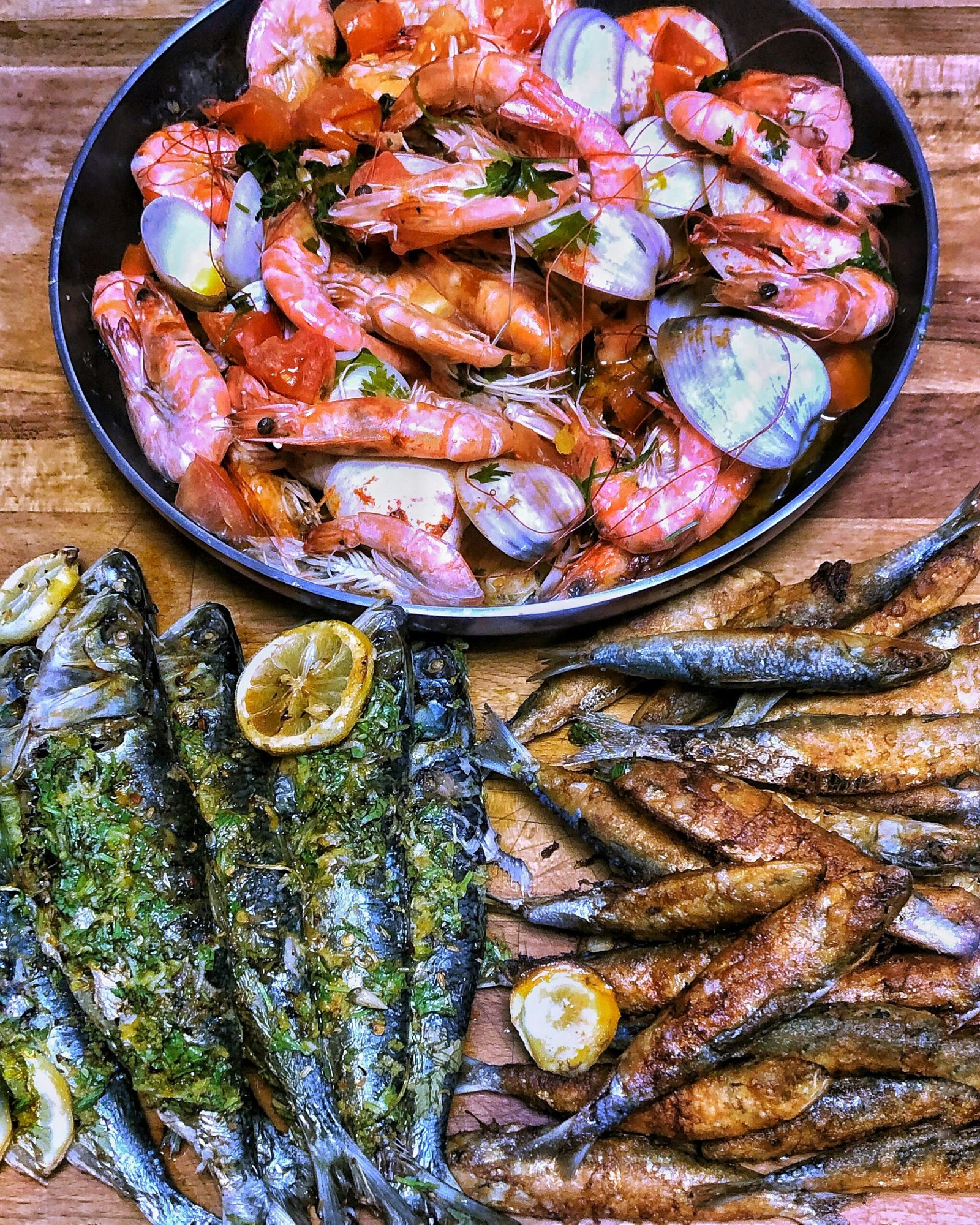
Cook up a hearty keto-friendly dinner by preparing a veggie stir-fry with broccoli, cauliflower, bell peppers, and snow peas. Toss in some protein like shrimp, chicken, or tofu, and season with soy sauce or coconut aminos. Serve over cauliflower rice or zucchini noodles for a complete and satisfying meal.

Snacks

Keep keto-friendly snacks on hand by slicing up some raw veggies like celery, bell peppers, and cucumbers and pairing them with guacamole, hummus, or keto-friendly dip. Roasted seaweed snacks, cheese crisps, and kale chips are also tasty options for satisfying your cravings between meals.

Conclusion

Incorporating keto-friendly vegetables into your meal plan is essential for staying in ketosis and supporting your overall health and wellness. By choosing nutrient-dense options like leafy greens, cruciferous vegetables, and colorful veggies, you can ensure you’re getting the vitamins, minerals, and antioxidants your body needs. Experiment with different cooking methods, flavor combinations, and recipe ideas to keep your meals exciting and delicious.

If you have any questions or need further guidance on incorporating keto-friendly vegetables into your diet, feel free to reach out. Here’s to delicious and nutritious eating on your keto journey!

Top Protein Sources for the Keto Diet

Top Protein Sources for the Keto Diet

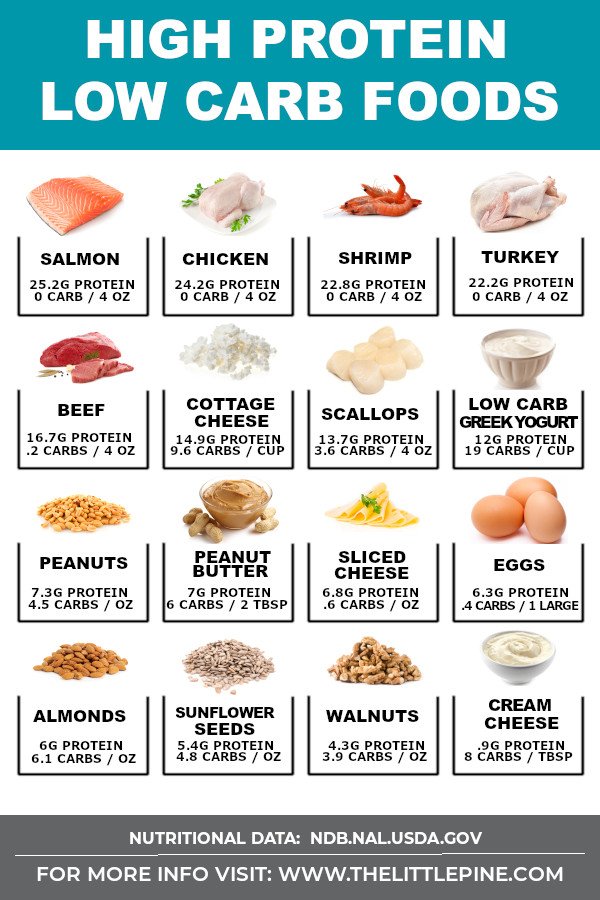
Welcome to the ultimate guide on the top protein sources for the Keto diet! Whether you’re following a strict Keto regimen or just looking to incorporate more protein into your meals, this article will provide you with a variety of delicious and healthy options to help you meet your protein goals while staying in ketosis. From grass-fed beef and wild-caught salmon to eggs and nuts, we’ve got you covered with the best protein sources to keep you feeling satisfied and energized on your Keto journey. So let’s dive in and explore the wonderful world of protein-rich foods that are perfect for your Keto lifestyle!

Top Protein Sources for the Keto Diet

Are you looking to incorporate more protein into your Keto diet but unsure where to start? Look no further! In this article, we will explore some of the top protein sources that are Keto-friendly. From animal-based to plant-based options, we’ve got you covered. Let’s dive in and discover delicious ways to meet your protein needs while following the Keto lifestyle.

Top Protein Sources for the Keto Diet

Understanding Protein on the Keto Diet

Before we jump into the top protein sources, let’s first understand the importance of protein on the Keto diet. Protein plays a crucial role in maintaining lean muscle mass, supporting fat loss, and keeping you feeling full and satisfied. On a Keto diet, it’s essential to choose high-quality protein sources that are low in carbs to stay in a state of ketosis.

When selecting protein sources, opt for options that are minimally processed and free from added sugars and preservatives. Stick to whole foods whenever possible to ensure you’re getting the most nutrients and benefits from your protein sources.

What is the Keto Diet?

The Keto diet, short for ketogenic diet, is a high-fat, moderate-protein, and low-carb eating plan designed to shift your body into a state of ketosis. In ketosis, your body burns fat for fuel instead of carbohydrates, resulting in weight loss and improved energy levels. By focusing on protein sources that are low in carbs, you can support ketosis and maximize the benefits of the Keto diet.

Top Protein Sources for the Keto Diet

Animal-Based Protein Sources

Animal-based protein sources are rich in essential nutrients like amino acids, iron, and B vitamins. When following a Keto diet, aim to choose lean cuts of meat and poultry that are free from hormones and antibiotics. Here are some top animal-based protein sources to include in your Keto meal plan:

1. Beef

Beef is a nutrient-dense protein source that is rich in iron, zinc, and vitamin B12. Opt for grass-fed and organic beef whenever possible to ensure you’re getting the highest quality protein. Include cuts like sirloin, flank, and ground beef in your Keto recipes for a delicious and satisfying meal.

2. Chicken

Chicken is a versatile protein source that can be enjoyed in various dishes on the Keto diet. Choose skinless chicken breasts or thighs to keep the fat content in check while still meeting your protein needs. Whether baked, grilled, or sautéed, chicken is a staple ingredient that can be incorporated into salads, stir-fries, and soups.

3. Turkey

Turkey is an excellent lean protein source that is low in fat and high in protein, making it ideal for a Keto diet. Enjoy roasted turkey breast or ground turkey in your favorite recipes for a hearty and nutritious meal. Turkey is also a good source of selenium and niacin, which are essential for overall health and well-being.

Top Protein Sources for the Keto Diet

Plant-Based Protein Sources

Plant-based protein sources are a great option for vegetarians and vegans following a Keto diet. While plants contain lower amounts of protein compared to animal products, incorporating a variety of plant-based protein sources can help you meet your daily protein requirements. Here are some top plant-based protein sources to add to your Keto meal plan:

1. Tofu

Tofu is a versatile protein source made from soybeans and is a staple in vegan and vegetarian diets. Tofu is low in carbs and high in protein, making it an excellent option for the Keto diet. Use tofu in stir-fries, salads, and soups for a plant-based protein boost that will keep you feeling full and satisfied.

2. Tempeh

Tempeh is a fermented soybean product that is rich in protein, fiber, and probiotics. Tempeh has a nutty flavor and firm texture, making it a popular meat substitute in Keto recipes. Enjoy tempeh marinated and grilled, crumbled and sautéed, or sliced and baked for a delicious and filling plant-based protein option.

3. Nuts and Seeds

Nuts and seeds are nutrient-dense foods that are rich in protein, healthy fats, and fiber. Incorporate almonds, walnuts, chia seeds, and flaxseeds into your Keto meal plan to boost your protein intake and add variety to your diet. Nuts and seeds can be enjoyed as snacks, added to salads or smoothies, or used as toppings for yogurt or oatmeal.

Top Protein Sources for the Keto Diet

Combining Protein Sources for Optimal Nutrition

To maximize the benefits of the Keto diet, consider combining different protein sources to ensure you’re getting a well-rounded mix of nutrients. By including a variety of animal-based and plant-based proteins in your meals, you can meet your protein needs while enjoying a diverse and flavorful diet. Here are some tips for combining protein sources for optimal nutrition on the Keto diet:

1. Mix and Match

Experiment with different protein sources to keep your meals exciting and satisfying. Try combining chicken with tofu in a stir-fry, or pair beef with tempeh in a salad for a unique flavor profile. Mixing and matching protein sources can help you meet your protein needs while adding variety to your Keto meal plan.

2. Balance Macros

Pay attention to your macronutrient balance when combining protein sources on the Keto diet. Aim to include a mix of protein, fats, and carbs in each meal to support ketosis and maintain energy levels. By balancing your macros, you can create delicious and nutritious dishes that will keep you feeling full and satisfied throughout the day.

3. Focus on Quality

Choose high-quality protein sources that are free from additives, preservatives, and artificial ingredients. Opt for organic, grass-fed, and non-GMO proteins whenever possible to ensure you’re getting the most nutrients and benefits from your food. By focusing on quality, you can support your overall health and well-being while following the Keto diet.

Top Protein Sources for the Keto Diet

Conclusion

Incorporating protein-rich foods into your Keto meal plan is essential for supporting muscle growth, fat loss, and overall health. By choosing high-quality protein sources that are low in carbs, you can stay in ketosis and maximize the benefits of the Keto diet. Whether you prefer animal-based or plant-based proteins, there are plenty of delicious options to explore on your Keto journey. Experiment with different protein sources, get creative in the kitchen, and enjoy the amazing flavors and nutrients that protein-rich foods have to offer. Cheers to a healthy and protein-packed Keto lifestyle!

The Ultimate Guide to Reading Food Labels on Keto

The Ultimate Guide to Reading Food Labels on Keto

Welcome to “The Ultimate Guide to Reading Food Labels on Keto!” In this article, you will learn the essential tips and tricks for decoding food labels to stay on track with your ketogenic diet. Understanding the information on food labels is crucial for making informed choices and reaching your health and wellness goals. Whether you’re a seasoned keto enthusiast or just starting out, this guide will help you navigate the supermarket aisles with confidence. Get ready to make smarter choices and fuel your body with the right foods for success on the keto diet.

Have you ever wondered how to navigate food labels while following a keto diet?

If you’re following a keto diet, understanding how to read food labels becomes crucial to ensuring you’re staying within your daily carb limit. With the abundance of food products on the market, deciphering labels can be overwhelming. But fear not, this ultimate guide will provide you with all the information you need to confidently read food labels on keto.

The Ultimate Guide to Reading Food Labels on Keto

What to Look for on a Keto-Friendly Food Label

When you’re following a keto diet, the key is to consume foods that are high in fat, moderate in protein, and low in carbs. Here are the main things to look for on a food label to determine if a product is keto-friendly:

Total Carbohydrates

You’ll want to pay close attention to the total carbohydrate content on the label. On a keto diet, the general rule is to consume no more than 20-50 grams of carbs per day, depending on your individual needs. To calculate the net carbs of a product, simply subtract the dietary fiber and sugar alcohols from the total carbs.

Dietary Fiber

Fiber is an essential nutrient on a keto diet as it helps to keep you feeling full and aids in digestion. Look for products high in fiber, as it can help offset the total carb count.

Sugar Alcohols

Sugar alcohols are a type of sweetener that are commonly found in low-carb and sugar-free products. While they do contribute to the total carb count, they have less of an impact on blood sugar levels. It’s important to note that not all sugar alcohols are keto-friendly, so be sure to read the label carefully.

Fat Content

Fat is your primary source of energy on a keto diet, so you’ll want to choose products that are high in healthy fats. Look for products that are rich in sources like avocado oil, coconut oil, and grass-fed butter.

Protein Content

While protein is an important part of any diet, it’s essential to moderate your intake on a keto diet to ensure you’re not consuming too many grams, which can kick you out of ketosis. Look for products that have a moderate amount of protein per serving.

Ingredients List

One of the best indicators of a product’s quality is the ingredients list. Look for whole, unprocessed foods and avoid products with added sugars, artificial flavors, and preservatives.

Understanding Serving Sizes on Food Labels

It’s essential to pay attention to the serving size listed on a food label, as it can greatly impact the nutritional information. Many people make the mistake of assuming the entire package is one serving, leading to potential overconsumption of calories, carbs, and other nutrients.

When evaluating the serving size, be mindful of how much you typically consume in one sitting and adjust the nutritional information accordingly. If you’re unsure about portion sizes, measuring cups and food scales can be valuable tools to help you accurately track your intake.

The Ultimate Guide to Reading Food Labels on Keto

Deciphering the % Daily Value on Food Labels

The % Daily Value (DV) listed on a food label provides an estimate of how much a specific nutrient contributes to your daily intake based on a 2,000 calorie diet. While this can be a useful reference point, it’s important to remember that your individual needs may vary.

When looking at the % DV, aim for foods that are high in nutrients like fiber, vitamins, and minerals and lower in nutrients like saturated fat, sodium, and added sugars. Keep in mind that the % DV is based on a general guideline and may not align with your specific dietary goals on a keto diet.

Key Ingredients to Avoid on Keto-Friendly Food Labels

While many foods can be part of a well-rounded keto diet, there are certain ingredients you’ll want to steer clear of to stay in line with your low-carb goals. Here are some key ingredients to avoid when reading food labels on a keto diet:

Added Sugars

Added sugars can quickly spike your blood sugar levels and lead to cravings for more sweets. Be on the lookout for ingredients like cane sugar, high-fructose corn syrup, and dextrose on food labels.

Artificial Sweeteners

While artificial sweeteners are marketed as zero-calorie alternatives to sugar, some may still have an impact on your blood sugar levels and overall health. Steer clear of sweeteners like aspartame, sucralose, and saccharin if you’re looking to keep your diet as natural as possible.

Trans Fats

Trans fats are known to raise bad cholesterol levels and increase your risk of heart disease. Be wary of products that contain hydrogenated or partially hydrogenated oils on the ingredients list.

High-Carb Ingredients

To stay within your daily carb limit on a keto diet, it’s crucial to avoid high-carb ingredients like wheat flour, corn syrup, and maltodextrin. Opt for low-carb alternatives like almond flour, coconut flour, and erythritol instead.

The Ultimate Guide to Reading Food Labels on Keto

How to Spot Hidden Carbs on Food Labels

While some products may seem keto-friendly at first glance, hidden carbs can lurk in unexpected places. Here are some tips to help you spot hidden carbs on food labels:

Check the Ingredients List

Even if a product claims to be low-carb, always check the ingredients list for hidden sugars, starches, and fillers that can add up quickly. Ingredients like maltodextrin, corn syrup solids, and maltitol can all contribute to your daily carb count.

Be Wary of Processed Foods

Processed foods often contain added sugars, preservatives, and other hidden carbs to enhance flavor and shelf life. Stick to whole, unprocessed foods whenever possible to minimize your carb intake.

Watch for Serving Sizes

Some products may seem low in carbs per serving, but if you’re likely to consume multiple servings in one sitting, the carb count can add up fast. Always consider your typical portion sizes when evaluating the nutritional information on a food label.

Be Mindful of “Net Carb” Claims

Some products may advertise a low net carb count, but be cautious of companies using tricky marketing tactics to make their products seem more keto-friendly than they are. Always verify the net carb calculation yourself by subtracting fiber and sugar alcohols from the total carbs.

Tips for Making Informed Choices When Reading Food Labels on Keto

Navigating food labels on a keto diet can be challenging, but with a little practice and the right knowledge, you can make informed choices about the foods you consume. Here are some tips to help you when reading food labels on keto:

Plan Ahead

Before heading to the grocery store, take some time to research keto-friendly brands and products that align with your dietary goals. Having a list of approved foods can help streamline your shopping process and prevent impulse buys.

Use Food Tracking Apps

Food tracking apps like MyFitnessPal, Cronometer, and Carb Manager can be invaluable tools for keeping track of your daily intake and monitoring your macros. These apps can help you quickly input nutritional information from food labels and ensure you’re staying within your carb limit.

Shop the Perimeter of the Grocery Store

The perimeter of the grocery store is typically where you’ll find fresh produce, meats, and dairy – all staples of a keto diet. By focusing on whole, unprocessed foods, you can avoid the majority of processed products that tend to be high in carbs and additives.

Experiment with New Ingredients

As you become more familiar with reading food labels on a keto diet, don’t be afraid to experiment with new ingredients and recipes to keep your meals exciting. Ingredients like almond flour, coconut oil, and erythritol can help you create delicious keto-friendly dishes without sacrificing flavor.

Consult with a Registered Dietitian

If you’re unsure about how to interpret food labels or need personalized guidance on your keto diet, consider consulting with a registered dietitian who specializes in low-carb nutrition. A dietitian can help you create a meal plan, track your progress, and make adjustments to ensure you’re meeting your dietary goals.

The Ultimate Guide to Reading Food Labels on Keto

Final Thoughts

Reading food labels on a keto diet doesn’t have to be a daunting task. By familiarizing yourself with the key components to look for on a label, understanding serving sizes, and being mindful of hidden carbs, you can confidently make informed choices about the foods you consume. Remember, the ultimate goal is to nourish your body with nutrient-dense, whole foods that support your health and wellness on your keto journey. Happy label reading!

A Guide to Keto-Friendly Vegetables

A Guide to Keto-Friendly Vegetables

Welcome to your guide on keto-friendly vegetables! Whether you’re just starting out on the ketogenic diet or looking to incorporate more low-carb veggies into your meals, this article will provide you with a comprehensive list of vegetables that are perfect for staying in ketosis. From leafy greens to cruciferous vegetables, you’ll discover the best options to help you maintain your ketogenic lifestyle while still enjoying a variety of delicious and nutritious foods. Let’s dive in and explore the wonderful world of keto-friendly vegetables together!

A Guide to Keto-Friendly Vegetables

Are you following a keto diet and looking to incorporate more vegetables into your meals? Are you wondering which vegetables are low in carbs and high in nutrients? Look no further! In this guide, you will find a comprehensive list of keto-friendly vegetables to help you stay on track with your ketogenic lifestyle.

A Guide to Keto-Friendly Vegetables

What is a Keto-Friendly Vegetable?

Before we dive into our list of keto-friendly vegetables, let’s first clarify what makes a vegetable suitable for a ketogenic diet. In general, keto-friendly vegetables are low in carbohydrates and high in fiber and nutrients. These vegetables typically have a low glycemic index, which means they have a minimal impact on blood sugar levels. Incorporating these vegetables into your meals can help you stay within your daily carb limit while providing essential vitamins and minerals.

Leafy Greens

Leafy greens are a staple in any keto diet due to their low carb content and high nutrient density. These vegetables are rich in vitamins A, C, and K, as well as minerals like iron and calcium. Some popular leafy greens to include in your keto meals are:

  • Spinach
  • Kale
  • Swiss chard
  • Romaine lettuce
  • Arugula

Adding leafy greens to salads, omelets, and stir-fries can boost the nutrient content of your meals without adding significant carbs.

Cruciferous Vegetables

Cruciferous vegetables are another excellent choice for keto dieters as they are low in carbs and high in fiber. These vegetables also contain compounds that have anti-inflammatory and antioxidant properties. Some keto-friendly cruciferous vegetables include:

  • Broccoli
  • Cauliflower
  • Brussels sprouts
  • Cabbage
  • Bok choy

Roasting or sautéing cruciferous vegetables with olive oil and seasonings can enhance their flavor while keeping your carb intake in check.

Avocado

While technically a fruit, avocado is often considered a vegetable in culinary terms and is a must-have for keto enthusiasts. Avocados are high in healthy fats, fiber, and potassium, making them an excellent addition to keto meals. You can enjoy avocado slices on top of salads, as a spread on keto bread, or blended into creamy smoothies.

Keto-Friendly Vegetables to Enjoy in Moderation

While the vegetables mentioned above are excellent choices for a keto diet, there are some vegetables that should be consumed in moderation due to their slightly higher carb content. These vegetables can still be included in your meals but should be portioned carefully to avoid exceeding your daily carb limit.

Bell Peppers

Bell peppers are flavorful and colorful additions to keto meals, but they contain more carbs than leafy greens or cruciferous vegetables. Red, yellow, and orange bell peppers are slightly higher in natural sugars than green bell peppers, so it’s best to enjoy them in moderation. You can use bell peppers in omelets, fajitas, or stuffed with ground meat and cheese for a delicious keto-friendly meal.

Zucchini

Zucchini is a versatile vegetable that can be spiralized into noodles, grilled as a side dish, or baked into keto-friendly bread and muffins. While zucchini is relatively low in carbs, it is still higher in carbs compared to leafy greens and cruciferous vegetables. Enjoy zucchini in moderation to avoid exceeding your daily carb limit.

Tomatoes

Tomatoes are a controversial vegetable in the keto community due to their slightly higher carb content. While tomatoes are rich in vitamins and antioxidants, they contain more natural sugars than other keto-friendly vegetables. If you choose to include tomatoes in your meals, opt for cherry tomatoes or sun-dried tomatoes, which are lower in carbs than regular tomatoes.

A Guide to Keto-Friendly Vegetables

Vegetables to Limit on a Keto Diet

While most vegetables can be included in a ketogenic diet in moderation, there are a few high-carb vegetables that should be limited or avoided altogether. These vegetables are significantly higher in carbs and can quickly add up, pushing you out of ketosis if consumed in large quantities.

Carrots

Carrots are naturally sweet and contain a higher sugar content compared to other vegetables, making them less keto-friendly. While a small serving of carrots can be enjoyed occasionally, it’s best to limit your intake to stay within your daily carb limit.

Potatoes

Potatoes, including white potatoes, sweet potatoes, and yams, are high in starch and carbs, making them unsuitable for a keto diet. These vegetables are best avoided on a ketogenic meal plan to maintain a state of ketosis and promote fat burning.

Corn

Corn is another high-carb vegetable that should be avoided on a keto diet. Whether fresh, canned, or frozen, corn contains a significant amount of starch and sugars, which can hinder your progress on a ketogenic diet. Instead of corn, opt for lower-carb alternatives like cauliflower or bell peppers.

How to Incorporate Keto-Friendly Vegetables Into Your Meals

Now that you have a list of keto-friendly vegetables to choose from, it’s time to get creative in the kitchen and incorporate these veggies into your meals. Here are some tips on how to make the most of your keto-friendly vegetables:

Meal Prep

Prepping your veggies ahead of time can save you time and make it easier to stay on track with your keto diet. Wash, chop, and portion out your vegetables at the beginning of the week so you can easily add them to meals throughout the week.

Roasting and Sautéing

Roasting and sautéing vegetables can enhance their flavor and texture without adding extra carbs. Drizzle olive oil over your veggies, sprinkle with seasonings like garlic powder and paprika, and roast in the oven until crispy and caramelized.

Spiralizing

If you’re craving pasta but want to stick to your keto diet, consider spiralizing zucchini or yellow squash into noodles. Top your veggie noodles with keto-friendly sauces like pesto or marinara for a satisfying and low-carb meal.

Blending

Incorporate leafy greens like spinach and kale into smoothies for a nutrient-packed breakfast or snack. Blend greens with avocado, unsweetened almond milk, and a scoop of protein powder for a delicious and filling smoothie that will keep you satisfied.

A Guide to Keto-Friendly Vegetables

Conclusion

In conclusion, incorporating keto-friendly vegetables into your meals is an essential part of maintaining a healthy and balanced ketogenic diet. By choosing low-carb, nutrient-dense vegetables like leafy greens, cruciferous vegetables, and avocado, you can stay within your daily carb limit while reaping the benefits of essential vitamins and minerals. Remember to enjoy vegetables in moderation, be mindful of higher-carb options, and get creative in the kitchen with different cooking methods and recipes to keep your meals exciting and flavorful. Here’s to happy and healthy eating on your keto journey!

Discover the Power of Micronutrient-Rich Foods

Discover the Power of Micronutrient-Rich Foods

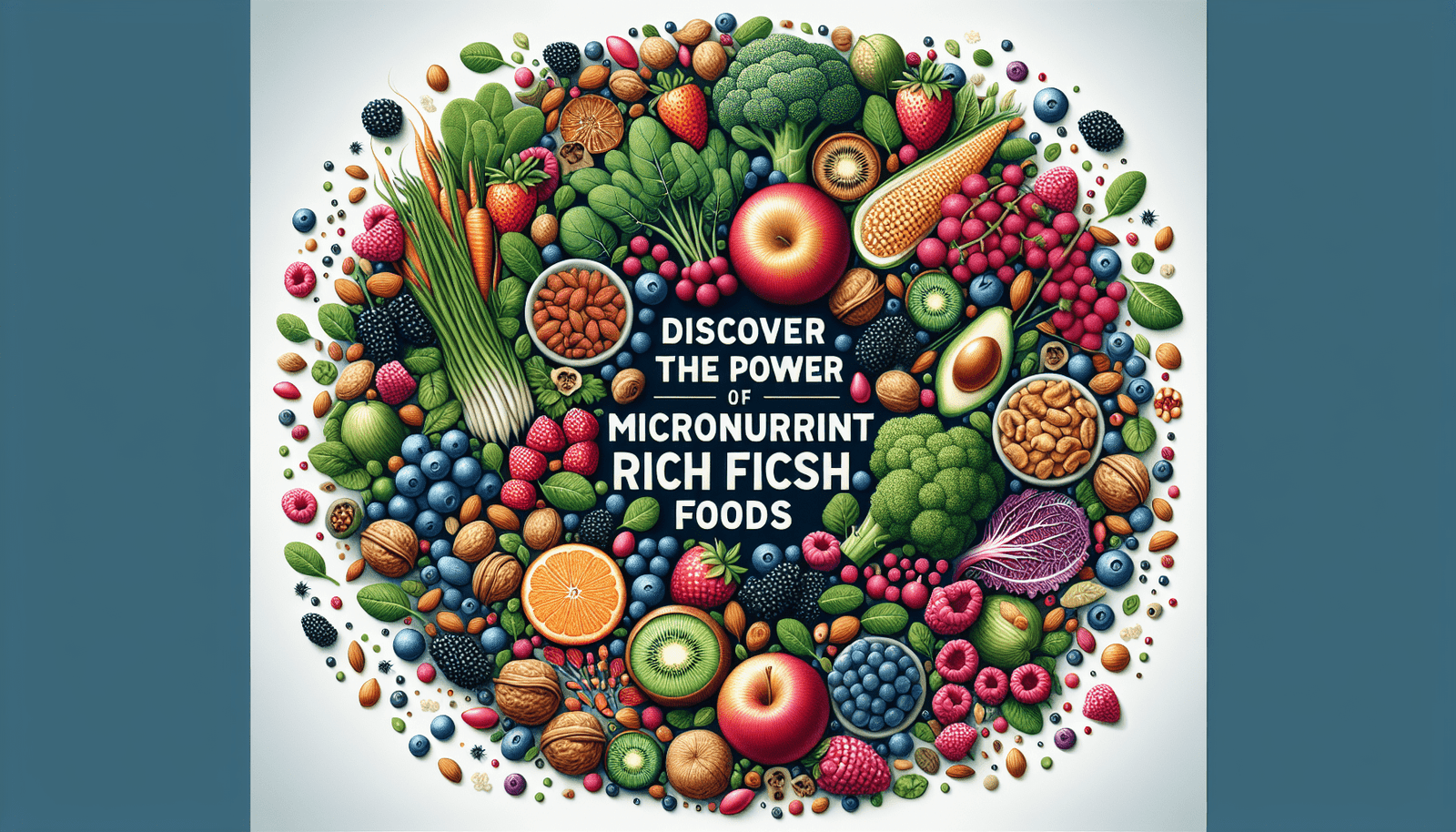
Hello there! Are you looking to boost your overall health and well-being? Look no further than micronutrient-rich foods. These powerful foods are packed with essential vitamins and minerals that can help support your immune system, improve your energy levels, and enhance your overall vitality. In this article, we will explore the benefits of incorporating micronutrient-rich foods into your daily diet and how they can positively impact your health. Let’s dive in and discover the power of micronutrient-rich foods together!

Discover the Power of Micronutrient-Rich Foods

Have you ever wondered how the food you eat impacts your overall health and well-being? In this article, you will explore the incredible benefits of consuming micronutrient-rich foods. From vibrant fruits and vegetables to nutrient-dense seeds and nuts, you will uncover the key to optimal health and vitality. Let’s dive in and discover the power of micronutrient-rich foods!

Discover the Power of Micronutrient-Rich Foods

What Are Micronutrients?

Before we delve into the world of micronutrient-rich foods, let’s first understand what micronutrients are. Micronutrients are essential vitamins and minerals that are required by the body in small amounts to function properly. While macronutrients such as carbohydrates, proteins, and fats provide the body with energy, micronutrients play a crucial role in various physiological processes, including metabolism, immune function, and cell growth.

Micronutrients can be divided into two categories: vitamins and minerals. Vitamins are organic compounds that are necessary for normal growth and development, while minerals are inorganic elements that are vital for a wide range of bodily functions. Consuming a variety of micronutrient-rich foods is essential to ensure you are meeting your body’s daily requirements.

Discover the Power of Micronutrient-Rich Foods

The Benefits of Micronutrients

Now that you understand the importance of micronutrients let’s explore the incredible benefits they offer. Micronutrients play a crucial role in supporting overall health and well-being, from promoting a strong immune system to maintaining healthy skin and hair. By incorporating a variety of micronutrient-rich foods into your diet, you can experience a wide range of benefits that will enhance your quality of life.

Supports Immune Function

One of the key benefits of consuming micronutrient-rich foods is the support they provide to your immune system. Vitamins such as vitamin C, vitamin D, and zinc play a vital role in boosting immunity and defending the body against infections and diseases. By regularly consuming foods rich in these micronutrients, you can strengthen your immune response and reduce the risk of falling ill.

Promotes Healthy Skin and Hair

Micronutrients also play a significant role in promoting healthy skin and hair. Vitamins such as vitamin A, vitamin E, and biotin are essential for maintaining healthy skin cells and promoting hair growth. By incorporating foods rich in these micronutrients into your diet, you can achieve glowing skin and luscious locks that radiate health and vitality.

Discover the Power of Micronutrient-Rich Foods

Micronutrient-Rich Foods to Include in Your Diet

Now that you understand the benefits of micronutrients, it’s time to explore the variety of foods that are rich in these essential vitamins and minerals. From colorful fruits and vegetables to nutrient-dense seeds and nuts, there are countless options to choose from that will help you meet your body’s daily requirements. Let’s take a closer look at some micronutrient-rich foods to include in your diet.

Food Micronutrient Content
Spinach Iron, Vitamin A, Vitamin K
Blueberries Vitamin C, Fiber, Antioxidants
Almonds Vitamin E, Magnesium, Healthy Fats
Salmon Omega-3 Fatty Acids, Protein, Vitamin D
Avocado Potassium, Vitamin E, Healthy Fats

Leafy Greens

Leafy greens such as spinach, kale, and Swiss chard are excellent sources of micronutrients, including iron, vitamin A, and vitamin K. These nutrient-packed greens are high in antioxidants and fiber, making them a valuable addition to any diet. Incorporating leafy greens into your meals can help boost your energy levels and support overall health.

Berries

Berries such as blueberries, strawberries, and raspberries are rich in vitamin C, fiber, and antioxidants. These vibrant fruits are not only delicious but also offer a wide range of health benefits. From supporting heart health to improving cognitive function, berries are a fantastic way to add sweetness and nutrients to your diet.

Nuts and Seeds

Nuts and seeds, such as almonds, chia seeds, and flaxseeds, are excellent sources of essential micronutrients. Almonds are rich in vitamin E, magnesium, and healthy fats, while chia seeds and flaxseeds are packed with omega-3 fatty acids and fiber. Including a variety of nuts and seeds in your diet can help support brain health, reduce inflammation, and promote healthy digestion.

Fatty Fish

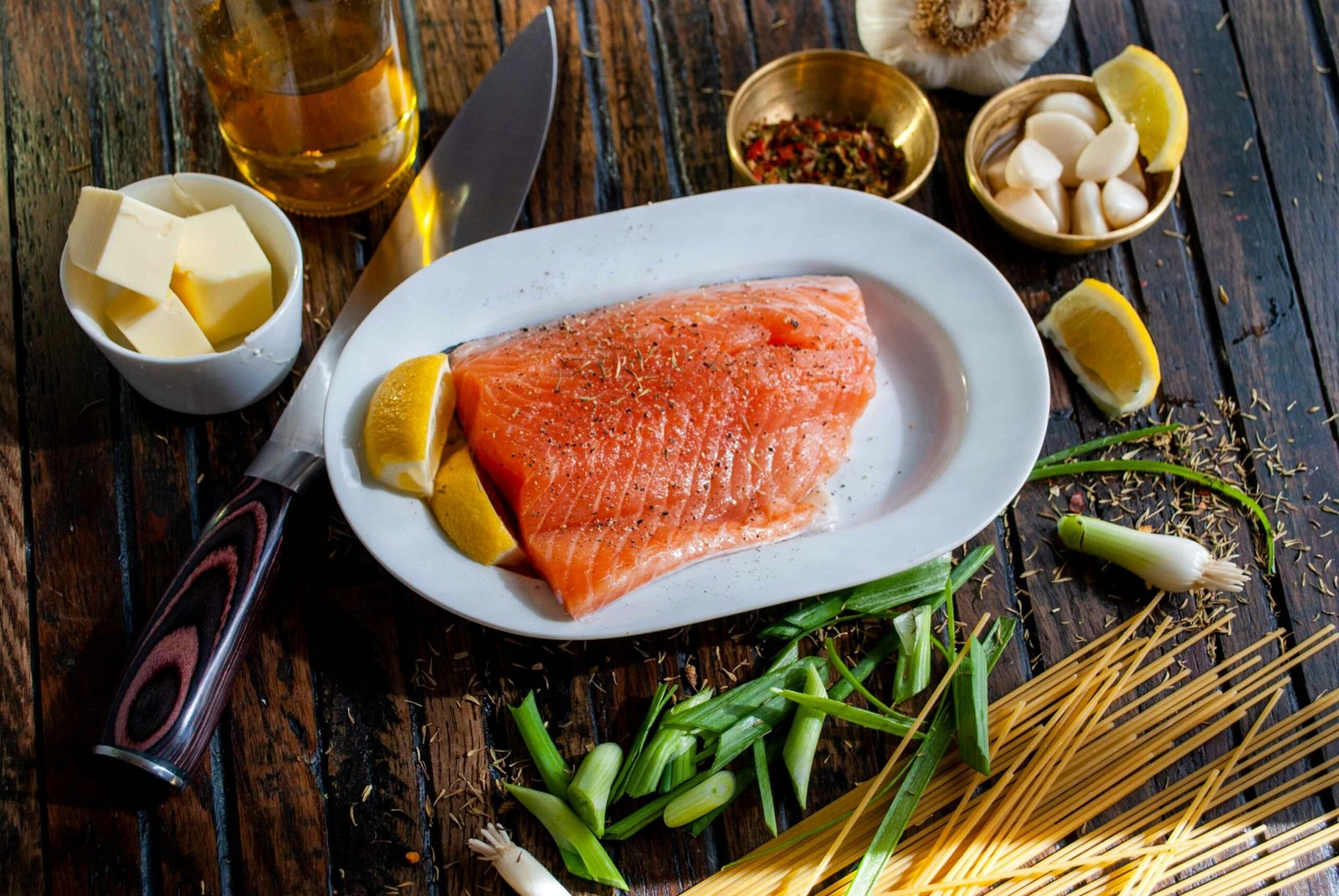
Fatty fish such as salmon, mackerel, and sardines are loaded with omega-3 fatty acids, protein, and vitamin D. These nutrient-dense fish offer a wide range of health benefits, including supporting heart health, reducing inflammation, and promoting brain function. Incorporating fatty fish into your diet a few times a week can have a significant impact on your overall well-being.

Avocado

Avocado is a unique fruit that is rich in potassium, vitamin E, and healthy fats. This creamy fruit is a versatile ingredient that can be enjoyed in salads, sandwiches, smoothies, and more. Avocado offers numerous health benefits, including supporting heart health, reducing inflammation, and promoting healthy skin and hair. Adding avocado to your meals is a delicious way to increase your intake of essential micronutrients.

Discover the Power of Micronutrient-Rich Foods

Tips for Incorporating Micronutrient-Rich Foods Into Your Diet

Now that you are familiar with the variety of micronutrient-rich foods available, let’s discuss some tips on how to incorporate them into your daily diet. By making simple changes to your eating habits, you can enjoy the incredible benefits of micronutrients and improve your overall health.

Plan Your Meals

One of the best ways to ensure you are consuming an adequate amount of micronutrient-rich foods is to plan your meals in advance. Take the time to create a weekly meal plan that includes a variety of fruits, vegetables, nuts, seeds, and lean proteins. Planning your meals ahead of time can help you make healthier choices and avoid reaching for processed and unhealthy foods.

Snack Smart

Snacking can be a great way to increase your intake of micronutrients throughout the day. Instead of reaching for sugary or salty snacks, opt for nutrient-dense options such as fresh fruit, raw vegetables, or mixed nuts. Keeping healthy snacks on hand can help curb cravings and provide your body with essential vitamins and minerals to keep you energized and satisfied.

Experiment with New Recipes

Trying out new recipes is a fun and exciting way to incorporate micronutrient-rich foods into your diet. Look for creative and nutritious recipes that feature a variety of fruits, vegetables, nuts, and seeds. Experimenting with different flavors and ingredients can help you discover delicious ways to enjoy micronutrient-rich foods while expanding your culinary skills.

Stay Hydrated

Hydration is essential for overall health and well-being, as it helps transport nutrients to cells and flush out toxins from the body. Drinking an adequate amount of water throughout the day can help support optimal digestion, metabolism, and nutrient absorption. Aim to drink at least eight glasses of water daily and consider adding hydrating foods such as cucumbers, watermelon, and citrus fruits to your meals.

Listen to Your Body

Everyone’s nutritional needs are unique, so it’s essential to listen to your body and pay attention to how different foods make you feel. Pay close attention to how your body responds to certain foods and adjust your diet accordingly. If you notice any negative reactions or symptoms after consuming specific foods, consider eliminating them from your diet and focusing on foods that make you feel your best.

Discover the Power of Micronutrient-Rich Foods

Final Thoughts

In conclusion, incorporating micronutrient-rich foods into your diet is a powerful way to support your overall health and well-being. By consuming a variety of fruits, vegetables, nuts, seeds, and lean proteins, you can provide your body with essential vitamins and minerals that will enhance your vitality and longevity. Remember to plan your meals, snack smart, experiment with new recipes, stay hydrated, and listen to your body to ensure you are meeting your body’s daily requirements for optimal health. Embrace the power of micronutrient-rich foods and nourish your body from the inside out for a vibrant and fulfilling life.

Top Protein Sources for the Keto Diet

Top Protein Sources for the Keto Diet

Hey there! Are you on the keto diet and looking to up your protein intake? Well, you’re in luck because in this article, we’ll be discussing the top protein sources that are perfect for the keto diet. Whether you’re a meat lover, vegetarian, or vegan, there are plenty of options to choose from that will help you meet your protein goals while staying in ketosis. Keep reading to discover some delicious and healthy protein sources to incorporate into your keto meal plan.

Top Protein Sources for the Keto Diet

Have you been wondering what the best protein sources are for your keto diet? Look no further! In this article, you will discover the top protein sources that are perfect for the keto diet. Let’s dive in!

Top Protein Sources for the Keto Diet

Understanding Protein on the Keto Diet

Before we jump into the top protein sources for the keto diet, let’s first understand the importance of protein on this particular eating plan. Protein is essential for our bodies as it helps repair tissues, build muscle, and support various bodily functions. On the keto diet, it is important to consume an adequate amount of protein to help keep you feeling full and satisfied, as well as to preserve lean muscle mass.

Impact of Protein on Ketosis

Protein, unlike carbohydrates, does not significantly impact ketosis. Consuming moderate amounts of protein will not kick you out of ketosis, as long as you keep your carb intake low. In fact, protein can actually help enhance ketosis by boosting your metabolism and promoting fat burning.

Best Protein Sources for the Keto Diet

Now that we understand the importance of protein on the keto diet, let’s explore some of the best protein sources that you can incorporate into your meals.

1. Meat

Meat is a staple protein source for those following the keto diet. It is important to choose fatty cuts of meat to ensure you are consuming an adequate amount of fat along with your protein. Some excellent meat options for the keto diet include:

  • Steak
  • Ground beef
  • Pork chops
  • Lamb
  • Bacon

For an added boost of flavor, consider marinating your meat in keto-friendly sauces or seasonings before cooking.

2. Poultry

Poultry, such as chicken and turkey, are excellent sources of protein for the keto diet. Opt for dark meat cuts like chicken thighs and drumsticks for a higher fat content. You can roast, grill, or sauté poultry with keto-friendly herbs and spices for a delicious and satisfying meal.

3. Seafood

Seafood is another fantastic protein source for the keto diet. Fish and shellfish are low in carbohydrates and high in protein, making them perfect for those following a ketogenic lifestyle. Some popular seafood options include:

  • Salmon
  • Shrimp
  • Tuna
  • Cod
  • Crab

Seafood is not only nutritious but also versatile and can be cooked in a variety of ways, such as grilling, baking, or pan-searing.

4. Eggs

Eggs are a budget-friendly and versatile protein source that should have a special place in your keto meal plan. They are rich in protein and healthy fats, making them an ideal choice for breakfast, lunch, or dinner. You can enjoy eggs boiled, scrambled, poached, or as an omelet with added vegetables and cheese.

Top Protein Sources for the Keto Diet

Plant-Based Protein Options for Keto

If you follow a vegetarian or vegan keto diet, there are plenty of plant-based protein options available to help you meet your protein needs while keeping your carb intake low.

1. Tofu

Tofu is a versatile plant-based protein that can be used in a variety of dishes on the keto diet. It is low in carbs and high in protein, making it an excellent meat alternative for vegetarians and vegans. Tofu can be stir-fried, baked, or grilled with keto-friendly seasonings and sauces.

2. Tempeh

Tempeh is another soy-based protein that is popular among those following a vegetarian or vegan keto diet. It is fermented and has a nutty flavor, making it a great addition to salads, stir-fries, and sandwiches. Tempeh is high in protein and low in carbs, making it a perfect plant-based protein option for keto.

3. Nuts and Seeds

Nuts and seeds are a great source of plant-based protein and healthy fats on the keto diet. Some excellent options to include in your meals and snacks include:

  • Almonds
  • Walnuts
  • Chia seeds
  • Flaxseeds
  • Pumpkin seeds

You can enjoy nuts and seeds as a topping for salads, yogurt, or as a standalone snack to help boost your protein intake on the keto diet.

Protein Supplements for Keto

If you find it challenging to meet your protein needs through whole foods alone, protein supplements can be a convenient way to increase your protein intake on the keto diet. There are various protein powders available that are low in carbs and sugar, making them suitable for those following a ketogenic lifestyle.

Whey Protein

Whey protein is a popular supplement among athletes and fitness enthusiasts due to its high-quality protein content. It is a complete protein source that contains all essential amino acids, making it an excellent choice for muscle building and recovery. Whey protein isolate is lower in carbs and lactose, making it a suitable option for the keto diet.

Collagen Protein

Collagen protein is another fantastic supplement to consider on the keto diet. It is beneficial for joint health, skin elasticity, and gut health. Collagen protein is virtually carb-free, making it an ideal choice for those looking to increase their protein intake without impacting their ketosis.

Plant-Based Protein

If you prefer plant-based protein supplements, there are plenty of options available that are suitable for the keto diet. Plant-based protein powders made from sources like pea, brown rice, and hemp are low in carbs and can be easily incorporated into smoothies, baked goods, or homemade energy bars.

Top Protein Sources for the Keto Diet

Tips for Incorporating Protein into Your Keto Meals

Now that you know the top protein sources for the keto diet let’s explore some tips on how to incorporate protein into your meals effectively.

Plan Your Meals Ahead

Planning your meals in advance can help ensure that you are getting an adequate amount of protein throughout the day. Include protein-rich foods in every meal and snack to help keep you feeling full and satisfied while on the keto diet.

Experiment with Different Protein Sources

Don’t be afraid to try new protein sources on the keto diet. Experiment with different meats, poultry, seafood, and plant-based proteins to keep your meals exciting and diverse. Variety is key to preventing food boredom and ensuring you are meeting all your nutritional needs.

Track Your Protein Intake

Tracking your protein intake can help you stay on track with your keto diet goals. Use a food diary or a mobile app to monitor your protein consumption and make adjustments as needed to meet your protein requirements.

Combine Protein with Healthy Fats

To ensure you are getting enough fat along with your protein on the keto diet, consider cooking your protein sources in healthy fats like coconut oil, olive oil, or avocado oil. This will help you reach your daily fat intake goals while enjoying a delicious and satisfying meal.

Conclusion

Protein is an essential macronutrient that plays a crucial role on the keto diet. By incorporating a variety of protein sources into your meals, you can ensure that you are meeting your daily protein needs while staying in ketosis. Experiment with different protein options, plan your meals ahead, and track your protein intake to optimize your results on the keto diet. Start incorporating these top protein sources into your meals today and watch your keto journey flourish.

Top Protein Sources for the Keto Diet

The Ultimate Guide to Reading Food Labels on Keto

The Ultimate Guide to Reading Food Labels on Keto

Welcome to “The Ultimate Guide to Reading Food Labels on Keto”! In this article, you will learn how to navigate food labels and make informed choices while following a ketogenic diet. By understanding the key components of nutrition labels, you can ensure you are meeting your macro goals and staying in ketosis. Keep reading to unlock the secrets to decoding food labels and make your keto journey a breeze.

The Ultimate Guide to Reading Food Labels on Keto

Are you following a keto diet and feeling overwhelmed by the endless stream of conflicting information about what foods are keto-friendly? Don’t worry, you’re not alone. Understanding how to properly read food labels is essential for success on the keto diet. In this ultimate guide, we’ll break down everything you need to know about reading food labels on keto so you can make informed decisions about the foods you eat. Let’s dive in!

The Ultimate Guide to Reading Food Labels on Keto

Why It’s Important to Read Food Labels on Keto

Hey there, keto warrior! You’ve made the commitment to follow a ketogenic diet, but do you know why it’s crucial to pay close attention to food labels? Reading food labels on keto is essential because many products contain hidden sugars and unhealthy fats that can derail your progress. By understanding how to properly read food labels, you can ensure you’re making the best choices for your health and weight loss goals.

Understanding Carbohydrates on Food Labels

Carbohydrates are the main macronutrient you need to track on the keto diet, as they directly impact your body’s ability to stay in ketosis. When reading food labels on keto, it’s important to understand the different types of carbohydrates listed:

  • Total Carbohydrates: This includes all forms of carbohydrates, including sugars, fiber, and sugar alcohols. On the keto diet, you’ll want to focus on net carbs, which are calculated by subtracting fiber and sugar alcohols from total carbs.

  • Fiber: Fiber is a type of carbohydrate that your body can’t digest. It’s subtracted from the total carbs to calculate net carbs because it doesn’t impact blood sugar levels.

  • Sugar Alcohols: These are carbohydrates that taste sweet but aren’t fully absorbed by the body. While they do have fewer calories than sugar, they can still impact blood sugar levels to some extent.

When reading food labels on keto, aim to choose foods that are low in total carbs and high in fiber to keep your net carb count within your daily target.

The Ultimate Guide to Reading Food Labels on Keto

Decoding Sugar on Food Labels

Ah, sugar – the sweet culprit that can sneak its way into so many processed foods. When it comes to reading food labels on keto, it’s essential to identify sources of added sugars that can kick you out of ketosis. Here’s what to look for:

  • Added Sugars: Ingredients like high-fructose corn syrup, cane sugar, and dextrose indicate added sugars in a product. Avoid foods with high amounts of added sugars to keep your blood sugar levels stable.

  • Sugar Substitutes: While some sugar substitutes like stevia and erythritol are keto-friendly, others like maltitol and sorbitol can cause gastrointestinal issues and spike blood sugar levels. Opt for natural sugar substitutes to stay in ketosis.

  • Hidden Sugars: Keep an eye out for hidden sugars in foods that may not be obvious, like condiments, sauces, and dressings. These sneaky sugars can add up quickly and derail your progress on the keto diet.

By reading food labels carefully and avoiding products high in added sugars, you can stay on track with your keto goals and enjoy the benefits of stable blood sugar levels and increased fat burning.

Checking Fat Content on Food Labels

Fat is your friend on the keto diet, but not all fats are created equal. When reading food labels on keto, pay attention to the types of fats listed to ensure you’re making smart choices for your health. Here’s what to keep in mind:

  • Saturated Fats: While once demonized for their impact on heart health, saturated fats have been shown to have many benefits, especially on the keto diet. Look for products with healthy sources of saturated fats like coconut oil, butter, and animal fats.

  • Trans Fats: Avoid products that contain trans fats, as they have been linked to heart disease and other health issues. Check the ingredient list for hydrogenated or partially hydrogenated oils, which are sources of trans fats.

  • Monounsaturated and Polyunsaturated Fats: These healthy fats are found in foods like avocados, nuts, seeds, and fatty fish. Including sources of monounsaturated and polyunsaturated fats in your diet can have a positive impact on heart health and overall well-being.

By choosing foods with healthy sources of fats and avoiding trans fats, you can support your body’s energy needs and stay satisfied on the keto diet.

The Ultimate Guide to Reading Food Labels on Keto

Protein Content and Macros on Food Labels

Protein is another essential macronutrient to track on the keto diet, as it plays a vital role in muscle maintenance, metabolism, and overall health. When reading food labels on keto, keep the following tips in mind:

  • Protein Quality: Opt for high-quality sources of protein like grass-fed beef, wild-caught fish, pasture-raised poultry, and organic tofu. These sources provide essential amino acids and nutrients that support optimal health.

  • Protein Macros: While protein is important for muscle growth and repair, it’s essential to balance your protein intake with your fat and carb consumption to stay in ketosis. Aim for a moderate protein intake based on your individual needs and activity level.

  • Additional Nutrients: Some protein-rich foods also contain essential vitamins and minerals that are beneficial for overall health. Be sure to choose foods that offer a range of nutrients to support your well-being on the keto diet.

By focusing on high-quality sources of protein, balancing your macros, and getting essential nutrients from your food choices, you can optimize your health and performance on the keto diet.

Key Ingredients to Avoid on Food Labels

Navigating the grocery store aisles can be tricky when you’re on a keto diet, especially if you’re not sure what ingredients to avoid. Here are some key ingredients to watch out for when reading food labels on keto:

  • Added Sugars: As mentioned earlier, added sugars can sabotage your progress on the keto diet by spiking blood sugar levels and causing cravings. Avoid products with high amounts of added sugars to stay in ketosis.

  • Refined Grains: Foods made with refined grains like white flour and rice are high in carbs and low in fiber, making them unsuitable for the keto diet. Look for products made with whole grains or low-carb alternatives instead.

  • Artificial Sweeteners: While some artificial sweeteners are keto-friendly, others like aspartame and sucralose can impact your gut health and cause cravings. Choose natural sugar substitutes like stevia and erythritol to stay in ketosis.

  • Hydrogenated Oils: These oils are sources of trans fats, which have been linked to heart disease and other health issues. Avoid products with hydrogenated or partially hydrogenated oils to protect your heart health.

By familiarizing yourself with these key ingredients and learning how to spot them on food labels, you can make informed decisions about the foods you eat and support your health and well-being on the keto diet.

The Ultimate Guide to Reading Food Labels on Keto

Tips for Making Informed Food Choices on Keto

Phew! We’ve covered a lot of ground when it comes to reading food labels on keto. To wrap things up, here are some additional tips to help you make informed food choices and stay on track with your keto goals:

  • Plan Ahead: Before heading to the grocery store, make a list of keto-friendly foods and ingredients so you can shop with confidence and avoid temptation.

  • Check the Ingredient List: In addition to reading the nutrition facts panel, be sure to scan the ingredient list for any sneaky additives or hidden sugars that may not be immediately obvious.

  • Focus on Whole Foods: Whenever possible, choose whole, minimally processed foods like vegetables, fruits, meats, and dairy products to ensure you’re getting the nutrients your body needs to thrive.

  • Track Your Macros: Use a food tracking app or journal to monitor your daily intake of carbs, fats, and protein and adjust your meals accordingly to stay within your keto targets.

  • Listen to Your Body: Pay attention to how different foods make you feel and adjust your eating habits accordingly. If you notice any negative symptoms or changes in your energy levels, consider removing certain foods from your diet.

By following these tips and taking a proactive approach to reading food labels on keto, you can set yourself up for success and maintain a healthy, sustainable relationship with food on your keto journey.

Final Thoughts

Congratulations, keto warrior! You’ve made it to the end of our ultimate guide to reading food labels on keto. Armed with this knowledge, you now have the tools and information you need to make informed decisions about the foods you eat and support your health and wellness goals on the keto diet. Remember, knowledge is power, and by taking control of your food choices, you can transform your body and your life. Keep up the great work, and may your journey to ketosis be as delicious as it is rewarding. Happy reading, and happy keto-ing!

The Ultimate Guide to Reading Food Labels on Keto

Tips for Managing Cravings

Tips for Managing Cravings

Welcome to a helpful guide on managing cravings and hunger! Sometimes those pesky cravings can be hard to resist, but fear not, there are strategies you can use to help keep them in check. By being mindful of your eating habits, staying hydrated, and finding healthy alternatives to satisfy your cravings, you can successfully manage those moments when hunger strikes. Let’s dive into some tips that will help you stay on track with your wellness goals!

Tips for Managing Cravings

Do you find yourself constantly battling cravings for unhealthy foods? Are you struggling to stay on track with your healthy eating goals due to frequent urges for sweets, salty snacks, or other treats? If so, you’re not alone. Cravings can be a major roadblock when it comes to maintaining a healthy diet. Luckily, there are strategies you can use to manage cravings and stay on course with your eating plan.

Tips for Managing Cravings

Understanding Cravings

Before we dive into the tips for managing cravings, let’s take a moment to understand what cravings are and why they occur. Cravings are intense desires for specific foods or drinks, often ones that are high in sugar, salt, or fat. These cravings can be triggered by a variety of factors, including emotions, habits, and even biological factors.

Cravings are a common experience and are not inherently bad. However, they can derail your healthy eating efforts if not managed properly. By understanding the root cause of your cravings, you can take steps to address them effectively.

Tips for Managing Cravings

Tips for Managing Cravings

Now that we have a better understanding of what cravings are, let’s explore some practical tips for managing them. These tips can help you navigate through cravings and make healthier choices when the urge to indulge strikes.

1. Stay Hydrated

Believe it or not, thirst can sometimes be mistaken for hunger or cravings. Make sure to drink an adequate amount of water throughout the day to prevent dehydration and potential misinterpretation of thirst as hunger.

Keeping a water bottle handy and sipping on water regularly can help you stay hydrated and potentially reduce cravings for unhealthy foods.

2. Eat Regular Meals

Skipping meals or going too long without eating can lead to unstable blood sugar levels, which can trigger cravings for sugary or high-fat foods. Aim to have balanced meals at regular intervals to keep your blood sugar levels steady.

By fueling your body with nutritious meals and snacks at regular intervals, you can prevent extreme hunger and the subsequent cravings that often accompany it.

3. Include Protein and Fiber in Your Diet

Protein and fiber are two nutrients that can help you feel full and satisfied after eating. Including sources of protein and fiber in your meals and snacks can help you curb cravings and prevent overeating.

Try incorporating foods like lean meats, tofu, beans, nuts, seeds, fruits, vegetables, and whole grains into your diet to increase your intake of protein and fiber.

4. Practice Mindful Eating

Mindful eating involves paying attention to your food choices, eating slowly, and savoring each bite. By practicing mindfulness during meals, you can become more attuned to your body’s hunger and fullness cues, which can help you make better food choices and reduce cravings.

Take the time to enjoy your meals without distractions, such as phones or computers. Focus on the flavors, textures, and smells of your food to fully engage your senses and promote mindful eating.

5. Find Healthy Replacements

When cravings strike, try to find healthier alternatives to satisfy your cravings. For example, if you’re craving something sweet, opt for a piece of fruit or a small serving of dark chocolate instead of a sugary dessert.

Having healthier options readily available can help you make nutritious choices when cravings arise and prevent you from giving in to unhealthy temptations.

6. Get Enough Sleep

Lack of sleep can disrupt hunger hormones and increase cravings for high-calorie foods. Aim to get at least 7-8 hours of quality sleep each night to support your overall health and well-being.

Prioritizing sleep and establishing a consistent bedtime routine can help regulate your appetite and reduce the likelihood of experiencing intense cravings due to sleep deprivation.

7. Manage Stress

Emotional eating is a common trigger for cravings, especially for comfort foods like sweets or salty snacks. Finding healthy ways to manage stress, such as exercise, meditation, or talking to a friend, can help you avoid turning to food for comfort.

Engaging in stress-reducing activities can help you cope with emotional triggers and prevent cravings from disrupting your healthy eating habits.

8. Keep Tempting Foods Out of Sight

Out of sight, out of mind! To reduce the likelihood of succumbing to unhealthy cravings, try to keep tempting foods out of your line of sight. Store them in less accessible places or replace them with healthier options.

By creating an environment that supports your healthy eating goals, you can minimize the temptation to indulge in unhealthy foods and make it easier to stick to your plan.

9. Practice Self-Compassion

It’s important to remember that occasional cravings or slip-ups are a normal part of the journey toward better health. Be kind to yourself and practice self-compassion when faced with cravings or moments of weakness.

Instead of berating yourself for giving in to cravings, acknowledge the experience, learn from it, and move forward with renewed motivation to make healthier choices in the future.

Tips for Managing Cravings

Conclusion

Cravings are a common challenge that many people face when trying to maintain a healthy diet. By understanding the factors that contribute to cravings and implementing practical tips for managing them, you can navigate through temptations and make healthier choices that support your well-being.

Remember, it’s okay to indulge in treats occasionally, but the key is to find a balance that allows you to enjoy your favorite foods while also prioritizing nutritious choices. By incorporating these tips into your daily routine and staying mindful of your eating habits, you can successfully manage cravings and stay on track with your health goals.

Tips for Managing Cravings

Discover the Power of Micronutrient-Rich Foods

Discover the Power of Micronutrient-Rich Foods

Welcome to a journey of discovering the incredible power of micronutrient-rich foods. By incorporating these nutrient-dense foods into your daily diet, you can boost your overall health and well-being. From leafy greens packed with vitamins and minerals to antioxidant-rich berries, the possibilities are endless. Say hello to a happier, healthier you with the power of micronutrient-rich foods!

Discover the Power of Micronutrient-Rich Foods

Have you ever wondered why some foods are considered to be more nutritious than others? In this article, we will explore the world of micronutrient-rich foods and how they can benefit your health.

Discover the Power of Micronutrient-Rich Foods

What are Micronutrients?

Micronutrients are essential vitamins and minerals that our bodies need in small amounts to function properly. While macronutrients like carbohydrates, proteins, and fats provide us with energy, micronutrients play a crucial role in supporting various bodily functions. They are often referred to as “micronutrients” because we need them in smaller quantities compared to macronutrients.

Did you know that micronutrients are not produced by the body and must be obtained through diet? That’s why it’s essential to consume a variety of foods to ensure you’re getting an adequate amount of these essential nutrients.

The Importance of Micronutrients in Your Diet

Micronutrients are essential for maintaining overall health and preventing various diseases. They play a crucial role in energy production, immune function, bone health, and so much more. Without an adequate intake of micronutrients, you may experience deficiencies that can lead to serious health issues.

Remember, consuming a diet rich in micronutrients can help you feel more energized, support a strong immune system, and promote overall well-being.

Discover the Power of Micronutrient-Rich Foods

Vitamins and Minerals: The Building Blocks of Micronutrients

Vitamins and minerals are the two main categories of micronutrients. Each vitamin and mineral plays a unique role in supporting different functions in the body. For example, Vitamin C is essential for immune function and collagen production, while calcium is crucial for bone health.

By ensuring you’re consuming a variety of foods that provide a wide range of vitamins and minerals, you can support optimal health and well-being. Remember, it’s all about balance and moderation when it comes to consuming these essential nutrients.

Which Foods are Rich in Micronutrients?

Now that you understand the importance of micronutrients, let’s discuss some foods that are particularly rich in these essential nutrients. Incorporating a variety of micronutrient-rich foods into your diet can help ensure you’re meeting your daily requirements and promoting overall health.

Here are some examples of foods that are abundant in micronutrients:

Food Micronutrient Content
Spinach Vitamin K, Vitamin A, Iron, Folate, Magnesium, Calcium, Potassium
Blueberries Vitamin C, Vitamin K, Fiber, Antioxidants
Almonds Vitamin E, Magnesium, Protein, Healthy Fats
Salmon Omega-3 Fatty Acids, Vitamin D, Protein, Selenium
Sweet Potatoes Vitamin A, Vitamin C, Fiber, Potassium
Greek Yogurt Protein, Probiotics, Calcium, Vitamin D

By including a variety of these foods in your diet, you can ensure you’re meeting your body’s micronutrient needs and reaping the benefits of a well-rounded diet.

Discover the Power of Micronutrient-Rich Foods

How to Incorporate Micronutrient-Rich Foods Into Your Meals

Now that you have a better understanding of micronutrients and which foods are rich in these essential nutrients, let’s discuss some practical ways to incorporate these foods into your meals.

Add Leafy Greens to Your Smoothies

One easy way to boost your micronutrient intake is by adding leafy greens like spinach or kale to your daily smoothie. Leafy greens are rich in vitamins A, C, and K, as well as minerals like iron and calcium. Add a handful of spinach to your favorite smoothie recipe for an extra nutritional punch!

Snack on Nuts and Berries

Nuts and berries are great snack options that are packed with essential vitamins and minerals. Almonds, for example, are rich in vitamin E and magnesium, while blueberries are loaded with vitamin C and antioxidants. Keep a stash of mixed nuts and berries for a quick and nutritious snack on the go.

Include Fatty Fish in Your Weekly Meal Plan

Fatty fish like salmon is an excellent source of omega-3 fatty acids, which are essential for brain health and reducing inflammation in the body. Try incorporating fatty fish into your meals at least twice a week to reap the benefits of these heart-healthy fats.

Incorporating micronutrient-rich foods into your meals doesn’t have to be complicated. With a little planning and creativity, you can enjoy delicious and nutritious meals that support your overall health and well-being.

Micronutrient Supplements: Do You Need Them?

While consuming a well-balanced diet rich in micronutrient foods is essential for meeting your nutritional needs, some individuals may benefit from taking micronutrient supplements.

Considerations for Micronutrient Supplements

If you have dietary restrictions that limit your intake of certain micronutrients or have a medical condition that affects nutrient absorption, your healthcare provider may recommend a specific supplement to help meet your needs.

It’s important to remember that supplements should not replace a healthy diet but rather complement it. Always consult with a healthcare professional before starting any new supplement regimen to ensure it’s appropriate for your individual needs.

Choosing Quality Micronutrient Supplements

When selecting a micronutrient supplement, opt for high-quality products from reputable brands. Look for supplements that have undergone third-party testing for purity and potency to ensure you’re getting a safe and effective product.

Remember, supplements should be used to fill gaps in your diet and should not be relied on as your primary source of essential nutrients. Focus on consuming a diverse range of nutrient-rich foods to support your overall health and well-being.

Discover the Power of Micronutrient-Rich Foods

Conclusion

In conclusion, micronutrient-rich foods play a crucial role in supporting overall health and well-being. By incorporating a variety of foods rich in essential vitamins and minerals into your diet, you can ensure you’re meeting your body’s micronutrient needs and reaping the benefits of a well-balanced diet.

Remember, it’s all about balance and moderation when it comes to consuming micronutrient-rich foods. So, get creative in the kitchen, experiment with new recipes, and enjoy the powerful benefits of these nutrient-packed foods on your journey to better health.

The Basics of Understanding Macronutrients

The Basics of Understanding Macronutrients

Welcome to this article on “The Basics of Understanding Macronutrients.” In this informative piece, you will learn about the three essential macronutrients- carbohydrates, fats, and proteins- and how they play a crucial role in providing energy and supporting various functions in your body. By understanding the basics of macronutrients, you will be better equipped to make healthy food choices and ensure that your body gets the nutrients it needs to thrive. Let’s dive in and explore the world of macronutrients together!

The Basics of Understanding Macronutrients

Have you ever wondered what exactly macronutrients are and why they are important for your overall health? In this article, we will break down the basics of macronutrients to help you better understand their role in your diet and how they can impact your health and well-being.

The Basics of Understanding Macronutrients

What are Macronutrients?

Macronutrients are essential nutrients that provide energy and help regulate bodily functions. They are divided into three main categories: carbohydrates, proteins, and fats. Each macronutrient plays a unique role in the body and is essential for overall health and well-being.

Carbohydrates

Carbohydrates are the body’s primary source of energy. They are found in foods such as bread, pasta, rice, fruits, and vegetables. Carbohydrates are broken down into glucose, which is used by the body for energy.

Proteins

Proteins are essential for growth, repair, and maintenance of body tissues. They are made up of amino acids, which are the building blocks of proteins. Sources of protein include meat, poultry, fish, dairy products, beans, and nuts.

Fats

Fats are another important source of energy for the body. They are essential for cell growth, hormone production, and nutrient absorption. Healthy sources of fats include avocados, nuts, seeds, and olive oil.

Why are Macronutrients Important?

Macronutrients are important for a variety of reasons. They provide the energy needed to fuel your body and support daily activities. They also play a crucial role in maintaining overall health and well-being. Each macronutrient serves a specific purpose and is essential for optimal function of the body.

Energy Production

Carbohydrates, proteins, and fats all play a role in energy production. Carbohydrates are the body’s primary source of energy, while proteins and fats provide a more sustained source of energy. Without an adequate intake of macronutrients, your body may not have the energy it needs to function properly.

Tissue Repair and Growth

Proteins are essential for repairing and growth of body tissues. They are crucial for muscle growth, organ function, and overall development. Without enough protein in your diet, you may experience muscle weakness, fatigue, and a weakened immune system.

Nutrient Absorption

Fats play a key role in the absorption of fat-soluble vitamins such as vitamins A, D, E, and K. Without enough healthy fats in your diet, you may have difficulty absorbing these essential nutrients, which can lead to deficiencies and health problems.

The Basics of Understanding Macronutrients

How to Calculate Your Macronutrient Needs

Calculating your macronutrient needs can help you create a balanced diet that meets your individual requirements. There are several methods you can use to determine your macronutrient needs, including the following:

The Macronutrient Ratio Method

One common method for calculating macronutrient needs is to use a macronutrient ratio. This method involves determining the percentage of calories you should get from each macronutrient.

Macronutrient Percentage of Calories
Carbohydrates 45-65%
Proteins 10-35%
Fats 20-35%

The Body Weight Method

Another method for calculating macronutrient needs is to use your body weight. This method involves calculating the number of grams of each macronutrient you should consume based on your weight.

The Activity Level Method

Your activity level also plays a role in determining your macronutrient needs. If you are very active, you may need more carbohydrates for energy. If you are trying to build muscle, you may need more protein. Adjusting your macronutrient intake based on your activity level can help ensure you are meeting your body’s needs.

How to Incorporate Macronutrients into Your Diet

Incorporating macronutrients into your diet is essential for maintaining overall health and well-being. Here are some tips for incorporating macronutrients into your diet:

Carbohydrates

Choose complex carbohydrates such as whole grains, fruits, and vegetables over simple carbohydrates like sugary snacks and processed foods. These complex carbohydrates provide sustained energy and are rich in vitamins and minerals.

Proteins

Include a source of protein in every meal and snack. This can be meat, poultry, fish, dairy products, beans, nuts, or seeds. Aim to include a variety of protein sources in your diet to ensure you are getting all the essential amino acids your body needs.

Fats

Choose healthy fats such as avocados, nuts, seeds, and olive oil over unhealthy fats like trans fats and saturated fats. These healthy fats are essential for overall health and well-being and provide important nutrients for your body.

The Basics of Understanding Macronutrients

Tips for a Balanced Macronutrient Diet

Eating a balanced diet that includes the right mix of macronutrients is essential for overall health and well-being. Here are some tips for creating a balanced macronutrient diet:

Focus on Whole Foods

Choose whole foods over processed foods whenever possible. Whole foods are rich in nutrients and provide important vitamins and minerals that are essential for overall health.

Eat a Variety of Foods

Including a variety of foods in your diet ensures you are getting all the essential nutrients your body needs. Aim to eat a rainbow of fruits and vegetables, different types of proteins, and a mix of healthy fats.

Monitor Portion Sizes

Pay attention to portion sizes to ensure you are getting the right balance of macronutrients. Eating too much of one macronutrient and not enough of another can throw off the balance of your diet.

Stay Hydrated

Drinking plenty of water is essential for overall health and well-being. Water helps transport nutrients throughout the body and aids in digestion and absorption of macronutrients.

Conclusion

Understanding macronutrients and their importance in your diet is essential for overall health and well-being. By incorporating the right mix of carbohydrates, proteins, and fats into your diet, you can support your body’s energy needs, tissue repair and growth, and nutrient absorption. Remember to focus on whole foods, eat a variety of foods, monitor portion sizes, and stay hydrated to ensure you are meeting your body’s macronutrient needs.

The Basics of Understanding Macronutrients