Top Protein Sources for the Keto Diet

Top Protein Sources for the Keto Diet

Hey there! Are you on the keto diet and looking to up your protein intake? Well, you’re in luck because in this article, we’ll be discussing the top protein sources that are perfect for the keto diet. Whether you’re a meat lover, vegetarian, or vegan, there are plenty of options to choose from that will help you meet your protein goals while staying in ketosis. Keep reading to discover some delicious and healthy protein sources to incorporate into your keto meal plan.

Top Protein Sources for the Keto Diet

Have you been wondering what the best protein sources are for your keto diet? Look no further! In this article, you will discover the top protein sources that are perfect for the keto diet. Let’s dive in!

Top Protein Sources for the Keto Diet

Understanding Protein on the Keto Diet

Before we jump into the top protein sources for the keto diet, let’s first understand the importance of protein on this particular eating plan. Protein is essential for our bodies as it helps repair tissues, build muscle, and support various bodily functions. On the keto diet, it is important to consume an adequate amount of protein to help keep you feeling full and satisfied, as well as to preserve lean muscle mass.

Impact of Protein on Ketosis

Protein, unlike carbohydrates, does not significantly impact ketosis. Consuming moderate amounts of protein will not kick you out of ketosis, as long as you keep your carb intake low. In fact, protein can actually help enhance ketosis by boosting your metabolism and promoting fat burning.

Best Protein Sources for the Keto Diet

Now that we understand the importance of protein on the keto diet, let’s explore some of the best protein sources that you can incorporate into your meals.

1. Meat

Meat is a staple protein source for those following the keto diet. It is important to choose fatty cuts of meat to ensure you are consuming an adequate amount of fat along with your protein. Some excellent meat options for the keto diet include:

  • Steak
  • Ground beef
  • Pork chops
  • Lamb
  • Bacon

For an added boost of flavor, consider marinating your meat in keto-friendly sauces or seasonings before cooking.

2. Poultry

Poultry, such as chicken and turkey, are excellent sources of protein for the keto diet. Opt for dark meat cuts like chicken thighs and drumsticks for a higher fat content. You can roast, grill, or sauté poultry with keto-friendly herbs and spices for a delicious and satisfying meal.

3. Seafood

Seafood is another fantastic protein source for the keto diet. Fish and shellfish are low in carbohydrates and high in protein, making them perfect for those following a ketogenic lifestyle. Some popular seafood options include:

  • Salmon
  • Shrimp
  • Tuna
  • Cod
  • Crab

Seafood is not only nutritious but also versatile and can be cooked in a variety of ways, such as grilling, baking, or pan-searing.

4. Eggs

Eggs are a budget-friendly and versatile protein source that should have a special place in your keto meal plan. They are rich in protein and healthy fats, making them an ideal choice for breakfast, lunch, or dinner. You can enjoy eggs boiled, scrambled, poached, or as an omelet with added vegetables and cheese.

Top Protein Sources for the Keto Diet

Plant-Based Protein Options for Keto

If you follow a vegetarian or vegan keto diet, there are plenty of plant-based protein options available to help you meet your protein needs while keeping your carb intake low.

1. Tofu

Tofu is a versatile plant-based protein that can be used in a variety of dishes on the keto diet. It is low in carbs and high in protein, making it an excellent meat alternative for vegetarians and vegans. Tofu can be stir-fried, baked, or grilled with keto-friendly seasonings and sauces.

2. Tempeh

Tempeh is another soy-based protein that is popular among those following a vegetarian or vegan keto diet. It is fermented and has a nutty flavor, making it a great addition to salads, stir-fries, and sandwiches. Tempeh is high in protein and low in carbs, making it a perfect plant-based protein option for keto.

3. Nuts and Seeds

Nuts and seeds are a great source of plant-based protein and healthy fats on the keto diet. Some excellent options to include in your meals and snacks include:

  • Almonds
  • Walnuts
  • Chia seeds
  • Flaxseeds
  • Pumpkin seeds

You can enjoy nuts and seeds as a topping for salads, yogurt, or as a standalone snack to help boost your protein intake on the keto diet.

Protein Supplements for Keto

If you find it challenging to meet your protein needs through whole foods alone, protein supplements can be a convenient way to increase your protein intake on the keto diet. There are various protein powders available that are low in carbs and sugar, making them suitable for those following a ketogenic lifestyle.

Whey Protein

Whey protein is a popular supplement among athletes and fitness enthusiasts due to its high-quality protein content. It is a complete protein source that contains all essential amino acids, making it an excellent choice for muscle building and recovery. Whey protein isolate is lower in carbs and lactose, making it a suitable option for the keto diet.

Collagen Protein

Collagen protein is another fantastic supplement to consider on the keto diet. It is beneficial for joint health, skin elasticity, and gut health. Collagen protein is virtually carb-free, making it an ideal choice for those looking to increase their protein intake without impacting their ketosis.

Plant-Based Protein

If you prefer plant-based protein supplements, there are plenty of options available that are suitable for the keto diet. Plant-based protein powders made from sources like pea, brown rice, and hemp are low in carbs and can be easily incorporated into smoothies, baked goods, or homemade energy bars.

Top Protein Sources for the Keto Diet

Tips for Incorporating Protein into Your Keto Meals

Now that you know the top protein sources for the keto diet let’s explore some tips on how to incorporate protein into your meals effectively.

Plan Your Meals Ahead

Planning your meals in advance can help ensure that you are getting an adequate amount of protein throughout the day. Include protein-rich foods in every meal and snack to help keep you feeling full and satisfied while on the keto diet.

Experiment with Different Protein Sources

Don’t be afraid to try new protein sources on the keto diet. Experiment with different meats, poultry, seafood, and plant-based proteins to keep your meals exciting and diverse. Variety is key to preventing food boredom and ensuring you are meeting all your nutritional needs.

Track Your Protein Intake

Tracking your protein intake can help you stay on track with your keto diet goals. Use a food diary or a mobile app to monitor your protein consumption and make adjustments as needed to meet your protein requirements.

Combine Protein with Healthy Fats

To ensure you are getting enough fat along with your protein on the keto diet, consider cooking your protein sources in healthy fats like coconut oil, olive oil, or avocado oil. This will help you reach your daily fat intake goals while enjoying a delicious and satisfying meal.

Conclusion

Protein is an essential macronutrient that plays a crucial role on the keto diet. By incorporating a variety of protein sources into your meals, you can ensure that you are meeting your daily protein needs while staying in ketosis. Experiment with different protein options, plan your meals ahead, and track your protein intake to optimize your results on the keto diet. Start incorporating these top protein sources into your meals today and watch your keto journey flourish.

Top Protein Sources for the Keto Diet

The Ultimate Guide to Reading Food Labels on Keto

The Ultimate Guide to Reading Food Labels on Keto

Welcome to “The Ultimate Guide to Reading Food Labels on Keto”! In this article, you will learn how to navigate food labels and make informed choices while following a ketogenic diet. By understanding the key components of nutrition labels, you can ensure you are meeting your macro goals and staying in ketosis. Keep reading to unlock the secrets to decoding food labels and make your keto journey a breeze.

The Ultimate Guide to Reading Food Labels on Keto

Are you following a keto diet and feeling overwhelmed by the endless stream of conflicting information about what foods are keto-friendly? Don’t worry, you’re not alone. Understanding how to properly read food labels is essential for success on the keto diet. In this ultimate guide, we’ll break down everything you need to know about reading food labels on keto so you can make informed decisions about the foods you eat. Let’s dive in!

The Ultimate Guide to Reading Food Labels on Keto

Why It’s Important to Read Food Labels on Keto

Hey there, keto warrior! You’ve made the commitment to follow a ketogenic diet, but do you know why it’s crucial to pay close attention to food labels? Reading food labels on keto is essential because many products contain hidden sugars and unhealthy fats that can derail your progress. By understanding how to properly read food labels, you can ensure you’re making the best choices for your health and weight loss goals.

Understanding Carbohydrates on Food Labels

Carbohydrates are the main macronutrient you need to track on the keto diet, as they directly impact your body’s ability to stay in ketosis. When reading food labels on keto, it’s important to understand the different types of carbohydrates listed:

  • Total Carbohydrates: This includes all forms of carbohydrates, including sugars, fiber, and sugar alcohols. On the keto diet, you’ll want to focus on net carbs, which are calculated by subtracting fiber and sugar alcohols from total carbs.

  • Fiber: Fiber is a type of carbohydrate that your body can’t digest. It’s subtracted from the total carbs to calculate net carbs because it doesn’t impact blood sugar levels.

  • Sugar Alcohols: These are carbohydrates that taste sweet but aren’t fully absorbed by the body. While they do have fewer calories than sugar, they can still impact blood sugar levels to some extent.

When reading food labels on keto, aim to choose foods that are low in total carbs and high in fiber to keep your net carb count within your daily target.

The Ultimate Guide to Reading Food Labels on Keto

Decoding Sugar on Food Labels

Ah, sugar – the sweet culprit that can sneak its way into so many processed foods. When it comes to reading food labels on keto, it’s essential to identify sources of added sugars that can kick you out of ketosis. Here’s what to look for:

  • Added Sugars: Ingredients like high-fructose corn syrup, cane sugar, and dextrose indicate added sugars in a product. Avoid foods with high amounts of added sugars to keep your blood sugar levels stable.

  • Sugar Substitutes: While some sugar substitutes like stevia and erythritol are keto-friendly, others like maltitol and sorbitol can cause gastrointestinal issues and spike blood sugar levels. Opt for natural sugar substitutes to stay in ketosis.

  • Hidden Sugars: Keep an eye out for hidden sugars in foods that may not be obvious, like condiments, sauces, and dressings. These sneaky sugars can add up quickly and derail your progress on the keto diet.

By reading food labels carefully and avoiding products high in added sugars, you can stay on track with your keto goals and enjoy the benefits of stable blood sugar levels and increased fat burning.

Checking Fat Content on Food Labels

Fat is your friend on the keto diet, but not all fats are created equal. When reading food labels on keto, pay attention to the types of fats listed to ensure you’re making smart choices for your health. Here’s what to keep in mind:

  • Saturated Fats: While once demonized for their impact on heart health, saturated fats have been shown to have many benefits, especially on the keto diet. Look for products with healthy sources of saturated fats like coconut oil, butter, and animal fats.

  • Trans Fats: Avoid products that contain trans fats, as they have been linked to heart disease and other health issues. Check the ingredient list for hydrogenated or partially hydrogenated oils, which are sources of trans fats.

  • Monounsaturated and Polyunsaturated Fats: These healthy fats are found in foods like avocados, nuts, seeds, and fatty fish. Including sources of monounsaturated and polyunsaturated fats in your diet can have a positive impact on heart health and overall well-being.

By choosing foods with healthy sources of fats and avoiding trans fats, you can support your body’s energy needs and stay satisfied on the keto diet.

The Ultimate Guide to Reading Food Labels on Keto

Protein Content and Macros on Food Labels

Protein is another essential macronutrient to track on the keto diet, as it plays a vital role in muscle maintenance, metabolism, and overall health. When reading food labels on keto, keep the following tips in mind:

  • Protein Quality: Opt for high-quality sources of protein like grass-fed beef, wild-caught fish, pasture-raised poultry, and organic tofu. These sources provide essential amino acids and nutrients that support optimal health.

  • Protein Macros: While protein is important for muscle growth and repair, it’s essential to balance your protein intake with your fat and carb consumption to stay in ketosis. Aim for a moderate protein intake based on your individual needs and activity level.

  • Additional Nutrients: Some protein-rich foods also contain essential vitamins and minerals that are beneficial for overall health. Be sure to choose foods that offer a range of nutrients to support your well-being on the keto diet.

By focusing on high-quality sources of protein, balancing your macros, and getting essential nutrients from your food choices, you can optimize your health and performance on the keto diet.

Key Ingredients to Avoid on Food Labels

Navigating the grocery store aisles can be tricky when you’re on a keto diet, especially if you’re not sure what ingredients to avoid. Here are some key ingredients to watch out for when reading food labels on keto:

  • Added Sugars: As mentioned earlier, added sugars can sabotage your progress on the keto diet by spiking blood sugar levels and causing cravings. Avoid products with high amounts of added sugars to stay in ketosis.

  • Refined Grains: Foods made with refined grains like white flour and rice are high in carbs and low in fiber, making them unsuitable for the keto diet. Look for products made with whole grains or low-carb alternatives instead.

  • Artificial Sweeteners: While some artificial sweeteners are keto-friendly, others like aspartame and sucralose can impact your gut health and cause cravings. Choose natural sugar substitutes like stevia and erythritol to stay in ketosis.

  • Hydrogenated Oils: These oils are sources of trans fats, which have been linked to heart disease and other health issues. Avoid products with hydrogenated or partially hydrogenated oils to protect your heart health.

By familiarizing yourself with these key ingredients and learning how to spot them on food labels, you can make informed decisions about the foods you eat and support your health and well-being on the keto diet.

The Ultimate Guide to Reading Food Labels on Keto

Tips for Making Informed Food Choices on Keto

Phew! We’ve covered a lot of ground when it comes to reading food labels on keto. To wrap things up, here are some additional tips to help you make informed food choices and stay on track with your keto goals:

  • Plan Ahead: Before heading to the grocery store, make a list of keto-friendly foods and ingredients so you can shop with confidence and avoid temptation.

  • Check the Ingredient List: In addition to reading the nutrition facts panel, be sure to scan the ingredient list for any sneaky additives or hidden sugars that may not be immediately obvious.

  • Focus on Whole Foods: Whenever possible, choose whole, minimally processed foods like vegetables, fruits, meats, and dairy products to ensure you’re getting the nutrients your body needs to thrive.

  • Track Your Macros: Use a food tracking app or journal to monitor your daily intake of carbs, fats, and protein and adjust your meals accordingly to stay within your keto targets.

  • Listen to Your Body: Pay attention to how different foods make you feel and adjust your eating habits accordingly. If you notice any negative symptoms or changes in your energy levels, consider removing certain foods from your diet.

By following these tips and taking a proactive approach to reading food labels on keto, you can set yourself up for success and maintain a healthy, sustainable relationship with food on your keto journey.

Final Thoughts

Congratulations, keto warrior! You’ve made it to the end of our ultimate guide to reading food labels on keto. Armed with this knowledge, you now have the tools and information you need to make informed decisions about the foods you eat and support your health and wellness goals on the keto diet. Remember, knowledge is power, and by taking control of your food choices, you can transform your body and your life. Keep up the great work, and may your journey to ketosis be as delicious as it is rewarding. Happy reading, and happy keto-ing!

The Ultimate Guide to Reading Food Labels on Keto

Tips for Managing Cravings

Tips for Managing Cravings

Welcome to a helpful guide on managing cravings and hunger! Sometimes those pesky cravings can be hard to resist, but fear not, there are strategies you can use to help keep them in check. By being mindful of your eating habits, staying hydrated, and finding healthy alternatives to satisfy your cravings, you can successfully manage those moments when hunger strikes. Let’s dive into some tips that will help you stay on track with your wellness goals!

Tips for Managing Cravings

Do you find yourself constantly battling cravings for unhealthy foods? Are you struggling to stay on track with your healthy eating goals due to frequent urges for sweets, salty snacks, or other treats? If so, you’re not alone. Cravings can be a major roadblock when it comes to maintaining a healthy diet. Luckily, there are strategies you can use to manage cravings and stay on course with your eating plan.

Tips for Managing Cravings

Understanding Cravings

Before we dive into the tips for managing cravings, let’s take a moment to understand what cravings are and why they occur. Cravings are intense desires for specific foods or drinks, often ones that are high in sugar, salt, or fat. These cravings can be triggered by a variety of factors, including emotions, habits, and even biological factors.

Cravings are a common experience and are not inherently bad. However, they can derail your healthy eating efforts if not managed properly. By understanding the root cause of your cravings, you can take steps to address them effectively.

Tips for Managing Cravings

Tips for Managing Cravings

Now that we have a better understanding of what cravings are, let’s explore some practical tips for managing them. These tips can help you navigate through cravings and make healthier choices when the urge to indulge strikes.

1. Stay Hydrated

Believe it or not, thirst can sometimes be mistaken for hunger or cravings. Make sure to drink an adequate amount of water throughout the day to prevent dehydration and potential misinterpretation of thirst as hunger.

Keeping a water bottle handy and sipping on water regularly can help you stay hydrated and potentially reduce cravings for unhealthy foods.

2. Eat Regular Meals

Skipping meals or going too long without eating can lead to unstable blood sugar levels, which can trigger cravings for sugary or high-fat foods. Aim to have balanced meals at regular intervals to keep your blood sugar levels steady.

By fueling your body with nutritious meals and snacks at regular intervals, you can prevent extreme hunger and the subsequent cravings that often accompany it.

3. Include Protein and Fiber in Your Diet

Protein and fiber are two nutrients that can help you feel full and satisfied after eating. Including sources of protein and fiber in your meals and snacks can help you curb cravings and prevent overeating.

Try incorporating foods like lean meats, tofu, beans, nuts, seeds, fruits, vegetables, and whole grains into your diet to increase your intake of protein and fiber.

4. Practice Mindful Eating

Mindful eating involves paying attention to your food choices, eating slowly, and savoring each bite. By practicing mindfulness during meals, you can become more attuned to your body’s hunger and fullness cues, which can help you make better food choices and reduce cravings.

Take the time to enjoy your meals without distractions, such as phones or computers. Focus on the flavors, textures, and smells of your food to fully engage your senses and promote mindful eating.

5. Find Healthy Replacements

When cravings strike, try to find healthier alternatives to satisfy your cravings. For example, if you’re craving something sweet, opt for a piece of fruit or a small serving of dark chocolate instead of a sugary dessert.

Having healthier options readily available can help you make nutritious choices when cravings arise and prevent you from giving in to unhealthy temptations.

6. Get Enough Sleep

Lack of sleep can disrupt hunger hormones and increase cravings for high-calorie foods. Aim to get at least 7-8 hours of quality sleep each night to support your overall health and well-being.

Prioritizing sleep and establishing a consistent bedtime routine can help regulate your appetite and reduce the likelihood of experiencing intense cravings due to sleep deprivation.

7. Manage Stress

Emotional eating is a common trigger for cravings, especially for comfort foods like sweets or salty snacks. Finding healthy ways to manage stress, such as exercise, meditation, or talking to a friend, can help you avoid turning to food for comfort.

Engaging in stress-reducing activities can help you cope with emotional triggers and prevent cravings from disrupting your healthy eating habits.

8. Keep Tempting Foods Out of Sight

Out of sight, out of mind! To reduce the likelihood of succumbing to unhealthy cravings, try to keep tempting foods out of your line of sight. Store them in less accessible places or replace them with healthier options.

By creating an environment that supports your healthy eating goals, you can minimize the temptation to indulge in unhealthy foods and make it easier to stick to your plan.

9. Practice Self-Compassion

It’s important to remember that occasional cravings or slip-ups are a normal part of the journey toward better health. Be kind to yourself and practice self-compassion when faced with cravings or moments of weakness.

Instead of berating yourself for giving in to cravings, acknowledge the experience, learn from it, and move forward with renewed motivation to make healthier choices in the future.

Tips for Managing Cravings

Conclusion

Cravings are a common challenge that many people face when trying to maintain a healthy diet. By understanding the factors that contribute to cravings and implementing practical tips for managing them, you can navigate through temptations and make healthier choices that support your well-being.

Remember, it’s okay to indulge in treats occasionally, but the key is to find a balance that allows you to enjoy your favorite foods while also prioritizing nutritious choices. By incorporating these tips into your daily routine and staying mindful of your eating habits, you can successfully manage cravings and stay on track with your health goals.

Tips for Managing Cravings

Discover the Power of Micronutrient-Rich Foods

Discover the Power of Micronutrient-Rich Foods

Welcome to a journey of discovering the incredible power of micronutrient-rich foods. By incorporating these nutrient-dense foods into your daily diet, you can boost your overall health and well-being. From leafy greens packed with vitamins and minerals to antioxidant-rich berries, the possibilities are endless. Say hello to a happier, healthier you with the power of micronutrient-rich foods!

Discover the Power of Micronutrient-Rich Foods

Have you ever wondered why some foods are considered to be more nutritious than others? In this article, we will explore the world of micronutrient-rich foods and how they can benefit your health.

Discover the Power of Micronutrient-Rich Foods

What are Micronutrients?

Micronutrients are essential vitamins and minerals that our bodies need in small amounts to function properly. While macronutrients like carbohydrates, proteins, and fats provide us with energy, micronutrients play a crucial role in supporting various bodily functions. They are often referred to as “micronutrients” because we need them in smaller quantities compared to macronutrients.

Did you know that micronutrients are not produced by the body and must be obtained through diet? That’s why it’s essential to consume a variety of foods to ensure you’re getting an adequate amount of these essential nutrients.

The Importance of Micronutrients in Your Diet

Micronutrients are essential for maintaining overall health and preventing various diseases. They play a crucial role in energy production, immune function, bone health, and so much more. Without an adequate intake of micronutrients, you may experience deficiencies that can lead to serious health issues.

Remember, consuming a diet rich in micronutrients can help you feel more energized, support a strong immune system, and promote overall well-being.

Discover the Power of Micronutrient-Rich Foods

Vitamins and Minerals: The Building Blocks of Micronutrients

Vitamins and minerals are the two main categories of micronutrients. Each vitamin and mineral plays a unique role in supporting different functions in the body. For example, Vitamin C is essential for immune function and collagen production, while calcium is crucial for bone health.

By ensuring you’re consuming a variety of foods that provide a wide range of vitamins and minerals, you can support optimal health and well-being. Remember, it’s all about balance and moderation when it comes to consuming these essential nutrients.

Which Foods are Rich in Micronutrients?

Now that you understand the importance of micronutrients, let’s discuss some foods that are particularly rich in these essential nutrients. Incorporating a variety of micronutrient-rich foods into your diet can help ensure you’re meeting your daily requirements and promoting overall health.

Here are some examples of foods that are abundant in micronutrients:

Food Micronutrient Content
Spinach Vitamin K, Vitamin A, Iron, Folate, Magnesium, Calcium, Potassium
Blueberries Vitamin C, Vitamin K, Fiber, Antioxidants
Almonds Vitamin E, Magnesium, Protein, Healthy Fats
Salmon Omega-3 Fatty Acids, Vitamin D, Protein, Selenium
Sweet Potatoes Vitamin A, Vitamin C, Fiber, Potassium
Greek Yogurt Protein, Probiotics, Calcium, Vitamin D

By including a variety of these foods in your diet, you can ensure you’re meeting your body’s micronutrient needs and reaping the benefits of a well-rounded diet.

Discover the Power of Micronutrient-Rich Foods

How to Incorporate Micronutrient-Rich Foods Into Your Meals

Now that you have a better understanding of micronutrients and which foods are rich in these essential nutrients, let’s discuss some practical ways to incorporate these foods into your meals.

Add Leafy Greens to Your Smoothies

One easy way to boost your micronutrient intake is by adding leafy greens like spinach or kale to your daily smoothie. Leafy greens are rich in vitamins A, C, and K, as well as minerals like iron and calcium. Add a handful of spinach to your favorite smoothie recipe for an extra nutritional punch!

Snack on Nuts and Berries

Nuts and berries are great snack options that are packed with essential vitamins and minerals. Almonds, for example, are rich in vitamin E and magnesium, while blueberries are loaded with vitamin C and antioxidants. Keep a stash of mixed nuts and berries for a quick and nutritious snack on the go.

Include Fatty Fish in Your Weekly Meal Plan

Fatty fish like salmon is an excellent source of omega-3 fatty acids, which are essential for brain health and reducing inflammation in the body. Try incorporating fatty fish into your meals at least twice a week to reap the benefits of these heart-healthy fats.

Incorporating micronutrient-rich foods into your meals doesn’t have to be complicated. With a little planning and creativity, you can enjoy delicious and nutritious meals that support your overall health and well-being.

Micronutrient Supplements: Do You Need Them?

While consuming a well-balanced diet rich in micronutrient foods is essential for meeting your nutritional needs, some individuals may benefit from taking micronutrient supplements.

Considerations for Micronutrient Supplements

If you have dietary restrictions that limit your intake of certain micronutrients or have a medical condition that affects nutrient absorption, your healthcare provider may recommend a specific supplement to help meet your needs.

It’s important to remember that supplements should not replace a healthy diet but rather complement it. Always consult with a healthcare professional before starting any new supplement regimen to ensure it’s appropriate for your individual needs.

Choosing Quality Micronutrient Supplements

When selecting a micronutrient supplement, opt for high-quality products from reputable brands. Look for supplements that have undergone third-party testing for purity and potency to ensure you’re getting a safe and effective product.

Remember, supplements should be used to fill gaps in your diet and should not be relied on as your primary source of essential nutrients. Focus on consuming a diverse range of nutrient-rich foods to support your overall health and well-being.

Discover the Power of Micronutrient-Rich Foods

Conclusion

In conclusion, micronutrient-rich foods play a crucial role in supporting overall health and well-being. By incorporating a variety of foods rich in essential vitamins and minerals into your diet, you can ensure you’re meeting your body’s micronutrient needs and reaping the benefits of a well-balanced diet.

Remember, it’s all about balance and moderation when it comes to consuming micronutrient-rich foods. So, get creative in the kitchen, experiment with new recipes, and enjoy the powerful benefits of these nutrient-packed foods on your journey to better health.

The Basics of Understanding Macronutrients

The Basics of Understanding Macronutrients

Welcome to this article on “The Basics of Understanding Macronutrients.” In this informative piece, you will learn about the three essential macronutrients- carbohydrates, fats, and proteins- and how they play a crucial role in providing energy and supporting various functions in your body. By understanding the basics of macronutrients, you will be better equipped to make healthy food choices and ensure that your body gets the nutrients it needs to thrive. Let’s dive in and explore the world of macronutrients together!

The Basics of Understanding Macronutrients

Have you ever wondered what exactly macronutrients are and why they are important for your overall health? In this article, we will break down the basics of macronutrients to help you better understand their role in your diet and how they can impact your health and well-being.

The Basics of Understanding Macronutrients

What are Macronutrients?

Macronutrients are essential nutrients that provide energy and help regulate bodily functions. They are divided into three main categories: carbohydrates, proteins, and fats. Each macronutrient plays a unique role in the body and is essential for overall health and well-being.

Carbohydrates

Carbohydrates are the body’s primary source of energy. They are found in foods such as bread, pasta, rice, fruits, and vegetables. Carbohydrates are broken down into glucose, which is used by the body for energy.

Proteins

Proteins are essential for growth, repair, and maintenance of body tissues. They are made up of amino acids, which are the building blocks of proteins. Sources of protein include meat, poultry, fish, dairy products, beans, and nuts.

Fats

Fats are another important source of energy for the body. They are essential for cell growth, hormone production, and nutrient absorption. Healthy sources of fats include avocados, nuts, seeds, and olive oil.

Why are Macronutrients Important?

Macronutrients are important for a variety of reasons. They provide the energy needed to fuel your body and support daily activities. They also play a crucial role in maintaining overall health and well-being. Each macronutrient serves a specific purpose and is essential for optimal function of the body.

Energy Production

Carbohydrates, proteins, and fats all play a role in energy production. Carbohydrates are the body’s primary source of energy, while proteins and fats provide a more sustained source of energy. Without an adequate intake of macronutrients, your body may not have the energy it needs to function properly.

Tissue Repair and Growth

Proteins are essential for repairing and growth of body tissues. They are crucial for muscle growth, organ function, and overall development. Without enough protein in your diet, you may experience muscle weakness, fatigue, and a weakened immune system.

Nutrient Absorption

Fats play a key role in the absorption of fat-soluble vitamins such as vitamins A, D, E, and K. Without enough healthy fats in your diet, you may have difficulty absorbing these essential nutrients, which can lead to deficiencies and health problems.

The Basics of Understanding Macronutrients

How to Calculate Your Macronutrient Needs

Calculating your macronutrient needs can help you create a balanced diet that meets your individual requirements. There are several methods you can use to determine your macronutrient needs, including the following:

The Macronutrient Ratio Method

One common method for calculating macronutrient needs is to use a macronutrient ratio. This method involves determining the percentage of calories you should get from each macronutrient.

Macronutrient Percentage of Calories
Carbohydrates 45-65%
Proteins 10-35%
Fats 20-35%

The Body Weight Method

Another method for calculating macronutrient needs is to use your body weight. This method involves calculating the number of grams of each macronutrient you should consume based on your weight.

The Activity Level Method

Your activity level also plays a role in determining your macronutrient needs. If you are very active, you may need more carbohydrates for energy. If you are trying to build muscle, you may need more protein. Adjusting your macronutrient intake based on your activity level can help ensure you are meeting your body’s needs.

How to Incorporate Macronutrients into Your Diet

Incorporating macronutrients into your diet is essential for maintaining overall health and well-being. Here are some tips for incorporating macronutrients into your diet:

Carbohydrates

Choose complex carbohydrates such as whole grains, fruits, and vegetables over simple carbohydrates like sugary snacks and processed foods. These complex carbohydrates provide sustained energy and are rich in vitamins and minerals.

Proteins

Include a source of protein in every meal and snack. This can be meat, poultry, fish, dairy products, beans, nuts, or seeds. Aim to include a variety of protein sources in your diet to ensure you are getting all the essential amino acids your body needs.

Fats

Choose healthy fats such as avocados, nuts, seeds, and olive oil over unhealthy fats like trans fats and saturated fats. These healthy fats are essential for overall health and well-being and provide important nutrients for your body.

The Basics of Understanding Macronutrients

Tips for a Balanced Macronutrient Diet

Eating a balanced diet that includes the right mix of macronutrients is essential for overall health and well-being. Here are some tips for creating a balanced macronutrient diet:

Focus on Whole Foods

Choose whole foods over processed foods whenever possible. Whole foods are rich in nutrients and provide important vitamins and minerals that are essential for overall health.

Eat a Variety of Foods

Including a variety of foods in your diet ensures you are getting all the essential nutrients your body needs. Aim to eat a rainbow of fruits and vegetables, different types of proteins, and a mix of healthy fats.

Monitor Portion Sizes

Pay attention to portion sizes to ensure you are getting the right balance of macronutrients. Eating too much of one macronutrient and not enough of another can throw off the balance of your diet.

Stay Hydrated

Drinking plenty of water is essential for overall health and well-being. Water helps transport nutrients throughout the body and aids in digestion and absorption of macronutrients.

Conclusion

Understanding macronutrients and their importance in your diet is essential for overall health and well-being. By incorporating the right mix of carbohydrates, proteins, and fats into your diet, you can support your body’s energy needs, tissue repair and growth, and nutrient absorption. Remember to focus on whole foods, eat a variety of foods, monitor portion sizes, and stay hydrated to ensure you are meeting your body’s macronutrient needs.

The Basics of Understanding Macronutrients

Ketosis for Weight Loss: A Comprehensive Guide

If you’ve been on a weight loss journey, you may have come across the term “ketosis” in your research. But what exactly is ketosis, and how can it help you lose weight? Let’s delve into this metabolic state and explore its potential benefits for shedding those stubborn pounds.

Ketosis is a natural metabolic state in which your body switches from using carbohydrates as its primary source of energy to using fats. This switch typically occurs when your carbohydrate intake is severely restricted, forcing your body to burn fat for fuel instead. And this is where the magic happens for weight loss.

When your body is in ketosis, it becomes more efficient at burning fat for energy, leading to a decrease in stored body fat. This can result in significant weight loss, especially if you are consistent with your ketogenic diet and remain in ketosis for an extended period of time.

But how exactly does ketosis promote weight loss? One of the key mechanisms is the suppression of appetite. When you eat a high-fat, low-carb diet that induces ketosis, you naturally feel more satisfied and less hungry throughout the day. This can lead to a decrease in overall calorie intake, making it easier to create a calorie deficit and lose weight.

Additionally, ketosis has been shown to increase the body’s metabolic rate, leading to more calories burned at rest. This means that even when you’re not active, your body is still torching away fat stores, helping you reach your weight loss goals more efficiently.

But like any weight loss strategy, ketosis for weight loss requires dedication and consistency. Following a ketogenic diet can be challenging, especially in the beginning as your body adapts to using fats as its primary fuel source. It’s important to stay hydrated, eat enough protein, and listen to your body’s hunger cues to ensure that you’re getting the nutrients you need while in ketosis.

This comprehensive guide will delve into the science behind ketosis and its effectiveness for weight loss. We will explore the biological processes involved, the benefits and potential challenges, practical tips for achieving and maintaining ketosis, and real-life success stories.

Importance of Ketosis in Weight Loss

Ketosis plays a critical role in weight loss by enhancing fat burning and reducing fat storage. When the body enters ketosis, it efficiently utilizes stored fat for energy, leading to a reduction in overall body fat. This metabolic state also helps in stabilizing blood sugar levels and reducing hunger, which further supports weight loss efforts.

Ketosis and Weight Loss: The Process

How Ketosis Promotes Fat Burning

In ketosis, the body breaks down fats into fatty acids and glycerol, converting the fatty acids into ketones. These ketones are used as an efficient energy source, particularly for the brain, which cannot directly use fatty acids. This process not only reduces fat stores but also helps in preserving lean muscle mass.

Metabolic Advantages of Ketosis

Ketosis offers several metabolic advantages, including improved insulin sensitivity, stabilized blood sugar levels, and reduced inflammation. These factors contribute to enhanced metabolic health and facilitate long-term weight loss. By maintaining stable energy levels, ketosis helps in reducing cravings and promoting satiety.

Comparison with Other Weight Loss Methods

Compared to other weight loss methods, such as calorie restriction or high-intensity exercise, ketosis focuses on altering the body’s metabolic state. While traditional diets often lead to muscle loss and fluctuations in energy levels, ketosis preserves muscle mass and provides a steady supply of energy, making it a more sustainable and effective approach.

Benefits of Ketosis for Weight Loss

Enhanced Fat Loss and Body Composition Changes

One of the primary benefits of ketosis is enhanced fat loss. By shifting the body’s energy source from carbohydrates to fats, ketosis promotes the reduction of fat stores, leading to significant improvements in body composition. This process not only reduces overall body fat but also helps in maintaining lean muscle mass.

Appetite Suppression and Reduced Cravings

Ketosis has a natural appetite-suppressing effect, which helps in reducing overall calorie intake. Ketones, particularly beta-hydroxybutyrate (BHB), act as natural appetite suppressants, reducing hunger and cravings. This makes it easier to adhere to a ketogenic diet and achieve sustained weight loss.

Stabilized Blood Sugar Levels and Improved Insulin Sensitivity

By reducing carbohydrate intake, ketosis helps in stabilizing blood sugar levels and improving insulin sensitivity. This is particularly beneficial for individuals with insulin resistance or type 2 diabetes, as it helps in managing blood glucose levels and reducing the risk of metabolic disorders.

Enhanced Mental Clarity and Cognitive Function

Many individuals report improved mental clarity and cognitive function while in ketosis. This is attributed to the stable energy supply provided by ketones, which can fuel the brain more efficiently than glucose. Enhanced cognitive function and mental clarity further support overall well-being and weight loss efforts.

Achieving Ketosis for Weight Loss

Dietary Guidelines for Entering Ketosis

To achieve ketosis, it is essential to follow a diet that is high in fats, moderate in proteins, and very low in carbohydrates. Typically, a ketogenic diet consists of 70-80% fats, 20-25% proteins, and 5-10% carbohydrates. Foods rich in healthy fats, such as avocados, nuts, seeds, and fatty fish, should be prioritized, while high-carb foods, such as grains, sugar, and starchy vegetables, should be avoided.

Gradual Reduction of Carbohydrate Intake

Gradually reducing carbohydrate intake helps the body adapt to using fats as the primary energy source. This approach minimizes potential side effects, such as keto flu, and makes the transition to ketosis smoother. Starting with a low-carb diet and progressively reducing carb intake can help in achieving ketosis more comfortably.

Importance of Hydration and Electrolyte Balance

Staying hydrated and maintaining electrolyte balance are crucial for preventing dehydration and managing symptoms like muscle cramps and fatigue. Consuming adequate amounts of sodium, potassium, and magnesium helps in maintaining electrolyte balance and supporting overall metabolic health.

Monitoring Ketone Levels

Regularly monitoring ketone levels can help track progress and ensure that the body is in ketosis. Blood ketone meters, urine test strips, and breath analyzers are common methods for measuring ketone levels. These tools provide real-time feedback and help in making necessary dietary adjustments.

Maintaining Ketosis for Long-Term Weight Loss

Consistency and Commitment to a Ketogenic Diet

Consistency is key to maintaining ketosis and achieving long-term weight loss. Adhering to a well-formulated ketogenic diet and avoiding high-carb temptations are essential for staying in ketosis. Meal planning, preparing keto-friendly meals, and finding keto-friendly restaurants can support dietary consistency.

Regular Physical Activity and Exercise

Incorporating regular physical activity, particularly aerobic and resistance training, can enhance the benefits of ketosis. Exercise helps in increasing energy expenditure, supporting fat loss, and improving overall metabolic health. It also helps in preserving lean muscle mass, which is crucial for maintaining a healthy body composition.

Managing Potential Challenges and Side Effects

While ketosis offers numerous benefits, it can also present challenges, such as keto flu, nutrient deficiencies, and social pressures. Addressing these challenges through proper dietary adjustments, supplementation, and seeking support from keto communities can help in overcoming obstacles and maintaining ketosis.

Adjusting Macronutrient Ratios for Optimal Results

Regularly reviewing and adjusting macronutrient intake ensures sustained ketosis and prevents plateaus. Tracking food intake using apps or journals can help maintain consistency and identify areas for improvement. Adjusting fat, protein, and carbohydrate ratios based on individual needs and goals can optimize weight loss results.

Real-Life Success Stories and Case Studies

Personal Success Stories of Individuals Using Ketosis for Weight Loss

Many individuals have shared their success stories, highlighting significant weight loss, improved energy levels, and enhanced mental clarity through ketosis. These personal accounts provide motivation and practical insights into maintaining a ketogenic lifestyle. For instance, Sarah, a 35-year-old mother of two, lost over 50 pounds in six months by following a ketogenic diet and incorporating regular exercise into her routine.

Case Studies Highlighting the Effectiveness of Ketosis

Numerous case studies document the effectiveness of ketosis for weight loss and metabolic health. For example, a study published in the Journal of Clinical Endocrinology & Metabolism found that participants following a ketogenic diet for six months experienced significant weight loss and improvements in insulin sensitivity compared to those following a low-fat diet.

Common Challenges and How They Were Overcome

Adopting a ketogenic diet can present challenges, such as cravings, social pressures, and initial side effects like keto flu. Success stories often include strategies for overcoming these obstacles, such as meal prepping, seeking support from communities, and focusing on long-term health goals. For example, John, a 45-year-old engineer, overcame his initial cravings by finding keto-friendly alternatives and joining a local keto support group.

Expert Insights and Advice

Quotes from Nutritionists and Medical Professionals

Experts often highlight the benefits of ketosis for weight loss and metabolic health. For instance, Dr. Eric Westman, a leading researcher in ketogenic diets, states, “Ketosis is a powerful tool for weight loss and metabolic health, offering benefits beyond just weight reduction, including improved insulin sensitivity and mental clarity.”

Expert Tips for Achieving and Maintaining Ketosis

Healthcare professionals recommend starting with a well-formulated ketogenic diet, staying hydrated, and regularly monitoring ketone levels. They also advise consulting with a healthcare provider before starting a ketogenic diet, especially for individuals with underlying health conditions.

Analysis of Ketosis from a Scientific Perspective

Scientific analysis of ketosis involves understanding the metabolic pathways, hormonal responses, and long-term health impacts. Research continues to explore the mechanisms by which ketosis affects various physiological processes and its potential benefits for chronic disease management. For instance, studies have shown that ketosis can reduce inflammation and oxidative stress, contributing to improved overall health.

Frequently Asked Questions (FAQs)

What Foods Can I Eat on a Ketogenic Diet?

On a ketogenic diet, you can eat foods rich in healthy fats, such as avocados, nuts, seeds, olive oil, and fatty fish. Moderate amounts of protein, such as meat, poultry, eggs, and cheese, are also recommended. Low-carb vegetables, such as leafy greens, broccoli, and cauliflower, can be included.

How Long Does It Take to Enter Ketosis?

The time it takes to enter ketosis varies from person to person, but it typically takes 2-4 days of consuming fewer than 50 grams of carbohydrates per day. Factors such as individual metabolism, activity level, and dietary adherence can influence the time it takes to achieve ketosis.

What Are the Side Effects of Ketosis?

Common side effects of ketosis, particularly during the initial phase, include keto flu, which can cause symptoms like headache, fatigue, nausea, and irritability. Other potential side effects include bad breath, digestive issues, and electrolyte imbalances. These side effects are usually temporary and can be managed with proper dietary adjustments and hydration.

Is Ketosis Safe for Everyone?

While ketosis can offer significant health benefits, it may not be suitable for everyone. Individuals with certain medical conditions, such as pancreatitis, liver disease, or disorders that impair fat metabolism, should avoid ketosis. Pregnant or breastfeeding women and individuals with a history of eating disorders should also consult a healthcare provider before starting a ketogenic diet.

Can I Exercise While in Ketosis?

Yes, exercise can be beneficial while in ketosis. Aerobic exercises, resistance training, and high-intensity interval training (HIIT) can complement a ketogenic diet and enhance fat loss. It’s essential to stay hydrated and maintain electrolyte balance during exercise to prevent fatigue and muscle cramps.

How Can I Know If I’m in Ketosis?

Ketone levels can be measured using blood ketone meters, urine test strips, or breath analyzers. Blood ketone meters are considered the most accurate method. Signs of ketosis include increased energy levels, reduced hunger, and the presence of ketones in urine, breath, or blood.

Can I Maintain Ketosis Long-term?

Yes, it is possible to maintain ketosis long-term with proper dietary planning and lifestyle adjustments. Many individuals successfully follow a ketogenic diet for extended periods, experiencing sustained weight loss and metabolic health benefits. It’s essential to ensure a well-balanced diet and regular monitoring of health markers.

Conclusion

Summary of What You’ve Read So Far

Ketosis is a metabolic state that promotes fat burning and offers numerous health benefits, including improved insulin sensitivity, stabilized blood sugar levels, and enhanced mental clarity. Achieving and maintaining ketosis requires a well-formulated ketogenic diet, regular monitoring, and commitment to dietary consistency.

Final Thoughts on Ketosis for Weight Loss

While ketosis provides an effective strategy for weight loss and metabolic health, it also presents challenges that require careful management. With proper planning, support, and ongoing education, many individuals can successfully adopt and maintain a ketogenic lifestyle, achieving their weight loss goals and improving overall health.

You can Learn More…

Continued education and exploration of ketosis can help individuals make informed decisions about their dietary choices and health strategies. By staying informed about the latest research and seeking professional advice, individuals can maximize the benefits of ketosis and achieve long-term health and wellness.

Ketosis Meaning

What is Ketosis?

Ketosis Definition and Explanation

Ketosis is a metabolic state in which the body shifts its energy source from carbohydrates to fats. This transition occurs when carbohydrate intake is significantly reduced, and the liver begins to convert stored fat into molecules called ketones. These ketones then serve as an alternative energy source for the brain and other organs. This process is a natural adaptation mechanism that allows humans to survive periods of low food availability.

Biological Process of Ketosis

When carbohydrate intake is low, insulin levels decrease, and the body’s ability to store fat is diminished. The liver then converts fatty acids into ketones—specifically beta-hydroxybutyrate (BHB), acetoacetate, and acetone. These ketones are released into the bloodstream and transported to various tissues to be used as fuel. This state not only helps in efficient fat burning but also has several metabolic benefits.

Importance of Ketosis in Metabolic Health

Ketosis plays a significant role in regulating metabolism. It helps in maintaining stable blood sugar levels, which is crucial for preventing insulin resistance and type 2 diabetes. Additionally, ketosis promotes weight loss by utilizing fat stores, improving overall body composition, and potentially enhancing cognitive function by providing a steady supply of energy to the brain.

Types and Categories of Ketosis

Nutritional Ketosis

Nutritional ketosis is achieved through a ketogenic diet that is high in fats, moderate in proteins, and very low in carbohydrates. This type of ketosis is commonly pursued for weight loss, enhanced mental clarity, and improved metabolic health.

Therapeutic Ketosis

Therapeutic ketosis is often used in medical settings to manage and treat conditions such as epilepsy, neurodegenerative diseases, and certain cancers. This form of ketosis is usually monitored closely by healthcare professionals to ensure optimal health benefits and minimal side effects.

Starvation Ketosis

Starvation ketosis occurs when the body is deprived of food for an extended period. In this state, the body resorts to using fat stores for energy, leading to the production of ketones. Unlike nutritional ketosis, starvation ketosis can lead to muscle breakdown and nutrient deficiencies if prolonged.

Differences Between Endogenous and Exogenous Ketosis

Endogenous ketosis is achieved through dietary modifications or fasting, where the body naturally produces ketones. Exogenous ketosis, on the other hand, involves the consumption of external sources of ketones, such as ketone supplements, to elevate blood ketone levels without necessarily adhering to a strict ketogenic diet.

Symptoms and Signs of Ketosis

Common Symptoms

  • Bad Breath: One of the most noticeable signs of ketosis is a distinct fruity odor in the breath, caused by acetone.
  • Weight Loss: Rapid weight loss is often observed as the body starts burning fat for energy.
  • Increased Energy: Many individuals report heightened energy levels and improved physical endurance.
  • Appetite Suppression: Ketones can act as natural appetite suppressants, reducing overall food intake.

Uncommon Symptoms

  • Rash: Some people experience a keto rash, a rare side effect characterized by itchy, red rashes on the skin.
  • Changes in Cholesterol Levels: While ketosis often improves cholesterol profiles, some may experience elevated LDL cholesterol.
  • Digestive Issues: Initial phases of ketosis can cause constipation or diarrhea as the body adapts to a high-fat diet.

How to Identify Ketosis in the Body

Identifying ketosis involves recognizing physical symptoms and confirming with testing methods. Breath, blood, and urine tests can measure ketone levels, providing a clear indication of whether the body is in ketosis.

Causes and Risk Factors

Biological Factors Influencing Ketosis

Individual metabolic rates and genetic predispositions can influence how quickly and efficiently one can enter and maintain ketosis. Hormonal imbalances, such as those involving insulin and thyroid hormones, can also play a role.

Dietary Habits Promoting Ketosis

A diet rich in healthy fats (avocados, nuts, seeds), moderate in protein (meat, fish, eggs), and low in carbohydrates (leafy greens, berries) is essential for promoting and sustaining ketosis. Avoiding sugar, grains, and high-carb vegetables is crucial.

Lifestyle Factors and Their Impact on Ketosis

Regular physical activity can accelerate the depletion of glycogen stores, helping the body enter ketosis more quickly. Adequate sleep, stress management, and staying hydrated are also important for maintaining ketosis.

Risk Factors and Who Should Avoid Ketosis

Individuals with certain medical conditions, such as pancreatitis, liver failure, or disorders that impair fat metabolism, should avoid ketosis. Pregnant or breastfeeding women, as well as those with a history of eating disorders, should consult a healthcare provider before starting a ketogenic diet.

Diagnosis and Tests

Methods to Measure Ketone Levels

Several methods can be used to measure ketone levels:

  • Blood Tests: Considered the most accurate method, blood tests measure the concentration of beta-hydroxybutyrate (BHB) in the bloodstream.
  • Urine Tests: Ketone test strips can detect acetoacetate in urine, providing a simple and inexpensive way to monitor ketosis.
  • Breath Analyzers: These devices measure acetone levels in the breath, offering a non-invasive and convenient testing option.

Accuracy and Reliability of Different Testing Methods

Blood tests are the gold standard due to their precision, while urine tests, though convenient, may not be as reliable over long periods. Breath analyzers provide a good balance of convenience and accuracy but can be influenced by various factors such as hydration levels and diet.

Treatment Options

Dietary Adjustments to Maintain Ketosis

Maintaining ketosis requires a consistent dietary approach that includes:

  • High Fat Intake: Ensuring that fats make up about 70-80% of daily caloric intake.
  • Moderate Protein: Consuming protein in moderation to avoid gluconeogenesis (conversion of protein into glucose).
  • Low Carbohydrate: Keeping carbohydrate intake below 50 grams per day.

Medical Treatments Supporting Ketosis

In therapeutic settings, ketosis may be induced and maintained under medical supervision using specialized ketogenic diets or exogenous ketone supplements. These treatments are tailored to individual needs and medical conditions.

Lifestyle Changes to Enhance Ketosis

Incorporating regular exercise, particularly aerobic and resistance training, can help enhance ketosis by increasing the body’s energy demands. Stress reduction techniques, such as mindfulness and meditation, also support overall metabolic health and ketosis.

Use of Supplements in Promoting Ketosis

Supplements such as medium-chain triglycerides (MCT) oil, omega-3 fatty acids, and exogenous ketones can help maintain ketosis and provide additional health benefits. These supplements should be used alongside a well-formulated ketogenic diet for optimal results.

Preventive Measures

Strategies to Prevent Keto Flu

Keto flu, characterized by symptoms such as headache, fatigue, and nausea, can be prevented by:

  • Gradual Carbohydrate Reduction: Slowly reducing carbohydrate intake allows the body to adapt more easily.
  • Hydration: Drinking plenty of water helps manage fluid balance and supports metabolic processes.
  • Electrolyte Supplementation: Ensuring adequate intake of sodium, potassium, and magnesium to prevent deficiencies and maintain electrolyte balance.

Tips for a Smooth Transition into Ketosis

Starting with a low-carb diet before transitioning to a ketogenic diet can ease the body into ketosis. Including high-fiber vegetables can aid digestion and prevent constipation. Monitoring ketone levels regularly can help track progress and make necessary adjustments.

Importance of Hydration and Electrolyte Balance

Staying hydrated is essential for preventing dehydration, a common issue in the initial stages of ketosis. Electrolytes, such as sodium, potassium, and magnesium, play a crucial role in maintaining fluid balance and preventing symptoms like muscle cramps and fatigue.

Monitoring and Adjusting Diet for Long-term Success

Regularly reviewing and adjusting macronutrient intake ensures sustained ketosis and prevents plateaus. Tracking food intake using apps or journals can help maintain consistency and identify areas for improvement.

Personal Stories and Case Studies

Real-life Success Stories of Individuals in Ketosis

Many individuals have shared their success stories, highlighting significant weight loss, improved energy levels, and enhanced mental clarity. These personal accounts provide motivation and insight into the practical aspects of maintaining a ketogenic lifestyle.

Case Studies Highlighting Health Benefits

Numerous case studies document the health benefits of ketosis, particularly in managing conditions like epilepsy, type 2 diabetes, and obesity. These studies offer valuable evidence supporting the efficacy of a ketogenic diet in clinical settings.

Personal Challenges and How They Were Overcome

Adopting a ketogenic diet can present challenges such as social pressures, cravings, and initial side effects. Success stories often include strategies for overcoming these obstacles, such as meal planning, seeking support from communities, and focusing on long-term health goals.

Expert Insights

Quotes from Nutritionists and Medical Professionals

Experts often highlight the benefits of ketosis, emphasizing its role in weight management, metabolic health, and disease prevention. For example, Dr. Eric Westman, a leading researcher in ketogenic diets, often discusses the therapeutic potential of ketosis.

Expert Advice on Entering and Maintaining Ketosis

Healthcare professionals recommend starting with a well-formulated ketogenic diet, staying hydrated, and monitoring ketone levels. They also advise regular check-ups to ensure the diet aligns with individual health needs and goals.

Analysis of Ketosis from a Scientific Perspective

Scientific analysis of ketosis involves understanding the metabolic pathways, hormonal responses, and long-term health impacts. Research continues to explore the mechanisms by which ketosis affects various physiological processes and its potential benefits for chronic disease management.

Benefits of Ketosis

Enhanced Fat Loss and Body Composition Changes

Ketosis promotes fat loss by converting stored fat into energy. This metabolic state can lead to significant improvements in body composition, reducing fat mass while preserving lean muscle mass.

Improved Mental Clarity and Cognitive Function

Many individuals report enhanced mental clarity and cognitive function while in ketosis. This improvement is attributed to the stable energy supply provided by ketones, which can fuel the brain more efficiently than glucose.

Stabilized Blood Sugar Levels and Insulin Sensitivity

Ketosis helps stabilize blood sugar levels by reducing the intake of carbohydrates, thus minimizing blood glucose spikes. Improved insulin sensitivity is a significant benefit, making ketosis an effective dietary strategy for managing type 2 diabetes.

Potential Therapeutic Benefits for Certain Medical Conditions

Research suggests that ketosis may offer therapeutic benefits for conditions such as epilepsy, Alzheimer’s disease, Parkinson’s disease, and certain cancers. The neuroprotective and anti-inflammatory effects of ketones are being investigated for their potential to support treatment protocols for these conditions.

Challenges and Limitations

Potential Side Effects of Ketosis

While ketosis offers many benefits, it can also cause side effects such as keto flu, nutrient deficiencies, and digestive issues. These side effects are typically temporary and can be managed with proper dietary adjustments and supplementation.

Common Misconceptions and Myths

Misconceptions about ketosis include beliefs that it is harmful to health, difficult to maintain, or unsuitable for long-term use. Education and accurate information can help dispel these myths and provide a clearer understanding of ketosis.

Challenges in Maintaining a Ketogenic Diet

Maintaining a ketogenic diet requires careful planning, commitment, and consistency. Social situations, limited food choices, and potential cravings for high-carb foods can pose challenges. Strategies such as meal prepping, finding keto-friendly restaurants, and having supportive networks can help.

Limitations of Ketosis for Certain Individuals

Ketosis may not be suitable for everyone, especially those with specific medical conditions, pregnant or breastfeeding women, or individuals with a history of disordered eating. It’s essential to seek medical advice before starting a ketogenic diet to ensure it is safe and appropriate for individual health needs.

Latest Innovations in Ketosis

Advances in Ketone Supplementation

The development of ketone supplements, such as exogenous ketones, allows individuals to elevate their ketone levels without strict dietary restrictions. These supplements can support energy levels, enhance athletic performance, and aid in the transition to ketosis.

New Dietary Approaches Supporting Ketosis

Innovations in dietary approaches, such as cyclic ketogenic diets and targeted ketogenic diets, offer flexibility and adaptability for various lifestyles and fitness goals. These variations allow individuals to incorporate carbohydrates strategically while maintaining the benefits of ketosis.

Technological Innovations in Ketone Measurement

Advancements in technology have led to the development of more accurate and user-friendly ketone measurement devices, such as blood ketone meters and breath analyzers. These tools provide real-time feedback and help individuals monitor their ketone levels effectively.

Emerging Research and Future Prospects

Ongoing research continues to explore the potential benefits and applications of ketosis. Future prospects include investigating its role in aging, athletic performance, and new therapeutic uses. The expanding body of scientific evidence supports the growing interest in ketosis as a valuable metabolic state.

Future Prospects of Ketosis

Predictions for the Role of Ketosis in Health and Fitness

As interest in metabolic health and weight management grows, ketosis is likely to become an increasingly popular dietary strategy. Predictions suggest that more individuals will adopt ketogenic diets for their health and fitness benefits, and the integration of ketosis into mainstream health practices will continue to expand.

Potential Medical Applications

The potential medical applications of ketosis are vast, with ongoing research exploring its use in treating neurological disorders, metabolic diseases, and even cancer. As scientific understanding deepens, ketosis may become a standard part of treatment protocols for various conditions.

Future Trends in Ketogenic Dieting

Future trends in ketogenic dieting may include more personalized approaches, with diets tailored to individual genetic profiles, metabolic rates, and health conditions. The development of new keto-friendly products and supplements will also support the growing popularity of this dietary approach.

Long-term Health Implications of Sustained Ketosis

Long-term studies are needed to fully understand the health implications of sustained ketosis. Early evidence suggests that long-term ketosis can be safe and beneficial for many individuals, but further research will help clarify its impact on various aspects of health and longevity.

Comparative Analysis

Comparison of Ketosis with Other Metabolic States

Comparing ketosis with other metabolic states, such as glycolysis (carbohydrate metabolism), highlights its unique benefits. While glycolysis relies on glucose for energy, ketosis offers a more stable and sustained energy source through fat metabolism.

Differences Between Ketosis and Ketoacidosis

Ketosis and ketoacidosis are often confused, but they are distinct metabolic states. Ketosis is a natural, safe process where ketone levels are moderate, while ketoacidosis is a dangerous condition typically associated with uncontrolled diabetes, characterized by extremely high ketone levels and acidosis.

Comparative Benefits of Ketogenic Diet vs. Other Diets

The ketogenic diet offers unique benefits compared to other diets, such as low-fat or high-carb diets. Its ability to stabilize blood sugar levels, promote fat loss, and enhance mental clarity sets it apart as a powerful dietary strategy for many individuals.

Ketosis in Context with Other Weight Loss Strategies

Ketosis is an effective weight loss strategy that differs from other methods by focusing on fat metabolism rather than calorie restriction or high-intensity exercise alone. Its emphasis on high-fat, low-carb intake helps preserve muscle mass while promoting fat loss.

User Guides and Tutorials

Step-by-Step Guide to Starting a Ketogenic Diet

  1. Assess Your Current Diet: Analyze your current macronutrient intake and identify areas for reduction in carbohydrates.
  2. Plan Your Meals: Create a meal plan focusing on high-fat, moderate-protein, and low-carb foods.
  3. Stock Up on Keto-Friendly Foods: Purchase avocados, nuts, seeds, fatty fish, and other keto staples.
  4. Gradually Reduce Carbohydrates: Slowly decrease your carb intake over a week to ease into ketosis.
  5. Monitor Your Progress: Use ketone testing methods to track your ketone levels and adjust your diet as needed.

Tips for Maintaining Ketosis Long-term

  • Consistency: Stick to your meal plan and avoid high-carb temptations.
  • Meal Prep: Prepare meals in advance to ensure you have keto-friendly options readily available.
  • Stay Informed: Keep learning about ketosis and update your diet based on the latest research.
  • Find Support: Join ketogenic communities or find a keto buddy to share experiences and tips.

Recipes and Meal Plans for a Ketogenic Lifestyle

  • Breakfast: Keto omelets with cheese, spinach, and avocado.
  • Lunch: Grilled chicken salad with olive oil dressing and mixed greens.
  • Dinner: Baked salmon with asparagus and butter.
  • Snacks: Nuts, cheese sticks, and keto fat bombs.

Common Pitfalls and How to Avoid Them

  • Not Eating Enough Fat: Ensure your diet is high in healthy fats to stay in ketosis.
  • Overeating Protein: Moderate protein intake to avoid gluconeogenesis.
  • Neglecting Electrolytes: Regularly consume foods rich in sodium, potassium, and magnesium.

Conclusion

Summary of Key Points About Ketosis

Ketosis is a metabolic state that offers numerous health benefits, including enhanced fat loss, improved mental clarity, and stabilized blood sugar levels. Achieving and maintaining ketosis requires a well-planned diet, regular monitoring, and lifestyle adjustments.

Final Thoughts on the Benefits and Challenges of Ketosis

While ketosis provides significant health benefits, it also presents challenges such as keto flu and dietary restrictions. With proper planning and support, many individuals can successfully incorporate ketosis into their lifestyle for long-term health improvements.

Encouragement for Further Education and Exploration of Ketosis

Continuing to educate oneself about ketosis and staying informed about the latest research can help individuals make the most of this metabolic state. Exploring different dietary approaches and personalized strategies can lead to a sustainable and enjoyable ketogenic lifestyle.

10 Mindful Eating Strategies to Improve Your Relationship with Food

10 Mindful Eating Strategies to Improve Your Relationship with Food

Are you tired of mindlessly devouring your meals, feeling disconnected from what you’re putting into your body? In today’s fast-paced world, it’s all too easy to rush through meals or turn to food as a source of comfort rather than nourishment. But what if there was a way to cultivate a healthier, more mindful relationship with food? Look no further. In this article, you’ll discover 10 simple yet powerful strategies that can help you become more present while eating, allowing you to savor each bite and develop a more positive and balanced relationship with the food you consume. Get ready to embark on a journey of self-discovery and transform your eating habits for the better.
10 Mindful Eating Strategies to Improve Your Relationship with Food

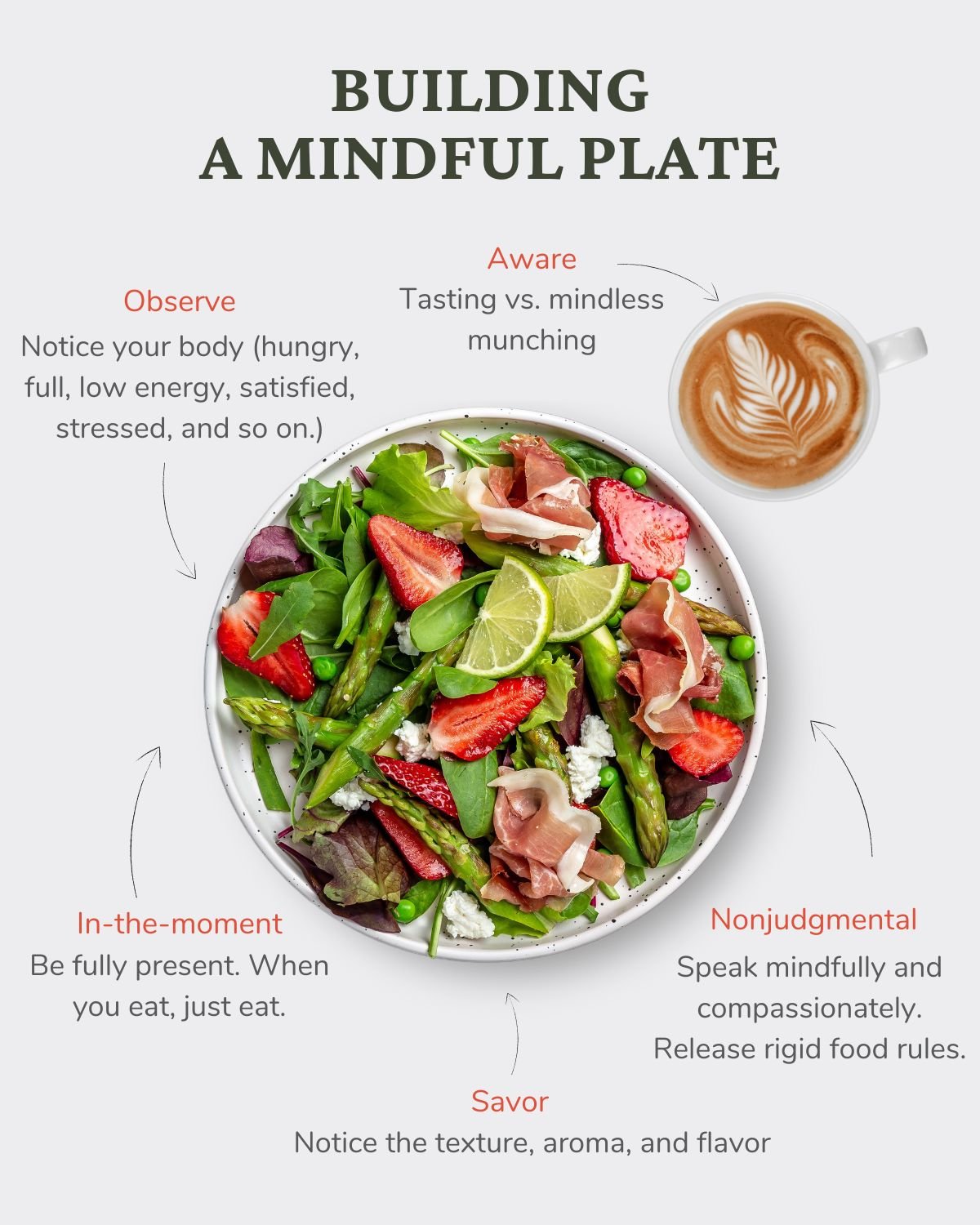
Pay attention to your body’s hunger and fullness cues

Eat when you’re physically hungry

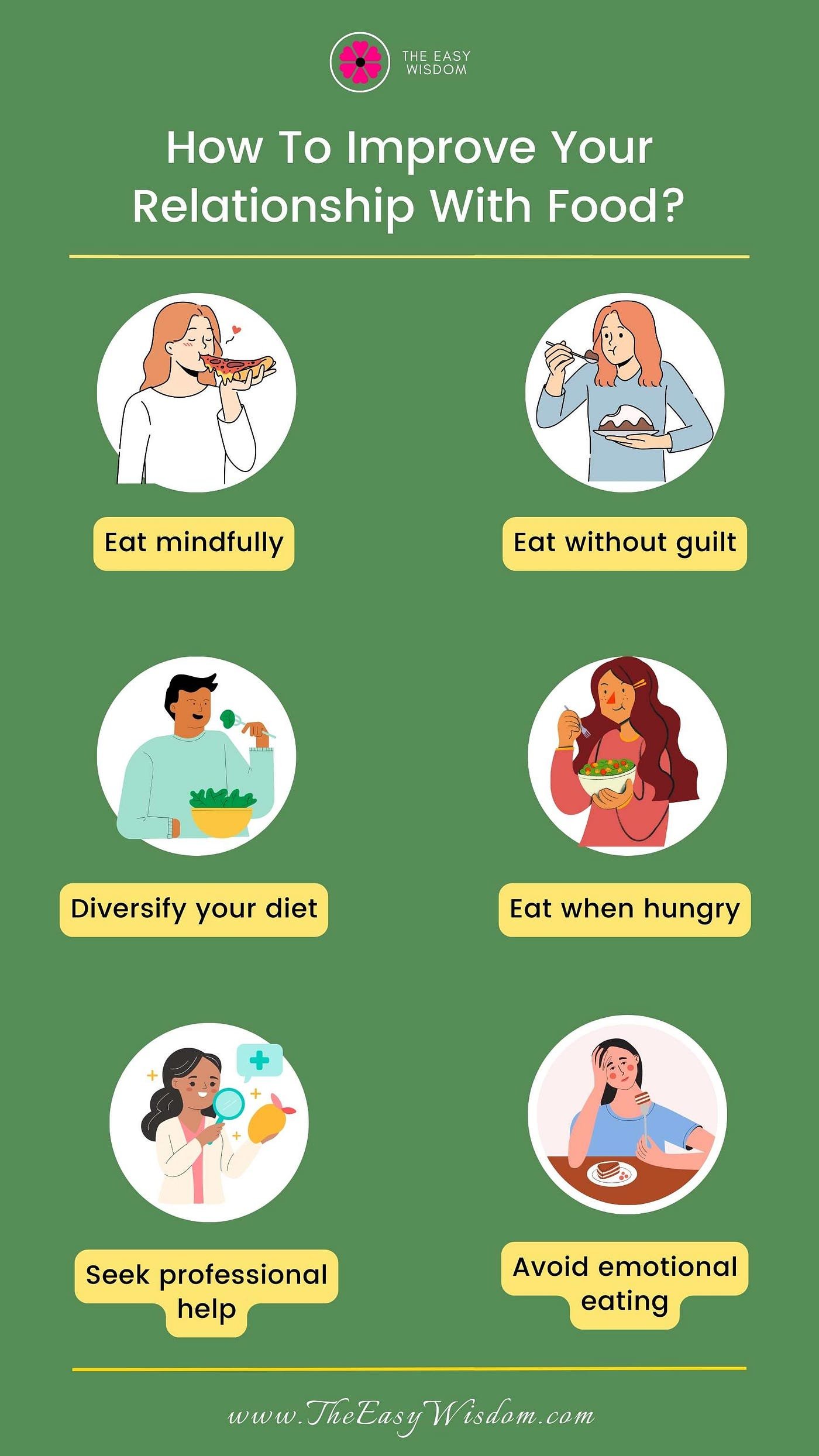
One of the key aspects of mindful eating is to pay close attention to your body’s hunger cues. Before reaching for a snack or sitting down for a meal, take a moment to assess your physical hunger. Are you truly hungry, or are you eating out of habit, boredom, or emotional reasons? It’s important to eat when your body truly needs nourishment rather than eating simply for the sake of eating.

Stop eating when you’re comfortably full

Just as it’s important to eat when you’re physically hungry, it’s equally important to stop eating when you’re comfortably full. It can be easy to overeat and ignore the signals that your body is giving you. By learning to recognize the moment when you’ve had enough, you can avoid discomfort and allow your body to digest your food properly. Pay attention to how your body feels and honor its cues when it’s time to stop eating.

Avoid eating out of stress, boredom, or emotions

Mindful eating involves being aware of the reasons behind your eating habits. Many times, we turn to food as a way to cope with stress, boredom, or emotional turmoil. By recognizing these triggers, you can choose alternative ways to deal with these emotions, such as going for a walk, practicing deep breathing, or engaging in a hobby. Learning to differentiate between physical hunger and emotional hunger is an essential step towards developing a healthy relationship with food.

Listen to your body’s hunger and fullness signals

Your body has powerful signals to indicate its hunger and fullness levels. Take the time to tune in and listen to what your body is telling you. Notice any physical sensations or changes in energy levels. By becoming more attuned to these signals, you can determine when it’s time to eat and when it’s time to stop. Trusting your body’s cues is an essential aspect of mindful eating.

Eat slowly and savor your food

Take time to chew your food properly

In our fast-paced world, it’s easy to rush through meals without fully chewing our food. However, by taking the time to chew each bite thoroughly, we can enhance our digestion and enjoyment of the meal. Chewing breaks down the food into smaller particles, making it easier for our bodies to absorb the nutrients. Additionally, it allows us to fully experience the taste and texture of the food.

Put your utensils down between bites

To further encourage mindful eating, try putting your utensils down between bites. This simple act helps to slow down your eating pace and allows you to focus on fully experiencing each bite. Instead of rushing to take the next bite, take a moment to savor the flavors and textures in your mouth. This mindful eating practice can lead to increased satisfaction and a greater appreciation for your food.

Focus on the flavors, textures, and smells of your food

Food is a sensory experience, and by paying attention to the flavors, textures, and smells of your food, you can enhance your enjoyment of the meal. Take the time to truly savor the tastes on your palate, notice the different textures in each bite, and appreciate the aroma of the food. This level of awareness can help you connect with your food on a deeper level and promote a more fulfilling eating experience.

Appreciate each bite and the nourishment it provides

Every bite of food you take is an opportunity to nourish your body and provide it with the energy it needs. By appreciating the nourishment each bite offers, you can cultivate a greater sense of gratitude for the food you eat. Take a moment to reflect on where the food came from, the effort involved in its production, and the journey it took to reach your plate. This perspective can help you approach your meals with a sense of gratitude and respect.
10 Mindful Eating Strategies to Improve Your Relationship with Food

Eliminate distractions

Turn off the TV, put away your phone, and close your laptop

In today’s digitally connected world, it’s common to eat while distracted by screens. However, this habit can lead to mindless eating and a disconnection from the present moment. To practice mindful eating, it’s essential to eliminate distractions. Turn off the TV, put away your phone, and close your laptop before sitting down to a meal. By giving your full attention to your food, you can savor each bite and engage your senses in the act of eating.

Create a calm and quiet eating environment

Another way to promote mindful eating is to create a calm and quiet eating environment. Find a space where you can enjoy your meal without interruptions or loud noises. This peaceful setting allows you to focus solely on your food and the experience of eating. By creating an environment that supports mindful eating, you can enhance your awareness and enjoyment of the meal.

Focus solely on the act of eating

When you sit down to eat, make a conscious effort to bring your attention solely to the act of eating. Avoid multitasking or trying to squeeze in meals during other activities. By giving your full attention to your food, you can truly engage with the process of eating and be present in the moment. This level of mindfulness can heighten your sensory experience and deepen your connection with your food.

Engage your senses in the present moment

As you eat, engage all your senses in the present moment. Notice the colors, shapes, and textures of your food. Take in the aroma and scent of your meal. Listen to the sounds your food makes while cooking or chewing. Fully experience the taste and flavors as they unfold in your mouth. By using all of your senses, you can fully immerse yourself in the experience of eating and cultivate a greater appreciation for your food.

Practice mindful portion control

Use smaller plates and bowls to control portion sizes

Portion control is an important aspect of mindful eating. Using smaller plates and bowls can help you manage your portion sizes and prevent overeating. Our brains tend to perceive a plate as being full, regardless of whether it’s large or small. By using smaller plates, you can trick your brain into feeling satisfied with a smaller serving. This simple technique can be a powerful tool in promoting mindful portion control.

Serve yourself a reasonable amount of food

When serving yourself a meal or snack, be mindful of the portion size. Pay attention to what your body truly needs and avoid overloading your plate. While it’s important to nourish your body adequately, it’s equally important to avoid excessive portions that can lead to discomfort or weight gain. Take the time to assess your hunger level and serve yourself a reasonable amount of food that aligns with your needs.

Avoid eating directly from the package or container

Eating directly from a package or container can make it difficult to gauge proper portion sizes. Instead, portion out your food onto a plate or in a bowl before you begin eating. This practice not only helps with portion control but also encourages mindful eating by allowing you to fully focus on your food without the distractions of the packaging. By eating from a designated portion, you can ensure that you’re consuming an appropriate amount.

Be mindful of portion sizes when eating out

Eating out can pose challenges when it comes to portion control. Restaurants often serve larger portions than what is necessary for a single meal. To practice mindful eating when dining out, consider sharing a dish with a friend or saving half of your meal for later. Pay attention to your body’s hunger and fullness cues, and don’t feel obligated to finish everything on your plate. By being mindful of portion sizes, you can enjoy eating out while still prioritizing your health.

10 Mindful Eating Strategies to Improve Your Relationship with Food

Engage all your senses

Observe the colors, shapes, and textures of your food

When sitting down to a meal, take a moment to observe the colors, shapes, and textures of your food. Notice the vibrant hues of fruits and vegetables, the intricate patterns on a piece of sushi, or the smoothness of a creamy soup. By appreciating the visual aspects of your food, you can engage your senses and develop a stronger connection with what you’re about to eat.

Take in the aroma and scent of your meal

The aroma and scent of food play a significant role in our eating experience. As you sit down to eat, take a moment to breathe in and appreciate the smells coming from your plate. The scent of freshly baked bread, a steaming cup of coffee, or a fragrant bowl of curry can evoke memories and arouse your appetite. By fully experiencing the aromas, you can enhance your sensory enjoyment and anticipation of the meal.

Listen to the sounds your food makes while cooking or chewing

Pay attention to the sounds your food makes as you prepare it and as you chew it. The sizzle of a pan, the bubbling of soup, or the crunch of a crisp vegetable can add another layer of sensory awareness to your eating experience. By listening to these sounds, you can engage your sense of hearing and heighten your connection with your food.

Fully experience the taste and flavors

The most obvious sense involved in eating is taste, and mindful eating encourages us to fully experience the taste and flavors of our food. As you take each bite, consciously savor the different tastes that emerge. Notice the sweetness, saltiness, bitterness, sourness, or umami flavors that unfold in your mouth. By focusing on the taste, you can appreciate the intricacies of each ingredient and truly enjoy the flavors of your meal.

Cultivate gratitude for your food

Express gratitude before your meal

Before tucking into your meal, take a moment to express gratitude. Whether silently or out loud, acknowledge the food before you and appreciate the nourishment it provides. Express thanks for the farmers, the chefs, and all those involved in bringing the meal to your table. This simple act of gratitude can cultivate a positive mindset and set the tone for a mindful and enjoyable eating experience.

Acknowledge the efforts and processes involved in bringing the food to your table

Food doesn’t magically appear on our plates. Countless efforts and processes go into growing, harvesting, transporting, and preparing the ingredients we consume. Reflect on the journey your food took to reach your table and acknowledge the work and resources involved. By recognizing the efforts of others, you can develop a deeper sense of appreciation for your food.

Reflect on the nourishment and sustenance the food provides

Food is our fuel, providing us with the energy and nutrients we need to function and thrive. Take a moment to reflect on the nourishment and sustenance the food provides. Consider the vitamins, minerals, and other essential components that contribute to your well-being. By appreciating the nourishing properties of your food, you can cultivate a greater respect for the role it plays in supporting your health.

Practice gratitude towards your body’s ability to enjoy and digest food

Finally, practice gratitude towards your own body and its ability to enjoy and digest food. Our bodies are remarkable machines that allow us to experience the pleasure of food and extract vital nourishment from it. Rather than focusing on perceived flaws or insecurities, appreciate the functionalities and abilities of your body. By cultivating gratitude towards your body, you can develop a healthier and more positive relationship with food.
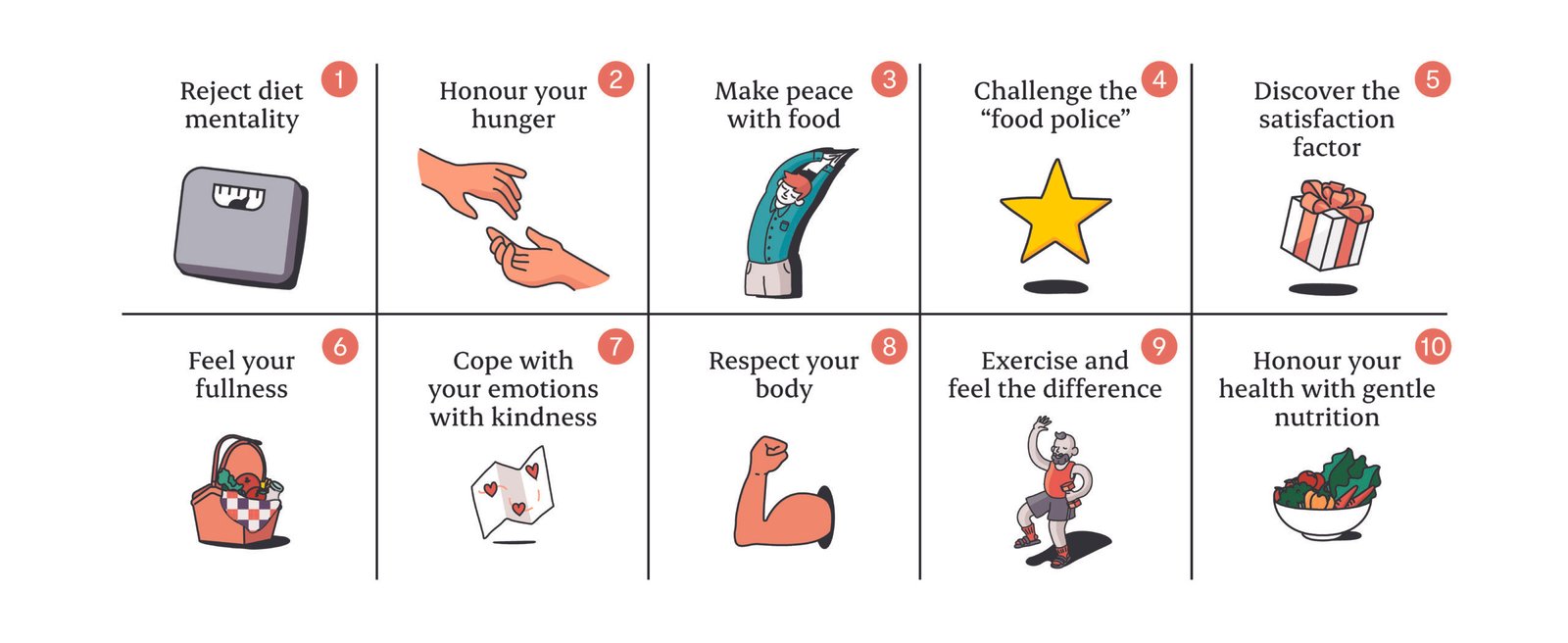
10 Mindful Eating Strategies to Improve Your Relationship with Food

Identify emotional triggers and patterns

Recognize emotional eating patterns

Emotional eating is a common response to stress, sadness, and other emotions. Becoming aware of your emotional eating patterns can help you understand the underlying triggers and develop strategies to address them. Pay attention to the situations, events, or emotions that tend to lead you to mindlessly reach for food. By recognizing these patterns, you can learn to differentiate between emotional hunger and physical hunger.

Identify triggers that lead to mindless or unhealthy eating

Triggers play a significant role in our eating behaviors. They can be external factors such as the sight or smell of food, social situations, or specific environments. They can also be internal factors such as stress, boredom, or anxiety. Take the time to identify the triggers that lead to mindless or unhealthy eating for you personally. By recognizing these triggers, you can develop strategies to address them and replace them with healthier coping mechanisms.

Explore alternative ways to cope with emotions

It’s important to find alternative ways to cope with emotions other than turning to food. Explore activities and strategies that can help you manage stress, sadness, or other emotions effectively. This might include going for a walk, practicing deep breathing exercises, journaling, or talking to a trusted friend or family member. By finding alternative outlets for emotional expression and release, you can reduce reliance on food as a source of comfort.

Develop strategies to address emotional eating

Once you’ve identified your emotional eating patterns and triggers, develop strategies to address them. This might involve creating a list of alternative activities to engage in when emotions arise, finding healthy coping mechanisms, or seeking professional support from a registered dietitian or therapist. By proactively addressing emotional eating, you can develop healthier habits and a more balanced relationship with food.

Be mindful of your food choices

Consider the nutritional value of your food

When making food choices, consider the nutritional value of the options available to you. Aim to choose whole, unprocessed foods that provide a wide range of essential nutrients. Fill your plate with fruits, vegetables, lean proteins, whole grains, and healthy fats. By focusing on the nutrient density of your food choices, you can nourish your body and support your overall health and well-being.

Choose whole, unprocessed foods

Whole, unprocessed foods are the cornerstone of a healthy diet. They are minimally processed and retain their natural nutrients, fiber, and phytochemicals. Opt for fresh fruits and vegetables, lean proteins, whole grains, and natural sources of fats. By prioritizing these foods, you are making choices that align with your body’s nutritional needs and supporting your long-term health goals.

Mindfully include all food groups in your meals

Rather than following restrictive diets or cutting out entire food groups, aim to include a variety of foods from all food groups in your meals. Each food group offers unique nutrients and contributes to a well-balanced diet. Include ample servings of fruits, vegetables, whole grains, lean proteins, and healthy fats in your meals. By mindfully incorporating all food groups into your diet, you can ensure that your body receives a diverse array of nutrients.

Make conscious decisions about your food choices

Mindful eating involves making conscious decisions about your food choices. Before reaching for a snack or planning a meal, take a moment to consider the impact your choices will have on your body and overall well-being. Ask yourself if the food aligns with your nutritional goals, if it will provide sustained energy, and if it will genuinely satisfy your body’s needs. By bringing mindfulness to your food choices, you can make decisions that support your health and enhance your relationship with food.
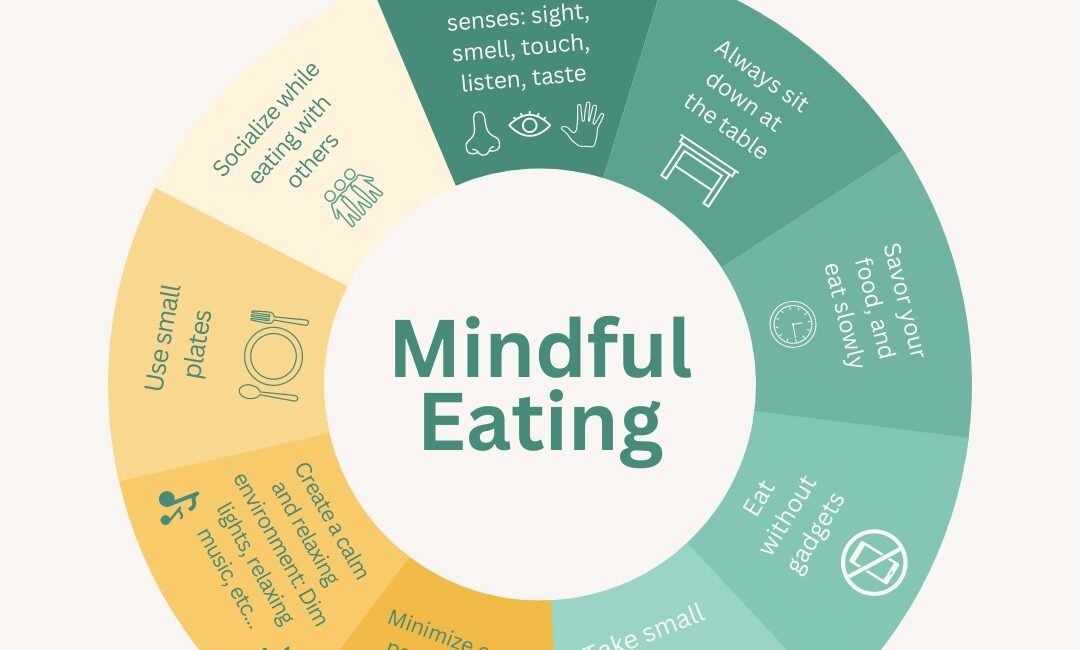
10 Mindful Eating Strategies to Improve Your Relationship with Food

Practice gratitude towards your body

Appreciate your body’s unique shape and size

Every body is unique, and it’s important to appreciate and embrace your own body’s shape and size. Avoid comparing yourself to others or societal ideals. Instead, focus on the journey towards self-acceptance and self-love. By appreciating your body as it is, you can cultivate a positive mindset that nourishes your relationship with food.

Focus on the abilities and functions of your body

Shift your focus away from solely aesthetic concerns and instead appreciate the abilities and functions of your body. Consider all the amazing things your body allows you to do, from walking and dancing to hugging loved ones and pursuing your passions. By acknowledging the capabilities of your body, you can develop a greater sense of gratitude for its strength and resilience.

Avoid engaging in negative self-talk or body shaming

Negative self-talk and body shaming are harmful behaviors that can damage your relationship with food and your body. Replace critical thoughts with positive affirmations and gentle encouragement. Treat yourself with kindness, compassion, and respect. By rejecting negative self-talk, you can create space for self-acceptance and a healthier mindset towards your body.

Treat your body with kindness and respect

Above all, remember to treat your body with kindness and respect. Nourish your body with wholesome foods, engage in regular physical activity that you enjoy, prioritize rest and relaxation, and practice self-care. By prioritizing your physical and mental well-being, you are showing love and appreciation for your body and fostering a positive relationship with food.

Seek support and professional help if needed

Reach out to a support system or loved ones

If you’re facing challenges in developing a healthy relationship with food, don’t hesitate to reach out to a support system or loved ones. Share your concerns and struggles with people you trust. Sometimes, having someone to listen, offer guidance, or simply provide a listening ear can make a significant difference in navigating your journey towards mindful eating.

Consider seeking guidance from a registered dietitian or therapist

If you find that your struggles with food and your relationship with eating are impacting your quality of life, consider seeking guidance from a registered dietitian or therapist who specializes in mindful eating or eating disorders. These professionals can provide personalized support and guidance tailored to your specific needs. They can help you explore psychological and emotional factors related to your relationship with food and guide you towards a healthier mindset and relationship with eating.

Join a mindful eating group or program

Joining a mindful eating group or program can provide you with a community of individuals who are also seeking to improve their relationship with food. These groups offer support, resources, and accountability as you navigate your mindful eating journey together. Participating in a program can provide valuable insights, strategies, and encouragement as you work towards developing a healthier and more mindful approach to eating.

Recognize when additional assistance may be beneficial

It’s important to recognize when additional professional assistance is needed. If you find that your struggles with mindful eating or food relationships are affecting your overall well-being, consider reaching out for further support. Mental health professionals and eating disorder specialists can provide the help and guidance necessary to address any underlying issues and support you in your journey towards a healthier relationship with food.

Incorporating these mindful eating strategies into your daily life can transform the way you relate to food. By paying attention to your body’s hunger and fullness cues, savoring your food, eliminating distractions, practicing mindful portion control, engaging all your senses, cultivating gratitude, identifying emotional triggers and patterns, being mindful of your food choices, appreciating your body, and seeking support when needed, you can develop a healthier and more balanced relationship with food. Remember, mindful eating is a journey, and each small step you take towards greater awareness and presence can have a profound impact on your overall well-being. Start today and embrace the transformative power of mindful eating.

ActivLife Keto ACV Gummies Advanced Weight Loss Review

ActivLife Keto ACV Gummies Advanced Weight Loss Review

Looking to jumpstart your weight loss journey? Look no further than ActivLife Keto ACV Gummies Advanced Weight Loss. These powerful gummies are designed to provide effective support for shedding excess weight and belly fat, combining the benefits of ketogenic principles and Apple Cider Vinegar for a holistic approach to your weight management goals. Not only do they help reduce unhealthy snack options by promoting ketosis, but they also enhance your metabolic rate, increase energy levels, and provide a practical and delicious solution to integrate into your daily routine. Say goodbye to complicated measurements and mixtures, and say hello to effortless ketogenic support with ActivLife Keto Gummies.

ActivLife Keto ACV Gummies Advanced Weight Loss, ActivLife Keto Gummies, Activlife Keto + ACV Effective Slimming Gummies, Activ Life 1000 MG Gomitas Reviews, (60 Gummies)

Get your own ActivLife Keto ACV Gummies Advanced Weight Loss, ActivLife Keto Gummies, Activlife Keto + ACV Effective Slimming Gummies, Activ Life 1000 MG Gomitas Reviews, (60 Gummies) today.

Why Consider This Product?

If you’re looking for an effective way to kickstart your weight loss journey, then look no further than ActivLife Keto ACV Gummies Advanced Weight Loss. These gummies are specially formulated to provide support in shedding excess weight and belly fat, combining the power of ketogenic principles and Apple Cider Vinegar (ACV) for a holistic approach to weight management. Scientific research has shown that the ketogenic diet can be an effective tool for weight loss, while ACV has been linked to various health benefits, including appetite control and improved metabolism. With ActivLife Keto Gummies, you can take advantage of both in one convenient and delicious package.

Don’t just take our word for it – our gummies have received rave reviews from satisfied customers who have experienced significant weight loss and improved energy levels. Additionally, our product is made with high-quality ingredients and is backed by certifications to ensure its effectiveness and safety. With ActivLife Keto Gummies, you can feel confident in your weight loss journey knowing that you have the support of a trusted and scientifically-backed product.

Features and Benefits

Ideal Combination for Weight Loss

Crafted with a powerful combination of ketogenic principles and ACV, ActivLife Keto Gummies provide comprehensive support for shedding excess weight and belly fat. The ketogenic diet focuses on increasing fat intake while reducing carbohydrates, which promotes ketosis – a natural metabolic state where your body burns fat for fuel instead of carbs. ACV, on the other hand, has been shown to assist in reducing unhealthy carbohydrate cravings and supporting metabolism, further enhancing weight loss efforts. With ActivLife Keto Gummies, you can enjoy the benefits of both these approaches in one convenient supplement.

Boosts Metabolic Rate

ActivLife Keto Gummies are designed to rev up your metabolic rate, leading to more efficient calorie burning and increased energy expenditure. By enhancing your metabolism, these gummies help your body become more efficient at utilizing stored fat for energy. This not only aids in weight loss but also provides a sustained energy boost throughout the day. Say goodbye to energy crashes associated with high-carb diets and hello to a consistent, long-lasting energy supply.

Curbs Junk Carb Cravings

One of the biggest challenges in weight loss is overcoming unhealthy snack options and carb cravings. ActivLife Keto Gummies address this issue by promoting ketosis, which helps reduce those unhealthy carb cravings. By training your body to rely on fat for energy instead of carbohydrates, these gummies make it easier to resist temptation and make healthier food choices. With ActivLife Keto Gummies, you can say goodbye to those irresistible junk food cravings.

Practical and Delicious

Integrating a ketogenic lifestyle into your daily routine has never been easier. With ActivLife Keto Gummies, you can enjoy the benefits of a keto lifestyle in a practical and delicious way. No more tedious measurements or complex mixtures – simply enjoy a delicious gummy to effortlessly support your ketogenic journey. Our gummies are a tasty treat that seamlessly fit into your daily routine, making your weight loss journey a hassle-free experience.

Click to view the ActivLife Keto ACV Gummies Advanced Weight Loss, ActivLife Keto Gummies, Activlife Keto + ACV Effective Slimming Gummies, Activ Life 1000 MG Gomitas Reviews, (60 Gummies).

Product Quality

ActivLife Keto ACV Gummies Advanced Weight Loss are made with the utmost care and high-quality ingredients. We understand the importance of trust and transparency when it comes to health supplements, which is why our product is backed by certifications and endorsements to ensure its effectiveness and safety. You can be confident that each gummy has been meticulously crafted to deliver the best possible results for your weight loss journey.

What It’s Used For

Promotes Weight Loss

ActivLife Keto Gummies are specifically formulated to support weight loss efforts. By promoting ketosis and utilizing the power of ACV, these gummies help your body burn fat for fuel and reduce unhealthy carb intake. Regular use of ActivLife Keto Gummies can aid in shedding excess weight and belly fat, helping you achieve your weight loss goals.

Increases Energy Levels

Thanks to the efficient breakdown of fats for fuel, ActivLife Keto Gummies provide a sustained energy boost without the peaks and crashes associated with high-carb diets. By supporting your body’s natural energy production, these gummies ensure you stay energized throughout the day, helping you power through your workouts and daily activities.

Supports Metabolism

ActivLife Keto Gummies are designed to enhance your metabolic rate, encouraging efficient calorie burning and supporting fat loss. By revving up your metabolism, these gummies help you achieve a higher energy expenditure, making your weight loss journey more effective and efficient.

Reduces Carb Cravings

One of the biggest challenges in weight loss is resisting unhealthy carb cravings. ActivLife Keto Gummies help reduce these cravings by promoting ketosis, which trains your body to rely on fat for fuel instead of carbohydrates. By curbing carb cravings, these gummies make it easier to make healthier food choices and stick to your weight loss plan.

ActivLife Keto ACV Gummies Advanced Weight Loss, ActivLife Keto Gummies, Activlife Keto + ACV Effective Slimming Gummies, Activ Life 1000 MG Gomitas Reviews, (60 Gummies)

Product Specifications

Product Name ActivLife Keto ACV Gummies Advanced Weight Loss
Quantity 60 Gummies
Strength 1000 MG
Ingredients ACV, ketogenic blend
Form Gummies
Flavor Delightful mixed berry

Who Needs This

Anyone who is looking to jumpstart their weight loss journey and improve their overall health can benefit from ActivLife Keto Gummies. Whether you’re struggling with excess weight, belly fat, junk food cravings, or low energy levels, these gummies provide the support you need to achieve your weight management goals. With their practical and delicious nature, they seamlessly integrate into your daily routine and make weight loss efforts a breeze.

ActivLife Keto ACV Gummies Advanced Weight Loss, ActivLife Keto Gummies, Activlife Keto + ACV Effective Slimming Gummies, Activ Life 1000 MG Gomitas Reviews, (60 Gummies)

Pros and Cons

Pros:

  • Effective support for shedding excess weight and belly fat
  • Promotes ketosis and curbs unhealthy carb cravings
  • Boosts metabolic rate for efficient calorie burning
  • Provides sustained energy without the crashes associated with high-carb diets
  • Practical and delicious, easily fitting into your daily routine

Cons:

  • Results may vary depending on individual metabolism and adherence to a healthy lifestyle

FAQ’s

  1. Are ActivLife Keto Gummies safe to use? Yes, ActivLife Keto Gummies are safe to use. They are made with high-quality ingredients and undergo rigorous testing to ensure their safety and effectiveness.

  2. How should I take ActivLife Keto Gummies? It is recommended to take two gummies per day as a dietary supplement. Simply chew and enjoy the delicious gummies.

  3. Can these gummies be used by vegetarians/vegans? Yes, ActivLife Keto Gummies are suitable for vegetarians and vegans as they do not contain any animal-derived ingredients.

  4. How long does it take to see results? Results may vary depending on individual metabolism and adherence to a healthy lifestyle. However, many customers have reported seeing noticeable results within a few weeks of regular use.

ActivLife Keto ACV Gummies Advanced Weight Loss, ActivLife Keto Gummies, Activlife Keto + ACV Effective Slimming Gummies, Activ Life 1000 MG Gomitas Reviews, (60 Gummies)

What Customers Are Saying

Customers have been raving about the effectiveness of ActivLife Keto Gummies. Many have reported significant weight loss, improved energy levels, and reduced cravings. They love the practicality and delicious taste of the gummies, making their weight loss journey enjoyable and effortless.

Overall Value

ActivLife Keto ACV Gummies Advanced Weight Loss offer great value for those looking to kickstart their weight loss journey. With their powerful blend of ketogenic principles and ACV, these gummies provide comprehensive support for shedding excess weight and belly fat. They are practical, delicious, and backed by scientific research, making them a valuable tool in achieving your weight management goals.

ActivLife Keto ACV Gummies Advanced Weight Loss, ActivLife Keto Gummies, Activlife Keto + ACV Effective Slimming Gummies, Activ Life 1000 MG Gomitas Reviews, (60 Gummies)

Tips and Tricks For Best Results

To maximize the benefits of ActivLife Keto Gummies, it is recommended to incorporate them into a healthy lifestyle. Combine regular exercise, a balanced diet, and proper hydration to optimize weight loss efforts. Additionally, be consistent in taking the gummies daily to experience the full potential of their weight loss support.

Final Thoughts

Product Summary

ActivLife Keto ACV Gummies Advanced Weight Loss are a powerful tool for jumpstarting your weight loss journey. These gummies combine the benefits of ketogenic principles and ACV to provide effective support for shedding excess weight and belly fat. With their ability to promote ketosis, boost metabolic rate, and enhance energy levels, these gummies offer a comprehensive approach to weight management.

Final Recommendation

If you’re ready to take control of your weight loss goals and achieve lasting results, ActivLife Keto ACV Gummies Advanced Weight Loss are the perfect choice for you. Backed by scientific research and satisfied customer reviews, these gummies provide the support you need in a practical and delicious package. Say goodbye to unhealthy carb cravings and hello to a new, healthier you with ActivLife Keto Gummies. Try them today and experience the transformative power of a holistic approach to weight management.

Discover more about the ActivLife Keto ACV Gummies Advanced Weight Loss, ActivLife Keto Gummies, Activlife Keto + ACV Effective Slimming Gummies, Activ Life 1000 MG Gomitas Reviews, (60 Gummies).

Disclosure: As an Amazon Associate, I earn from qualifying purchases.

Advanced Weight Loss Gummies Review

Advanced Weight Loss Gummies Review

Are you looking for an efficient and delicious way to support your weight loss journey? Look no further than the Keto Acv Gummies for Advanced Weight Loss & Belly Fat Burn. These Pro Active Super Apple Cider Vinegar Gummies are specifically formulated to help you conquer cravings, increase fullness, and reduce calorie intake. With the added benefits of boosting digestion, enhancing metabolism, and being keto-friendly and gluten-free, these gummies are the perfect choice for anyone seeking a worry-free and effective weight loss supplement. Plus, with their carefully crafted flavor, they offer a truly delightful gummy experience with every nibble. Say hello to a more enjoyable and successful weight loss journey with these incredible gummies.

Keto Acv Gummies for Advanced Weight Loss  Belly Fat Burn - Pro Active Super Apple Cider Vinegar Gummies - Rapid Fat Burner Diet Supplement for Women Men - Sugar Free  Gluten Free (1000MG)

Get your own Keto Acv Gummies for Advanced Weight Loss  Belly Fat Burn - Pro Active Super Apple Cider Vinegar Gummies - Rapid Fat Burner Diet Supplement for Women Men - Sugar Free  Gluten Free (1000MG) today.

Why Consider This Product?

If you’re looking to achieve your weight loss goals while enjoying a delicious treat, then the Keto Acv Gummies for Advanced Weight Loss & Belly Fat Burn by MoodMingle are the perfect choice for you. These gummies are designed to help you conquer cravings and reduce calorie intake, making your weight loss efforts more effective than ever. Backed by scientific research and evidence, these gummies increase satiety, decrease hunger, and boost your body’s capacity to metabolize and burn fat.

Certified by industry experts and endorsed by countless satisfied customers, these gummies are a trusted solution for efficient weight management. With their ability to curb your desire for sweet and high-carb treats, they empower you to stay on track with your healthy eating plan. Incorporating these gummies into your daily routine can make a real difference in achieving your weight loss goals.

Features and Benefits

Enhanced Weight Management

MoodMingle’s advanced weight loss keto acv gummies are specifically formulated to support your weight loss journey. By increasing fullness and reducing calorie intake, these gummies help you resist the temptation of unhealthy snacks. They are designed to suppress cravings, making it easier for you to stick to your diet and achieve your desired results. Backed by scientific research and evidence, these gummies have proven to be effective in promoting weight loss.

Improved Digestive Function

The apple cider vinegar (ACV) in these gummies acts as a natural digestive tonic. The acetic acid present in ACV enhances the breakdown of food and helps maintain a balanced stomach pH, which leads to improved digestion. Additionally, these gummies are packed with probiotics, which promote a healthy gut and alleviate bloating. They also aid in managing appetite, making it easier for you to maintain portion control and stay on track with your weight loss goals. By reducing stomach acidity, these gummies safeguard against acid reflux, ensuring an optimal digestive experience.

Enhanced Metabolism

MoodMingle’s gummies for belly fat are formulated to enhance your metabolic efficiency. By reducing hunger, increasing fat utilization, and enhancing thermogenesis, these gummies work to effectively burn fat and promote weight loss. The presence of amino acids like leucine further aids in fat burning and muscle maintenance. With these gummies, you can boost your metabolism and maximize the results of your weight loss efforts.

Keto-Friendly & Gluten-Free

For those following a ketogenic diet or anyone with gluten sensitivities, MoodMingle’s keto weight loss gummies are the perfect choice. These gummies have a low net carb content, making them ideal for maintaining ketosis. They are also gluten-free, ensuring a worry-free experience for individuals with gluten sensitivities or those who prefer a gluten-free diet. With these gummies, you can maintain your dietary restrictions while still enjoying a delicious and effective weight loss supplement.

Check out the Keto Acv Gummies for Advanced Weight Loss  Belly Fat Burn - Pro Active Super Apple Cider Vinegar Gummies - Rapid Fat Burner Diet Supplement for Women Men - Sugar Free  Gluten Free (1000MG) here.

Product Quality

MoodMingle takes pride in delivering high-quality products that meet the highest standards of excellence. These keto acv gummies are manufactured in state-of-the-art facilities that adhere to strict quality control measures. Every ingredient used in the formulation of these gummies is carefully sourced and tested for purity and potency. Furthermore, the production process is closely monitored to ensure consistency and effectiveness.

What It’s Used For

Effective Weight Management

These gummies are a powerful tool in managing your weight effectively. By reducing cravings, increasing satiety, and boosting metabolism, they facilitate weight loss and help you achieve your goals. Incorporating these gummies into your routine can make it easier to resist unhealthy snacks and stick to your diet plan.

Improved Digestive Health

The apple cider vinegar and probiotics in these gummies work together to support digestive health. The acetic acid in apple cider vinegar aids in food breakdown and ensures a balanced stomach pH. The probiotics promote a healthy gut, alleviate bloating, and aid in managing appetite. By taking these gummies regularly, you can enhance your digestive function and experience optimal gut health.

Enhanced Metabolism

These gummies are specifically formulated to improve metabolic efficiency. By reducing hunger, increasing fat utilization, and containing amino acids that promote fat burning and muscle maintenance, they help boost your metabolism. Incorporating these gummies into your routine can help you burn fat more effectively and achieve your weight loss goals.

Suitable for Ketogenic and Gluten-Free Diets

If you’re following a ketogenic diet or have gluten sensitivities, these gummies are the perfect choice for you. With their low net carb content, they enable you to maintain ketosis and support your dietary goals. Additionally, being gluten-free, they accommodate individuals with gluten sensitivities, celiac problems, or anyone who prefers a gluten-free diet.

Keto Acv Gummies for Advanced Weight Loss  Belly Fat Burn - Pro Active Super Apple Cider Vinegar Gummies - Rapid Fat Burner Diet Supplement for Women Men - Sugar Free  Gluten Free (1000MG)

Product Specifications

Specifications
Quantity 60 gummies
Serving Size 2 gummies
Net Weight 1200 mg
Flavor Apple
Sugar Content Sugar-Free
Gluten Content Gluten-Free
Recommended Dosage Take 2 gummies daily

Who Needs This

These keto acv gummies are ideal for individuals who are actively working towards weight loss and belly fat burn. Whether you’re following a ketogenic diet or simply looking for a delicious and effective weight loss supplement, these gummies can be a valuable addition to your routine. They are suitable for both men and women who want to manage their weight effectively and achieve their goals in a healthy and sustainable way.

Keto Acv Gummies for Advanced Weight Loss  Belly Fat Burn - Pro Active Super Apple Cider Vinegar Gummies - Rapid Fat Burner Diet Supplement for Women Men - Sugar Free  Gluten Free (1000MG)

Pros and Cons

Pros:

  • Effective in reducing cravings and increasing satiety
  • Enhances metabolism and promotes fat burning
  • Supports digestive health and alleviates bloating
  • Suitable for ketogenic and gluten-free diets
  • Delicious apple flavor

Cons:

  • Results may vary depending on individual factors and lifestyle choices
  • Some individuals may not enjoy the taste or texture of gummies

FAQ’s

  1. Are these gummies suitable for vegetarians?
  • Yes, these gummies are suitable for vegetarians as they do not contain any animal-derived ingredients.
  1. Can I take these gummies if I have diabetes?
  • These gummies are sugar-free and can be suitable for individuals with diabetes. However, it is always recommended to consult with your healthcare professional before starting any new dietary supplements.
  1. Are there any known side effects of these gummies?
  • These gummies are generally well-tolerated. However, some individuals may experience mild digestive discomfort. If you have any concerns or experience any adverse effects, discontinue use and consult with a healthcare professional.

Keto Acv Gummies for Advanced Weight Loss  Belly Fat Burn - Pro Active Super Apple Cider Vinegar Gummies - Rapid Fat Burner Diet Supplement for Women Men - Sugar Free  Gluten Free (1000MG)

What Customers Are Saying

“I’ve been struggling with weight loss for years, but these gummies have made a huge difference in my journey. They help curb my cravings and keep me feeling full, making it easier to stick to my diet. Plus, they taste amazing!” – Sarah

“These gummies have really improved my digestion. I used to suffer from bloating and acid reflux, but since I started taking these gummies, those symptoms have significantly decreased. I highly recommend them!” – Mark

“I’ve been following a ketogenic diet, and these gummies have been a game-changer. They’re delicious, and they help me stay in ketosis. It’s great to have a guilt-free treat that supports my weight loss goals.” – Emily

Overall Value

MoodMingle’s Keto Acv Gummies for Advanced Weight Loss & Belly Fat Burn offer an excellent value for those seeking effective weight management and digestive support. With their carefully formulated ingredients, delicious flavor, and proven results, these gummies provide a comprehensive solution for individuals who are committed to achieving their weight loss goals in a healthy and sustainable way.

Keto Acv Gummies for Advanced Weight Loss  Belly Fat Burn - Pro Active Super Apple Cider Vinegar Gummies - Rapid Fat Burner Diet Supplement for Women Men - Sugar Free  Gluten Free (1000MG)

Tips and Tricks For Best Results

  1. Incorporate these gummies into a balanced and healthy diet.
  2. Stay hydrated throughout the day to support digestion and overall wellness.
  3. Engage in regular physical activity or exercise to maximize the impact of these gummies.
  4. Consult with a healthcare professional or nutritionist for personalized advice and guidance.

Final Thoughts

Product Summary

MoodMingle’s Keto Acv Gummies for Advanced Weight Loss & Belly Fat Burn are a top-quality weight loss supplement that offers a range of benefits. From curbing cravings to boosting metabolism and supporting digestive health, these gummies are designed to help you achieve your weight loss goals. They are perfect for individuals following a ketogenic diet or anyone with gluten sensitivities, thanks to their low net carb and gluten-free content. With their delicious flavor and superior quality, these gummies provide a truly delightful and effective weight loss experience.

Final Recommendation

If you’re serious about achieving your weight loss goals and want a supplement that is both effective and enjoyable to consume, we highly recommend giving MoodMingle’s Keto Acv Gummies for Advanced Weight Loss & Belly Fat Burn a try. Backed by scientific research, customer testimonials, and a commitment to quality, these gummies are a reliable and delectable choice for anyone looking to enhance their weight loss journey. So go ahead, take the next step towards a healthier and happier you with these fantastic gummies.

Learn more about the Keto Acv Gummies for Advanced Weight Loss  Belly Fat Burn - Pro Active Super Apple Cider Vinegar Gummies - Rapid Fat Burner Diet Supplement for Women Men - Sugar Free  Gluten Free (1000MG) here.

Disclosure: As an Amazon Associate, I earn from qualifying purchases.