Ultimate Guide to Ketosis Diet Foods for Beginners

Ultimate Guide to Ketosis Diet Foods for Beginners

Starting a ketogenic diet changes how your body makes energy. Instead of using glucose from carbs, it uses fats. This puts you in a state called ketosis. In this state, your body turns to fat for energy. This means it makes ketones in the liver to power your brain.

Different types of keto diets fit various lifestyles and offer many health gains. Whether you need meal ideas or the best ketosis foods, this guide has it all. Read on to learn key aspects of a keto-friendly life and tips for picking the right ketosis diet snacks!

Introduction to the Ketogenic Diet

The Ketogenic diet is known for weight loss and health benefits. It was first created in the 1920s to help with childhood epilepsy. Now, it’s seen as useful for diabetes and maybe some cancers.
ketosis inducing foods

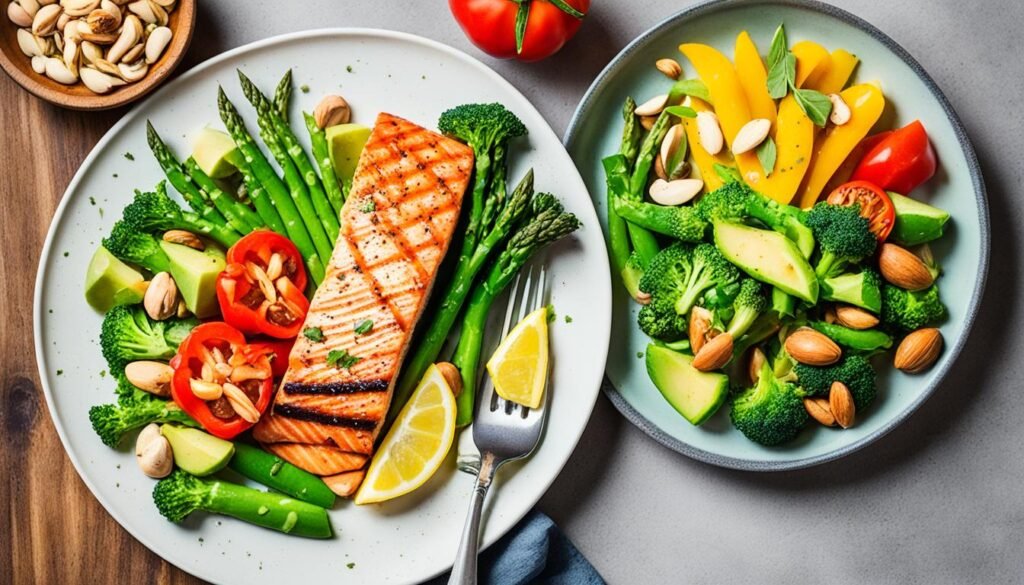
To follow this diet, you must cut down on carbs to 20-50 grams daily. By eating more fats, your body begins to burn fat for energy in a state called ketosis. Foods that help with this include healthy fats and oils, meats, and low-carb veggies.

One of the diet’s key points is eating healthy foods for ketosis for many health benefits. Sticking to this diet can help you manage your weight well. It can also help in controlling some diseases thanks to ketosis.

For those interested in this diet, knowing about healthy foods for ketosis is key. Include foods like avocados, fatty fish, nuts, and seeds in your meals. These help keep you in ketosis and bring health benefits.

Recommended Foods Benefits
Avocados Rich in healthy fats, helps maintain ketosis
Fatty Fish High in Omega-3, supports brain health
Nuts and Seeds Provide essential nutrients and healthy fats
Low-Carb Vegetables High in fiber, essential vitamins, and minerals

Benefits of the Ketogenic Diet

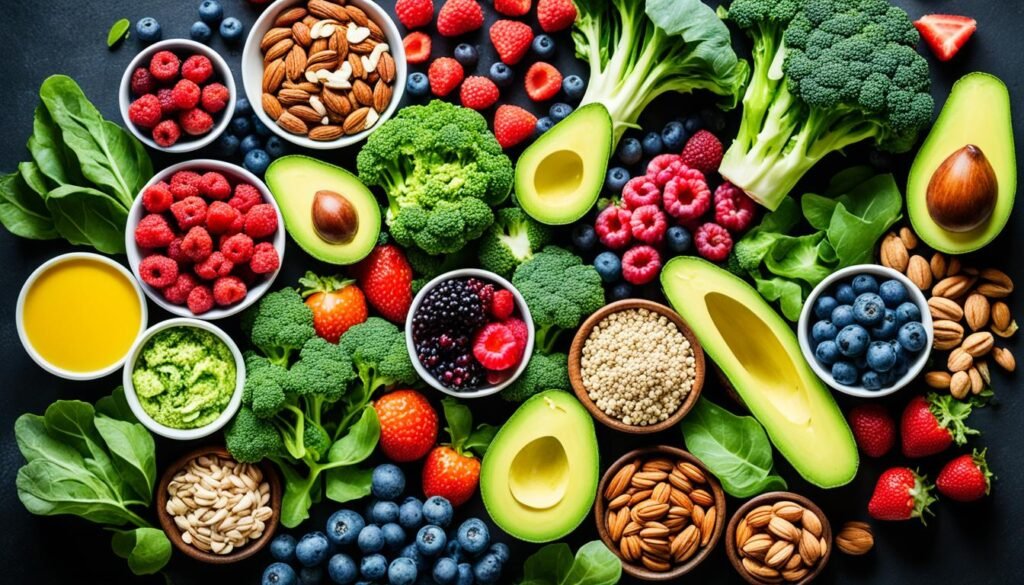
Starting a ketogenic diet brings many benefits. It focuses on low carb foods for ketosis and ketogenic diet friendly foods. This diet can change your health and make you feel better.
low carb foods for ketosis

Weight Loss

The ketogenic diet helps a lot with weight loss. It makes your body use fats for energy by eating low carb foods for ketosis. This process, called ketosis, boosts fat burning and lowers hunger. So, you eat less without missing out.

Improved Mental Clarity

Many say their minds are clearer on a ketogenic diet. It provides your brain with ketones from ketogenic diet friendly foods. This could improve how your brain cells work, making thoughts clearer and focus better.

Health Benefits Beyond Weight Loss

The ketogenic diet is about more than just losing weight. It’s good for many health issues like metabolic, neurological, and insulin problems. Eating low carb foods for ketosis helps fight heart disease, some cancers, and more. This is due to better energy use and less swelling in the body.

Benefits Description
Weight Loss Encourages the use of fats for energy, leading to a reduction in appetite and increased fat burning.
Improved Mental Clarity Enhances cognitive function and mental clarity by providing a steady supply of ketones to the brain.
Health Beyond Weight Loss Offers potential benefits for managing heart disease, cancers, and other metabolic and neurological conditions due to improved energy metabolism and reduced inflammation.

What are the Basic Rules for Keto?

When starting a ketogenic diet, it’s key to really understand its rules. Lower your carbs a lot and eat more fats to enter ketosis. In ketosis, your body burns fat for energy instead of carbs.

Eat just enough protein. Too much can turn into glucose and slow down ketosis. Adding intermittent fasting can help, making it easier for your body to switch to burning fat.

Follow these guidelines for success on the keto diet:

  • Reduce your carbs to 20-50 grams each day.
  • Choose fats wisely, like avocados, cheese, and fatty fish.
  • Keep protein moderate to prevent it from becoming glucose.
  • Try intermittent fasting to boost ketosis.
  • Watch your macronutrients, focusing on fats as the main part of your diet.

Sticking to these rules will help make the most of the keto diet. You’ll eat the best foods for staying in ketosis and reach your goals faster.

Best Foods for Ketosis Diet

When you’re aiming for ketosis, picking the right foods is key. Here’s a look at the top food groups for your ketosis diet. These will fuel your body right every day.

Meats and Fish

Start your diet with top-notch meats and fatty fish. These provide the proteins your body needs. They also give you the fats that keep you in ketosis. Aim for red meats like beef and lamb.

Don’t forget about fatty fish. Salmon and mackerel are great because they’re full of omega-3s.

Healthy Fats and Oils

Fats are a big part of the keto diet. You can’t skip healthy fats and oils. Adding avocado oil, MCT oil, and grass-fed butter to your dishes is crucial. They help you get enough fat while keeping carbs low.

Low-Carb Vegetables

Vegetables keep you healthy with fibers and nutrients. Stick to low-carb veggies like leafy greens and cruciferous vegetables. They’re loaded with vitamins and minerals, perfect for a ketosis diet.

Dairy and Cheese

Full-fat dairy and cheese make your meals exciting. They’re key for meeting your fat intake goals. Pick cheeses like cheddar, mozzarella, and cream cheese. They’re just right for your ketosis diet.

Food Category Examples Benefits
Meats and Fish Beef, Lamb, Salmon, Mackerel High in protein, rich in omega-3
Healthy Fats and Oils Avocado oil, MCT oil, Grass-fed butter Essential for ketosis, high energy yield
Low-Carb Vegetables Leafy greens, Cruciferous vegetables High in fiber and nutrients
Dairy and Cheese Cheddar, Mozzarella, Cream cheese High-fat content, diverse flavors

Ketosis Diet Foods

Choosing the right foods is key on a ketogenic diet. You will learn what to eat and avoid. This will help you stay in ketosis and boost your health.

Foods to Eat

It’s important to pick the right foods for a keto diet. You should focus on:

  • High-quality meats such as beef, chicken, and pork
  • Fatty fish like salmon, mackerel, and sardines
  • Eggs sourced from pasture-raised chickens
  • Nuts and seeds like almonds, chia seeds, and flaxseeds
  • Healthy oils including olive oil, coconut oil, and avocado oil
  • Dairy products such as butter, high-fat cheese, and heavy cream
  • Non-starchy vegetables like spinach, kale, and broccoli

Foods to Avoid

To stay on track, avoid these foods. They are high-carb and not suited for a keto diet. Avoiding them helps you stay in ketosis:

  • Grains and grain-based products such as bread, pasta, rice, and cereals
  • Sugar and sugary foods including soft drinks, candy, and desserts
  • Fruits with high sugar content like bananas, apples, and grapes
  • Starchy vegetables such as potatoes, sweet potatoes, and corn
  • Legumes including beans, lentils, and chickpeas
  • Alcohol and sugar-free diet products that can contain hidden carbs or affect blood sugar levels

By carefully choosing ketosis diet foods, you can maintain steady ketosis. This lets your body efficiently burn fat, getting the best from your keto diet.

Sample Keto Meal Plan for Beginners

Starting your keto journey might feel overwhelming, but it gets easier with a good plan. This meal plan offers a range of ketosis meal ideas that are not just tasty but also nutritious. This way, you can stick to your diet and still enjoy your meals.

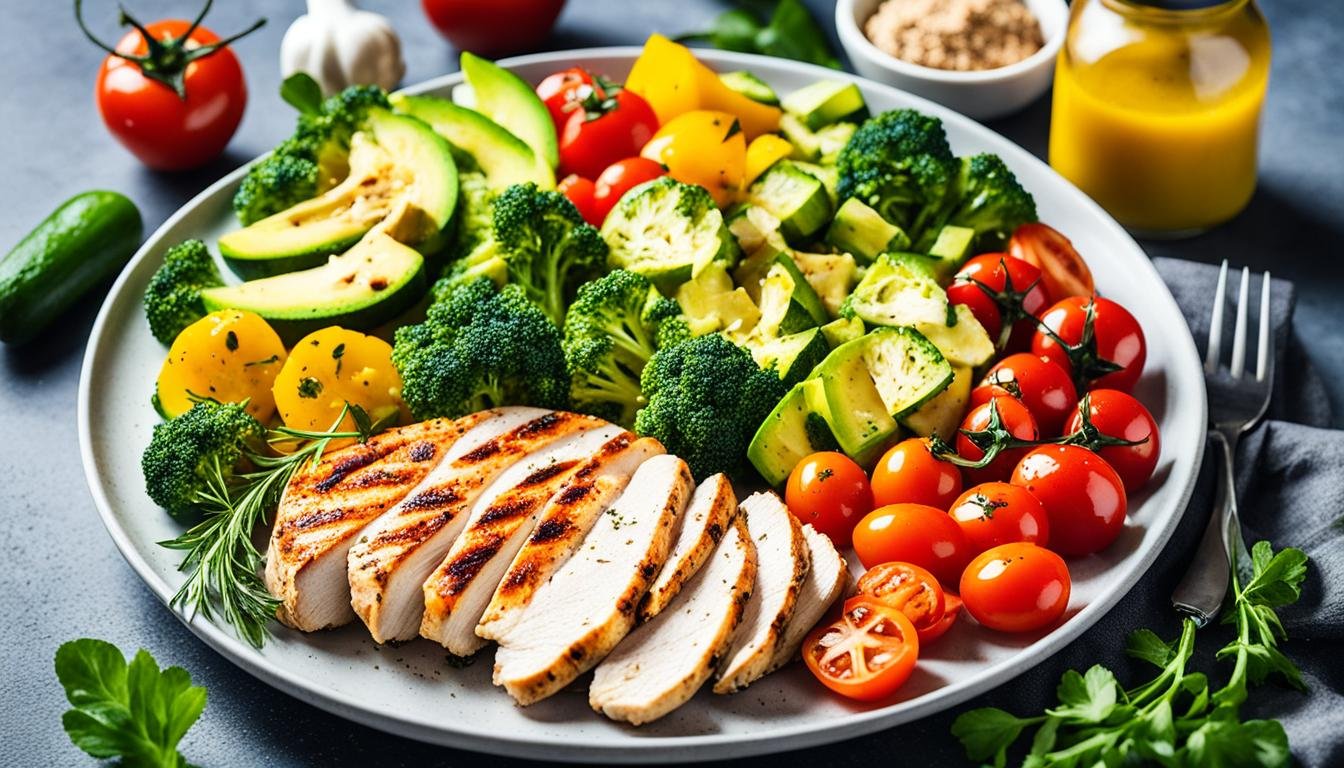
For breakfast, eggs and bacon are a great choice. They are rich in protein and healthy fats. These nutrients are key for staying in ketosis.

At lunch, try a salad with avocado, nuts, and olive oil dressing. This meal is packed with healthy fats. The nuts add crunch and olive oil keeps carbs low.

For dinner, grilled salmon with greens is a smart pick. Salmon offers omega-3s and protein. Greens like spinach are low in carbs but rich in fiber and vitamins.

Snack time should be simple and keto-friendly. Cheese cubes or a few berries are perfect. They keep you full without kicking you out of ketosis.

These ketosis meal ideas make following a keto diet both easy and enjoyable. Planning meals ahead is a big help in staying on track.

Here’s a simple overview of the meal plan:

Meal Example Primary Nutrients
Breakfast Eggs and Bacon Protein, Healthy Fats
Lunch Salad with Avocado, Nuts, and Olive Oil Dressing Healthy Fats, Low Carbs
Dinner Grilled Salmon with Sautéed Greens Omega-3 Fatty Acids, Protein, Fiber
Snacks Cheese Cubes or Berries Protein, Essential Nutrients

Popular Keto-Friendly Snacks

Finding tasty ketosis diet snacks can make your diet journey fun. You can make snacks at home or buy them. Both ways offer plenty of choices to keep you in ketosis and satisfy your hunger.

Homemade Keto Snacks

Making your own ketosis diet snacks lets you pick your ingredients. This ensures they fit your keto plan. Here are a few favorites:

  • Hard-boiled eggs
  • Cheese roll-ups
  • Guacamole with vegetable sticks
  • Keto fat bombs
  • Bacon-wrapped avocado

Store-Bought Keto Snacks

If you’re busy or want something quick, store-bought ketosis diet snacks work well. Just watch for hidden carbs on labels. Here are some top picks:

  • Keto bars
  • Cheese crisps
  • Nuts (almonds, macadamia nuts)
  • Jerky without added sugars
  • Low-carb pork rinds
Snack Type Examples
Homemade Snacks Hard-boiled eggs, Cheese roll-ups, Guacamole with vegetable sticks, Keto fat bombs, Bacon-wrapped avocado
Store-Bought Snacks Keto bars, Cheese crisps, Nuts, Jerky, Low-carb pork rinds

Conclusion

The ketogenic diet is mainly about eating more fats and less carbs. By following this diet, you can enjoy many health perks. This includes losing weight and getting better metabolic health. It shows why the keto diet is a top choice for changing your diet and life.

Moving to ketosis means you have to really change what you eat and be disciplined. But, the health benefits are worth it. Studies show this diet helps with weight control and brain health. It also offers metabolic advantages. Originally used for epilepsy, it now helps with many health issues.

Looking to manage weight or boost overall health? The ketogenic diet is a strong option. Focus on the best foods for ketosis for a balanced diet. This will lead you to a healthier lifestyle. Start this journey, and you’ll see amazing results.


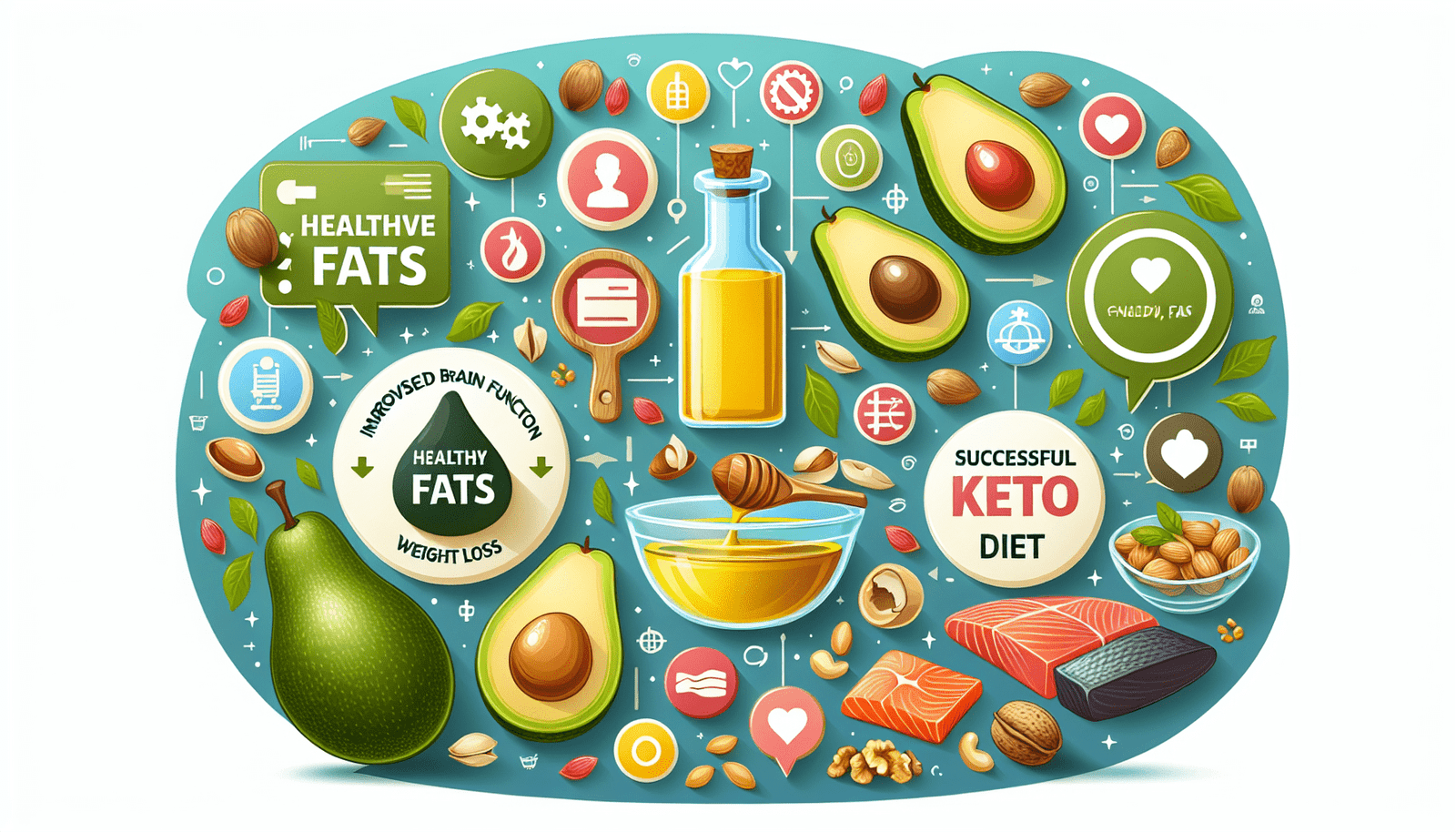
The Ultimate Guide to Healthy Fats for a Successful Keto Diet

Are you considering starting a Keto diet and want to know more about incorporating healthy fats into your meals? Look no further! In this comprehensive guide, you will learn everything you need to know about healthy fats and how they play a crucial role in a successful Keto journey. From the benefits they offer to the best sources to incorporate into your daily meals, this guide will equip you with the knowledge to make informed choices and achieve your health and wellness goals with ease. Get ready to unlock the power of healthy fats and take your Keto diet to the next level!

The Ultimate Guide to Healthy Fats for a Successful Keto Diet

Benefits of Healthy Fats in a Keto Diet

A ketogenic diet, or “keto” diet, is a low-carb, high-fat diet that has gained popularity for its potential weight-loss benefits. While it may seem counterintuitive to consume high amounts of fat to lose weight, incorporating healthy fats into your ketogenic diet can actually be advantageous. Let’s explore the key benefits of healthy fats in a keto diet.

Promotes Weight Loss

Contrary to popular belief, not all fats are created equal. Healthy fats, such as monounsaturated and polyunsaturated fats, can actually aid in weight loss when consumed in moderation. These fats help keep you feeling satiated, preventing overeating and reducing cravings for unhealthy, high-sugar foods. Additionally, incorporating healthy fats in your diet can increase your metabolic rate, allowing your body to burn fat more efficiently.

Provides Sustained Energy

One major advantage of including healthy fats in your keto diet is that they provide a source of sustained energy. When you limit your carbohydrate intake, your body turns to fat as its primary source of fuel, a process known as ketosis. Healthy fats help fuel your body and mind, keeping you energized throughout the day.

Enhances Brain Function

Did you know that your brain is mostly made up of fat? By including healthy fats in your keto diet, you support optimal brain function. Healthy fats, such as omega-3 fatty acids found in fatty fish, flaxseeds, and walnuts, have been shown to reduce inflammation in the brain and support cognitive function, memory, and overall brain health.

Reduces Inflammation

Inflammation is the body’s natural response to injury or infection, but chronic inflammation can contribute to various health issues. Healthy fats, especially those high in monounsaturated and polyunsaturated fats, have anti-inflammatory properties that can reduce inflammation in the body. By incorporating these fats into your diet, you may experience a decrease in inflammation and related symptoms, such as joint pain and digestive issues.

Types of Healthy Fats

Not all fats are created equal, and it’s important to understand the different types of healthy fats to make informed choices for your keto diet. Let’s delve into the various types of healthy fats you can incorporate into your meals.

Monounsaturated Fats

Monounsaturated fats are considered heart-healthy fats that can improve blood cholesterol levels and reduce the risk of heart disease. They are liquid at room temperature and solidify when refrigerated. Some excellent sources of monounsaturated fats include avocados, olive oil, nuts, and seeds.

Polyunsaturated Fats

Polyunsaturated fats are essential fats that your body needs but cannot produce on its own. These fats play a crucial role in brain function, cell growth, and reducing inflammation. Fatty fish, such as salmon and tuna, flaxseeds, chia seeds, and walnuts, are excellent sources of polyunsaturated fats.

Saturated Fats

Saturated fats have been a topic of debate in the world of nutrition, but recent research suggests that they may not be as harmful as once believed. Some saturated fats, such as those found in coconut oil and grass-fed butter, can be beneficial when consumed in moderation. Other sources include eggs and full-fat dairy products.

Trans Fats

Trans fats are artificial fats created through a process called hydrogenation. These fats are known to have detrimental effects on health, raising the risk of heart disease and inflammation. It is best to avoid trans fats completely, as they offer no nutritional benefits. Common sources of trans fats include processed and fried foods, vegetable and seed oils, and highly processed meats.

Best Food Sources of Monounsaturated Fats

Now that we understand the importance of consuming monounsaturated fats, let’s explore some of the best food sources to incorporate into your keto diet.

Avocado

Avocados are not only delicious but also an excellent source of monounsaturated fats. They are packed with essential nutrients, including fiber, potassium, vitamin K, and vitamin E. Adding slices of avocado to your salads or using avocado oil for cooking can boost your monounsaturated fat intake.

Olive Oil

Olive oil is well-known for its health benefits and is a staple in Mediterranean cuisine. It is rich in monounsaturated fats, antioxidants, and anti-inflammatory properties. Use extra virgin olive oil as a dressing for your salads or to sauté vegetables to increase your monounsaturated fat intake.

Nuts and Seeds

Nuts and seeds offer a convenient and delicious way to incorporate monounsaturated fats into your diet. Almonds, cashews, pecans, and macadamia nuts are all high in monounsaturated fats. Additionally, chia seeds and flaxseeds are fantastic sources of healthy fats, including omega-3 fatty acids.

Natural Nut Butters

Another great way to enjoy monounsaturated fats is through natural nut butters made from almonds, cashews, or peanuts. These spreads can be used as a topping, added to smoothies, or enjoyed with fresh fruit for a nutritious and flavorful snack.

Best Food Sources of Polyunsaturated Fats

Polyunsaturated fats, particularly omega-3 fatty acids, play a vital role in many aspects of health. Let’s explore some of the best food sources of polyunsaturated fats for your keto diet.

Fatty Fish (Salmon, Tuna)

Fatty fish, such as salmon and tuna, are an excellent source of omega-3 fatty acids. These healthy fats have been associated with numerous health benefits, including reducing inflammation, improving heart health, and supporting brain function. Incorporating fatty fish into your weekly meal plan can provide a significant boost of polyunsaturated fats.

Flaxseeds

Flaxseeds are a versatile and nutritious addition to your keto diet. They are rich in omega-3 fatty acids, fiber, and antioxidants. Grinding flaxseeds and adding them to smoothies, yogurt, or baked goods can help increase your polyunsaturated fat intake.

Chia Seeds

Chia seeds are small but mighty when it comes to their nutritional value. They are high in omega-3 fatty acids, fiber, protein, and various minerals. Soaking chia seeds in liquid, such as almond milk, creates a gel-like consistency that can be used in puddings, added to yogurt, or sprinkled on top of salads.

Walnuts

Walnuts are not only a tasty snack but also a great source of omega-3 fatty acids. They can be enjoyed on their own or added to salads, oatmeal, or baked goods. Including walnuts in your diet can provide you with a healthy dose of polyunsaturated fats.

The Ultimate Guide to Healthy Fats for a Successful Keto Diet

Best Food Sources of Saturated Fats

While saturated fats have been somewhat controversial in the past, recent research has shown that they can be part of a healthy diet when consumed in moderation. Let’s explore some of the best food sources of saturated fats to include in your keto diet.

Coconut Oil

Coconut oil is a popular choice among ketogenic dieters due to its high content of saturated fats, specifically medium-chain triglycerides (MCTs). MCTs are easily absorbed and converted into energy, making coconut oil an excellent choice for fueling your body on a keto diet. Use coconut oil for cooking, baking, or adding to your morning coffee to increase your saturated fat intake.

Grass-Fed Butter

Grass-fed butter is a rich source of vitamins, minerals, and saturated fats. Unlike conventional butter, which is made from grain-fed cows, grass-fed butter contains higher concentrations of omega-3 fatty acids and conjugated linoleic acid (CLA). Incorporating grass-fed butter into your keto diet can provide a boost of flavor and healthy fats.

Eggs

Eggs are nutrient-dense and a source of complete protein, making them an ideal food for a keto diet. The yolk of an egg is where the majority of the saturated fats are found, along with essential nutrients like choline, which is important for brain health. Enjoying eggs in various forms, such as scrambled, boiled, or in omelets, can provide you with a good dose of healthy fats.

Full-Fat Dairy Products

Full-fat dairy products, such as cheese, yogurt, and heavy cream, can be enjoyed in moderation on a keto diet. These foods are rich in saturated fats and provide important nutrients like calcium and vitamin D. Opt for quality, grass-fed dairy products for the highest nutritional value.

Foods to Avoid or Limit

While it’s essential to incorporate healthy fats into your keto diet, it’s equally important to avoid or limit certain foods that are not conducive to overall health. Let’s explore the foods you should steer clear of or consume in moderation.

Processed and Fried Foods

Processed and fried foods are often high in unhealthy fats, such as trans fats and unhealthy vegetable oils. To maintain a healthy ketogenic lifestyle, it’s best to avoid or limit these foods as much as possible. Instead, focus on whole, unprocessed foods that provide essential nutrients and healthy fats.

Vegetable and Seed Oils

Vegetable and seed oils, such as soybean oil, corn oil, and sunflower oil, are commonly used in processed foods and cooking. These oils are high in omega-6 fatty acids, which, when consumed in excess, can promote inflammation in the body. Opt for healthier alternatives, such as olive oil or avocado oil, for cooking and dressing.

Highly Processed Meats

Highly processed meats, such as deli meats and sausages, often contain unhealthy additives and preservatives. Additionally, these meats can be high in unhealthy fats and sodium. If you choose to include these foods in your keto diet, opt for minimally processed or organic options without added sugars or unhealthy additives.

Trans Fat Sources

Trans fats are artificial fats that can harm your health and increase the risk of heart disease. They are commonly found in fried foods, processed snacks, and baked goods. Always check food labels and avoid products that contain hydrogenated or partially hydrogenated oils.

The Ultimate Guide to Healthy Fats for a Successful Keto Diet

Healthy Fats Cooking Tips

Now that you have a good understanding of the different types of healthy fats and their food sources, let’s explore some tips for using these fats in your cooking to enhance both flavor and nutritional value.

Cook with Stable and High Smoke Point Oils

When cooking at high temperatures, it’s important to use oils with stable and high smoke points to prevent the production of harmful compounds. Avocado oil, coconut oil, and ghee (clarified butter) are excellent choices for sautéing, stir-frying, or roasting.

Use Natural Fats for Flavor Enhancement

Instead of relying solely on unhealthy processed sauces or dressings, incorporate natural fats to enhance the flavor of your dishes. Drizzle olive oil or sprinkle some chopped nuts and seeds on top of salads, soups, or roasted vegetables for a delicious and nutritious twist.

Incorporate Healthy Fats in Every Meal

To ensure you’re getting an adequate amount of healthy fats, make it a point to include them in every meal. Add avocado slices or a dollop of full-fat yogurt to your breakfast, drizzle olive oil on your lunchtime salad, and cook your dinner with coconut oil or grass-fed butter.

Experiment with Different Fats and Flavors

Don’t be afraid to experiment with different types of healthy fats to diversify your flavor profiles. Try using avocado oil in salad dressings, macadamia nut oil as a marinade, or sesame oil for stir-frying. Mixing and matching healthy fats can not only enhance the taste of your meals but also provide a variety of nutrients.

Recommended Daily Intake of Healthy Fats

While a keto diet is typically higher in fats, it’s important to strike a balance between fat, protein, and carbohydrate intake to meet your individual needs and goals. Here are some guidelines for calculating your fat macros and ensuring you consume healthy fats in appropriate quantities.

Calculating Fat Macros for a Keto Diet

To calculate your fat macros for a keto diet, you should aim for approximately 70-75% of your daily calorie intake to come from healthy fats. This percentage may vary depending on individual goals and preferences. It’s best to consult with a healthcare professional or registered dietitian to determine your specific macronutrient needs.

Avoiding Excessive Fat Consumption

While fats are an essential part of a keto diet, it’s important not to overconsume them. Excessive fat intake can lead to weight gain and hinder your weight loss goals. Be mindful of portion sizes and opt for healthier sources of fats to ensure a well-rounded and balanced diet.

Balancing Fat Intake with Protein and Carbohydrates

In addition to monitoring your fat intake, it’s crucial to strike a balance between protein and carbohydrates. Aim for around 20-25% of your daily calorie intake from protein, and limit your carbohydrate intake to approximately 5-10%. Balancing these macronutrients will help keep your body in a state of ketosis and support your overall health and well-being.

The Ultimate Guide to Healthy Fats for a Successful Keto Diet

Healthy Fats and Ketosis

Healthy fats play a significant role in promoting and maintaining nutritional ketosis. Let’s explore how healthy fats support ketosis and contribute to the success of a keto diet.

How Healthy Fats Support Ketosis

When you limit your carbohydrate intake, your body enters a state of ketosis in which it burns stored fat for fuel instead of glucose. By consuming healthy fats as a primary energy source, you encourage your body to produce ketones, which are the byproduct of fat metabolism.

Role of Healthy Fats in Nutritional Ketosis

Healthy fats are essential for nutritional ketosis because they provide the majority of calories needed to sustain ketone production. By consuming adequate healthy fats, you ensure that your body has a sufficient energy source to maintain ketosis and avoid relying on carbohydrates for fuel.

Fat Adaptation for Improved Ketosis

During the initial stages of a keto diet, you may experience a period known as “keto adaptation” or “fat adaptation.” This process involves training your body to become efficient at burning fat for energy instead of relying on carbohydrates. Consuming healthy fats during this phase is crucial to support your body’s transition and ensure successful fat adaptation.

Choosing the Right Healthy Fats for Your Keto Diet

Choosing the right healthy fats for your keto diet involves considering individual preferences, nutritional needs, and sourcing practices. Let’s delve into some factors to consider when selecting healthy fats for your ketogenic lifestyle.

Individual Preferences and Tolerances

We all have unique taste preferences and tolerances to certain foods. Some individuals may have allergies or sensitivities to specific fats. It’s vital to choose healthy fats that you enjoy and that agree with your body. Experiment with different types of healthy fats to find the ones that best suit your needs.

Considering Omega-3 to Omega-6 Ratio

An essential factor to consider when choosing healthy fats is the balance between omega-3 and omega-6 fatty acids. While both types of fats are necessary for optimal health, the modern Western diet tends to be disproportionately high in omega-6 fats, which can promote inflammation. Strive to incorporate sources of omega-3 fatty acids to maintain a healthy balance.

Quality and Sourcing of Fats

Opting for high-quality, minimally processed fats is crucial for the overall nutritional value of your keto diet. Choose organic, grass-fed, and pasture-raised animal products for healthier sources of saturated fats. When it comes to plant-based fats, opt for cold-pressed oils and minimally processed oils to preserve their nutritional properties.

Diversifying Healthy Fat Choices

Variety is key when it comes to a healthy diet, and the same applies to healthy fat choices on a keto diet. By diversifying the types of healthy fats you consume, you not only improve your overall nutrient intake but also make your meals more exciting and enjoyable. Don’t be afraid to try new fats and experiment with different flavors in your cooking.

In conclusion, healthy fats are a crucial component of a successful ketogenic diet. They provide numerous benefits, including promoting weight loss, providing sustained energy, enhancing brain function, and reducing inflammation. By incorporating various types of healthy fats, such as monounsaturated fats, polyunsaturated fats, and saturated fats, from sources like avocado, olive oil, fatty fish, coconut oil, grass-fed butter, and eggs, you can enjoy a diverse and nutritious keto diet. Remember to avoid or limit unhealthy fats, such as trans fats, processed and fried foods, and vegetable and seed oils. Incorporate healthy fats in your cooking, balance your macronutrient intake, and choose the right fats for your individual needs and preferences. With a well-rounded approach to healthy fats on a keto diet, you can achieve your health and weight-loss goals while enjoying delicious and satisfying meals.

The Ultimate Guide to Healthy Fats for a Successful Keto Diet