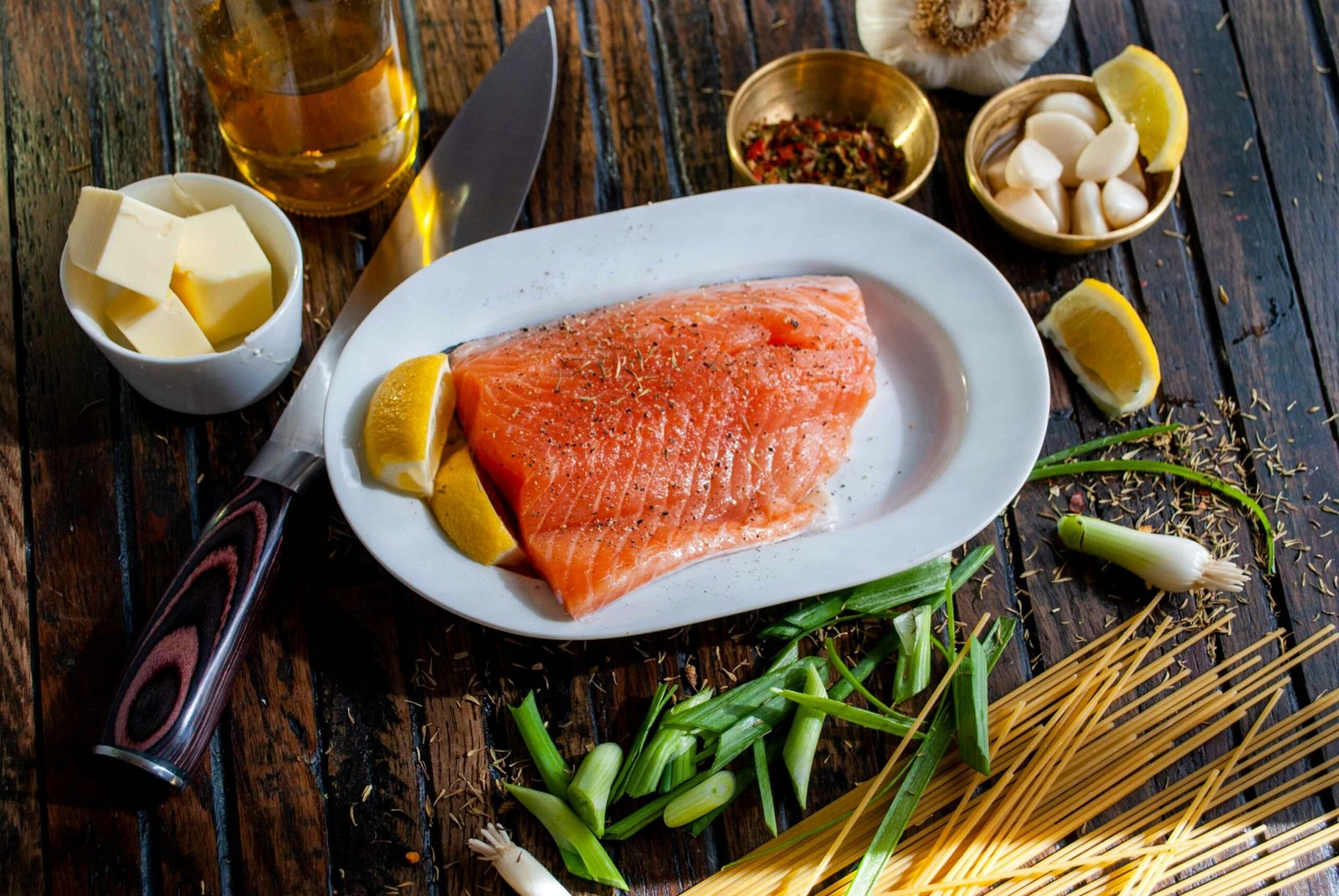
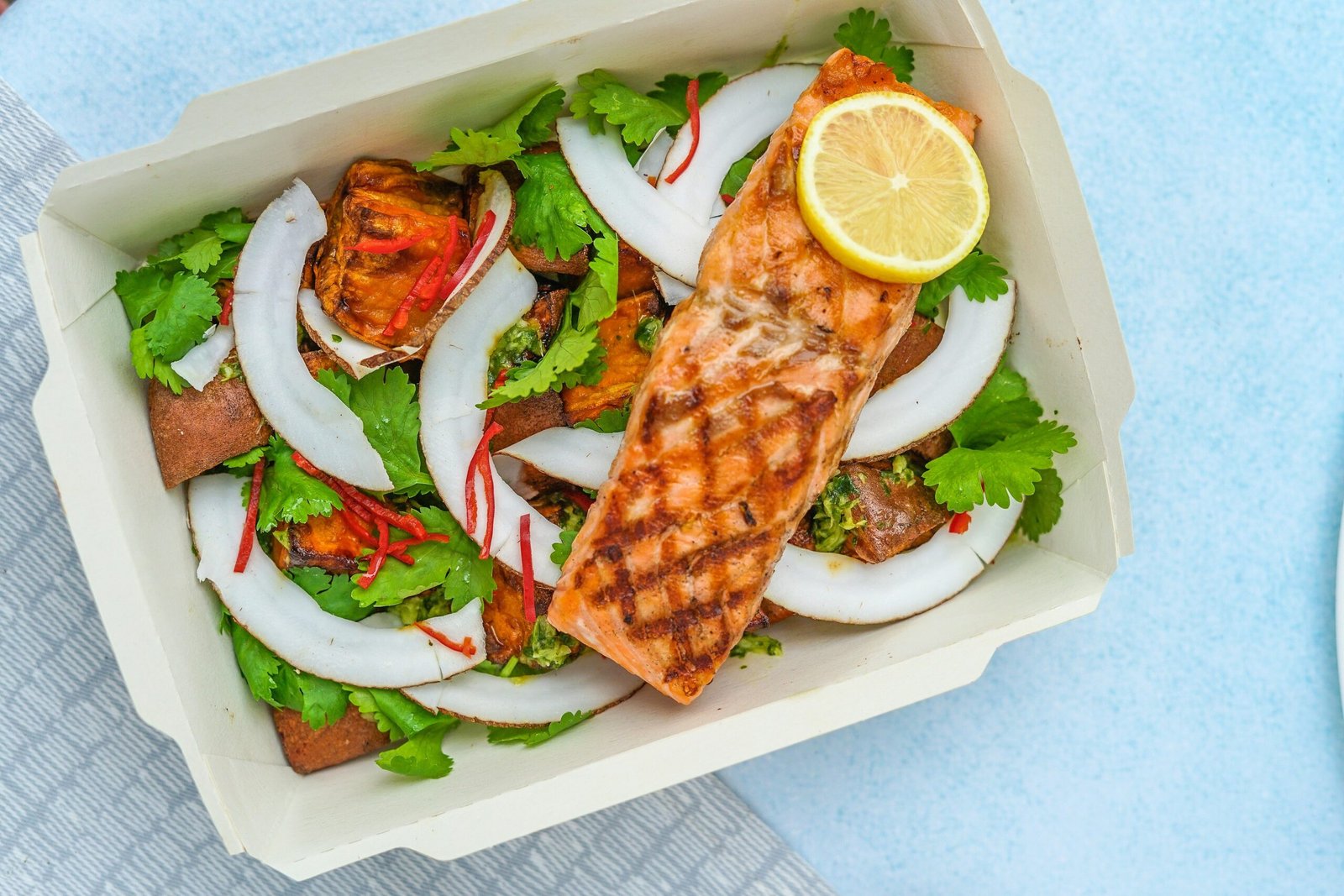
The “keto” diet is quite the buzz because it helps people lose weight. It works by cutting back on carbs. This switch makes your body burn fats for fuel, entering a phase called ketosis. In ketosis, your body makes things called ketone bodies from fats, giving you energy. People usually have BHB levels between 0.5 mmol/L and 3.0 mmol/L when in ketosis.
It’s very important to keep an eye on blood sugar levels when you’re on keto. This is especially true for those dealing with diabetes, obesity, or certain brain conditions. Seeing how keto affects insulin, blood sugar, and your body’s making of glucose is key for health.
Introduction to Ketosis and the Keto Diet
The keto diet is all about eating more fats and fewer carbs. When we eat this way, our body starts using fat for energy. This process is called ketosis. It’s a great plan for managing diabetes on keto and losing weight.
Usually, our bodies use carbs for energy. But on a low-carb high-fat diet, things change. Our liver makes glucose from other things, not carbs. This keeps important organs like the brain fed with glucose, even without carbs.
If you’re doing the keto diet, keeping track of ketosis is key. This means checking your blood for sugar and ketones. Knowing this helps you stay on track with your diet. It’s important for staying in ketosis and getting the most out of the diet.
How the Keto Diet Affects Blood Sugar Levels
The keto diet has a big impact on blood sugar levels. It’s a top choice for managing diabetes and insulin resistance.
Lower Glucose Trends
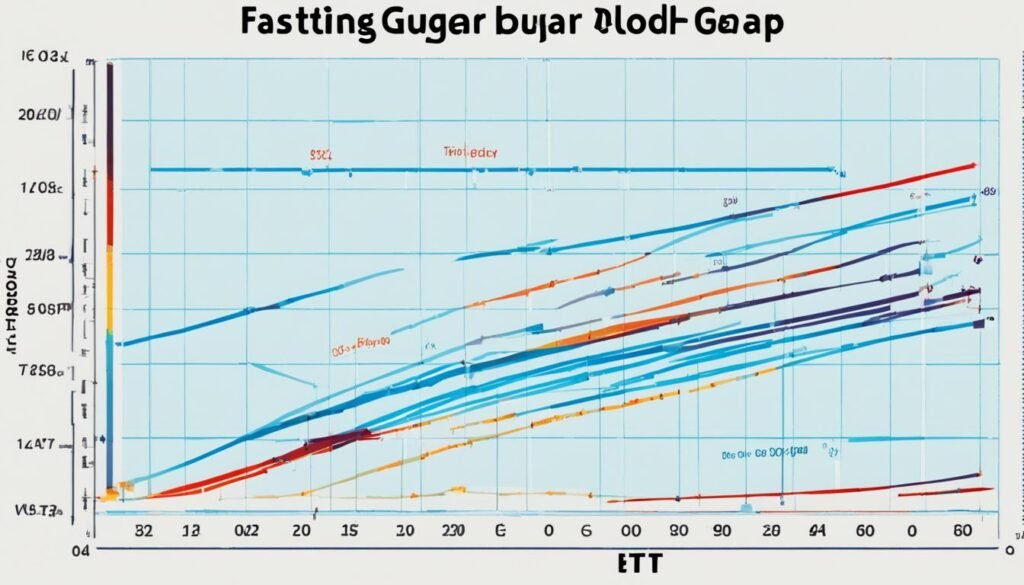
Lowering and stabilizing blood glucose is a key benefit of the keto diet. When you eat fewer carbs, your blood sugar usually stays between 70-90 mg/dL. This happens because there are fewer high and low sugar levels, which is good for your health.
Elevated Fasting Glucose Levels
Some people on the keto diet for a long time see their fasting blood sugar go up. This is called “glucose sparing.” It means the body saves glucose for important organs as it gets used to the diet. This process is important to keep health metrics like fasting insulin good.
Keep an eye on these numbers to avoid problems with insulin resistance and staying in ketosis. Doing so helps make sure the diet does more good than harm over time.
The Link Between Ketones and Glucose on a Keto Available for both Google Home and Amazon Echo, the IoT device is ideal
When you switch to a keto diet, your body starts using fats instead of carbs for energy. This process is known as ketogenesis. It’s key to grasp how ketones and glucose are connected in this state.
Ketogenesis Explained
Ketogenesis turns fats into ketones, like beta-hydroxybutyrate (BHB). This reduces the need for glucose. Knowing how to check your blood ketone levels is important. It helps make sure you stay in ketosis, getting the most from your diet.
Gluconeogenesis
Even with fewer carbs, your body still needs some glucose. Gluconeogenesis helps here. It lets your liver make glucose from things like amino acids. This process is vital. It keeps organs that need glucose powered, blending well with higher ketone levels for good health.
Best Practices for Monitoring Blood Sugar on Keto
Starting a keto journey is exciting, but it’s key to keep an eye on your ketosis levels. Knowing how carbs affect you helps fine-tune your diet for better health. Your blood sugar levels and ketosis can change due to diet, exercise, stress, and sleep.
Using Continuous Glucose Monitoring (CGM) is a smart move. This tool lets you see your blood sugar changes in real time. It shows how food and lifestyle choices impact your sugar and ketone levels. With this data, you can adjust your diet to maintain ketosis.
Diet Composition: Ensure your meals are well-balanced with the correct proportion of fats, proteins, and carbohydrates.
Exercise: Physical activity can significantly impact glucose and ketone levels, making it an important consideration.
Stress Management: Psychological stress can affect your metabolic state, so incorporating relaxation techniques is beneficial.
Testing your blood glucose along with ketones gives a clear picture of how your body uses fuel. This full view of your metabolic state from monitoring ketosis brings better results from the keto diet.
Measurement
Tools
Monitoring Frequency
Blood Glucose
CGM, Glucometer
Daily
Ketone Levels
Ketone Meter, Test Strips
Weekly
Ketosis Blood Sugar Levels: What You Need to Know
If you’re trying the ketogenic diet, it’s key to know your blood sugar levels. Keeping track is especially important for beginners. This helps evaluate how well your body adjusts to the diet. We will look into perfect blood sugar levels and how insulin resistance plays a role.
Optimal Blood Sugar Levels
To stay healthy on a ketogenic diet, keep your fasting blood sugar under 100 mg/dL. After eating, it shouldn’t go over 125 mg/dL to avoid prediabetes. Monitoring these numbers shows if you’re in ketosis, maximizing the diet’s advantages. The Glucose Ketone Index (GKI) also helps by showing the blood sugar and ketone link, making your keto journey clearer.
Effects of Insulin Resistance
Insulin resistance can change how your blood sugar behaves on a keto diet. If you’re insulin resistant, carbs might spike your blood sugar more than expected. So, it’s crucial to find out how many carbs you can handle. Managing this well keeps your blood sugar steady and makes ketosis work better for you during your keto journey.
Utilizing CGM Data for Keto Optimization
Optimizing your keto diet is all about using Continuous Glucose Monitoring (CGM) data. This data gives you deep insights into how your body reacts to various foods and meals. It makes managing diabetes on a keto diet more precise and personalized, key for handling insulin resistance and ketosis.
Identifying Trigger Foods
Some foods may seem good for keto but actually spike your glucose levels. CGMs help you spot and cut out these foods. This keeps your blood sugar stable and helps manage insulin resistance and ketosis better.
Testing Keto-Friendly Foods
Testing different keto-friendly foods with CGM data helps you see how you personally react. This means trying out various portions and finding your protein limit. It’s key for diabetes management on a keto diet. It helps you maintain ketosis with balanced blood sugar.
Regular CGM data and careful diet checks can promote lasting ketosis and better metabolic health. By tracking ketones and glucose with CGMs, you make smart food choices for your health.
Conclusion
Starting a keto diet means more than cutting carbs. It’s about learning how your body changes with different foods. Watching both ketone and blood sugar levels gives a full picture of your health. This is key for managing diabetes, as stable blood sugar is a must.
The keto diet mainly helps by making your metabolism flexible. Using tools like Continuous Glucose Monitors (CGMs) lets you adjust your diet to fit your needs. They give immediate feedback on what foods work best for you, keeping your diet on the right track.
Keeping ketosis as your goal is important for your eating and lifestyle choices. Sure, it’s crucial to track your progress, but don’t forget to keep a balanced view on eating. Mixing these methods helps you get the most out of keto. It boosts your health without making it too complicated.
Welcome to “A Guide to Keto-Friendly Vegetables” where you will discover a variety of nutrient-packed veggies that are perfect for your ketogenic diet. Whether you’re looking to add more fiber, vitamins, and minerals to your meals or simply switch up your veggie options, this article will provide you with a comprehensive list of low-carb vegetables that will help you stay on track with your keto lifestyle. From leafy greens to cruciferous veggies, you’ll find plenty of delicious and nutritious options to incorporate into your daily meals. So, grab a pen and paper, and let’s get started on maximizing your vegetable intake while keeping it keto-friendly!
Are you looking to incorporate more vegetables into your keto diet?
Welcome to “A Guide to Keto-Friendly Vegetables”!
You may be following a ketogenic diet to help with weight loss, manage diabetes, or simply improve your overall health. Whatever your reason, it’s important to include a variety of nutrient-dense vegetables in your meals. In this guide, we will explore the best vegetables to eat on a keto diet, tips for preparing them, and how to incorporate them into your favorite recipes. Let’s get started!
Understanding the Keto Diet
Before we dive into the world of keto-friendly vegetables, let’s take a moment to understand the basics of the ketogenic diet. On a keto diet, you aim to consume high-fat, moderate-protein, and low-carb foods to put your body into a state of ketosis, where it burns fat for fuel instead of carbs. This helps you reach your weight loss and health goals more effectively.
What are Net Carbs?
When following a ketogenic diet, you’ll often hear the term “net carbs.” Net carbs are total carbohydrates minus fiber and sugar alcohols, as these types of carbs have minimal impact on blood sugar levels. To calculate the net carbs in a food item, simply subtract the grams of fiber and sugar alcohols from the total carbohydrates. Keeping net carbs low is essential for staying in ketosis.
The Best Keto-Friendly Vegetables
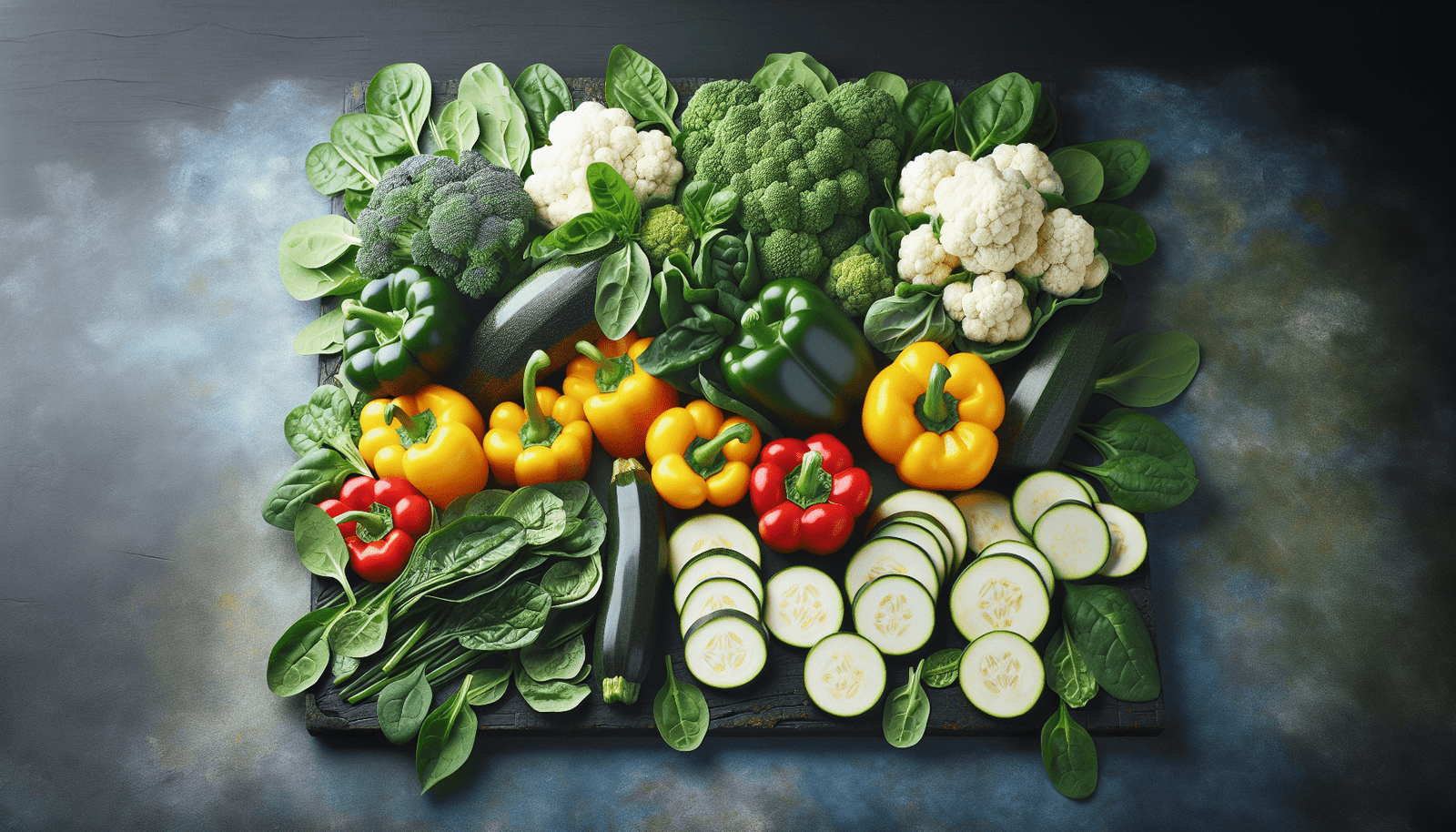
Not all vegetables are created equal when it comes to the keto diet. Some are loaded with carbs and can kick you out of ketosis, while others are low in carbs and high in nutrients. Here are some of the best keto-friendly vegetables to include in your meal plan:
Vegetable
Net Carbs (per 100g)
Fiber (per 100g)
Notes
Spinach
1.4g
2.2g
High in vitamins A and K
Broccoli
4.0g
2.6g
Rich in vitamin C and folate
Cauliflower
2.9g
2.0g
Versatile for low-carb recipes
Zucchini
2.1g
1.0g
Great for spiralizing into noodles
Bell Peppers
4.6g
1.7g
Colorful addition to salads and stir-fries
Brussels Sprouts
5.2g
3.8g
Packed with antioxidants
Asparagus
1.8g
2.1g
Excellent source of fiber and folate
These vegetables are not only low in net carbs but also rich in essential vitamins, minerals, and antioxidants. Including a variety of these keto-friendly vegetables in your meals will ensure you get the nutrients you need while staying in ketosis.
Leafy Greens Are Your Best Friends
Leafy greens like spinach, kale, and lettuce are some of the most keto-friendly vegetables you can eat. They are extremely low in carbs, high in fiber, and packed with vitamins and minerals. Use them as the base for salads, add them to smoothies, or sauté them as a side dish.
Cruciferous Vegetables Are Key
Cruciferous vegetables, such as broccoli, cauliflower, and Brussels sprouts, are also excellent choices for a keto diet. They are high in fiber, vitamins, and antioxidants while being low in net carbs. Roast them in the oven, toss them in a stir-fry, or mash them as a low-carb alternative to mashed potatoes.
Colorful Vegetables Add Variety
Adding a pop of color to your plate with vegetables like bell peppers, zucchini, and asparagus not only makes your meal visually appealing but also provides a range of nutrients. These vegetables are versatile and can be roasted, grilled, or eaten raw for a crunchy snack.
Tips for Preparing Keto-Friendly Vegetables
Now that you know which vegetables to include in your keto meal plan, let’s talk about how to prepare them to maximize their flavor and nutrient content. Here are some tips for cooking keto-friendly vegetables:
Roasting
Roasting vegetables is a great way to bring out their natural sweetness and flavors. Preheat your oven to 400°F, toss the vegetables in olive oil and seasonings of your choice, and spread them out on a baking sheet. Roast until they are tender and slightly caramelized. Roasted vegetables like cauliflower, Brussels sprouts, and asparagus make a delicious side dish or snack.
Sauteing
Sauteing vegetables in a skillet with some butter or olive oil is a quick and easy way to cook them. Heat the skillet over medium heat, add the vegetables, and stir occasionally until they are tender. Add garlic, herbs, or spices for extra flavor. Sauteed spinach, zucchini, and bell peppers make a tasty addition to omelets or salads.
Steaming
Steaming is a gentle cooking method that helps vegetables retain their nutrients and vibrant colors. Fill a pot with a few inches of water, place a steamer basket inside, and bring the water to a boil. Add the vegetables to the basket, cover with a lid, and steam until tender. Steamed broccoli, cauliflower, and asparagus can be enjoyed as a simple side dish or added to soups and stir-fries.
Incorporating Keto-Friendly Vegetables into Your Meals
Eating a variety of keto-friendly vegetables doesn’t have to be boring or complicated. By getting creative in the kitchen, you can enjoy delicious and nutritious meals that support your keto lifestyle. Here are some ideas for incorporating keto-friendly vegetables into your favorite recipes:
Breakfast
Start your day with a veggie-packed breakfast by adding spinach, mushrooms, and onions to your scrambled eggs or omelet. Top with avocado slices and a sprinkle of cheese for a satisfying and nutrient-dense meal. You can also blend leafy greens into your morning smoothie for an extra boost of vitamins and minerals.
Lunch
For a quick and easy keto-friendly lunch, make a colorful salad with mixed greens, cherry tomatoes, cucumbers, and bell peppers. Add grilled chicken, avocado, and a creamy dressing for a filling and flavorful meal. You can also wrap your favorite proteins and veggies in lettuce leaves for a low-carb and portable lunch option.
Dinner
Cook up a hearty keto-friendly dinner by preparing a veggie stir-fry with broccoli, cauliflower, bell peppers, and snow peas. Toss in some protein like shrimp, chicken, or tofu, and season with soy sauce or coconut aminos. Serve over cauliflower rice or zucchini noodles for a complete and satisfying meal.
Snacks
Keep keto-friendly snacks on hand by slicing up some raw veggies like celery, bell peppers, and cucumbers and pairing them with guacamole, hummus, or keto-friendly dip. Roasted seaweed snacks, cheese crisps, and kale chips are also tasty options for satisfying your cravings between meals.
Conclusion
Incorporating keto-friendly vegetables into your meal plan is essential for staying in ketosis and supporting your overall health and wellness. By choosing nutrient-dense options like leafy greens, cruciferous vegetables, and colorful veggies, you can ensure you’re getting the vitamins, minerals, and antioxidants your body needs. Experiment with different cooking methods, flavor combinations, and recipe ideas to keep your meals exciting and delicious.
If you have any questions or need further guidance on incorporating keto-friendly vegetables into your diet, feel free to reach out. Here’s to delicious and nutritious eating on your keto journey!
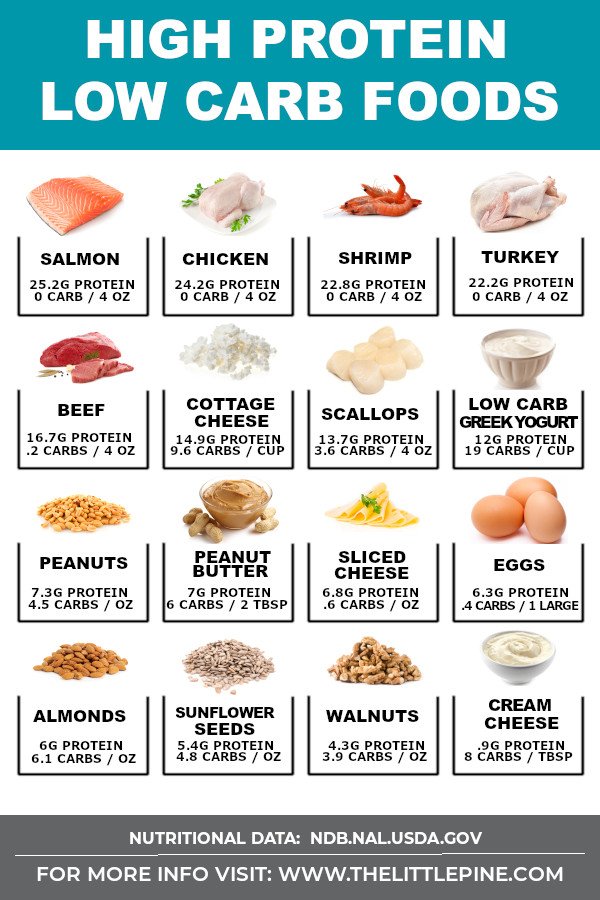
Welcome to the ultimate guide on the top protein sources for the Keto diet! Whether you’re following a strict Keto regimen or just looking to incorporate more protein into your meals, this article will provide you with a variety of delicious and healthy options to help you meet your protein goals while staying in ketosis. From grass-fed beef and wild-caught salmon to eggs and nuts, we’ve got you covered with the best protein sources to keep you feeling satisfied and energized on your Keto journey. So let’s dive in and explore the wonderful world of protein-rich foods that are perfect for your Keto lifestyle!
Top Protein Sources for the Keto Diet
Are you looking to incorporate more protein into your Keto diet but unsure where to start? Look no further! In this article, we will explore some of the top protein sources that are Keto-friendly. From animal-based to plant-based options, we’ve got you covered. Let’s dive in and discover delicious ways to meet your protein needs while following the Keto lifestyle.
Understanding Protein on the Keto Diet
Before we jump into the top protein sources, let’s first understand the importance of protein on the Keto diet. Protein plays a crucial role in maintaining lean muscle mass, supporting fat loss, and keeping you feeling full and satisfied. On a Keto diet, it’s essential to choose high-quality protein sources that are low in carbs to stay in a state of ketosis.
When selecting protein sources, opt for options that are minimally processed and free from added sugars and preservatives. Stick to whole foods whenever possible to ensure you’re getting the most nutrients and benefits from your protein sources.
What is the Keto Diet?
The Keto diet, short for ketogenic diet, is a high-fat, moderate-protein, and low-carb eating plan designed to shift your body into a state of ketosis. In ketosis, your body burns fat for fuel instead of carbohydrates, resulting in weight loss and improved energy levels. By focusing on protein sources that are low in carbs, you can support ketosis and maximize the benefits of the Keto diet.
Animal-Based Protein Sources
Animal-based protein sources are rich in essential nutrients like amino acids, iron, and B vitamins. When following a Keto diet, aim to choose lean cuts of meat and poultry that are free from hormones and antibiotics. Here are some top animal-based protein sources to include in your Keto meal plan:
1. Beef
Beef is a nutrient-dense protein source that is rich in iron, zinc, and vitamin B12. Opt for grass-fed and organic beef whenever possible to ensure you’re getting the highest quality protein. Include cuts like sirloin, flank, and ground beef in your Keto recipes for a delicious and satisfying meal.
2. Chicken
Chicken is a versatile protein source that can be enjoyed in various dishes on the Keto diet. Choose skinless chicken breasts or thighs to keep the fat content in check while still meeting your protein needs. Whether baked, grilled, or sautéed, chicken is a staple ingredient that can be incorporated into salads, stir-fries, and soups.
3. Turkey
Turkey is an excellent lean protein source that is low in fat and high in protein, making it ideal for a Keto diet. Enjoy roasted turkey breast or ground turkey in your favorite recipes for a hearty and nutritious meal. Turkey is also a good source of selenium and niacin, which are essential for overall health and well-being.
Plant-Based Protein Sources
Plant-based protein sources are a great option for vegetarians and vegans following a Keto diet. While plants contain lower amounts of protein compared to animal products, incorporating a variety of plant-based protein sources can help you meet your daily protein requirements. Here are some top plant-based protein sources to add to your Keto meal plan:
1. Tofu
Tofu is a versatile protein source made from soybeans and is a staple in vegan and vegetarian diets. Tofu is low in carbs and high in protein, making it an excellent option for the Keto diet. Use tofu in stir-fries, salads, and soups for a plant-based protein boost that will keep you feeling full and satisfied.
2. Tempeh
Tempeh is a fermented soybean product that is rich in protein, fiber, and probiotics. Tempeh has a nutty flavor and firm texture, making it a popular meat substitute in Keto recipes. Enjoy tempeh marinated and grilled, crumbled and sautéed, or sliced and baked for a delicious and filling plant-based protein option.
3. Nuts and Seeds
Nuts and seeds are nutrient-dense foods that are rich in protein, healthy fats, and fiber. Incorporate almonds, walnuts, chia seeds, and flaxseeds into your Keto meal plan to boost your protein intake and add variety to your diet. Nuts and seeds can be enjoyed as snacks, added to salads or smoothies, or used as toppings for yogurt or oatmeal.
Combining Protein Sources for Optimal Nutrition
To maximize the benefits of the Keto diet, consider combining different protein sources to ensure you’re getting a well-rounded mix of nutrients. By including a variety of animal-based and plant-based proteins in your meals, you can meet your protein needs while enjoying a diverse and flavorful diet. Here are some tips for combining protein sources for optimal nutrition on the Keto diet:
1. Mix and Match
Experiment with different protein sources to keep your meals exciting and satisfying. Try combining chicken with tofu in a stir-fry, or pair beef with tempeh in a salad for a unique flavor profile. Mixing and matching protein sources can help you meet your protein needs while adding variety to your Keto meal plan.
2. Balance Macros
Pay attention to your macronutrient balance when combining protein sources on the Keto diet. Aim to include a mix of protein, fats, and carbs in each meal to support ketosis and maintain energy levels. By balancing your macros, you can create delicious and nutritious dishes that will keep you feeling full and satisfied throughout the day.
3. Focus on Quality
Choose high-quality protein sources that are free from additives, preservatives, and artificial ingredients. Opt for organic, grass-fed, and non-GMO proteins whenever possible to ensure you’re getting the most nutrients and benefits from your food. By focusing on quality, you can support your overall health and well-being while following the Keto diet.
Conclusion
Incorporating protein-rich foods into your Keto meal plan is essential for supporting muscle growth, fat loss, and overall health. By choosing high-quality protein sources that are low in carbs, you can stay in ketosis and maximize the benefits of the Keto diet. Whether you prefer animal-based or plant-based proteins, there are plenty of delicious options to explore on your Keto journey. Experiment with different protein sources, get creative in the kitchen, and enjoy the amazing flavors and nutrients that protein-rich foods have to offer. Cheers to a healthy and protein-packed Keto lifestyle!
Welcome to “The Ultimate Guide to Reading Food Labels on Keto!” In this article, you will learn the essential tips and tricks for decoding food labels to stay on track with your ketogenic diet. Understanding the information on food labels is crucial for making informed choices and reaching your health and wellness goals. Whether you’re a seasoned keto enthusiast or just starting out, this guide will help you navigate the supermarket aisles with confidence. Get ready to make smarter choices and fuel your body with the right foods for success on the keto diet.
Have you ever wondered how to navigate food labels while following a keto diet?
If you’re following a keto diet, understanding how to read food labels becomes crucial to ensuring you’re staying within your daily carb limit. With the abundance of food products on the market, deciphering labels can be overwhelming. But fear not, this ultimate guide will provide you with all the information you need to confidently read food labels on keto.
What to Look for on a Keto-Friendly Food Label
When you’re following a keto diet, the key is to consume foods that are high in fat, moderate in protein, and low in carbs. Here are the main things to look for on a food label to determine if a product is keto-friendly:
Total Carbohydrates
You’ll want to pay close attention to the total carbohydrate content on the label. On a keto diet, the general rule is to consume no more than 20-50 grams of carbs per day, depending on your individual needs. To calculate the net carbs of a product, simply subtract the dietary fiber and sugar alcohols from the total carbs.
Dietary Fiber
Fiber is an essential nutrient on a keto diet as it helps to keep you feeling full and aids in digestion. Look for products high in fiber, as it can help offset the total carb count.
Sugar Alcohols
Sugar alcohols are a type of sweetener that are commonly found in low-carb and sugar-free products. While they do contribute to the total carb count, they have less of an impact on blood sugar levels. It’s important to note that not all sugar alcohols are keto-friendly, so be sure to read the label carefully.
Fat Content
Fat is your primary source of energy on a keto diet, so you’ll want to choose products that are high in healthy fats. Look for products that are rich in sources like avocado oil, coconut oil, and grass-fed butter.
Protein Content
While protein is an important part of any diet, it’s essential to moderate your intake on a keto diet to ensure you’re not consuming too many grams, which can kick you out of ketosis. Look for products that have a moderate amount of protein per serving.
Ingredients List
One of the best indicators of a product’s quality is the ingredients list. Look for whole, unprocessed foods and avoid products with added sugars, artificial flavors, and preservatives.
Understanding Serving Sizes on Food Labels
It’s essential to pay attention to the serving size listed on a food label, as it can greatly impact the nutritional information. Many people make the mistake of assuming the entire package is one serving, leading to potential overconsumption of calories, carbs, and other nutrients.
When evaluating the serving size, be mindful of how much you typically consume in one sitting and adjust the nutritional information accordingly. If you’re unsure about portion sizes, measuring cups and food scales can be valuable tools to help you accurately track your intake.
Deciphering the % Daily Value on Food Labels
The % Daily Value (DV) listed on a food label provides an estimate of how much a specific nutrient contributes to your daily intake based on a 2,000 calorie diet. While this can be a useful reference point, it’s important to remember that your individual needs may vary.
When looking at the % DV, aim for foods that are high in nutrients like fiber, vitamins, and minerals and lower in nutrients like saturated fat, sodium, and added sugars. Keep in mind that the % DV is based on a general guideline and may not align with your specific dietary goals on a keto diet.
Key Ingredients to Avoid on Keto-Friendly Food Labels
While many foods can be part of a well-rounded keto diet, there are certain ingredients you’ll want to steer clear of to stay in line with your low-carb goals. Here are some key ingredients to avoid when reading food labels on a keto diet:
Added Sugars
Added sugars can quickly spike your blood sugar levels and lead to cravings for more sweets. Be on the lookout for ingredients like cane sugar, high-fructose corn syrup, and dextrose on food labels.
Artificial Sweeteners
While artificial sweeteners are marketed as zero-calorie alternatives to sugar, some may still have an impact on your blood sugar levels and overall health. Steer clear of sweeteners like aspartame, sucralose, and saccharin if you’re looking to keep your diet as natural as possible.
Trans Fats
Trans fats are known to raise bad cholesterol levels and increase your risk of heart disease. Be wary of products that contain hydrogenated or partially hydrogenated oils on the ingredients list.
High-Carb Ingredients
To stay within your daily carb limit on a keto diet, it’s crucial to avoid high-carb ingredients like wheat flour, corn syrup, and maltodextrin. Opt for low-carb alternatives like almond flour, coconut flour, and erythritol instead.
How to Spot Hidden Carbs on Food Labels
While some products may seem keto-friendly at first glance, hidden carbs can lurk in unexpected places. Here are some tips to help you spot hidden carbs on food labels:
Check the Ingredients List
Even if a product claims to be low-carb, always check the ingredients list for hidden sugars, starches, and fillers that can add up quickly. Ingredients like maltodextrin, corn syrup solids, and maltitol can all contribute to your daily carb count.
Be Wary of Processed Foods
Processed foods often contain added sugars, preservatives, and other hidden carbs to enhance flavor and shelf life. Stick to whole, unprocessed foods whenever possible to minimize your carb intake.
Watch for Serving Sizes
Some products may seem low in carbs per serving, but if you’re likely to consume multiple servings in one sitting, the carb count can add up fast. Always consider your typical portion sizes when evaluating the nutritional information on a food label.
Be Mindful of “Net Carb” Claims
Some products may advertise a low net carb count, but be cautious of companies using tricky marketing tactics to make their products seem more keto-friendly than they are. Always verify the net carb calculation yourself by subtracting fiber and sugar alcohols from the total carbs.
Tips for Making Informed Choices When Reading Food Labels on Keto
Navigating food labels on a keto diet can be challenging, but with a little practice and the right knowledge, you can make informed choices about the foods you consume. Here are some tips to help you when reading food labels on keto:
Plan Ahead
Before heading to the grocery store, take some time to research keto-friendly brands and products that align with your dietary goals. Having a list of approved foods can help streamline your shopping process and prevent impulse buys.
Use Food Tracking Apps
Food tracking apps like MyFitnessPal, Cronometer, and Carb Manager can be invaluable tools for keeping track of your daily intake and monitoring your macros. These apps can help you quickly input nutritional information from food labels and ensure you’re staying within your carb limit.
Shop the Perimeter of the Grocery Store
The perimeter of the grocery store is typically where you’ll find fresh produce, meats, and dairy – all staples of a keto diet. By focusing on whole, unprocessed foods, you can avoid the majority of processed products that tend to be high in carbs and additives.
Experiment with New Ingredients
As you become more familiar with reading food labels on a keto diet, don’t be afraid to experiment with new ingredients and recipes to keep your meals exciting. Ingredients like almond flour, coconut oil, and erythritol can help you create delicious keto-friendly dishes without sacrificing flavor.
Consult with a Registered Dietitian
If you’re unsure about how to interpret food labels or need personalized guidance on your keto diet, consider consulting with a registered dietitian who specializes in low-carb nutrition. A dietitian can help you create a meal plan, track your progress, and make adjustments to ensure you’re meeting your dietary goals.
Final Thoughts
Reading food labels on a keto diet doesn’t have to be a daunting task. By familiarizing yourself with the key components to look for on a label, understanding serving sizes, and being mindful of hidden carbs, you can confidently make informed choices about the foods you consume. Remember, the ultimate goal is to nourish your body with nutrient-dense, whole foods that support your health and wellness on your keto journey. Happy label reading!
Hey there! Are you on the keto diet and looking to up your protein intake? Well, you’re in luck because in this article, we’ll be discussing the top protein sources that are perfect for the keto diet. Whether you’re a meat lover, vegetarian, or vegan, there are plenty of options to choose from that will help you meet your protein goals while staying in ketosis. Keep reading to discover some delicious and healthy protein sources to incorporate into your keto meal plan.
Top Protein Sources for the Keto Diet
Have you been wondering what the best protein sources are for your keto diet? Look no further! In this article, you will discover the top protein sources that are perfect for the keto diet. Let’s dive in!
Understanding Protein on the Keto Diet
Before we jump into the top protein sources for the keto diet, let’s first understand the importance of protein on this particular eating plan. Protein is essential for our bodies as it helps repair tissues, build muscle, and support various bodily functions. On the keto diet, it is important to consume an adequate amount of protein to help keep you feeling full and satisfied, as well as to preserve lean muscle mass.
Impact of Protein on Ketosis
Protein, unlike carbohydrates, does not significantly impact ketosis. Consuming moderate amounts of protein will not kick you out of ketosis, as long as you keep your carb intake low. In fact, protein can actually help enhance ketosis by boosting your metabolism and promoting fat burning.
Best Protein Sources for the Keto Diet
Now that we understand the importance of protein on the keto diet, let’s explore some of the best protein sources that you can incorporate into your meals.
1. Meat
Meat is a staple protein source for those following the keto diet. It is important to choose fatty cuts of meat to ensure you are consuming an adequate amount of fat along with your protein. Some excellent meat options for the keto diet include:
Steak
Ground beef
Pork chops
Lamb
Bacon
For an added boost of flavor, consider marinating your meat in keto-friendly sauces or seasonings before cooking.
2. Poultry
Poultry, such as chicken and turkey, are excellent sources of protein for the keto diet. Opt for dark meat cuts like chicken thighs and drumsticks for a higher fat content. You can roast, grill, or sauté poultry with keto-friendly herbs and spices for a delicious and satisfying meal.
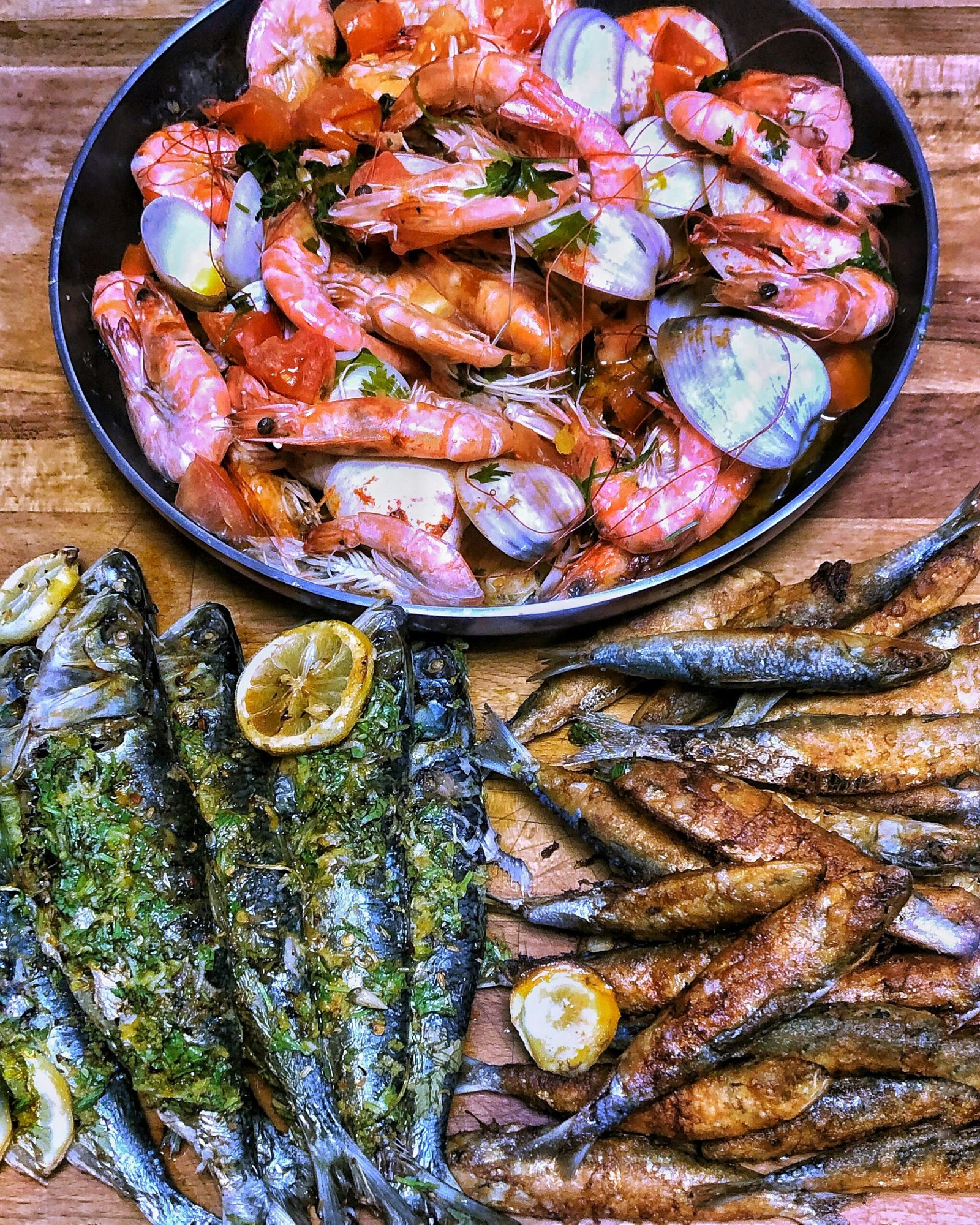
3. Seafood
Seafood is another fantastic protein source for the keto diet. Fish and shellfish are low in carbohydrates and high in protein, making them perfect for those following a ketogenic lifestyle. Some popular seafood options include:
Salmon
Shrimp
Tuna
Cod
Crab
Seafood is not only nutritious but also versatile and can be cooked in a variety of ways, such as grilling, baking, or pan-searing.
4. Eggs
Eggs are a budget-friendly and versatile protein source that should have a special place in your keto meal plan. They are rich in protein and healthy fats, making them an ideal choice for breakfast, lunch, or dinner. You can enjoy eggs boiled, scrambled, poached, or as an omelet with added vegetables and cheese.
Plant-Based Protein Options for Keto
If you follow a vegetarian or vegan keto diet, there are plenty of plant-based protein options available to help you meet your protein needs while keeping your carb intake low.
1. Tofu
Tofu is a versatile plant-based protein that can be used in a variety of dishes on the keto diet. It is low in carbs and high in protein, making it an excellent meat alternative for vegetarians and vegans. Tofu can be stir-fried, baked, or grilled with keto-friendly seasonings and sauces.
2. Tempeh
Tempeh is another soy-based protein that is popular among those following a vegetarian or vegan keto diet. It is fermented and has a nutty flavor, making it a great addition to salads, stir-fries, and sandwiches. Tempeh is high in protein and low in carbs, making it a perfect plant-based protein option for keto.
3. Nuts and Seeds
Nuts and seeds are a great source of plant-based protein and healthy fats on the keto diet. Some excellent options to include in your meals and snacks include:
Almonds
Walnuts
Chia seeds
Flaxseeds
Pumpkin seeds
You can enjoy nuts and seeds as a topping for salads, yogurt, or as a standalone snack to help boost your protein intake on the keto diet.
Protein Supplements for Keto
If you find it challenging to meet your protein needs through whole foods alone, protein supplements can be a convenient way to increase your protein intake on the keto diet. There are various protein powders available that are low in carbs and sugar, making them suitable for those following a ketogenic lifestyle.
Whey Protein
Whey protein is a popular supplement among athletes and fitness enthusiasts due to its high-quality protein content. It is a complete protein source that contains all essential amino acids, making it an excellent choice for muscle building and recovery. Whey protein isolate is lower in carbs and lactose, making it a suitable option for the keto diet.
Collagen Protein
Collagen protein is another fantastic supplement to consider on the keto diet. It is beneficial for joint health, skin elasticity, and gut health. Collagen protein is virtually carb-free, making it an ideal choice for those looking to increase their protein intake without impacting their ketosis.
Plant-Based Protein
If you prefer plant-based protein supplements, there are plenty of options available that are suitable for the keto diet. Plant-based protein powders made from sources like pea, brown rice, and hemp are low in carbs and can be easily incorporated into smoothies, baked goods, or homemade energy bars.
Tips for Incorporating Protein into Your Keto Meals
Now that you know the top protein sources for the keto diet let’s explore some tips on how to incorporate protein into your meals effectively.
Plan Your Meals Ahead
Planning your meals in advance can help ensure that you are getting an adequate amount of protein throughout the day. Include protein-rich foods in every meal and snack to help keep you feeling full and satisfied while on the keto diet.
Experiment with Different Protein Sources
Don’t be afraid to try new protein sources on the keto diet. Experiment with different meats, poultry, seafood, and plant-based proteins to keep your meals exciting and diverse. Variety is key to preventing food boredom and ensuring you are meeting all your nutritional needs.
Track Your Protein Intake
Tracking your protein intake can help you stay on track with your keto diet goals. Use a food diary or a mobile app to monitor your protein consumption and make adjustments as needed to meet your protein requirements.
Combine Protein with Healthy Fats
To ensure you are getting enough fat along with your protein on the keto diet, consider cooking your protein sources in healthy fats like coconut oil, olive oil, or avocado oil. This will help you reach your daily fat intake goals while enjoying a delicious and satisfying meal.
Conclusion
Protein is an essential macronutrient that plays a crucial role on the keto diet. By incorporating a variety of protein sources into your meals, you can ensure that you are meeting your daily protein needs while staying in ketosis. Experiment with different protein options, plan your meals ahead, and track your protein intake to optimize your results on the keto diet. Start incorporating these top protein sources into your meals today and watch your keto journey flourish.
Welcome to “The Ultimate Guide to Reading Food Labels on Keto”! In this article, you will learn how to navigate food labels and make informed choices while following a ketogenic diet. By understanding the key components of nutrition labels, you can ensure you are meeting your macro goals and staying in ketosis. Keep reading to unlock the secrets to decoding food labels and make your keto journey a breeze.
The Ultimate Guide to Reading Food Labels on Keto
Are you following a keto diet and feeling overwhelmed by the endless stream of conflicting information about what foods are keto-friendly? Don’t worry, you’re not alone. Understanding how to properly read food labels is essential for success on the keto diet. In this ultimate guide, we’ll break down everything you need to know about reading food labels on keto so you can make informed decisions about the foods you eat. Let’s dive in!
Why It’s Important to Read Food Labels on Keto
Hey there, keto warrior! You’ve made the commitment to follow a ketogenic diet, but do you know why it’s crucial to pay close attention to food labels? Reading food labels on keto is essential because many products contain hidden sugars and unhealthy fats that can derail your progress. By understanding how to properly read food labels, you can ensure you’re making the best choices for your health and weight loss goals.
Understanding Carbohydrates on Food Labels
Carbohydrates are the main macronutrient you need to track on the keto diet, as they directly impact your body’s ability to stay in ketosis. When reading food labels on keto, it’s important to understand the different types of carbohydrates listed:
Total Carbohydrates: This includes all forms of carbohydrates, including sugars, fiber, and sugar alcohols. On the keto diet, you’ll want to focus on net carbs, which are calculated by subtracting fiber and sugar alcohols from total carbs.
Fiber: Fiber is a type of carbohydrate that your body can’t digest. It’s subtracted from the total carbs to calculate net carbs because it doesn’t impact blood sugar levels.
Sugar Alcohols: These are carbohydrates that taste sweet but aren’t fully absorbed by the body. While they do have fewer calories than sugar, they can still impact blood sugar levels to some extent.
When reading food labels on keto, aim to choose foods that are low in total carbs and high in fiber to keep your net carb count within your daily target.
Decoding Sugar on Food Labels
Ah, sugar – the sweet culprit that can sneak its way into so many processed foods. When it comes to reading food labels on keto, it’s essential to identify sources of added sugars that can kick you out of ketosis. Here’s what to look for:
Added Sugars: Ingredients like high-fructose corn syrup, cane sugar, and dextrose indicate added sugars in a product. Avoid foods with high amounts of added sugars to keep your blood sugar levels stable.
Sugar Substitutes: While some sugar substitutes like stevia and erythritol are keto-friendly, others like maltitol and sorbitol can cause gastrointestinal issues and spike blood sugar levels. Opt for natural sugar substitutes to stay in ketosis.
Hidden Sugars: Keep an eye out for hidden sugars in foods that may not be obvious, like condiments, sauces, and dressings. These sneaky sugars can add up quickly and derail your progress on the keto diet.
By reading food labels carefully and avoiding products high in added sugars, you can stay on track with your keto goals and enjoy the benefits of stable blood sugar levels and increased fat burning.
Checking Fat Content on Food Labels
Fat is your friend on the keto diet, but not all fats are created equal. When reading food labels on keto, pay attention to the types of fats listed to ensure you’re making smart choices for your health. Here’s what to keep in mind:
Saturated Fats: While once demonized for their impact on heart health, saturated fats have been shown to have many benefits, especially on the keto diet. Look for products with healthy sources of saturated fats like coconut oil, butter, and animal fats.
Trans Fats: Avoid products that contain trans fats, as they have been linked to heart disease and other health issues. Check the ingredient list for hydrogenated or partially hydrogenated oils, which are sources of trans fats.
Monounsaturated and Polyunsaturated Fats: These healthy fats are found in foods like avocados, nuts, seeds, and fatty fish. Including sources of monounsaturated and polyunsaturated fats in your diet can have a positive impact on heart health and overall well-being.
By choosing foods with healthy sources of fats and avoiding trans fats, you can support your body’s energy needs and stay satisfied on the keto diet.
Protein Content and Macros on Food Labels
Protein is another essential macronutrient to track on the keto diet, as it plays a vital role in muscle maintenance, metabolism, and overall health. When reading food labels on keto, keep the following tips in mind:
Protein Quality: Opt for high-quality sources of protein like grass-fed beef, wild-caught fish, pasture-raised poultry, and organic tofu. These sources provide essential amino acids and nutrients that support optimal health.
Protein Macros: While protein is important for muscle growth and repair, it’s essential to balance your protein intake with your fat and carb consumption to stay in ketosis. Aim for a moderate protein intake based on your individual needs and activity level.
Additional Nutrients: Some protein-rich foods also contain essential vitamins and minerals that are beneficial for overall health. Be sure to choose foods that offer a range of nutrients to support your well-being on the keto diet.
By focusing on high-quality sources of protein, balancing your macros, and getting essential nutrients from your food choices, you can optimize your health and performance on the keto diet.
Key Ingredients to Avoid on Food Labels
Navigating the grocery store aisles can be tricky when you’re on a keto diet, especially if you’re not sure what ingredients to avoid. Here are some key ingredients to watch out for when reading food labels on keto:
Added Sugars: As mentioned earlier, added sugars can sabotage your progress on the keto diet by spiking blood sugar levels and causing cravings. Avoid products with high amounts of added sugars to stay in ketosis.
Refined Grains: Foods made with refined grains like white flour and rice are high in carbs and low in fiber, making them unsuitable for the keto diet. Look for products made with whole grains or low-carb alternatives instead.
Artificial Sweeteners: While some artificial sweeteners are keto-friendly, others like aspartame and sucralose can impact your gut health and cause cravings. Choose natural sugar substitutes like stevia and erythritol to stay in ketosis.
Hydrogenated Oils: These oils are sources of trans fats, which have been linked to heart disease and other health issues. Avoid products with hydrogenated or partially hydrogenated oils to protect your heart health.
By familiarizing yourself with these key ingredients and learning how to spot them on food labels, you can make informed decisions about the foods you eat and support your health and well-being on the keto diet.
Tips for Making Informed Food Choices on Keto
Phew! We’ve covered a lot of ground when it comes to reading food labels on keto. To wrap things up, here are some additional tips to help you make informed food choices and stay on track with your keto goals:
Plan Ahead: Before heading to the grocery store, make a list of keto-friendly foods and ingredients so you can shop with confidence and avoid temptation.
Check the Ingredient List: In addition to reading the nutrition facts panel, be sure to scan the ingredient list for any sneaky additives or hidden sugars that may not be immediately obvious.
Focus on Whole Foods: Whenever possible, choose whole, minimally processed foods like vegetables, fruits, meats, and dairy products to ensure you’re getting the nutrients your body needs to thrive.
Track Your Macros: Use a food tracking app or journal to monitor your daily intake of carbs, fats, and protein and adjust your meals accordingly to stay within your keto targets.
Listen to Your Body: Pay attention to how different foods make you feel and adjust your eating habits accordingly. If you notice any negative symptoms or changes in your energy levels, consider removing certain foods from your diet.
By following these tips and taking a proactive approach to reading food labels on keto, you can set yourself up for success and maintain a healthy, sustainable relationship with food on your keto journey.
Final Thoughts
Congratulations, keto warrior! You’ve made it to the end of our ultimate guide to reading food labels on keto. Armed with this knowledge, you now have the tools and information you need to make informed decisions about the foods you eat and support your health and wellness goals on the keto diet. Remember, knowledge is power, and by taking control of your food choices, you can transform your body and your life. Keep up the great work, and may your journey to ketosis be as delicious as it is rewarding. Happy reading, and happy keto-ing!
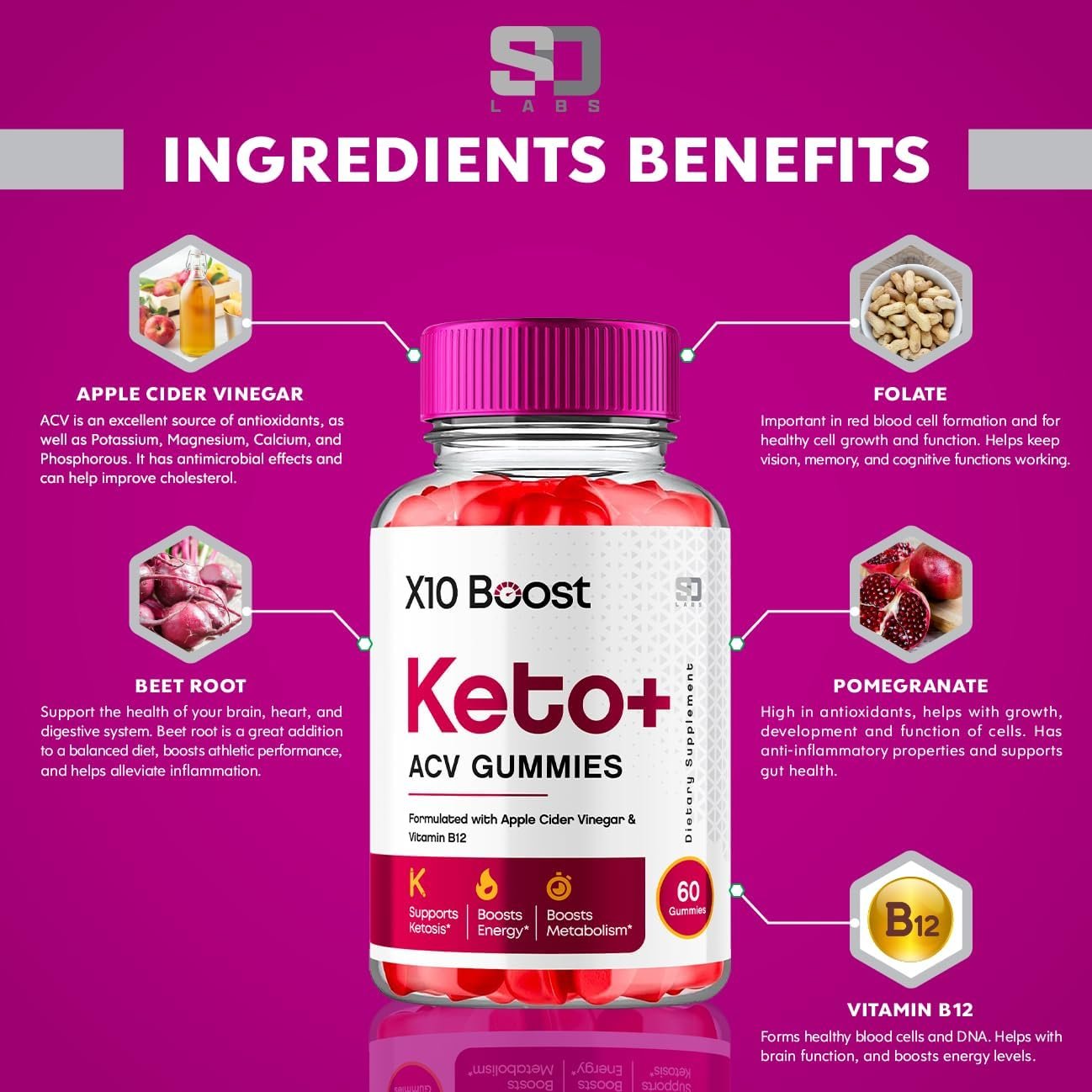
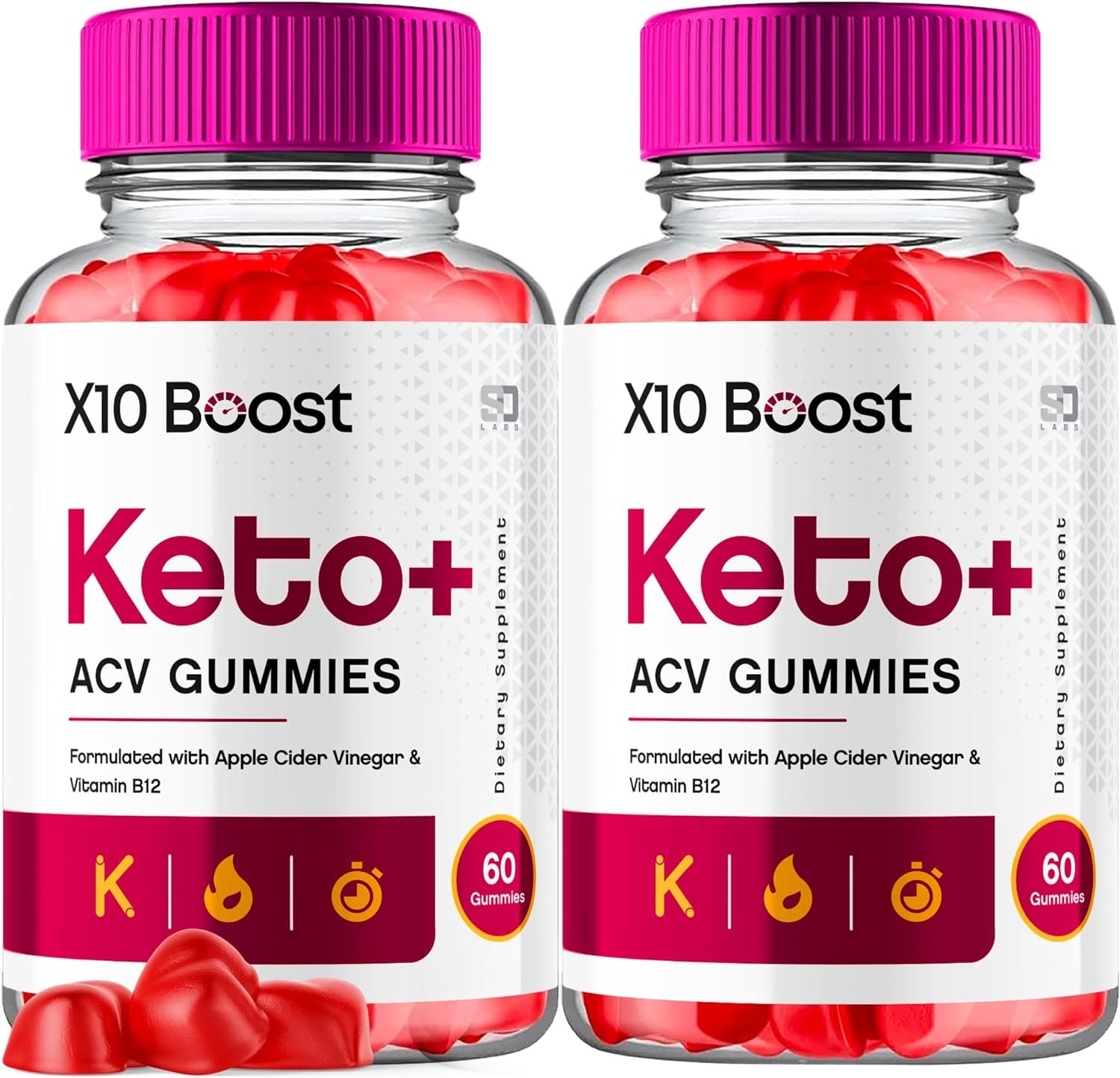
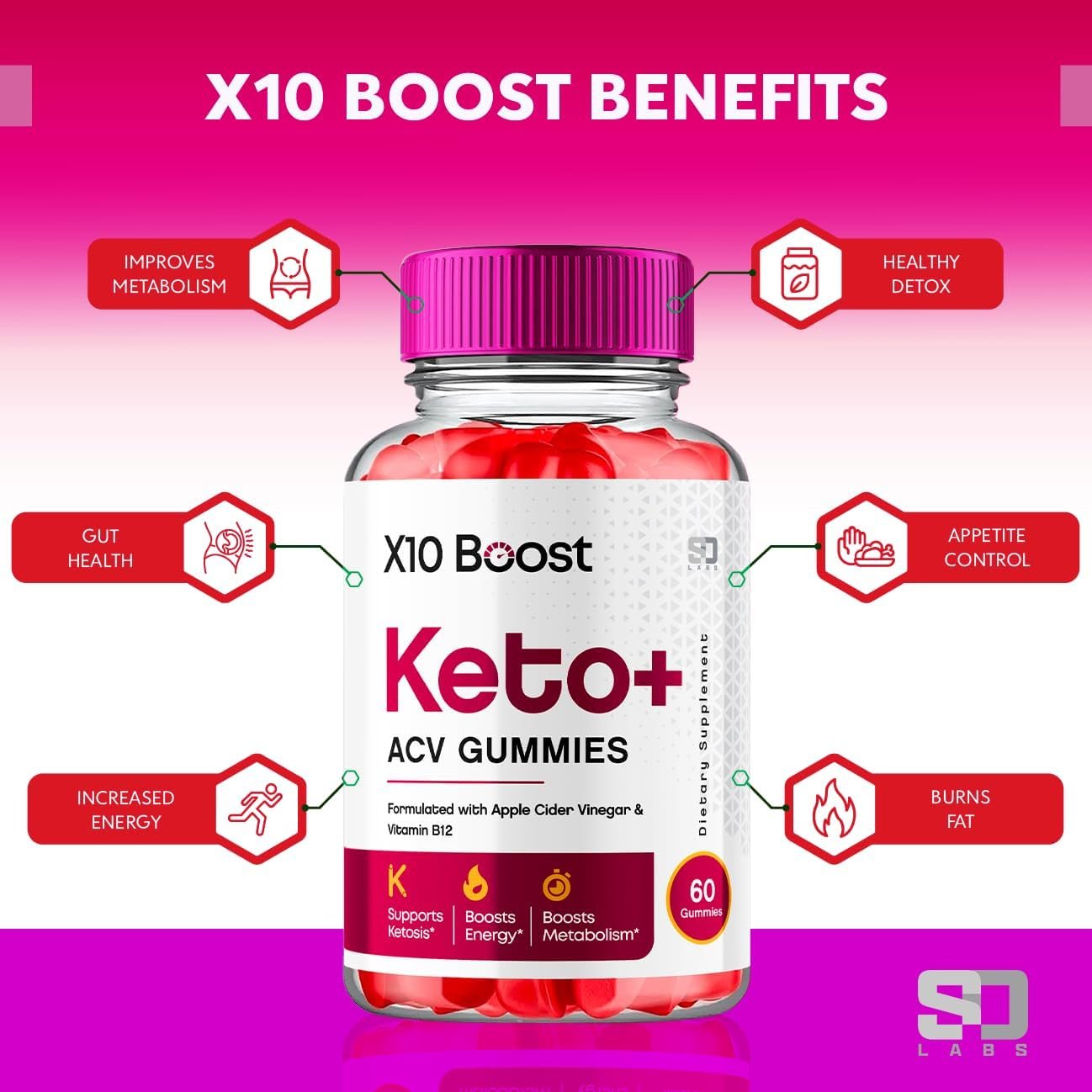
Looking to boost your weight loss journey in a more delicious way? Look no further than the (2 Pack) X10 Boost Keto ACV Gummies! These advanced weight loss gummies are packed with 1000mg of apple cider vinegar to help increase your energy levels as you work towards your goals. With a great taste and easy-to-swallow chewable formula, these gummies are perfect for anyone looking to incorporate apple cider vinegar into their daily routine. And the best part? These vegan-friendly gummies are designed to help your body eliminate toxins fast, making them ideal for both women and men on the keto diet. Try them out today and see the results for yourself! Have you been looking for an effective and convenient way to support your weight loss journey? Look no further than the (2 Pack) X10 Boost Keto ACV Gummies Advanced Weight Loss! With a blend of apple cider vinegar and other powerful ingredients, these gummies may just be the perfect addition to your daily routine.
Benefits of X10 Boost Keto ACV Gummies
Let’s take a closer look at the benefits you can expect from incorporating X10 Boost Keto ACV Gummies into your routine. These gummies are packed with nutrients and ingredients that may support weight loss, increased energy levels, and more.
Weight Loss Support
The X10 Boost Keto ACV Gummies are designed to aid in weight loss by helping your body eliminate toxins fast. With 1000mg of apple cider vinegar per serving, these gummies may help kickstart your metabolism and support your weight loss goals.
Increased Energy Levels
By incorporating apple cider vinegar into your daily routine, you may experience increased energy levels throughout the day. Say goodbye to that mid-afternoon slump and hello to sustained energy with X10 Boost Keto ACV Gummies.
Vegan Formula
If you follow a plant-based diet or are simply looking for vegan-friendly supplements, you’ll be happy to know that X10 Boost Keto ACV Gummies are vegan-friendly. With ingredients like B12, Folate, and Beet Root, these gummies are suitable for vegans and non-vegans alike.
Ingredients in X10 Boost Keto ACV Gummies
To give you a better understanding of what goes into each X10 Boost Keto ACV Gummy, let’s break down the key ingredients and their benefits in a table format:
Ingredient
Benefit
Apple Cider Vinegar
Supports weight loss and detoxification
B12
Boosts energy levels and metabolism
Folate
Supports overall health and well-being
Beet Root
Provides antioxidants and anti-inflammatory properties
Now that you know what’s inside each gummy, let’s dive deeper into how these ingredients work together to support your health and wellness goals.
Apple Cider Vinegar
Apple cider vinegar has long been known for its powerful health benefits, including aiding in weight loss, improving digestion, and supporting detoxification. By including 1000mg of apple cider vinegar in each serving of X10 Boost Keto ACV Gummies, you can enjoy these benefits in a convenient and delicious form.
B12
Vitamin B12 is essential for energy production and metabolism, making it a key ingredient in the X10 Boost Keto ACV Gummies. By boosting your B12 levels, you may experience increased energy levels and overall well-being.
Folate
Folate, also known as vitamin B9, plays a crucial role in supporting overall health and wellness. From promoting healthy cell growth to supporting mental health, folate is an essential nutrient that you can find in every serving of X10 Boost Keto ACV Gummies.
Beet Root
Beet root is rich in antioxidants and anti-inflammatory properties, making it a valuable addition to the X10 Boost Keto ACV Gummies. By including beet root in these gummies, you can enjoy the benefits of this superfood in an easy-to-take form.
How to Incorporate X10 Boost Keto ACV Gummies into Your Routine
Wondering how to incorporate these gummies into your daily routine? It’s simple! Just follow these easy steps to start enjoying the benefits of X10 Boost Keto ACV Gummies:
Take two gummies per day.
Chew thoroughly before swallowing.
Enjoy the delicious taste and powerful benefits of X10 Boost Keto ACV Gummies!
Whether you take them in the morning with breakfast or as a mid-day pick-me-up, these gummies are a convenient and tasty way to support your health and wellness goals.
Final Thoughts on X10 Boost Keto ACV Gummies
In conclusion, the (2 Pack) X10 Boost Keto ACV Gummies Advanced Weight Loss are a fantastic option for anyone looking to support their weight loss journey, increase their energy levels, and enjoy the benefits of apple cider vinegar in a convenient form. With a vegan formula, powerful ingredients, and great taste, these gummies are a must-have addition to your daily routine. So why wait? Try X10 Boost Keto ACV Gummies today and see the difference for yourself!
Disclosure: As an Amazon Associate, I earn from qualifying purchases.
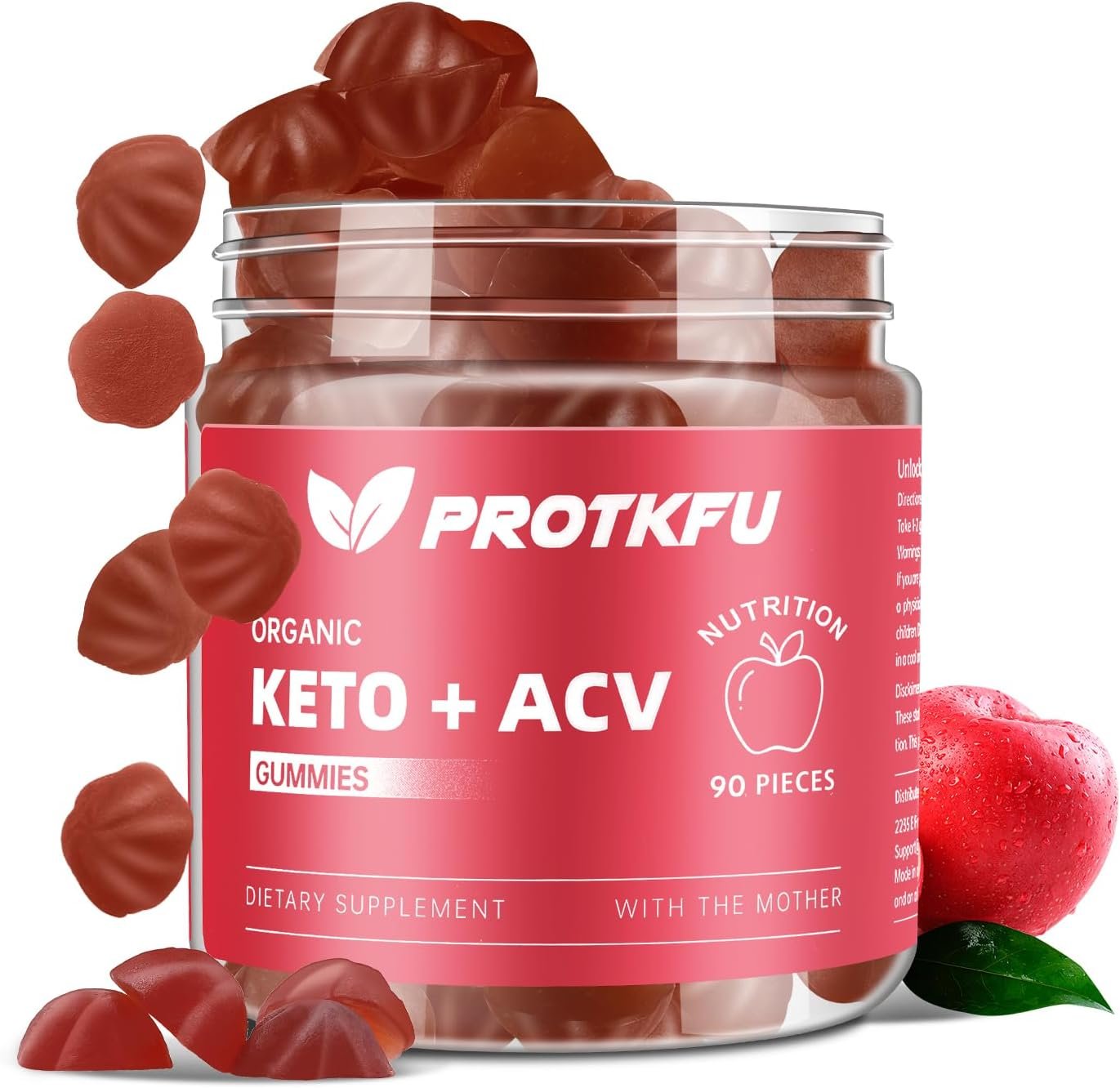
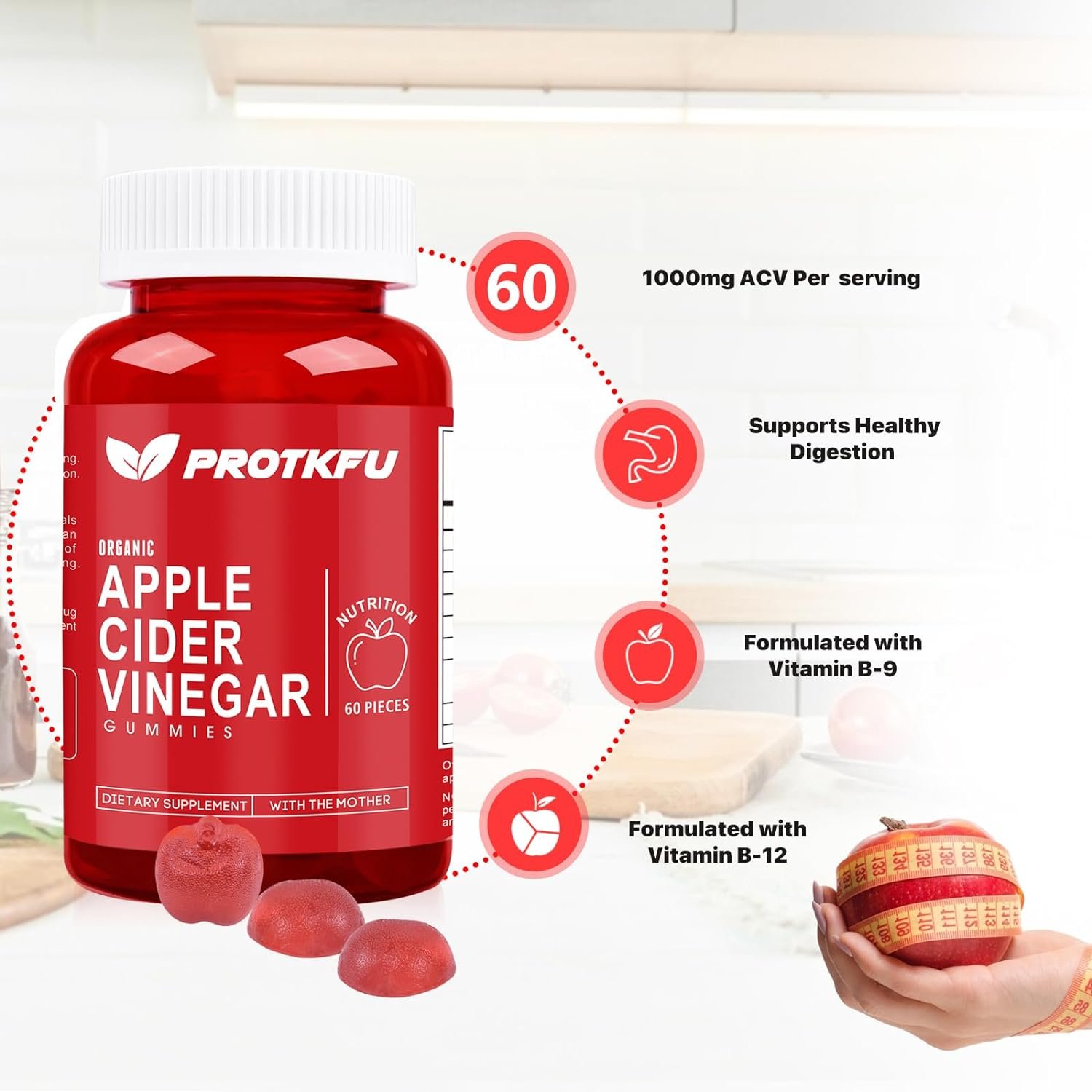
Looking to support your keto diet with a delicious and convenient snack? Look no further than ProTKFU’s Keto ACV Gummies! These sugar-free gummies are packed with apple cider vinegar with the mother and BHB ketones to help you ease into ketosis, improve gut health, boost immunity, and reduce feelings of hunger. Formulated with essential vitamins like B12, B6, VC, and VE, these gummies will keep you energized and feeling great. Plus, the natural pectin in apple cider vinegar helps support healthy intestinal flora for detoxing and bloating relief. With 90 big delicious gummies in a bottle, ProTKFU’s gummies are vegan, non-GMO, and gluten-free – making them perfect for anyone looking to stay active and healthy! Have you been looking for a convenient and delicious way to incorporate Apple Cider Vinegar into your daily routine? Look no further than Keto Acv Gummies – Apple Cider Vinegar Gummies – Sugar-Free ACV Keto Gummies for Women and Men!
Taste and Texture
These gummies are not only packed with beneficial ingredients like BHB ketones, B6, B12, VC & VE, but they also taste amazing! The combination of apple cider vinegar with the mother and BHB ketones creates a delicious flavor that will make you look forward to taking your daily dose.
Flavor Variety
The gummies come in a variety of delicious flavors, including apple, strawberry, and grape. This variety ensures that you won’t get bored of the same taste every day.
Texture
The gummies have a soft and chewy texture that makes them easy to eat and digest. You won’t have to struggle with swallowing pills or dealing with unpleasant aftertastes.
Health Benefits
Not only are these gummies tasty, but they also offer a range of health benefits that can improve your overall well-being.
Ketosis Support
The BHB ketones in these gummies help your body enter a state of ketosis, where it burns fat for energy instead of carbs. This can help you reach your weight loss goals faster and more effectively.
Digestive Health
Apple cider vinegar is known for its digestive benefits, and these gummies make it easy to incorporate it into your diet. The addition of B6, B12, VC & VE further supports gut health and can help with issues like bloating and indigestion.
Immunity Boost
The B12 and multivitamins in these gummies can help boost your immune system, making it easier for your body to fight off illnesses and infections. This can help you stay healthy and active all year round.
Detox and Cleansing
If you’re looking for a natural way to detoxify your body and cleanse your system, these gummies are the perfect solution.
Flush Out Toxins
Apple cider vinegar is rich in natural pectin, which helps promote the healthy development of intestinal flora. This can help flush out toxins from your body and improve your overall digestive health.
Bloating Relief
If you struggle with bloating or digestive issues, these gummies can help provide relief. The combination of apple cider vinegar and BHB ketones helps support healthy digestion and can reduce feelings of bloating and discomfort.
Ingredients and Formula
When it comes to choosing health supplements, it’s important to know exactly what you’re putting into your body.
Ingredient
Benefit
BHB Ketones
Supports ketosis for weight loss and fat burning.
B6, B12, VC & VE
Provides an energy boost and supports overall health and well-being.
Apple Cider Vinegar
Aids in digestion, detoxification, and immune system support.
Pectin
Promotes the healthy development of intestinal flora and helps flush out toxins.
Vegan and Gluten-Free
If you have dietary restrictions or preferences, you’ll be glad to know that these gummies are vegan, non-GMO, and gluten-free.
Vegan-Friendly
These gummies are made without any animal products, making them suitable for vegans and vegetarians. You can enjoy all the health benefits without compromising your lifestyle.
Non-GMO
You can trust that these gummies are made with high-quality, natural ingredients that are free from GMOs and harmful additives. This ensures that you’re getting a safe and effective product.
Gluten-Free
If you have a gluten intolerance or sensitivity, you can still enjoy these gummies without worrying about any adverse reactions. They are completely gluten-free and safe for those with dietary restrictions.
Organic
Each bottle of ProTKFU Organic Apple Cider Vinegar Gummies contains 90 big delicious Organic, non-GMO, vegan apple cider vinegar gummies with the “mother”.
Conclusion
In conclusion, Keto Acv Gummies – Apple Cider Vinegar Gummies – Sugar-Free ACV Keto Gummies for Women and Men are a convenient and delicious way to support your health and well-being. With their tasty flavor, health benefits, and high-quality ingredients, these gummies are a must-have addition to your daily routine. Try them today and experience the difference for yourself!
Disclosure: As an Amazon Associate, I earn from qualifying purchases.
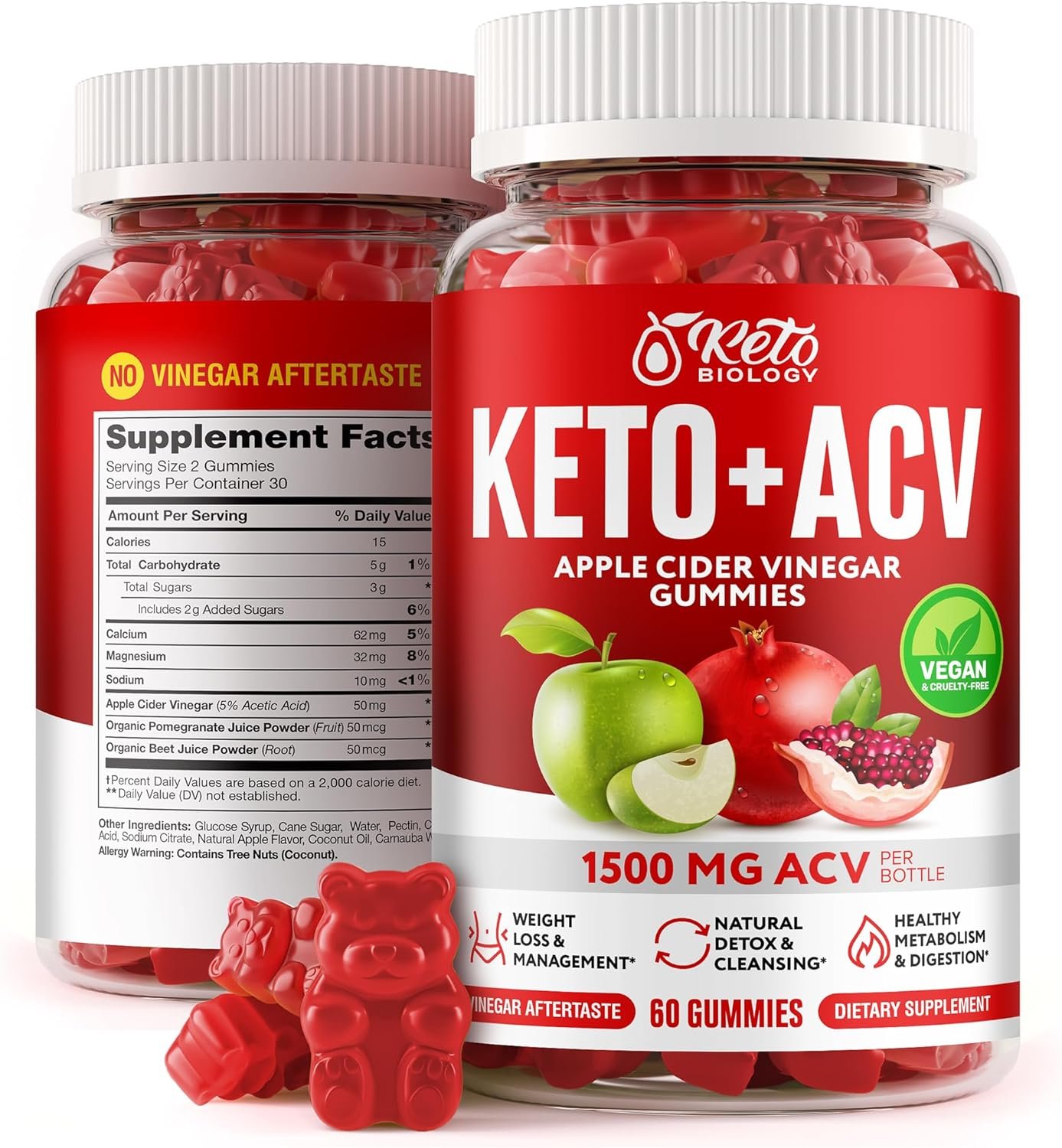
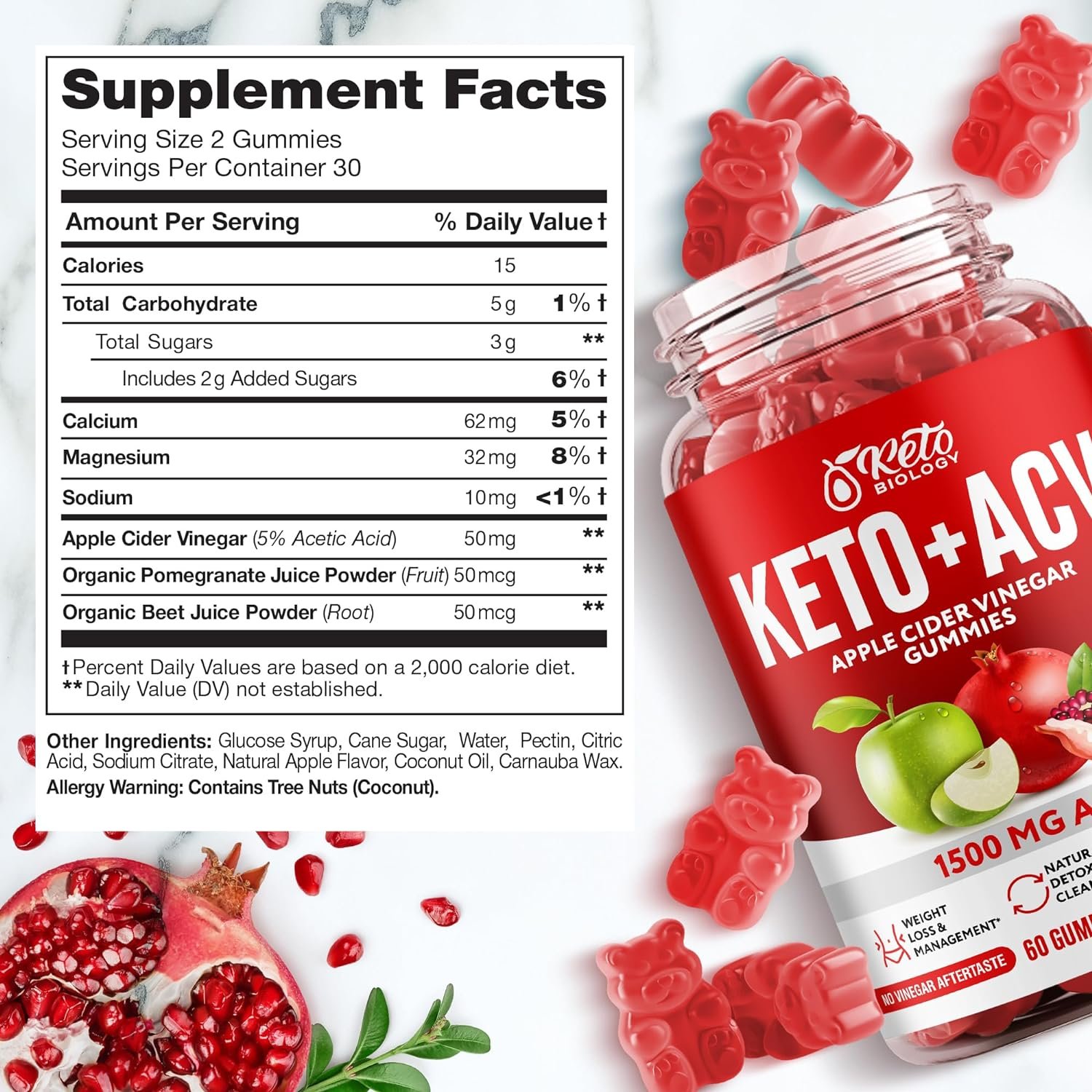
Introducing Keto ACV Gummies 1500 mg – the ultimate solution for weight loss and detox. These vegan apple cider vinegar gummies are perfect for those looking to boost their metabolism, energy levels, and achieve ketosis. With a delicious apple flavor and the power of keto and ACV combined, these gummies provide a convenient and satisfying way to reach your health goals. Rest assured, with Keto Biology’s highest quality standards and satisfaction guarantee, you can trust that you’re getting a top-notch product that will support you on your wellness journey. Have you been looking for an effective and delicious way to enhance your weight loss journey? Look no further than Keto ACV Gummies 1500 mg – ACV Keto Gummies for Weight Loss & Detox. These vegan apple cider vinegar gummies are designed to support ketosis, boost metabolism, and increase energy levels while providing a tasty and convenient snack option. Let’s explore everything these gummies have to offer in this comprehensive review.
Taste and Texture
When it comes to supplements, taste and texture can make or break the experience. Luckily, Keto ACV Gummies deliver on both fronts. With a delightful apple flavor that masks any hint of vinegar, these gummies are a pleasure to consume. The texture is soft, chewy, and easy to eat, making them a convenient option for on-the-go use. Plus, being vegan, gluten-free, and gelatin-free, these gummies cater to a wide range of dietary preferences.
Ingredients and Benefits
Breaking down the ingredients and benefits of Keto ACV Gummies is crucial for understanding how they support your weight loss and detox goals. Let’s take a closer look at the key components:
Ingredient
Benefit
Apple Cider Vinegar
Supports weight management, aids in digestion, and boosts metabolism
BHB Ketones
Elevates ketone levels, enhancing fat burning and energy levels
Vitamin B12
Supports the nervous system and boosts energy levels
Vitamin B6
Helps regulate metabolism and supports overall wellness
Folate
Aids in cell division and supports tissue growth and repair
These ingredients work synergistically to promote ketosis, increase metabolism, and provide a range of health benefits. Whether you’re looking to shed excess pounds, improve energy levels, or boost your overall well-being, Keto ACV Gummies have you covered.
Dosage and Usage
For optimal results, it’s essential to follow the recommended dosage and usage instructions for Keto ACV Gummies. Typically, you’ll take 2 gummies per day, preferably with a meal, to support weight loss and energy levels. Make sure to drink plenty of water throughout the day to stay hydrated and aid in the absorption of nutrients. Consistency is key, so incorporate these gummies into your daily routine to experience the full benefits.
Effectiveness and Results
Now, let’s talk about the most crucial aspect of any weight loss supplement – effectiveness. Customers who have tried Keto ACV Gummies report positive results, including accelerated weight loss, increased energy, and improved metabolism. When combined with a healthy diet and regular exercise, these gummies can amplify your efforts and help you reach your goals faster. Remember that individual results may vary, so stay committed and track your progress to see the best outcomes.
Side Effects and Considerations
While Keto ACV Gummies are generally safe for most people, it’s essential to be aware of potential side effects and considerations. Some users may experience mild digestive issues such as bloating or upset stomach initially as their bodies adjust to the ingredients. If you have any pre-existing medical conditions or are pregnant or nursing, consult your healthcare provider before using these gummies. Additionally, adhere to the recommended dosage to avoid any adverse effects.
Pricing and Availability
When it comes to purchasing Keto ACV Gummies, you’ll be pleased to discover that they offer excellent value for money. With 60 gummies per bottle and a potent 1500mg of Apple Cider Vinegar per serving, you’re getting a high-quality product at a competitive price. Plus, with the convenience of online ordering, you can easily access these gummies and have them delivered to your doorstep. Consider stocking up on multiple bottles to ensure you never run out of this essential weight loss aid.
Customer Reviews and Feedback
It’s always helpful to hear from other customers when considering a new product. The reviews and feedback for Keto ACV Gummies are overwhelmingly positive, with many users praising their effectiveness, taste, and convenience. Customers report feeling more energized, experiencing reduced cravings, and seeing visible results in their weight loss journey. Join the satisfied customers who have achieved success with these gummies and take the first step towards a healthier, happier you.
In Conclusion
In conclusion, Keto ACV Gummies 1500 mg – ACV Keto Gummies for Weight Loss & Detox are a game-changer for anyone seeking an advanced and delicious way to support their weight loss goals. With a unique blend of keto-friendly ingredients, these gummies offer a comprehensive solution for boosting metabolism, increasing energy levels, and achieving ketosis. Whether you’re new to the ketogenic diet or a seasoned veteran, these gummies can help you take your results to the next level. Don’t miss out on this opportunity to transform your health and well-being with Keto ACV Gummies. Order your supply today and embark on a rewarding journey towards a slimmer, fitter you.
Disclosure: As an Amazon Associate, I earn from qualifying purchases.
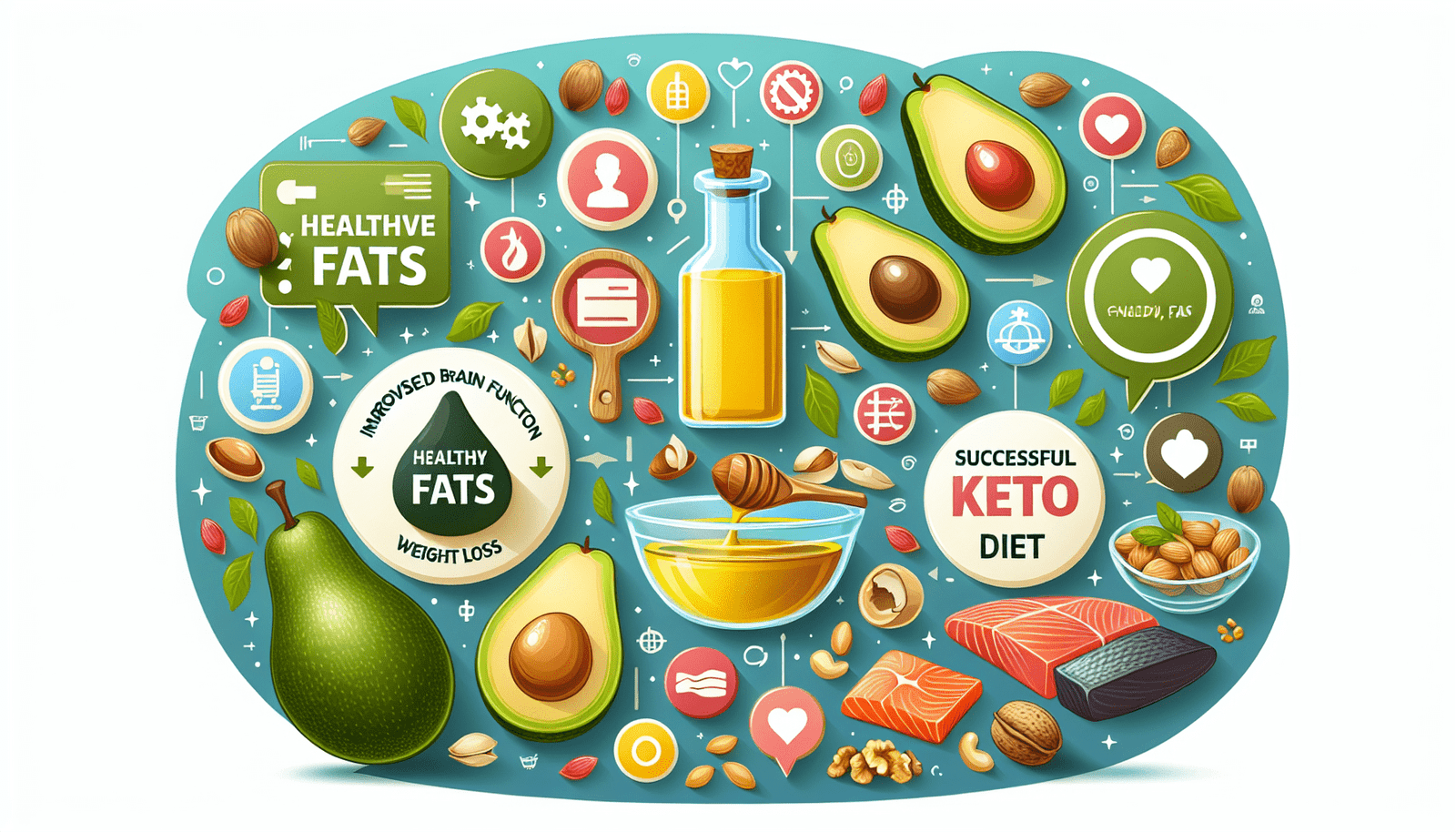
Are you considering starting a Keto diet and want to know more about incorporating healthy fats into your meals? Look no further! In this comprehensive guide, you will learn everything you need to know about healthy fats and how they play a crucial role in a successful Keto journey. From the benefits they offer to the best sources to incorporate into your daily meals, this guide will equip you with the knowledge to make informed choices and achieve your health and wellness goals with ease. Get ready to unlock the power of healthy fats and take your Keto diet to the next level!
Benefits of Healthy Fats in a Keto Diet
A ketogenic diet, or “keto” diet, is a low-carb, high-fat diet that has gained popularity for its potential weight-loss benefits. While it may seem counterintuitive to consume high amounts of fat to lose weight, incorporating healthy fats into your ketogenic diet can actually be advantageous. Let’s explore the key benefits of healthy fats in a keto diet.
Promotes Weight Loss
Contrary to popular belief, not all fats are created equal. Healthy fats, such as monounsaturated and polyunsaturated fats, can actually aid in weight loss when consumed in moderation. These fats help keep you feeling satiated, preventing overeating and reducing cravings for unhealthy, high-sugar foods. Additionally, incorporating healthy fats in your diet can increase your metabolic rate, allowing your body to burn fat more efficiently.
Provides Sustained Energy
One major advantage of including healthy fats in your keto diet is that they provide a source of sustained energy. When you limit your carbohydrate intake, your body turns to fat as its primary source of fuel, a process known as ketosis. Healthy fats help fuel your body and mind, keeping you energized throughout the day.
Enhances Brain Function
Did you know that your brain is mostly made up of fat? By including healthy fats in your keto diet, you support optimal brain function. Healthy fats, such as omega-3 fatty acids found in fatty fish, flaxseeds, and walnuts, have been shown to reduce inflammation in the brain and support cognitive function, memory, and overall brain health.
Reduces Inflammation
Inflammation is the body’s natural response to injury or infection, but chronic inflammation can contribute to various health issues. Healthy fats, especially those high in monounsaturated and polyunsaturated fats, have anti-inflammatory properties that can reduce inflammation in the body. By incorporating these fats into your diet, you may experience a decrease in inflammation and related symptoms, such as joint pain and digestive issues.
Types of Healthy Fats
Not all fats are created equal, and it’s important to understand the different types of healthy fats to make informed choices for your keto diet. Let’s delve into the various types of healthy fats you can incorporate into your meals.
Monounsaturated Fats
Monounsaturated fats are considered heart-healthy fats that can improve blood cholesterol levels and reduce the risk of heart disease. They are liquid at room temperature and solidify when refrigerated. Some excellent sources of monounsaturated fats include avocados, olive oil, nuts, and seeds.
Polyunsaturated Fats
Polyunsaturated fats are essential fats that your body needs but cannot produce on its own. These fats play a crucial role in brain function, cell growth, and reducing inflammation. Fatty fish, such as salmon and tuna, flaxseeds, chia seeds, and walnuts, are excellent sources of polyunsaturated fats.
Saturated Fats
Saturated fats have been a topic of debate in the world of nutrition, but recent research suggests that they may not be as harmful as once believed. Some saturated fats, such as those found in coconut oil and grass-fed butter, can be beneficial when consumed in moderation. Other sources include eggs and full-fat dairy products.
Trans Fats
Trans fats are artificial fats created through a process called hydrogenation. These fats are known to have detrimental effects on health, raising the risk of heart disease and inflammation. It is best to avoid trans fats completely, as they offer no nutritional benefits. Common sources of trans fats include processed and fried foods, vegetable and seed oils, and highly processed meats.
Best Food Sources of Monounsaturated Fats
Now that we understand the importance of consuming monounsaturated fats, let’s explore some of the best food sources to incorporate into your keto diet.
Avocado
Avocados are not only delicious but also an excellent source of monounsaturated fats. They are packed with essential nutrients, including fiber, potassium, vitamin K, and vitamin E. Adding slices of avocado to your salads or using avocado oil for cooking can boost your monounsaturated fat intake.
Olive Oil
Olive oil is well-known for its health benefits and is a staple in Mediterranean cuisine. It is rich in monounsaturated fats, antioxidants, and anti-inflammatory properties. Use extra virgin olive oil as a dressing for your salads or to sauté vegetables to increase your monounsaturated fat intake.
Nuts and Seeds
Nuts and seeds offer a convenient and delicious way to incorporate monounsaturated fats into your diet. Almonds, cashews, pecans, and macadamia nuts are all high in monounsaturated fats. Additionally, chia seeds and flaxseeds are fantastic sources of healthy fats, including omega-3 fatty acids.
Natural Nut Butters
Another great way to enjoy monounsaturated fats is through natural nut butters made from almonds, cashews, or peanuts. These spreads can be used as a topping, added to smoothies, or enjoyed with fresh fruit for a nutritious and flavorful snack.
Best Food Sources of Polyunsaturated Fats
Polyunsaturated fats, particularly omega-3 fatty acids, play a vital role in many aspects of health. Let’s explore some of the best food sources of polyunsaturated fats for your keto diet.
Fatty Fish (Salmon, Tuna)
Fatty fish, such as salmon and tuna, are an excellent source of omega-3 fatty acids. These healthy fats have been associated with numerous health benefits, including reducing inflammation, improving heart health, and supporting brain function. Incorporating fatty fish into your weekly meal plan can provide a significant boost of polyunsaturated fats.
Flaxseeds
Flaxseeds are a versatile and nutritious addition to your keto diet. They are rich in omega-3 fatty acids, fiber, and antioxidants. Grinding flaxseeds and adding them to smoothies, yogurt, or baked goods can help increase your polyunsaturated fat intake.
Chia Seeds
Chia seeds are small but mighty when it comes to their nutritional value. They are high in omega-3 fatty acids, fiber, protein, and various minerals. Soaking chia seeds in liquid, such as almond milk, creates a gel-like consistency that can be used in puddings, added to yogurt, or sprinkled on top of salads.
Walnuts
Walnuts are not only a tasty snack but also a great source of omega-3 fatty acids. They can be enjoyed on their own or added to salads, oatmeal, or baked goods. Including walnuts in your diet can provide you with a healthy dose of polyunsaturated fats.
Best Food Sources of Saturated Fats
While saturated fats have been somewhat controversial in the past, recent research has shown that they can be part of a healthy diet when consumed in moderation. Let’s explore some of the best food sources of saturated fats to include in your keto diet.
Coconut Oil
Coconut oil is a popular choice among ketogenic dieters due to its high content of saturated fats, specifically medium-chain triglycerides (MCTs). MCTs are easily absorbed and converted into energy, making coconut oil an excellent choice for fueling your body on a keto diet. Use coconut oil for cooking, baking, or adding to your morning coffee to increase your saturated fat intake.
Grass-Fed Butter
Grass-fed butter is a rich source of vitamins, minerals, and saturated fats. Unlike conventional butter, which is made from grain-fed cows, grass-fed butter contains higher concentrations of omega-3 fatty acids and conjugated linoleic acid (CLA). Incorporating grass-fed butter into your keto diet can provide a boost of flavor and healthy fats.
Eggs
Eggs are nutrient-dense and a source of complete protein, making them an ideal food for a keto diet. The yolk of an egg is where the majority of the saturated fats are found, along with essential nutrients like choline, which is important for brain health. Enjoying eggs in various forms, such as scrambled, boiled, or in omelets, can provide you with a good dose of healthy fats.
Full-Fat Dairy Products
Full-fat dairy products, such as cheese, yogurt, and heavy cream, can be enjoyed in moderation on a keto diet. These foods are rich in saturated fats and provide important nutrients like calcium and vitamin D. Opt for quality, grass-fed dairy products for the highest nutritional value.
Foods to Avoid or Limit
While it’s essential to incorporate healthy fats into your keto diet, it’s equally important to avoid or limit certain foods that are not conducive to overall health. Let’s explore the foods you should steer clear of or consume in moderation.
Processed and Fried Foods
Processed and fried foods are often high in unhealthy fats, such as trans fats and unhealthy vegetable oils. To maintain a healthy ketogenic lifestyle, it’s best to avoid or limit these foods as much as possible. Instead, focus on whole, unprocessed foods that provide essential nutrients and healthy fats.
Vegetable and Seed Oils
Vegetable and seed oils, such as soybean oil, corn oil, and sunflower oil, are commonly used in processed foods and cooking. These oils are high in omega-6 fatty acids, which, when consumed in excess, can promote inflammation in the body. Opt for healthier alternatives, such as olive oil or avocado oil, for cooking and dressing.
Highly Processed Meats
Highly processed meats, such as deli meats and sausages, often contain unhealthy additives and preservatives. Additionally, these meats can be high in unhealthy fats and sodium. If you choose to include these foods in your keto diet, opt for minimally processed or organic options without added sugars or unhealthy additives.
Trans Fat Sources
Trans fats are artificial fats that can harm your health and increase the risk of heart disease. They are commonly found in fried foods, processed snacks, and baked goods. Always check food labels and avoid products that contain hydrogenated or partially hydrogenated oils.
Healthy Fats Cooking Tips
Now that you have a good understanding of the different types of healthy fats and their food sources, let’s explore some tips for using these fats in your cooking to enhance both flavor and nutritional value.
Cook with Stable and High Smoke Point Oils
When cooking at high temperatures, it’s important to use oils with stable and high smoke points to prevent the production of harmful compounds. Avocado oil, coconut oil, and ghee (clarified butter) are excellent choices for sautéing, stir-frying, or roasting.
Use Natural Fats for Flavor Enhancement
Instead of relying solely on unhealthy processed sauces or dressings, incorporate natural fats to enhance the flavor of your dishes. Drizzle olive oil or sprinkle some chopped nuts and seeds on top of salads, soups, or roasted vegetables for a delicious and nutritious twist.
Incorporate Healthy Fats in Every Meal
To ensure you’re getting an adequate amount of healthy fats, make it a point to include them in every meal. Add avocado slices or a dollop of full-fat yogurt to your breakfast, drizzle olive oil on your lunchtime salad, and cook your dinner with coconut oil or grass-fed butter.
Experiment with Different Fats and Flavors
Don’t be afraid to experiment with different types of healthy fats to diversify your flavor profiles. Try using avocado oil in salad dressings, macadamia nut oil as a marinade, or sesame oil for stir-frying. Mixing and matching healthy fats can not only enhance the taste of your meals but also provide a variety of nutrients.
Recommended Daily Intake of Healthy Fats
While a keto diet is typically higher in fats, it’s important to strike a balance between fat, protein, and carbohydrate intake to meet your individual needs and goals. Here are some guidelines for calculating your fat macros and ensuring you consume healthy fats in appropriate quantities.
Calculating Fat Macros for a Keto Diet
To calculate your fat macros for a keto diet, you should aim for approximately 70-75% of your daily calorie intake to come from healthy fats. This percentage may vary depending on individual goals and preferences. It’s best to consult with a healthcare professional or registered dietitian to determine your specific macronutrient needs.
Avoiding Excessive Fat Consumption
While fats are an essential part of a keto diet, it’s important not to overconsume them. Excessive fat intake can lead to weight gain and hinder your weight loss goals. Be mindful of portion sizes and opt for healthier sources of fats to ensure a well-rounded and balanced diet.
Balancing Fat Intake with Protein and Carbohydrates
In addition to monitoring your fat intake, it’s crucial to strike a balance between protein and carbohydrates. Aim for around 20-25% of your daily calorie intake from protein, and limit your carbohydrate intake to approximately 5-10%. Balancing these macronutrients will help keep your body in a state of ketosis and support your overall health and well-being.
Healthy Fats and Ketosis
Healthy fats play a significant role in promoting and maintaining nutritional ketosis. Let’s explore how healthy fats support ketosis and contribute to the success of a keto diet.
How Healthy Fats Support Ketosis
When you limit your carbohydrate intake, your body enters a state of ketosis in which it burns stored fat for fuel instead of glucose. By consuming healthy fats as a primary energy source, you encourage your body to produce ketones, which are the byproduct of fat metabolism.
Role of Healthy Fats in Nutritional Ketosis
Healthy fats are essential for nutritional ketosis because they provide the majority of calories needed to sustain ketone production. By consuming adequate healthy fats, you ensure that your body has a sufficient energy source to maintain ketosis and avoid relying on carbohydrates for fuel.
Fat Adaptation for Improved Ketosis
During the initial stages of a keto diet, you may experience a period known as “keto adaptation” or “fat adaptation.” This process involves training your body to become efficient at burning fat for energy instead of relying on carbohydrates. Consuming healthy fats during this phase is crucial to support your body’s transition and ensure successful fat adaptation.
Choosing the Right Healthy Fats for Your Keto Diet
Choosing the right healthy fats for your keto diet involves considering individual preferences, nutritional needs, and sourcing practices. Let’s delve into some factors to consider when selecting healthy fats for your ketogenic lifestyle.
Individual Preferences and Tolerances
We all have unique taste preferences and tolerances to certain foods. Some individuals may have allergies or sensitivities to specific fats. It’s vital to choose healthy fats that you enjoy and that agree with your body. Experiment with different types of healthy fats to find the ones that best suit your needs.
Considering Omega-3 to Omega-6 Ratio
An essential factor to consider when choosing healthy fats is the balance between omega-3 and omega-6 fatty acids. While both types of fats are necessary for optimal health, the modern Western diet tends to be disproportionately high in omega-6 fats, which can promote inflammation. Strive to incorporate sources of omega-3 fatty acids to maintain a healthy balance.
Quality and Sourcing of Fats
Opting for high-quality, minimally processed fats is crucial for the overall nutritional value of your keto diet. Choose organic, grass-fed, and pasture-raised animal products for healthier sources of saturated fats. When it comes to plant-based fats, opt for cold-pressed oils and minimally processed oils to preserve their nutritional properties.
Diversifying Healthy Fat Choices
Variety is key when it comes to a healthy diet, and the same applies to healthy fat choices on a keto diet. By diversifying the types of healthy fats you consume, you not only improve your overall nutrient intake but also make your meals more exciting and enjoyable. Don’t be afraid to try new fats and experiment with different flavors in your cooking.
In conclusion, healthy fats are a crucial component of a successful ketogenic diet. They provide numerous benefits, including promoting weight loss, providing sustained energy, enhancing brain function, and reducing inflammation. By incorporating various types of healthy fats, such as monounsaturated fats, polyunsaturated fats, and saturated fats, from sources like avocado, olive oil, fatty fish, coconut oil, grass-fed butter, and eggs, you can enjoy a diverse and nutritious keto diet. Remember to avoid or limit unhealthy fats, such as trans fats, processed and fried foods, and vegetable and seed oils. Incorporate healthy fats in your cooking, balance your macronutrient intake, and choose the right fats for your individual needs and preferences. With a well-rounded approach to healthy fats on a keto diet, you can achieve your health and weight-loss goals while enjoying delicious and satisfying meals.