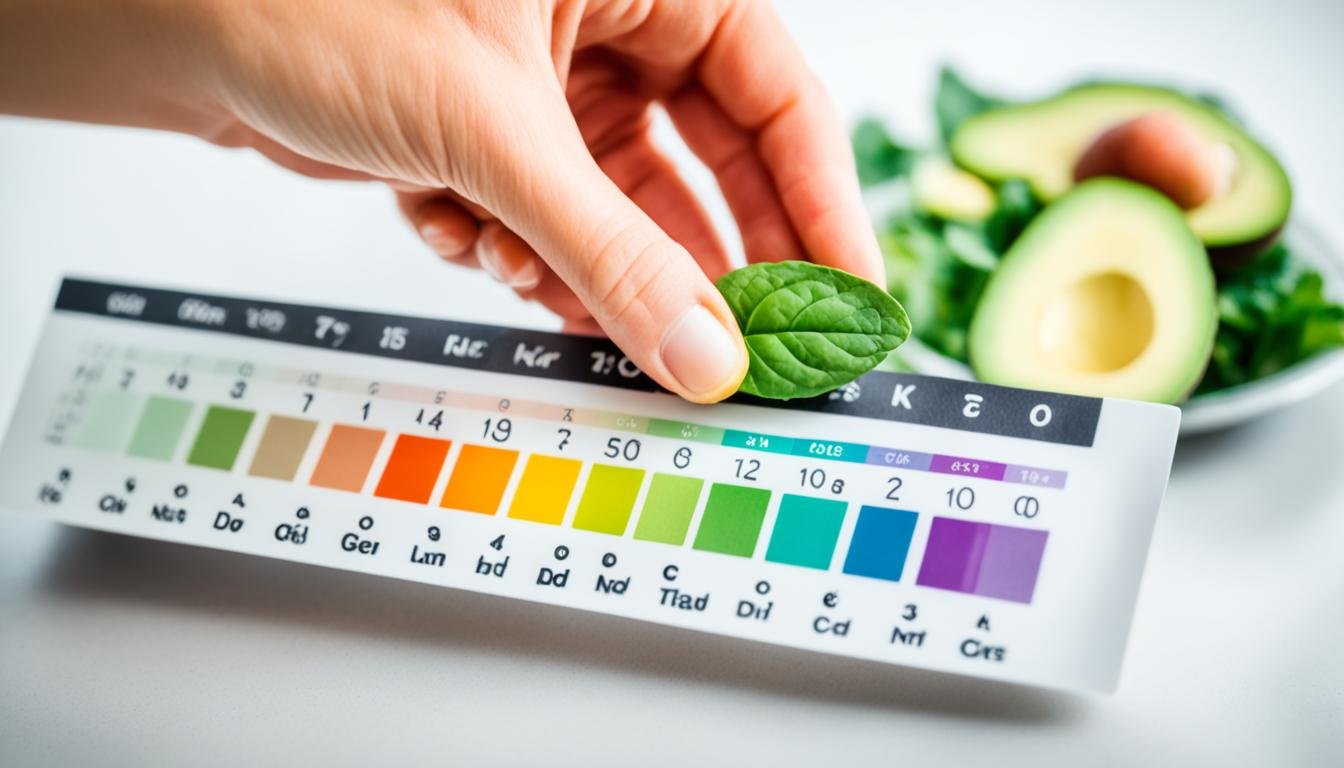
Ketosis test strips offer a fast and easy way for those on a ketogenic diet to check if they are in ketosis. This is when the body starts using fat for energy instead of carbs.
When you eat fewer carbs, your body makes ketones, which can be found in your breath, urine, and blood. Using ketosis test strips helps you find out if you need to adjust your diet to enter or stay in ketosis.
These strips are vital for anyone wanting to lose weight, manage their blood sugar, or explore the benefits of a ketogenic diet. They are key tools for anyone tracking their progress.
Understanding Ketosis and Its Benefits
Ketosis lets our body use fat for energy instead of carbs. It supports those on a low-carb diet to reach health goals. Let’s discover ketosis and its many advantages.
What is Ketosis?
Ketosis happens when the body runs low on carbs and starts breaking down fat. This produces ketones for energy, mainly for the brain. Getting into ketosis can take days to weeks, with a strict low-carb diet needed. A fat burning test can show if you’re successfully burning fat.
Health Benefits of Ketosis
Ketosis is known for its health perks. Weight loss is a major benefit since the body uses fat for energy. This also leads to better blood sugar control, helping with diabetes management or prevention. Moreover, ketosis might help people live longer. Using fat burning tests and weight loss strips helps keep track.
Role of Ketones in Low Carb Diets
Ketones are crucial in low carb diets, serving as a backup when carbs are low. Checking ketone levels helps make sure your diet is working. Tools like weight loss strips confirm your body is using fat efficiently.
Introduction to Ketosis Test Strips
Ketosis test strips, or keto strips, are key for people on a ketogenic diet. They check the body’s ketone levels. This lets users know if they are in ketosis.
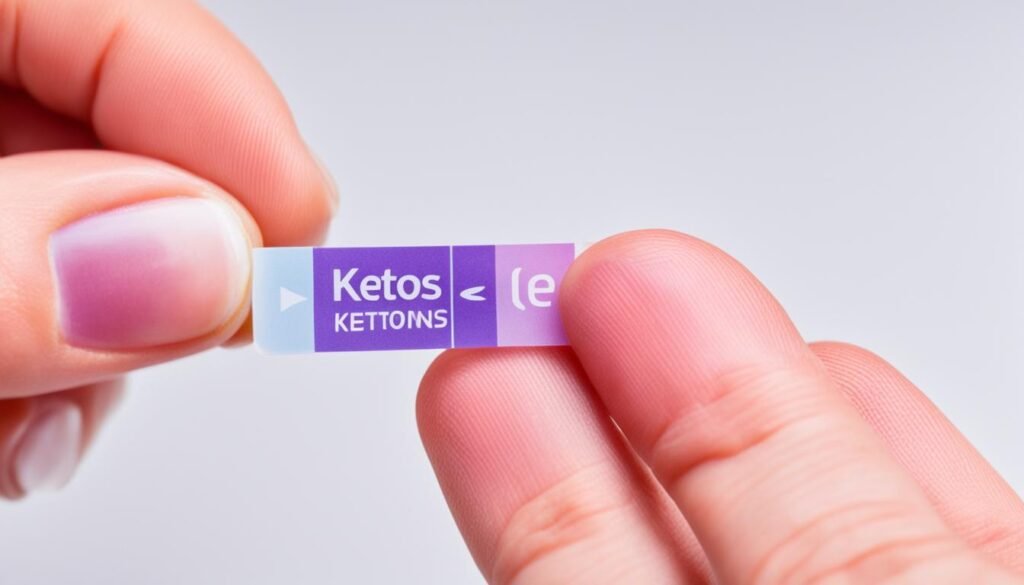
What Are Ketosis Test Strips?
Ketosis test strips find ketones like acetoacetate in the body. When you eat a lot of fats and not many carbs, your body makes ketones. These strips help you see your ketone levels so you can stay in ketosis.
Types of Ketosis Test Strips
There are urine and blood ketosis test strips available. Each kind has its own benefits and instructions for use.
- Urine Test Strips: These are easy to get, affordable, and simple to use. You dip the strip in urine and check the color against a chart.
- Blood Ketone Strips: These give more accurate results with a meter but cost more and require a blood sample.
| Type | Advantages | Disadvantages |
|---|---|---|
| Urine Test Strips | Affordable, Easy to Use | Less Accurate, Short-Term Use |
| Blood Ketone Strips | Highly Accurate | Expensive, Invasive |
How Ketosis Test Strips Work
Urine test strips are used by dipping them in a urine sample and matching the color change to a chart. Blood ketone strips need a small blood sample and a meter to display the ketone level.
For accurate ketone monitoring, ketosis test strips are essential. This is true for people with type 1 diabetes or those strictly following a ketogenic diet. Getting the right supplies helps you meet your diet goals and stay healthy.
How to Use Ketosis Test Strips
Learning how to use ketosis test strips is crucial for tracking your keto diet progress. It helps both beginners and experienced keto followers. It ensures your test results are accurate and you’re keeping your ketone levels in check.
Step-by-Step Guide
To use urine ketosis test strips, follow these simple steps:
- Start by thoroughly washing your hands.
- Collect a urine sample in a clean container.
- Dip the test strip into the sample for the recommended duration.
- Compare the color change on the strip to the provided color chart.
The procedure for blood ketone strips includes:
- Clean your hands and use a lancet to prick your finger.
- Place a drop of blood on the test strip.
- Insert the strip into the reading meter for a precise measurement.
Best Practices for Accurate Results
To get accurate results, follow these best practices:
- Ensure a clean-catch urine sample to avoid contamination.
- Store test strips away from sunlight and moisture to keep them effective.
- Always check the expiration date before using the test strips.
Timing Your Tests
Testing at consistent times makes your results more reliable. Consider testing:
- In the morning, after waking up and fasting overnight.
- Before meals to gauge baseline ketone levels.
- After exercise to see how it affects your ketone levels.
Why Monitoring Ketone Levels is Crucial
Checking your ketone levels regularly is key on a ketogenic diet. It helps you see how well you’re doing. Staying in ketosis is important for the diet’s benefits.
Achieving and Maintaining Ketosis
To keep in ketosis, watching your ketone levels is a must. This shows if fat is your main energy source. Test often to adjust your food intake.
Adjusting Your Keto Consequently
Keeping an eye on your ketone levels makes adjustments easier. Low levels mean it’s time to tweak your diet. Doing this helps you stay in ketosis long-term.
Benefits of Regular Monitoring
There are many pluses to regular ketone checks. They motivate you by showing progress. Also, they avoid problems like ketoacidosis.
This keeps your keto journey safe and effective. Watching your levels lets you live the keto way fully, with all its benefits.
| Benefits | Description |
|---|---|
| Achieve Ketosis | Frequent monitoring helps ensure that your body stays in a state of ketosis. |
| Tailor Diet | Regular testing aids in making necessary dietary adjustments. |
| Motivation | Seeing your progress can be a great motivator to stick with the diet. |
| Health Safety | Monitoring avoids risks like ketoacidosis. |
Testing Options: Urine vs. Blood Ketone Strips
Choosing between urine and blood ketone strips is crucial for monitoring ketosis. Each method has unique benefits, fitting different stages of your keto diet.
Urine Ketone Strips
Urine test strips are great for keto diet beginners. They’re affordable and easy, perfect for regular use. These strips show if you’re entering ketosis by finding acetoacetate in urine.
Yet, their accuracy may drop as you stay longer on the diet. This is because your body gets better at using ketones.
Blood Ketone Strips
Blood ketone strips are accurate and require a small blood sample from a finger prick. They’re more invasive and expensive. However, they measure beta-hydroxybutyrate levels accurately.
This method is ideal for those needing detailed tracking. This includes people with type 1 diabetes or those strictly following a ketogenic diet.
| Feature | Urine Test Strips | Blood Ketone Strips |
|---|---|---|
| Cost | Low | High |
| Invasiveness | Non-invasive | Invasive |
| Accuracy | Moderate | High |
| Convenience | Easy to use | Requires meter and finger prick |
| Ideal For | Beginners | Long-term monitoring |
Your choice depends on your personal needs and the level of accuracy you want. Both urine and blood ketone strips are important for effective ketosis monitoring.
Choosing the Right Ketosis Test Strips for You
When picking ketosis test strips for your keto journey, you have to think about what fits your needs and lifestyle. It’s important to decide if you want to use urine or blood tests. Urine strips, like those from Perfect Keto, are great for starters. They’re cheap and easy to use. But, blood ketone strips offer more accuracy for those who want to closely monitor their levels, even though they cost more and are a bit invasive.
Cost matters a lot when choosing ketosis test strips. Urine strips are cheaper, which makes them good for everyday use. However, if you need exact readings, blood ketone strips are better. They are more precise, which helps long-time keto dieters keep track of their ketosis state.
How easy the strips are to use is also important. Urine strips are simple: dip and read. Blood strips give more accurate results but require a finger prick, which might not be for everyone. It’s also a good idea to talk to a healthcare pro. They can help you pick the right strips for your health and diet goals.