Discover the Ketosis Cycle: Unleash Your Body’s Fat-Burning Potential

Discover the Ketosis Cycle: Unleash Your Body’s Fat-Burning Potential

The ketosis cycle is a unique metabolic state. Your body starts using fat for energy instead of carbs. This happens when you eat more fats and very few carbs, making ketones. Ketones are a new kind of fuel for your body. Being in ketosis helps you burn fat faster and can make you healthier.

When you begin, your body goes through “fat adaptation.” This is when it gets good at burning fat, not carbs. At first, this change might feel a bit strange as your body adjusts. But soon, it finds a steady rhythm of burning fat. Learning about the ketosis cycle is key to using it for your health and fitness dreams.

Understanding Ketosis: The Fundamentals

Ketosis is a special metabolic state where the body uses ketones for energy, not carbs. It happens through a diet high in fats but very low in carbs, called the ketogenic diet.

What is Ketosis?

Ketosis makes the body switch from burning glucose to using fat for fuel. This switch happens when there’s no more glucose left to use. The fats are then turned into ketones by the liver, giving energy to the body.

The Science Behind Ketosis

The science of ketosis is tied to gluconeogenesis—making glucose from things not carbs. It starts when there’s little glycogen around, pushing the body to burn fat for energy. This metabolic change is key for the success of a low-carb weight loss program.

History of the Ketogenic Diet

First seen in the 1920s, the ketogenic diet was for treating epilepsy. Over years, its benefits have been found for diabetes and obesity too. Now, it’s known as a great low-carb weight loss program, bringing lasting fat loss and better health.

The Ketosis Cycle: A Deep Dive

Grasping how to trigger and sustain a ketogenic state is key to enjoying all ketosis cycle benefits that come with a low-carb diet. This process is complex. It needs a close study of the body’s biological changes. You have to manage it well for the best outcomes.

ketosis cycle benefits

How Your Body Enters Ketosis

To begin ketosis, your body must first use up its glycogen stores. This often happens within 48 hours after starting a very low-carb diet. The switch to fat-burning can cause the keto flu at first. Expect headaches, fatigue, and mood changes as your body adapts.

Stages of the Ketosis Cycle

The ketosis cycle includes several steps:

  1. Depletion of Glycogen Stores
  2. Lipolysis – Breaking down fat to release fatty acids
  3. Ketogenesis – Turning fatty acids into ketones

Every stage is vital for a lasting fat-burning state. Knowing these phases shows the big metabolic shift in the ketogenic state.

Nutritional Ketosis vs. Ketosis

Distinguishing between safe nutritional ketosis and risky diabetic ketoacidosis is a must. Nutritional ketosis manages weight and boosts health safely. Aim for nutritional ketosis to leverage ketosis cycle benefits best without health risks.

Stage Key Processes Outcomes
Glycogen Depletion Lowering stored glycogen Starts keto adaptation
Lipolysis Breaking down fat Frees fatty acids
Ketogenesis Turning fatty acids Makes ketones

Benefits of the Ketogenic Diet

The ketogenic diet pushes your body into a state where it burns fat, leading to weight loss and health improvements.
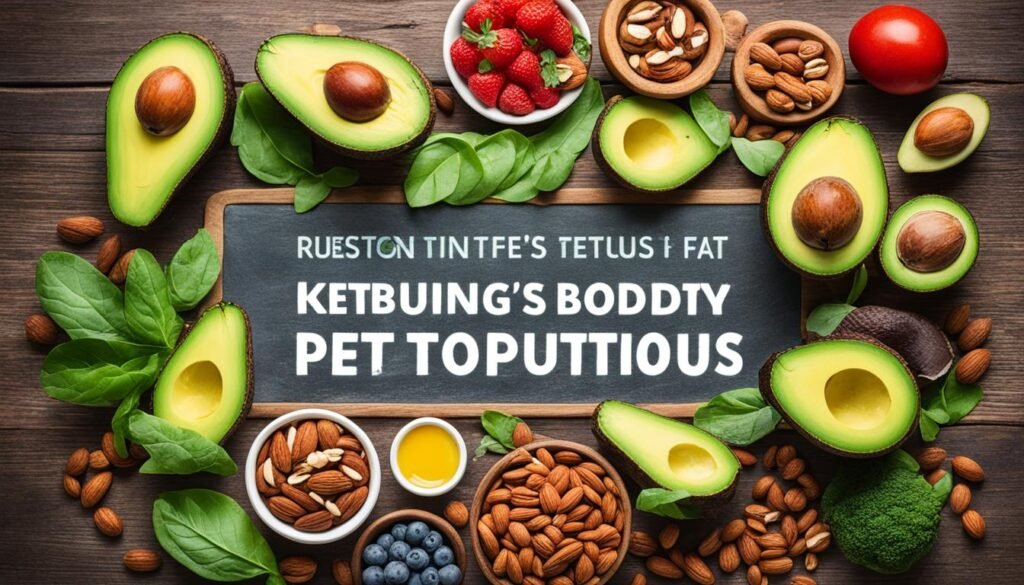
ketogenic diet benefits

Fat-Burning Potential

The ketogenic diet turns your body into a fat-burning machine. It uses fat as fuel instead of carbs. Staying on this diet can lead to major weight loss and boost your metabolism.

Health Benefits Beyond Weight Loss

The ketogenic diet isn’t just for losing weight. It can also sharpen your mind. That’s because your brain gets energy more efficiently from ketones than from glucose. Plus, it helps prevent diseases linked to chronic conditions like heart disease and certain cancers. It can lessen symptoms of neurological diseases and help with conditions like PCOS, too.

Potential Risks and How to Mitigate Them

Even with its benefits, the ketogenic diet has risks, such as nutrient shortages, kidney stones, and the keto flu. To reduce these risks, it’s important to eat a balanced diet, drink plenty of water, and start the diet slowly. This approach helps prevent the harsh effects of the keto flu.

Benefit Description
Fat-Burning State Leads to significant weight loss and improved metabolism.
Improved Mental Clarity Ketones provide a more efficient energy source for the brain.
Disease Prevention Reduces risks associated with chronic diseases such as heart disease and certain cancers.
Alleviation of Neurological Symptoms Improves conditions like PCOS and reduces symptoms of neurological diseases.
Mitigation of Risks Strategies include nutrient balancing, hydration, and gradual dietary transition to avoid the keto flu.

Common Challenges and How to Overcome Them

Starting a ketogenic diet is exciting but challenging. The beginning comes with hurdles like the keto flu and symptoms of cutting carbs. You might feel tired, confused, crave sugar, and face social doubts. But, don’t worry, you can beat these challenges with some smart moves.

To stick with keto, you need determination and flexibility. Ease into reducing carbs to lessen withdrawal signs. Adding keto-friendly snacks and meals helps fight off cravings and keeps you going.

Keeping up with water and electrolytes is key. When you first switch your diet, you lose water and minerals, which causes the keto flu. Drink enough water and get sodium, potassium, and magnesium to stay well and keto-adapted.

  • Drink plenty of water.
  • Include foods rich in electrolytes in your diet.
  • Opt for gradual carb reduction.
  • Plan your meals ahead to manage cravings.
  • Build a support system to help maintain motivation.

For long-term success on keto, planning keto-friendly meals regularly is crucial. Having friends or a community for support can also make a big difference.

Challenge Strategy
Keto Flu Hydration and electrolyte balance
Carb Withdrawal Gradual reduction of carbs
Brain Fog Steady intake of keto-friendly nutrients
Managing Cravings Keto-friendly snacks and consistent meal planning
Long-term Adherence Building a support system and staying motivated

Conclusion

The ketosis cycle opens many doors for consistent weight loss and improved health. Learning about ketosis and how your body adapts allows you to choose wisely for your keto lifestyle.

Knowing the ketogenic diet’s history and science helps you make safe, effective choices. This knowledge gives you a balanced view, considering its advantages and risks.

  1. Prioritize learning about ketosis insights and how it relates to your unique health needs.
  2. Embrace a well-formulated ketogenic diet to optimize sustained weight loss.
  3. Focus on long-term health benefits, keeping your goals realistic and attainable.

The table below shows how a proper ketogenic lifestyle can improve your health.

Aspect Potential Benefits Key Insights
Weight Management Promotes sustained weight loss Through consistent adherence to low-carb, high-fat choices
Metabolic Health Supports better insulin sensitivity Provided by the unique metabolic state of ketosis
Mental Clarity Improves cognitive function Due to stable energy levels from ketone production

In conclusion, adopting the keto lifestyle leads to more than just weight loss. It’s about overall health improvement. The benefits are broad and meaningful, making your journey worthwhile.

[Placeholder for missing Section 7 Title]

Starting a keto diet means learning a lot and committing to changing your body. You might know about how ketosis helps burn fat, boosts brain power, and keeps you healthy long-term. To get all its benefits, you need to keep adjusting and making smart choices.

To do keto right, get ready for some common hurdles like keto flu and missing carbs. Drinking lots of water, getting enough electrolytes, and eating nutrient-rich foods can help ease you into it. A meal plan with plenty of low-carb, high-fat foods is crucial for staying in ketosis, burning fat steadily, and feeling great.

Keeping up your keto diet enthusiasm is essential. Finding support through various resources and communities can offer motivation and useful tips. Remember, getting through the first tough phase is a big step towards a lasting, positive experience with keto. Staying committed and patient opens the door to all the health perks ketosis brings.


Discover the Remarkable Benefits of the Ketosis Diet

Discover the Remarkable Benefits of the Ketosis Diet

The ketosis diet changes how your body uses energy. By eating more fats and fewer carbs, you enter a fat-burning state called ketosis. People like it for weight management and better health.

Books like “Keto Clarity” by Moore and Westman say the diet is good for losing weight and might improve your metabolism and mind. Research in Diabetes Therapeutics and Aging shows it could help with type 2 diabetes and make you live longer, which makes it very popular.

What is a Ketosis Diet?

A ketosis diet greatly reduces carbs to start a metabolic state called ketosis. When in ketosis, your body switches its main energy source from glucose to fat. This leads to making ketones. Many people choose this diet for its potential health perks.

Ketosis Diet

Understanding Ketosis

Ketosis lies at the heart of ketogenic diets. By cutting down on carbs, your body begins to use stored fat. It turns this fat into fatty acids and ketones for energy. Being in this state boosts mental sharpness, energy levels, and overall health.

Types of Ketogenic Diets

There are different ketogenic diets to fit everyone’s needs. The major types are:

  • Standard Ketogenic Diet (SKD): This standard method emphasizes a high-fat, moderate-protein, low-carb intake.
  • Cyclical Ketogenic Diet (CKD): This type includes some high-carb days. This pattern is 5 ketogenic days followed by 2 high-carb days. It suits athletes or those wanting more diet flexibility.

These diet forms let people pick what works best for their health aims and lifestyle. You can aim for constant ketosis or prefer cyclic ketosis periods.

Weight Management and the Ketosis Diet

Weight management is a key advantage of the ketogenic diets. Many studies show they are more effective for losing weight than other diets. They work well because they make you less hungry, allowing you to eat less without feeling starved.

weight management

Research by Hallberg and others finds ketogenic diets very effective at controlling type 2 diabetes. This often leads to weight loss too. With many Americans struggling with being overweight, as the CDC notes, the low-carb ketosis diet offers a good solution for lasting weight control.

Ketogenic diets are great for losing weight, especially around your belly. They use fat for energy, helping you meet your weight goals and live healthier. This diet’s way of reducing hunger, along with its low-carb focus, really shows how powerful ketosis can be for shedding pounds.

Weight Management Benefits Details
Substantial Weight Loss Research indicates ketogenic diets promote more significant weight loss compared to other diets.
Appetite Suppression Ketosis reduces hunger, allowing for calorie reduction without significant discomfort.
Abdominal Fat Reduction The diet targets fat around the abdominal region, contributing to overall health improvement.
Type 2 Diabetes Management Studies demonstrate the efficacy of ketogenic diets in managing diabetes, correlating with weight reduction.
Sustainable Approach A low-carb structure paves the way for a sustainable and effective weight management regimen.

Improved Mental Clarity and Focus

The ketogenic diet is known for boosting mental clarity and brain function. It focuses on low-carb and high-fat foods. This changes how your body gets its energy, moving from glucose to ketones.

Effects on Brain Health

This energy shift does more than just energize your body. It’s great for brain health too. Studies show ketones are excellent brain fuel. They can improve focus, memory, and cognitive functions.

Studies and Findings

Research highlights the neuroprotective benefits of the ketogenic diet. It’s helpful for issues like epilepsy and Alzheimer’s disease. Ketones help keep the brain’s energy stable and lower neurodegeneration risks.

This makes the ketogenic diet a strong tool for better mental clarity. It safeguards the brain against diseases. This is key for improved cognitive health.

The Ketosis Diet and Metabolic Health

The ketogenic diet greatly improves your metabolic health. It changes how your body handles blood sugar and insulin sensitivity. This is key for handling type 2 diabetes and metabolic syndrome.

Impact on Blood Sugar Levels

The ketosis diet is great for keeping your blood sugar stable. By eating fewer carbs, your body uses fats for energy. This reduces blood sugar spikes from high-carb foods. Research shows this diet can better control blood sugar, which is good news for type 2 diabetes management.

Influence on Insulin Sensitivity

The ketogenic diet also boosts insulin sensitivity. This means your cells use insulin more effectively. Better insulin sensitivity can lower insulin resistance. This tackles a big problem in metabolic syndrome. Studies back up how the ketosis diet improves metabolic health’s major issues.

A Sustainable Approach to Healthy Living

A ketosis diet offers a sustainable approach to healthy living. It focuses on high-quality fats and proteins. It also cuts down on processed carbs. This fits modern nutritional advice to prevent chronic diseases.

Choosing a low-carb lifestyle helps with weight control. It also ensures a balanced diet rich in vital nutrients.

Many people praise it for its long-term benefits on weight and body shape. With a bit of planning, it’s easy to follow every day. This leads to lasting health benefits.

Aspect Ketosis Diet Traditional Diet
Carbohydrate Intake Low High
Fat Intake High Moderate
Protein Intake Moderate Variable
Sustainability High with planning Moderate
Diet Composition Whole foods, quality fats Processed foods

Switching to this diet can boost your health and well-being. It matches the move towards better eating habits and sustainable living.

Potential Risks and Considerations

The ketogenic diet has many benefits, but it’s important to know the risks. Being aware of short-term and long-term effects can help you decide. This info makes it easier to choose wisely.

Short-term Side Effects

Starting a ketosis diet might cause the “keto flu.” You could feel tired, have headaches, and get irritable. Your body is getting used to burning fat. Drink plenty of water and get enough electrolytes to help during this time.

Long-term Health Implications

Sticking to a ketogenic diet for a long time could be tough. It may lead to kidney stones or make your liver tired. Also, eating fewer carbs might mean you’re missing out on important nutrients.

Even with these issues, you can manage them by paying attention to your diet. Adding the right nutrients can lower the risks. It’s a good idea to talk to a doctor before you start a ketosis diet.

Conclusion

The ketosis diet is changing the game in health and wellness, fueled by solid science. It’s famous for helping with weight loss and making your mind sharper. Plus, it can make your overall health better.

But, it’s important to look at the risks too. The “keto flu,” with symptoms like tiredness and mood swings, is common at the start. To stick with it long-term, you need to watch your nutrition closely. This ensures you don’t miss out on important nutrients.

Starting a ketosis diet can make a big positive impact on your health. Choosing this low-carb path carefully helps you live a health-focused life. With the right balance and advice, the ketosis diet offers great health and energy benefits.

Ketosis: Understanding Blood Sugar Levels on a Keto Diet

Ketosis: Understanding Blood Sugar Levels on a Keto Diet

The “keto” diet is quite the buzz because it helps people lose weight. It works by cutting back on carbs. This switch makes your body burn fats for fuel, entering a phase called ketosis. In ketosis, your body makes things called ketone bodies from fats, giving you energy. People usually have BHB levels between 0.5 mmol/L and 3.0 mmol/L when in ketosis.

It’s very important to keep an eye on blood sugar levels when you’re on keto. This is especially true for those dealing with diabetes, obesity, or certain brain conditions. Seeing how keto affects insulin, blood sugar, and your body’s making of glucose is key for health.

Introduction to Ketosis and the Keto Diet

The keto diet is all about eating more fats and fewer carbs. When we eat this way, our body starts using fat for energy. This process is called ketosis. It’s a great plan for managing diabetes on keto and losing weight.

diabetes management on keto

Usually, our bodies use carbs for energy. But on a low-carb high-fat diet, things change. Our liver makes glucose from other things, not carbs. This keeps important organs like the brain fed with glucose, even without carbs.

If you’re doing the keto diet, keeping track of ketosis is key. This means checking your blood for sugar and ketones. Knowing this helps you stay on track with your diet. It’s important for staying in ketosis and getting the most out of the diet.

How the Keto Diet Affects Blood Sugar Levels

The keto diet has a big impact on blood sugar levels. It’s a top choice for managing diabetes and insulin resistance.

Lower Glucose Trends

Lowering and stabilizing blood glucose is a key benefit of the keto diet. When you eat fewer carbs, your blood sugar usually stays between 70-90 mg/dL. This happens because there are fewer high and low sugar levels, which is good for your health.

Elevated Fasting Glucose Levels

Some people on the keto diet for a long time see their fasting blood sugar go up. This is called “glucose sparing.” It means the body saves glucose for important organs as it gets used to the diet. This process is important to keep health metrics like fasting insulin good.

Keep an eye on these numbers to avoid problems with insulin resistance and staying in ketosis. Doing so helps make sure the diet does more good than harm over time.

fasting blood sugar on keto

The Link Between Ketones and Glucose on a Keto Available for both Google Home and Amazon Echo, the IoT device is ideal

When you switch to a keto diet, your body starts using fats instead of carbs for energy. This process is known as ketogenesis. It’s key to grasp how ketones and glucose are connected in this state.

Ketogenesis Explained

Ketogenesis turns fats into ketones, like beta-hydroxybutyrate (BHB). This reduces the need for glucose. Knowing how to check your blood ketone levels is important. It helps make sure you stay in ketosis, getting the most from your diet.

Gluconeogenesis

Even with fewer carbs, your body still needs some glucose. Gluconeogenesis helps here. It lets your liver make glucose from things like amino acids. This process is vital. It keeps organs that need glucose powered, blending well with higher ketone levels for good health.

Best Practices for Monitoring Blood Sugar on Keto

Starting a keto journey is exciting, but it’s key to keep an eye on your ketosis levels. Knowing how carbs affect you helps fine-tune your diet for better health. Your blood sugar levels and ketosis can change due to diet, exercise, stress, and sleep.

Using Continuous Glucose Monitoring (CGM) is a smart move. This tool lets you see your blood sugar changes in real time. It shows how food and lifestyle choices impact your sugar and ketone levels. With this data, you can adjust your diet to maintain ketosis.

  • Diet Composition: Ensure your meals are well-balanced with the correct proportion of fats, proteins, and carbohydrates.
  • Exercise: Physical activity can significantly impact glucose and ketone levels, making it an important consideration.
  • Stress Management: Psychological stress can affect your metabolic state, so incorporating relaxation techniques is beneficial.
  • Sleep: Adequate rest helps maintain stable blood sugar levels and supports overall metabolic health.

Testing your blood glucose along with ketones gives a clear picture of how your body uses fuel. This full view of your metabolic state from monitoring ketosis brings better results from the keto diet.

Measurement Tools Monitoring Frequency
Blood Glucose CGM, Glucometer Daily
Ketone Levels Ketone Meter, Test Strips Weekly

Ketosis Blood Sugar Levels: What You Need to Know

If you’re trying the ketogenic diet, it’s key to know your blood sugar levels. Keeping track is especially important for beginners. This helps evaluate how well your body adjusts to the diet. We will look into perfect blood sugar levels and how insulin resistance plays a role.

Optimal Blood Sugar Levels

To stay healthy on a ketogenic diet, keep your fasting blood sugar under 100 mg/dL. After eating, it shouldn’t go over 125 mg/dL to avoid prediabetes. Monitoring these numbers shows if you’re in ketosis, maximizing the diet’s advantages. The Glucose Ketone Index (GKI) also helps by showing the blood sugar and ketone link, making your keto journey clearer.

Effects of Insulin Resistance

Insulin resistance can change how your blood sugar behaves on a keto diet. If you’re insulin resistant, carbs might spike your blood sugar more than expected. So, it’s crucial to find out how many carbs you can handle. Managing this well keeps your blood sugar steady and makes ketosis work better for you during your keto journey.

Utilizing CGM Data for Keto Optimization

Optimizing your keto diet is all about using Continuous Glucose Monitoring (CGM) data. This data gives you deep insights into how your body reacts to various foods and meals. It makes managing diabetes on a keto diet more precise and personalized, key for handling insulin resistance and ketosis.

Identifying Trigger Foods

Some foods may seem good for keto but actually spike your glucose levels. CGMs help you spot and cut out these foods. This keeps your blood sugar stable and helps manage insulin resistance and ketosis better.

Testing Keto-Friendly Foods

Testing different keto-friendly foods with CGM data helps you see how you personally react. This means trying out various portions and finding your protein limit. It’s key for diabetes management on a keto diet. It helps you maintain ketosis with balanced blood sugar.

Regular CGM data and careful diet checks can promote lasting ketosis and better metabolic health. By tracking ketones and glucose with CGMs, you make smart food choices for your health.

Conclusion

Starting a keto diet means more than cutting carbs. It’s about learning how your body changes with different foods. Watching both ketone and blood sugar levels gives a full picture of your health. This is key for managing diabetes, as stable blood sugar is a must.

The keto diet mainly helps by making your metabolism flexible. Using tools like Continuous Glucose Monitors (CGMs) lets you adjust your diet to fit your needs. They give immediate feedback on what foods work best for you, keeping your diet on the right track.

Keeping ketosis as your goal is important for your eating and lifestyle choices. Sure, it’s crucial to track your progress, but don’t forget to keep a balanced view on eating. Mixing these methods helps you get the most out of keto. It boosts your health without making it too complicated.

Keto Diet: Understanding Ketosis vs Ketoacidosis

Keto Diet: Understanding Ketosis vs Ketoacidosis

Embarking on a keto diet means you’ll learn about how your body handles fat. You’ll need to understand terms such as nutritional ketosis and diabetic ketoacidosis. These states are about how your body makes ketone bodies, but they affect your health differently. Let’s dive into the differences. This way, you can stay healthy while you enjoy the ketogenic diet.

What is Ketosis?

Ketosis is when the body uses ketones for energy instead of glucose. This happens when you eat fewer carbs, fast, or do a lot of exercise. The body breaks down fat stores, making ketones for energy.

ketosis

Definition and Process

Your body starts burning fat instead of sugar when carbs are low. This makes blood sugar drop, so your liver turns fat into ketones. Then, your brain uses these ketones for fuel.

Causes of Ketosis

Ketosis usually starts with a low-carb diet, like the keto diet. Fasting and intense workouts can also lead to ketosis. People with eating disorders or who fast a lot might experience it too.

Health Benefits

One key benefit of ketosis is weight loss. Using fat for energy can help you burn more fat. Ketosis can also even out blood sugar levels. This is good for insulin sensitivity and keeps your energy stable.

Possible Risks

However, ketosis has some risks. You might not get enough nutrients if your diet isn’t balanced. It can also strain your kidneys. It’s important to have a doctor check on you. They should monitor your blood sugar to prevent problems.

What is Ketoacidosis?

Diabetic ketoacidosis (DKA) is a critical condition caused by a severe insulin shortage. This leads to high blood sugar levels. It also causes a buildup of acids called ketones to dangerous levels. These high levels can cause serious health issues.

Definition and Process

DKA mainly affects people with type 1 diabetes. Without enough insulin, the body breaks down fat for fuel. This action and high sugar lead to acidic blood, a serious risk without treatment.

Causes of Ketoacidosis

Missing insulin doses, infections like pneumonia, or other illnesses can trigger DKA. Insulin resistance makes it worse by stopping glucose from entering cells. This forces the body to use fats for energy.

Symptoms and Complications

DKA’s symptoms include intense thirst, often urinating, nausea, vomiting, stomach pain, and confusion. Untreated, it can cause severe dehydration, brain swelling, or coma.

Treatment and Management

Immediate medical help is needed to treat ketoacidosis. It involves fluids, balancing electrolytes, and insulin to lower sugar. For those with type 1 diabetes, close monitoring of sugar levels and sticking to insulin therapy is vital.

Aspect Ketoacidosis Ketosis
Cause Severe insulin shortage Low carbohydrate intake
Population Type 1 diabetes primarily General, those on a low-carb diet
Health Impact Potentially fatal Generally safe
Ketone Levels Toxic Controlled, moderate
Treatment Required Immediate medical attention Diet and lifestyle management

Ketosis vs Ketoacidosis

Let’s explore the main differences between

. Their causes and effects are very different. Ketosis is a safe metabolic state. It happens when you eat a low-carb diet, fast, or do a lot of exercise. This state can help with weight loss and improve health, if you manage it right.

Diabetic ketoacidosis (DKA), however, is very serious. It usually occurs in people with type 1 diabetes. Not having enough insulin leads to very high blood sugar levels and ketone levels. This causes the blood to become acidic. People with DKA need medical help right away because it’s very dangerous.

Here’s a table that shows how ketosis and ketoacidosis are different:

Aspect Ketosis Ketoacidosis
Cause Low-carb diet or fasting Insufficient insulin, typically in type 1 diabetes
Ketone Levels Mildly elevated Extremely high
Blood Sugar Levels Normal or low High
Health Impact Metabolically beneficial Potentially fatal
Treatment Diet management Immediate medical treatment

Keeping track of nutritional ketosis means watching your blood sugar levels and ketones. Regular checks can tell you if you’re in a healthy state of ketosis or facing the risk of diabetic ketoacidosis. Knowing these differences helps you make smart choices about your health and diet.

How to Enter and Maintain Ketosis

Starting your ketosis journey means adjusting what you eat. You’ll need to eat less than 50 grams of carbs each day. Lowering carbs this way makes your body use fat for energy, instead of sugar. People following a keto diet often see big wins like less hunger, more weight loss, and better cholesterol levels.

To keep in ketosis, eat lots of fats and a good amount of protein. Also, choose low-carb veggies and whole foods for key nutrients. Your body might need a few days to get used to burning fat. Watching what you eat is critical to stay in ketosis safely over time. Mixing in a variety of food with nutrients helps keep you in ketosis.

It’s important to check your ketone levels regularly. Using tools like ketone strips or blood ketone meters helps track your progress. Remember, ketosis isn’t just about eating fewer carbs. It’s about a balanced keto diet full of nutrition. This supports your health benefits and helps with your weight loss journey.