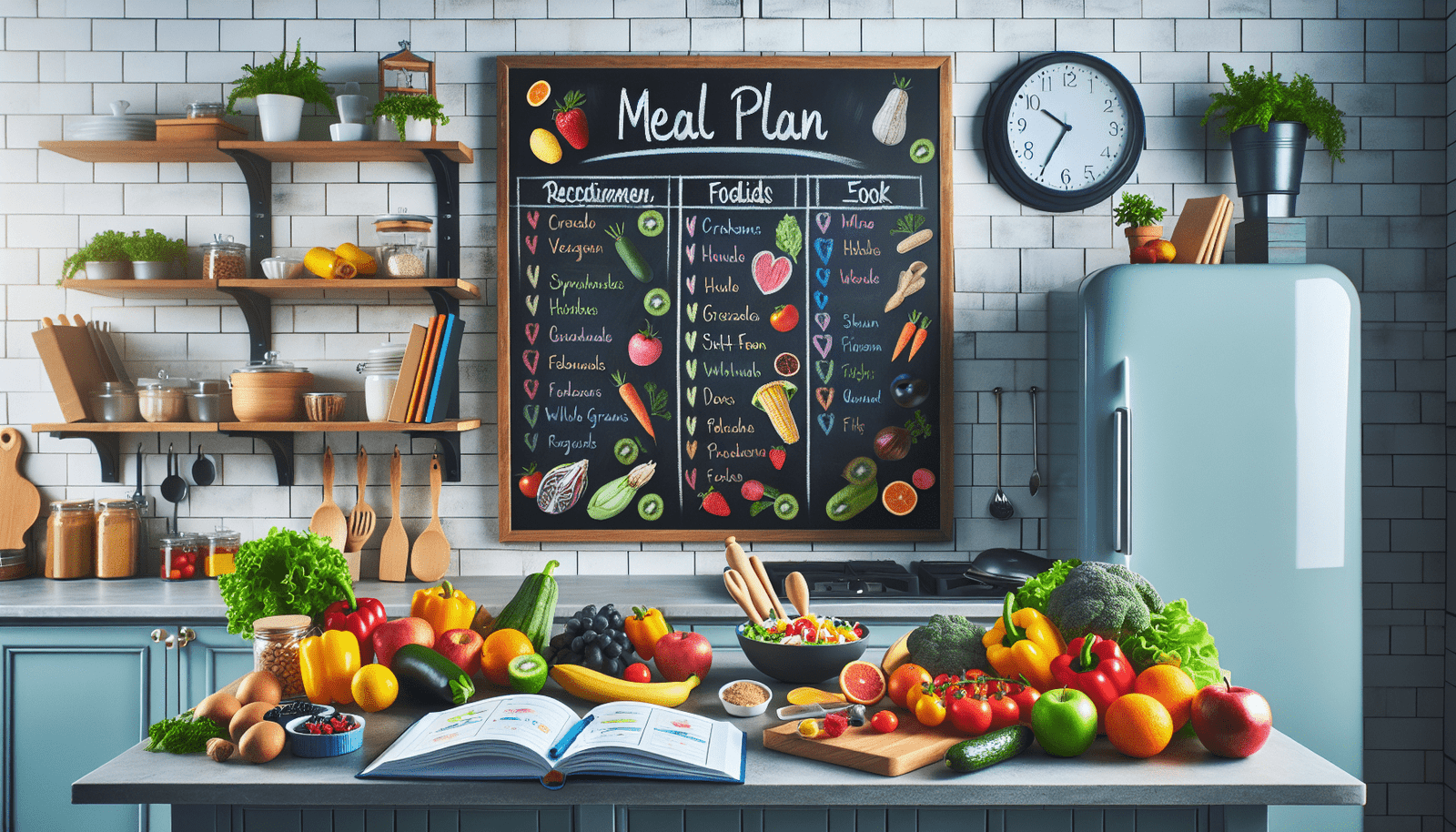
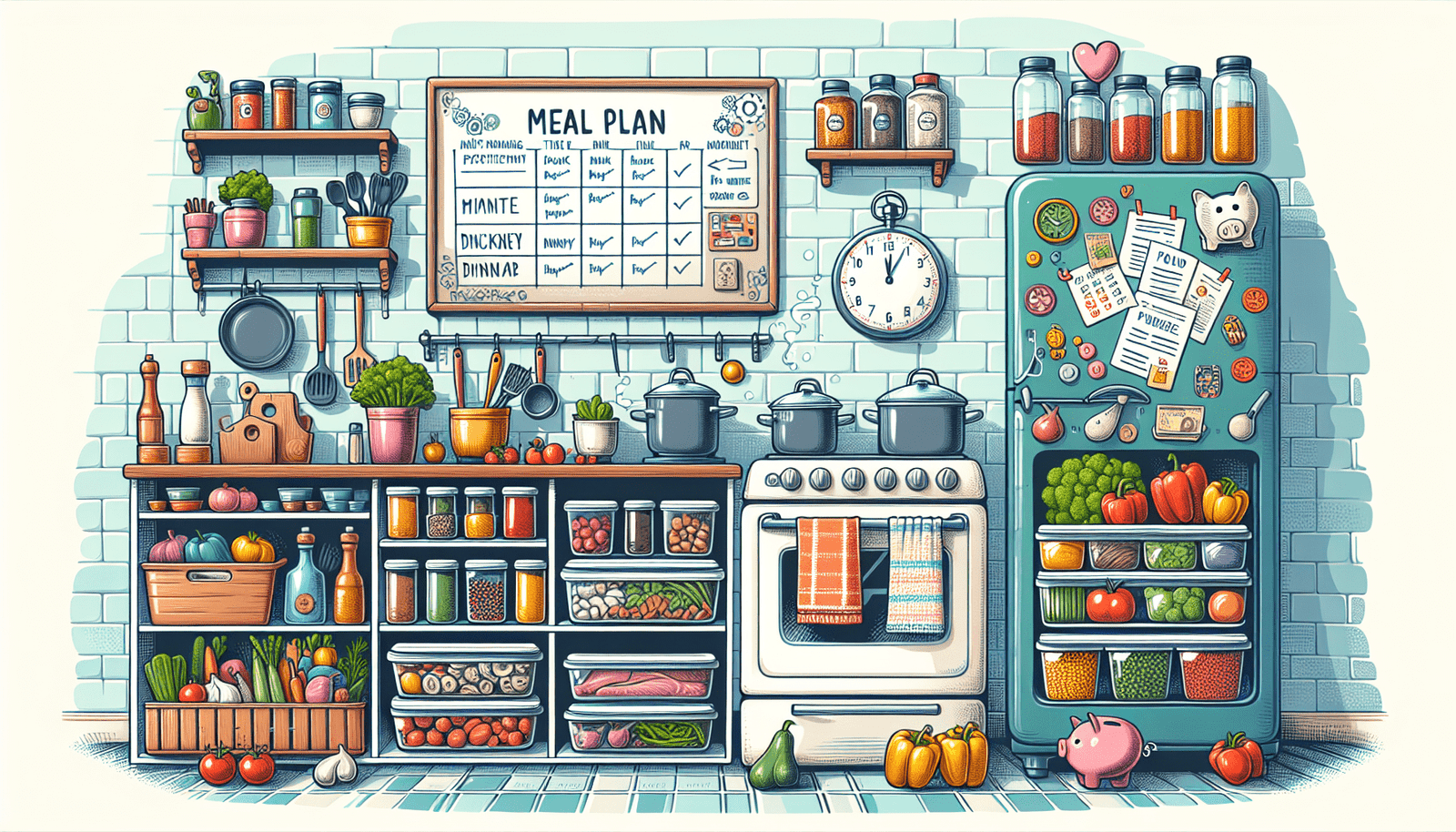
Welcome to the world of budget-friendly meal plans! In this article, you will discover how to create delicious and nutritious meals without breaking the bank. Whether you’re a college student on a tight budget or a busy parent looking to save money, these tips and tricks will help you create affordable meal plans that are both satisfying and wallet-friendly. Say goodbye to expensive takeout and hello to home-cooked meals that won’t break the bank. Let’s get started on your journey to delicious and affordable eating! Hey there! Are you tired of overspending on groceries each week and feeling overwhelmed by cooking elaborate meals? Well, you’re in luck because I’m here to guide you through creating budget-friendly meal plans that will help you save money and time. Let’s dive in and explore some simple and delicious ways to eat well without breaking the bank.
The Benefits of Meal Planning
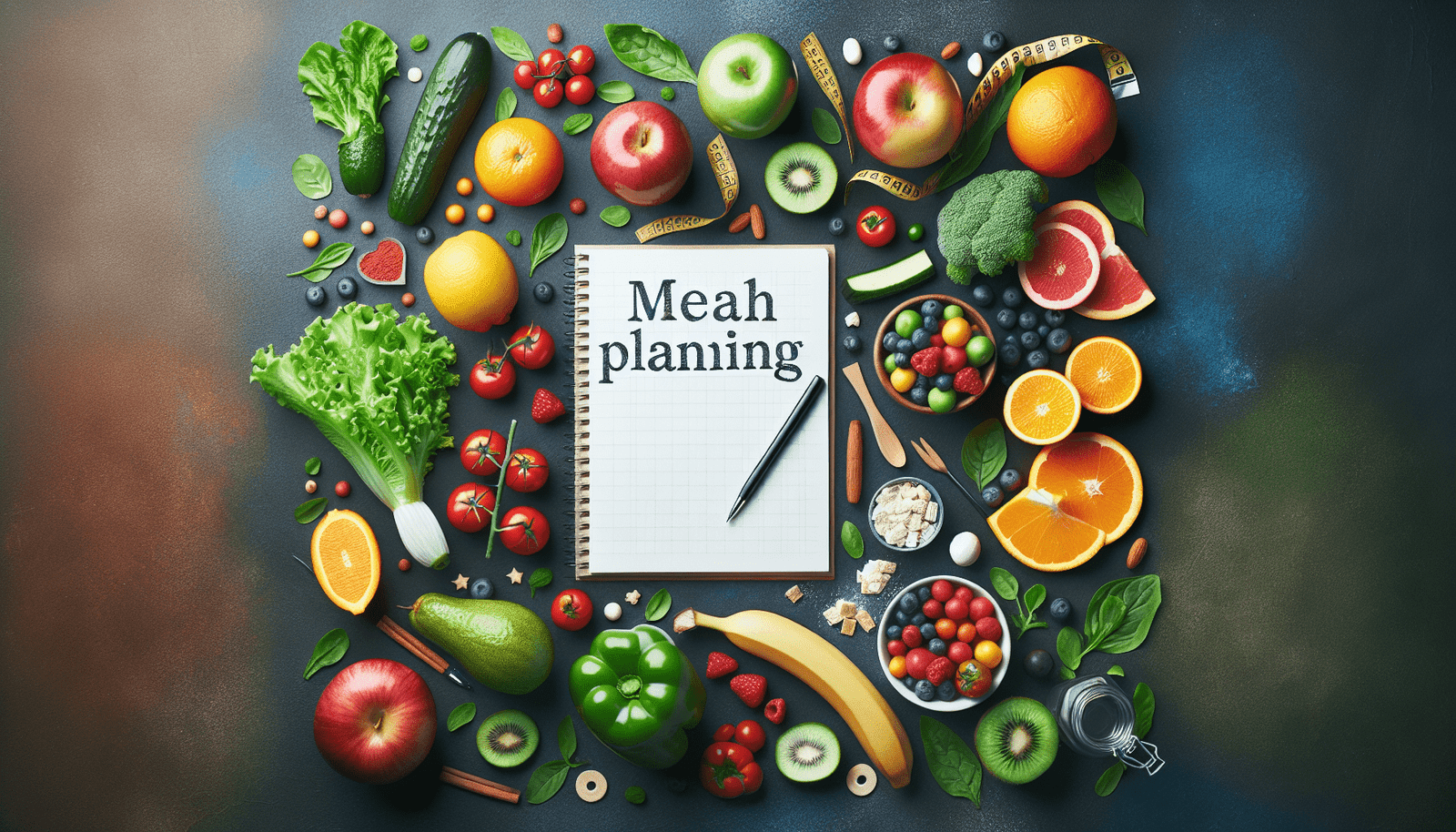
Meal planning is a fantastic way to stay organized, save money, and reduce food waste. By taking the time to plan your meals for the week, you can avoid impulse purchases at the grocery store and make more mindful choices about what you’re eating. Plus, having a plan in place means you’re less likely to reach for unhealthy takeout when you’re feeling too tired to cook.
Planning Tips
When creating your meal plan, take stock of what you already have in your pantry and fridge to avoid buying duplicate items. Make a list of your favorite go-to meals that are easy to prepare and budget-friendly. Don’t forget to consider any dietary restrictions or preferences you or your family members may have.
Creating a Grocery List
Once you’ve nailed down your meal plan for the week, it’s time to make your grocery list. Having a comprehensive list of everything you need for your meals will help you stay on track and avoid unnecessary purchases. This is where the real money-saving magic happens!
Grocery List Essentials
Fresh produce: fruits and vegetables are the foundation of a healthy diet, so be sure to load up on these colorful goodies.
Protein sources: opt for affordable options like beans, lentils, tofu, eggs, and canned tuna.
Whole grains: staples like rice, quinoa, whole grain pasta, and oats are great options to keep you feeling full and satisfied.
Dairy and dairy alternatives: milk, yogurt, cheese, and plant-based alternatives are versatile ingredients for many recipes.
Pantry staples: items like spices, oils, sauces, and condiments can add flavor to your meals without breaking the bank.
Avoiding Impulse Buys
Stick to your list and try not to deviate too much from it while you’re at the store. Impulse buys can quickly add up and blow your budget. If you see something tempting, ask yourself if it’s a necessity or if you can live without it for the week.
Meal Prep and Batch Cooking
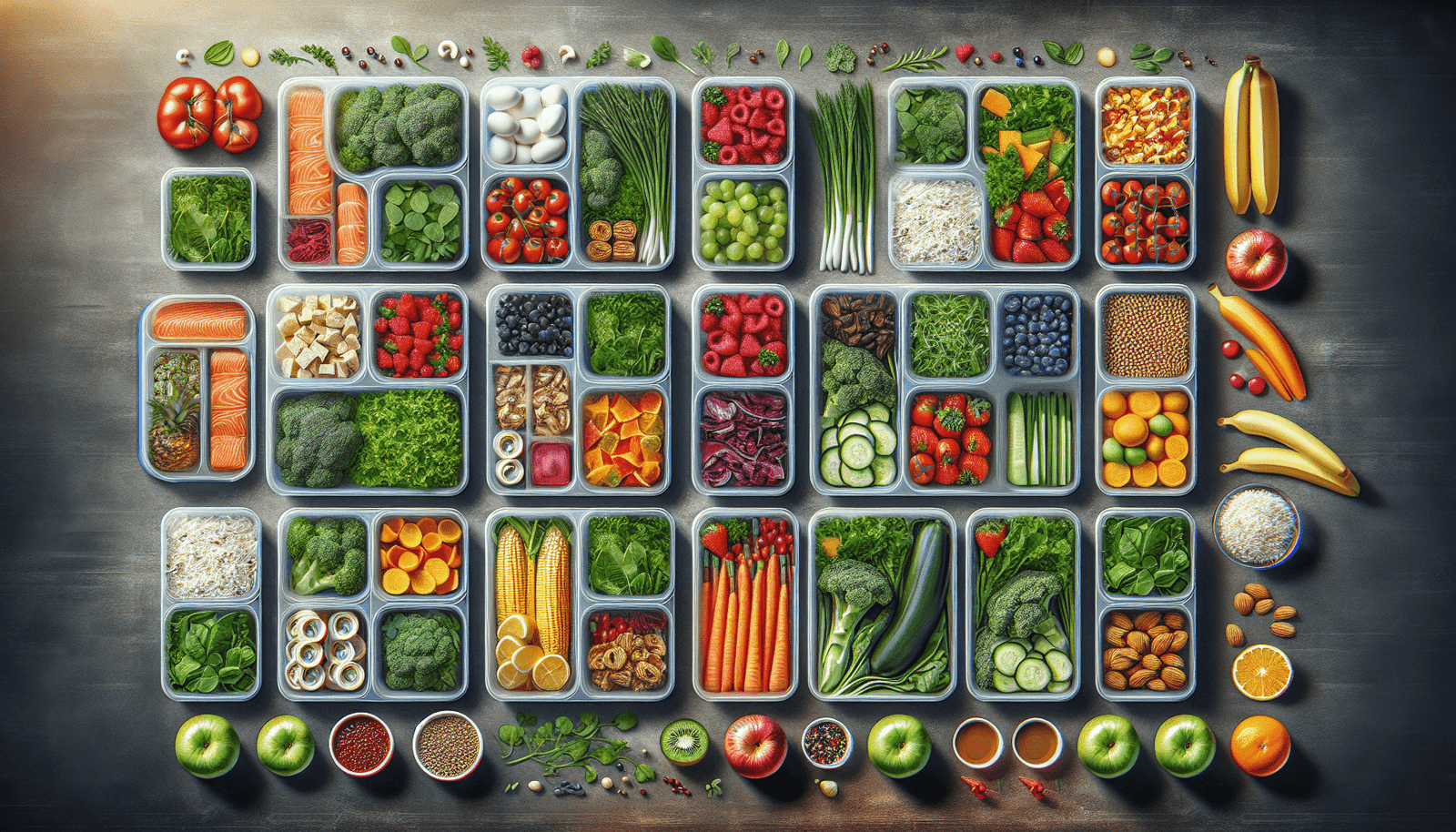
Meal prep and batch cooking are game-changers when it comes to saving time and money in the kitchen. By spending a few hours one day a week preparing ingredients and cooking in bulk, you can have meals ready to go for busy days when you don’t feel like cooking from scratch.
Time-Saving Tips
Pre-chop veggies and store them in containers for easy access when you’re cooking.
Cook a big batch of grains like rice or quinoa to use in various dishes throughout the week.
Make a large pot of soup, stew, or chili that can be portioned out for lunches or dinners.
Storage Solutions
Invest in glass or BPA-free plastic containers to store your prepped ingredients and cooked meals. Having a system in place for organizing your fridge and pantry will make it easier to see what you have on hand and avoid food going to waste.
Budget-Friendly Meal Ideas
Now that you have your meal plan, grocery list, and meal prep strategy in place, let’s explore some delicious and affordable meal ideas to inspire your cooking adventures. These recipes are simple, versatile, and customizable to suit your taste preferences.
Breakfast Ideas
Overnight oats: Combine oats, milk (or a plant-based alternative), and your favorite toppings in a jar and let it sit in the fridge overnight. In the morning, you’ll have a delicious and nutritious breakfast ready to enjoy.
Egg muffins: Whisk eggs with veggies, cheese, and herbs and pour the mixture into a muffin tin. Bake until set and enjoy these portable and protein-packed breakfast treats throughout the week.
Lunch Ideas
Mason jar salads: Layer greens, protein, veggies, and dressing in a mason jar for a convenient and colorful lunch option. Shake it up when you’re ready to eat, and voila!
Grain bowls: Start with a base of grains like rice or quinoa and top with roasted veggies, protein, and a flavorful sauce for a satisfying and nourishing meal.
Dinner Ideas
Stir-fry: Cook up a mix of veggies, protein, and your favorite sauce in a skillet for a quick and easy stir-fry. Serve over rice or noodles for a complete meal.
One-pan meals: Roast a medley of veggies and protein on a sheet pan for a fuss-free dinner that requires minimal cleanup. Feel free to get creative with spices and seasonings for added flavor.
Making the Most of Leftovers
Leftovers are your best friend when it comes to budget-friendly meal planning. Instead of throwing out unused food, repurpose it into new meals to stretch your budget even further. Get creative with your leftovers and see how many different dishes you can come up with!
Leftover Ideas
Pasta salad: Combine leftover pasta, veggies, protein, and dressing for a refreshing and satisfying salad that can be enjoyed cold or at room temperature.
Frittata: Use leftover veggies, meat, and cheese to make a flavorful frittata that can be enjoyed for breakfast, lunch, or dinner.
Soup: Throw leftover veggies, grains, and protein into a pot with some broth and seasonings to create a hearty and comforting soup that’s perfect for chilly days.
Embracing Meal Planning as a Lifestyle
Meal planning isn’t just a one-time task; it’s a lifestyle that can help you save money, eat healthier, and reduce stress in the long run. By making meal planning a regular part of your routine, you’ll become more confident in the kitchen, waste less food, and feel more in control of your budget.
Reflection and Adjustment
After you’ve completed your first week of meal planning, take some time to reflect on what worked well and what could use some tweaking. Was there a particular recipe that your family loved? Did you find that you were buying too many specialty ingredients? Use this feedback to fine-tune your meal planning process for the weeks to come.
Celebrate Small Wins
Remember to celebrate small victories along the way, whether it’s sticking to your budget, trying a new recipe, or incorporating more vegetables into your meals. Every little step you take towards better meal planning habits is a win worth acknowledging.
Final Thoughts
Congratulations on embarking on your budget-friendly meal planning journey! With a little bit of preparation, creativity, and willingness to experiment, you can enjoy delicious meals without breaking the bank. Remember to be kind to yourself and have fun with the process. Happy cooking!
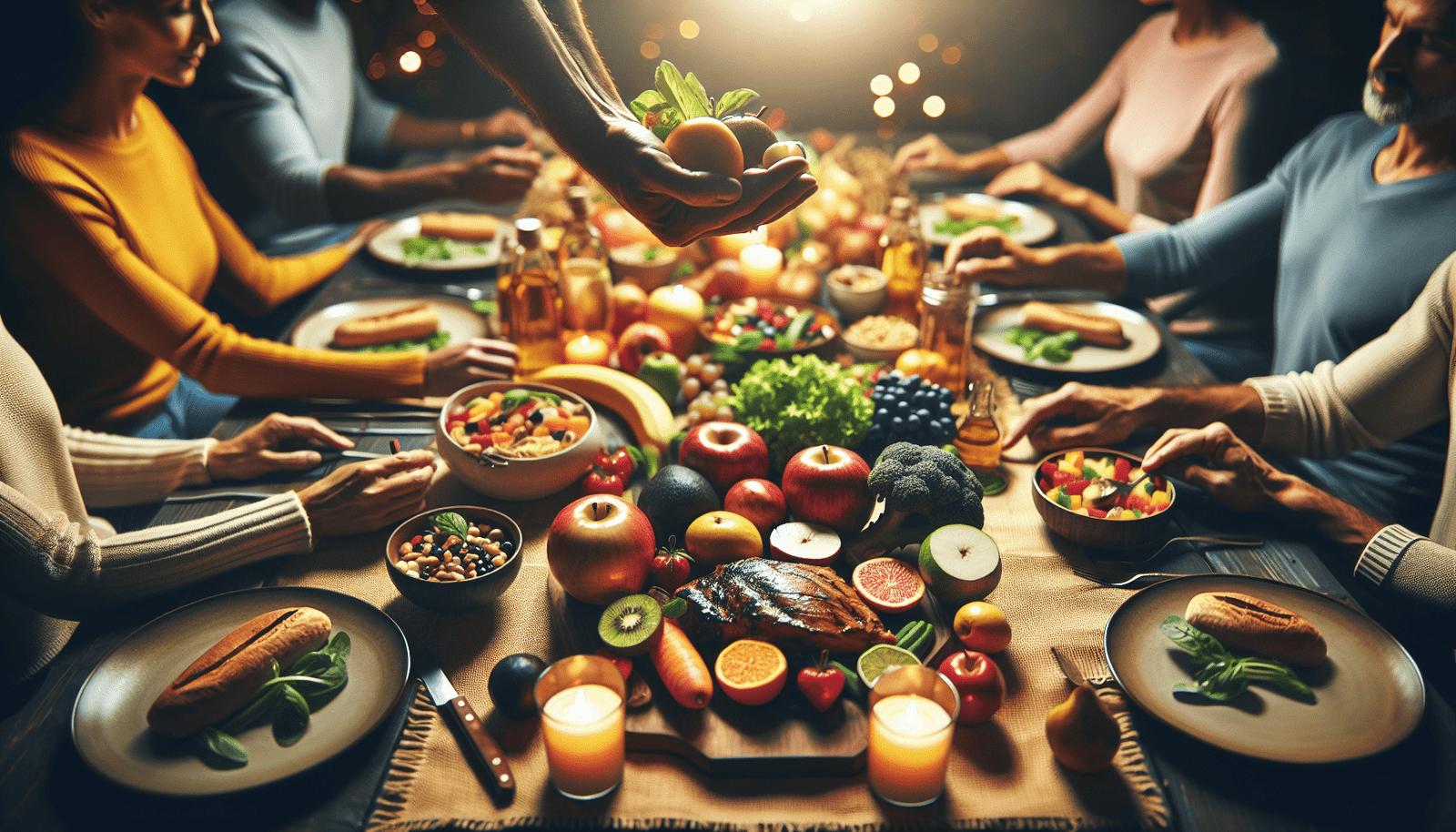
Are you tired of constantly stressing about what to cook for your family? Look no further! In this article, we will explore the wonderful world of family-friendly meal plans, designed to make your life easier and ensure that every member of your family can enjoy a nutritious and delicious meal. Whether you have picky eaters or dietary restrictions, these meal plans will take the guesswork out of meal planning and provide you with easy-to-follow recipes that are sure to please the whole family. Say goodbye to mealtime dilemmas and hello to stress-free family meals with our family-friendly meal plans!
Healthy Meal Ideas
Vegetable Stir-Fry with Brown Rice
A vegetable stir-fry with brown rice is an excellent option when you’re looking for a healthy meal idea. Packed with a colorful array of fresh vegetables like bell peppers, broccoli, carrots, and snap peas, this dish is not only visually appealing but also packed with essential nutrients. The brown rice provides a nutritious base and adds a satisfying texture to the stir-fry. You can customize this dish by adding your favorite protein like tofu, chicken, or shrimp for an extra boost of flavor and protein.
Chicken and Broccoli Casserole
When it comes to quick and easy family meals, a chicken and broccoli casserole is always a winner. This dish combines tender chicken, nutritious broccoli, and a creamy sauce, all baked to perfection. The casserole is not only packed with protein and vitamins but is also a great way to get your kids to eat their vegetables. You can customize this recipe by adding additional vegetables like mushrooms or bell peppers for extra flavor and nutrients. Serve it with a side of whole-grain rice or a green salad for a complete and wholesome meal.
Quinoa and Black Bean Salad
For a light and refreshing meal option, try a quinoa and black bean salad. This colorful dish combines protein-packed quinoa, fiber-rich black beans, and a variety of fresh vegetables like cherry tomatoes, cucumbers, and red onions. Tossed with a zesty lime dressing, this salad is not only delicious but also incredibly nutritious. You can add avocado slices or grilled chicken for an extra dose of flavor and protein. This meal is perfect for hot summer days or as a side dish for your next barbecue.
Turkey Meatballs with Spaghetti Squash
If you’re looking for a healthier alternative to traditional spaghetti and meatballs, try turkey meatballs with spaghetti squash. Spaghetti squash is a low-carb and low-calorie alternative to pasta, and when combined with flavorful turkey meatballs, it creates a delicious and nutritious meal. The turkey meatballs are made with lean ground turkey, breadcrumbs, and a blend of herbs and spices, making them a healthier option compared to traditional meatballs. Serve it with a homemade marinara sauce and a sprinkle of grated Parmesan cheese for a satisfying and guilt-free dinner.
Quick and Easy Recipes
Sheet Pan Chicken Fajitas
When you’re short on time but still want to enjoy a flavorful and healthy meal, sheet pan chicken fajitas are the way to go. This recipe requires minimal preparation and cleanup, as all the ingredients are placed on a single sheet pan and baked in the oven. The chicken is marinated in a zesty combination of lime juice, chili powder, and garlic, while the bell peppers and onions add color and crunch. Serve it with warm tortillas, salsa, and guacamole for a Tex-Mex inspired feast that the whole family will love.
One-Pot Pasta Primavera
One-pot meals are a lifesaver when it comes to easy and efficient cooking, and one-pot pasta primavera is no exception. This dish combines the simplicity of pasta with the vibrant flavors of spring vegetables like asparagus, peas, and cherry tomatoes. The pasta cooks in a delicious broth, absorbing all the flavors from the vegetables and herbs. Top it off with a sprinkle of Parmesan cheese and fresh basil for a satisfying and wholesome meal that requires minimal cleanup.
Sausage and Veggie Foil Packets
If you’re looking for a fuss-free way to cook a delicious and well-balanced meal, sausage and veggie foil packets are the answer. This recipe involves simply combining your favorite sausage, such as chicken or turkey sausage, with a colorful mix of vegetables like bell peppers, zucchini, and onions, and wrapping them in foil packets. The packets are then grilled or baked, resulting in tender and flavorful sausage and perfectly cooked vegetables. It’s a versatile recipe that can be easily customized to suit your family’s preferences.
Nachos with Ground Turkey
Who says nachos can’t be healthy? When made with wholesome ingredients, nachos can be a nutritious and satisfying meal. Start by topping a bed of baked tortilla chips with lean ground turkey cooked with spices like chili powder and cumin. Add a generous amount of black beans, diced tomatoes, and shredded cheese. Finish it off by baking until the cheese is melted and bubbly. Serve with toppings like sliced avocado, salsa, and plain Greek yogurt for a delicious and guilt-free meal that will please even the pickiest eaters.
Kid-Friendly Dishes
Cheesy Baked Chicken Tenders
Kids always have a soft spot for chicken tenders, and this recipe for cheesy baked chicken tenders will surely be a hit with your little ones. Instead of deep-frying, these chicken tenders are coated in a crispy mixture of whole-grain breadcrumbs, Parmesan cheese, and a blend of spices, then baked to perfection in the oven. They are deliciously cheesy and crispy on the outside while remaining juicy and tender on the inside. Serve with a side of homemade honey mustard dip and steamed vegetables for a well-rounded meal that the whole family will enjoy.
Homemade Pizza
What kid doesn’t love pizza? Making homemade pizza is not only a fun activity to do with your children but also a great way to ensure they are getting a nutritious and balanced meal. Start by making your own pizza dough from scratch or use store-bought whole wheat pizza dough for added convenience. Top the dough with a homemade tomato sauce, freshly grated cheese, and a variety of toppings like sliced vegetables, lean meats, and herbs. Get your kids involved by letting them personalize their own mini pizzas. Bake them in the oven until the cheese is golden and bubbly, and enjoy a delicious and healthier pizza night in the comfort of your own home.
Taco Cups with Mini Tortillas
Taco cups are a fun and bite-sized twist on traditional tacos and are perfect for little hands. Start by pressing mini tortillas into muffin cups, creating a cup-like shape. Fill each cup with a mixture of seasoned ground beef or turkey, black beans, and diced tomatoes. Top with shredded cheese and bake in the oven until the tortillas are crispy and the cheese is melted. Serve with kid-friendly toppings like shredded lettuce, diced avocado, and a dollop of sour cream. These taco cups are not only delicious but also a great way to introduce your kids to different flavors and textures.
Mashed Sweet Potatoes with Hidden Veggies
Getting your kids to eat their vegetables can be a challenge, but this recipe for mashed sweet potatoes with hidden veggies is a clever way to sneak in some extra nutrients. Start by boiling sweet potatoes until they are tender, then mash them with a fork or a potato masher. To incorporate hidden veggies, steam or boil a mix of cauliflower, carrots, and zucchini until soft, then puree them in a blender or food processor. Mix the pureed veggies into the mashed sweet potatoes, adding cream or milk for a smooth and creamy texture. Serve as a side dish alongside grilled chicken or fish for a nutritious and delicious meal the whole family can enjoy.
Budget-Friendly Meal Plans
Rice and Bean Burritos
When you’re on a tight budget, rice and bean burritos are a wallet-friendly meal option that doesn’t skimp on taste or nutrition. Start by cooking a pot of rice and seasoning it with spices like cumin and garlic powder. Meanwhile, simmer a mixture of black beans, onions, and bell peppers seasoned with chili powder and oregano. Warm up tortillas, then spread a layer of the rice and bean mixture, and top with shredded cheese and your favorite toppings like salsa or guacamole. Roll up the burrito and enjoy a delicious and satisfying meal that won’t break the bank.
Spaghetti with Marinara Sauce
Spaghetti with marinara sauce is a classic and affordable meal that can be enjoyed by the whole family. Simply cook your favorite pasta according to the package instructions, then top with a homemade or store-bought marinara sauce. If you want to add some extra flavor and nutrition, sauté onions, garlic, and bell peppers before adding them to the sauce. Serve with a side of garlic bread and a simple green salad for a complete and budget-friendly meal.
Bean and Vegetable Soup
Bean and vegetable soup is not only economical but also an excellent way to utilize pantry staples and leftover vegetables. Start by sautéing onions, garlic, and carrots in a large pot. Add a variety of canned or cooked beans like black beans, kidney beans, and chickpeas. Pour in vegetable or chicken broth, and simmer until the flavors meld together. Add in any leftover veggies you have on hand, such as diced tomatoes, spinach, or corn. Season with herbs and spices like thyme, parsley, and paprika for added flavor. Serve the soup with a side of crusty bread or cornbread for a hearty and satisfying meal that will keep your budget intact.
Egg Fried Rice
Egg fried rice is a simple and affordable meal that can be made with just a few ingredients. Start by cooking rice according to the package instructions and allow it to cool. In a large skillet, scramble eggs and set aside. Sauté diced vegetables like carrots, peas, and onions until they are tender. Add the cooked rice and scrambled eggs to the skillet, and stir-fry until everything is well combined. Season with soy sauce or other preferred seasonings, and you have a flavorful and budget-friendly meal that can be enjoyed on its own or as a side dish.
Meal Plans for Picky Eaters
Creamy Cauliflower Mac and Cheese
Picky eaters can be challenging, but this recipe for creamy cauliflower mac and cheese is a clever way to sneak in some extra vegetables. Start by boiling cauliflower florets until they are tender, then puree them in a blender or food processor until smooth. In a separate pot, cook your favorite pasta until al dente. In another saucepan, melt butter and whisk in flour to make a roux. Gradually whisk in milk, then add the pureed cauliflower. Stir in shredded cheese until melted and combined. Toss the cheese sauce with the cooked pasta, and you have a creamy and delicious mac and cheese that’s loaded with hidden veggies.
Chicken and Veggie Quesadilla
Quesadillas are a versatile meal option that can be customized to suit the taste preferences of picky eaters. Start by cooking diced chicken in a skillet until it’s cooked through. Remove the chicken from the skillet and set it aside. In the same skillet, sauté a variety of colorful vegetables like bell peppers, onions, and zucchini until they are tender. Spread a layer of shredded cheese on a tortilla, then add the cooked chicken and sautéed vegetables. Top with another tortilla and cook in a skillet until the cheese is melted and the tortillas are crispy. Cut into wedges and serve with a side of salsa or guacamole. This chicken and veggie quesadilla is a crowd-pleaser that combines protein and veggies in a kid-friendly format.
Baked Parmesan Crusted Fish
Fish can be a hit or miss with picky eaters, but this recipe for baked Parmesan crusted fish is sure to win them over. Start by seasoning white fish fillets with salt and pepper. In a separate bowl, combine breadcrumbs, grated Parmesan cheese, and dried herbs like basil or oregano. Dip each fillet into beaten egg, then coat it in the breadcrumb mixture. Place the breaded fish fillets on a baking sheet lined with parchment paper and bake in the oven until the fish is cooked through and the crust is golden and crispy. Serve with a side of steamed vegetables and a squeeze of lemon for a tasty and nutritious meal that will please even the pickiest of eaters.
Veggie Nuggets with Dipping Sauce
Veggie nuggets are a fun and tasty way to introduce vegetables to picky eaters. Start by steaming a combination of vegetables like broccoli, carrots, and cauliflower until they are soft. In a food processor, pulse the steamed vegetables until they are finely chopped. In a separate bowl, combine the chopped vegetables with whole-wheat breadcrumbs, grated cheese, and seasonings like garlic powder and paprika. Form the mixture into nugget shapes and bake in the oven until golden and crispy. Serve these veggie nuggets with a homemade dipping sauce made with Greek yogurt, honey, and a pinch of salt. These nuggets are a healthier alternative to traditional chicken nuggets and are a great way to sneak in some extra veggies.
Vegetarian/Vegan Options
Vegetable Curry with Quinoa
For a flavorful and satisfying vegetarian or vegan meal, try vegetable curry with quinoa. Start by sautéing a mix of vegetables like bell peppers, zucchini, and cauliflower in a large pot with some oil. Add in your preferred curry paste or powder, along with coconut milk and vegetable broth. Simmer until the vegetables are tender and the flavors meld together. Serve the curry over a bed of fluffy quinoa, and garnish with fresh cilantro or lime wedges for added brightness. This dish is not only packed with vitamins and minerals but also bursting with flavor.
Black Bean Tacos with Avocado Salsa
Black bean tacos with avocado salsa are a delicious and protein-packed option for vegetarians and vegans. Start by sautéing black beans with spices like cumin and chili powder until they are heated through and well seasoned. Mash a few beans to create a creamy texture. In a separate bowl, mash ripe avocados with lime juice, chopped cilantro, diced tomatoes, and a pinch of salt to make a flavorful avocado salsa. Warm up tortillas, then fill them with the black bean mixture and top with the avocado salsa and any additional toppings you prefer, such as shredded lettuce or diced red onions. These black bean tacos are packed with plant-based protein, healthy fats, and a burst of fresh flavors.
Crispy Tofu Stir-Fry
Tofu is an excellent source of plant-based protein and can be transformed into a delicious and crispy stir-fry. Start by pressing tofu to remove excess moisture, then cut it into cubes. In a large skillet or wok, heat oil and add the tofu, cooking until it’s golden and crispy on all sides. Remove the tofu from the skillet and set it aside. In the same skillet, sauté a mix of colorful vegetables like bell peppers, snap peas, and carrots until they are tender-crisp. Prepare a sauce with soy sauce, sesame oil, garlic, ginger, and a touch of sweetness like honey or maple syrup. Add the tofu back into the skillet along with the sauce and cook until everything is well coated. Serve this crispy tofu stir-fry over a bed of steamed rice or noodles for a flavorful and satisfying vegetarian meal.
Spinach and Chickpea Stew
Spinach and chickpea stew is a hearty and nutritious option for vegetarians and vegans. In a large pot, sauté onions and garlic until they are softened. Add vegetable broth, canned diced tomatoes, and spices like cumin and paprika. Simmer until the flavors meld together. Add a can of drained and rinsed chickpeas, as well as a generous amount of fresh spinach. Stir until the spinach is wilted and the chickpeas are heated through. Season with salt and pepper to taste. Serve this stew with warm crusty bread or a side of quinoa for a filling and wholesome vegetarian meal.
Make-Ahead Freezer Meals
Lasagna Roll-Ups
Lasagna roll-ups are a great make-ahead freezer meal that can be easily customized to suit your family’s preferences. Start by cooking lasagna noodles until they are al dente. Meanwhile, prepare a filling with a mixture of ricotta cheese, shredded mozzarella cheese, grated Parmesan cheese, and finely chopped spinach or other vegetables. Spread a layer of the filling onto each lasagna noodle, then roll them up and place them in a baking dish. Top the roll-ups with marinara sauce and additional cheese, then cover with foil. Freeze the dish until solid, then transfer the roll-ups to freezer-safe containers or bags. To cook, simply thaw the roll-ups overnight in the refrigerator, then bake in the oven until the cheese is melted and bubbly. These lasagna roll-ups are a convenient and delicious freezer meal that will save you time and effort on busy weeknights.
Chicken Enchiladas
Chicken enchiladas make for a flavorful and satisfying make-ahead freezer meal. Start by cooking and shredding chicken breasts. In a bowl, mix together the shredded chicken, diced onions, diced bell peppers, shredded cheese, and your preferred enchilada sauce. Fill tortillas with the chicken mixture, roll them up, and place them in a baking dish. If desired, pour additional enchilada sauce over the top of the enchiladas and sprinkle with cheese. Cover the dish with foil and freeze until solid. To cook, thaw the enchiladas overnight in the refrigerator, then bake in the oven until heated through and the cheese is melted and bubbly. Serve these chicken enchiladas with sour cream, guacamole, and salsa for a delicious and convenient freezer meal.
Shepherd’s Pie
Shepherd’s pie is a classic comfort food that can be made ahead of time and stored in the freezer for future meals. Start by cooking ground meat, such as beef or lamb, in a skillet until it’s browned and cooked through. Drain any excess fat, then add diced onions, carrots, and peas and cook until the vegetables are tender. Season the mixture with salt, pepper, and herbs like rosemary or thyme. Transfer the meat mixture to a baking dish, then top with a layer of mashed potatoes. If desired, sprinkle with grated cheese. Cover the dish tightly with foil and freeze until solid. To cook, thaw the shepherd’s pie overnight in the refrigerator, then bake in the oven until heated through and the mashed potatoes are golden and crispy. This freezer-friendly meal is perfect for busy days when you want a comforting and delicious dinner without the hassle of cooking from scratch.
Beef and Veggie Casserole
Beef and veggie casserole is a nutritious and hearty make-ahead freezer meal that your family will love. Start by browning lean ground beef in a skillet, then drain any excess fat. In the same skillet, sauté a mix of diced vegetables like onions, bell peppers, and zucchini until they are tender. Season with salt, pepper, and your preferred herbs and spices. In a baking dish, layer the cooked ground beef and sautéed vegetables, then top with a mixture of beaten eggs and milk. Sprinkle with grated cheese, then cover tightly with foil and freeze until solid. To cook, thaw the casserole overnight in the refrigerator, then bake in the oven until the center is set and the cheese is melted and bubbly. This make-ahead casserole is a convenient and wholesome freezer meal that will satisfy even the hungriest of appetites.
One-Pot/One-Pan Recipes
One-Pot Chicken Alfredo
One-pot chicken Alfredo is a convenient and delicious meal that requires minimal cleanup. Start by cooking boneless, skinless chicken breasts in a large skillet until they are cooked through. Remove the chicken from the skillet and set it aside. In the same skillet, sauté minced garlic until fragrant, then pour in heavy cream and chicken broth. Bring the mixture to a simmer, then add dried fettuccine pasta and cook until al dente. Stir in grated Parmesan cheese until melted and smooth. Slice the cooked chicken and add it back into the skillet along with any additional toppings like cooked bacon or sautéed mushrooms. Serve this creamy and flavorful one-pot chicken Alfredo with a sprinkle of fresh parsley for an easy and satisfying meal.
Sheet Pan Sausage and Veggies
Sheet pan meals are a lifesaver when you want a delicious and hassle-free dinner. For sheet pan sausage and veggies, start by preheating your oven and lining a baking sheet with parchment paper. Toss your favorite sausage, such as chicken or turkey sausage, with a mix of seasonal vegetables like bell peppers, onions, and potatoes. Drizzle with olive oil, then season with herbs and spices like paprika, garlic powder, and dried thyme. Arrange the sausage and vegetables in a single layer on the baking sheet, then roast in the oven until the sausage is cooked through and the vegetables are tender. This sheet pan meal requires minimal effort and cleanup, making it perfect for busy weeknights.
One-Pan Lemon Herb Salmon
Salmon is not only delicious but also packed with heart-healthy omega-3 fatty acids. For a quick and easy one-pan lemon herb salmon, start by preheating your oven and lining a baking sheet with foil. Place salmon fillets on the baking sheet, then squeeze fresh lemon juice over the top and season with your preferred herbs, such as dill or parsley. Add a drizzle of olive oil to keep the salmon moist and flavorful. Arrange lemon slices around the salmon for extra flavor and presentation. Bake in the oven until the salmon is cooked through and flakes easily with a fork. Serve this lemon herb salmon with a side of roasted vegetables or a fresh salad for a light and nutritious meal that requires minimal cleanup.
One-Pot Chili Mac
One-pot chili mac is a comforting and flavorful meal that’s perfect for chilly days. In a large pot, brown ground beef or turkey until it’s cooked through. Drain any excess fat, then add diced onions, bell peppers, and garlic, and sauté until they are softened. Stir in canned diced tomatoes, tomato sauce, kidney beans, chili powder, cumin, and any other preferred seasonings. Simmer until the flavors meld together. Add uncooked elbow macaroni pasta and cook until it’s al dente. Serve this hearty and delicious one-pot chili mac topped with shredded cheese, sliced green onions, and a dollop of sour cream. It’s a complete meal in one pot, making cleanup a breeze.
Gluten-Free Meal Plans
Garlic Butter Shrimp with Quinoa
Garlic butter shrimp with quinoa is a light and flavorful gluten-free meal option. In a skillet, melt butter and sauté minced garlic until fragrant. Add fresh or frozen shrimp and cook until they are pink and opaque. Season with herbs like parsley or cilantro, as well as salt and pepper. Serve the garlic butter shrimp over a bed of cooked quinoa for a protein-packed and gluten-free meal. You can also add steamed vegetables or a side salad for added nutrition and texture.
Stuffed Bell Peppers
Stuffed bell peppers are a versatile and gluten-free meal option that can be customized to suit your taste preferences. Start by slicing off the tops of the bell peppers and removing the seeds and membranes. In a skillet, cook a combination of ground meat, such as beef or turkey, along with diced onions, minced garlic, and any preferred seasonings. Mix in cooked rice or quinoa, as well as canned diced tomatoes. Spoon the filling into the bell peppers, then place them in a baking dish. Bake in the oven until the bell peppers are tender and the filling is heated through. Stuffed bell peppers are a wholesome and gluten-free meal that can be enjoyed on their own or with a side salad.
Zucchini Noodles with Meatballs
Zucchini noodles, also known as “zoodles”, are a gluten-free and low-carb alternative to traditional pasta. Create zoodles by spiralizing fresh zucchini, then sauté them in a skillet with some olive oil until they are tender-crisp. In a separate skillet, cook your preferred meatballs until they are browned and cooked through. Pour your preferred marinara sauce over the meatballs and simmer until the sauce is heated through. Serve the zucchini noodles topped with the meatballs and marinara sauce, and garnish with grated Parmesan cheese and fresh herbs. This zucchini noodles with meatballs dish is a delicious and gluten-free meal that’s packed with flavor and nutrients.
Cauliflower Fried Rice
For a gluten-free and low-carb twist on traditional fried rice, try cauliflower fried rice. Start by pulsing cauliflower florets in a food processor until they resemble rice-like grains. In a large skillet or wok, heat oil and sauté diced onions, minced garlic, and any preferred vegetables like carrots, peas, and bell peppers until they are tender. Push the vegetables to one side of the skillet, then add the cauliflower “rice” to the other side. Cook until the cauliflower is tender and slightly golden. Push the veggies and cauliflower together, then create a well in the center. Pour beaten eggs into the well and scramble until cooked. Stir everything together until well combined, then season with gluten-free soy sauce or tamari. This cauliflower fried rice is a satisfying and gluten-free meal that’s packed with veggies and flavor.
Dessert Ideas
Fruit Salad with Yogurt Dip
For a refreshing and healthy dessert option, try a fruit salad with yogurt dip. Start by cutting a variety of fresh fruits, such as strawberries, blueberries, grapes, and pineapple, into bite-sized pieces. Toss the fruit together in a bowl, then whisk together plain Greek yogurt, honey or maple syrup, and a squeeze of lemon juice to make a creamy and lightly sweetened dip. Serve the fruit salad with the yogurt dip on the side for a guilt-free and delicious dessert that’s packed with vitamins and antioxidants.
Oatmeal Chocolate Chip Cookies
Oatmeal chocolate chip cookies are a classic treat that can be enjoyed by the whole family. In a bowl, cream together softened butter, brown sugar, and granulated sugar until light and fluffy. Beat in eggs and vanilla extract until well combined. In a separate bowl, whisk together oats, gluten-free flour blend, baking soda, and salt. Gradually add the dry ingredients to the wet ingredients, then stir in chocolate chips. Drop spoonfuls of dough onto a baking sheet lined with parchment paper and bake in the oven until golden and set. Let the cookies cool completely before enjoying. These oatmeal chocolate chip cookies are a delightful gluten-free dessert that’s perfect for an afternoon snack or a sweet treat after dinner.
Banana Bread Muffins
Banana bread muffins are a crowd-pleasing dessert that’s easy to make and perfect for using up ripe bananas. In a bowl, mash ripe bananas with a fork. Add melted butter, brown sugar, eggs, and vanilla extract, and mix until well combined. In a separate bowl, whisk together gluten-free flour blend, baking soda, salt, and cinnamon. Gradually add the dry ingredients to the wet ingredients, stirring until just combined. Fold in any desired additions like chopped nuts or chocolate chips. Divide the batter among lined muffin cups and bake in the oven until a toothpick inserted into the center comes out clean. Allow the muffins to cool, then enjoy these moist and flavorful banana bread muffins as a snack or dessert.
Frozen Yogurt Bark
Frozen yogurt bark is a simple and healthy dessert option that’s perfect for hot summer days or as a refreshing treat. Start by lining a baking sheet with parchment paper. Spread a layer of your preferred flavor of yogurt, such as vanilla or strawberry, onto the baking sheet, smoothing it out evenly. Sprinkle toppings like granola, chopped nuts, and fresh fruit over the yogurt. Place the baking sheet in the freezer until the yogurt is solid. Once frozen, break the yogurt bark into pieces and enjoy. This frozen yogurt bark is a guilt-free and customizable dessert that’s sure to satisfy your sweet tooth.
Are you looking to shed some extra pounds and improve your overall health? Look no further! “Meal Plans For Weight Loss” is here to help you achieve your goals with delicious and nutritious meal plans designed specifically for weight loss. Say goodbye to restrictive diets and hello to a healthier, happier you. Our meal plans are carefully crafted to provide you with the perfect balance of proteins, carbohydrates, and fats, ensuring you feel satisfied while still losing weight. With a variety of mouthwatering recipes and easy-to-follow instructions, sticking to your weight loss journey has never been easier. Get ready to embark on a flavorful and fulfilling adventure towards a slimmer and healthier you!
1. Determining your caloric needs
Calculate your basal metabolic rate
Determining your caloric needs is an essential step in your weight loss journey. The first thing you need to do is calculate your basal metabolic rate (BMR), which is the number of calories your body needs to function at rest. There are various online calculators available that can help you determine your BMR based on your age, weight, height, and gender. This gives you a baseline idea of the number of calories you need to maintain your current weight.
Consider your activity levels
In addition to your BMR, you also need to consider your activity levels when determining your caloric needs for weight loss. If you lead a sedentary lifestyle with little to no exercise, you would need fewer calories compared to someone who is physically active. Take into account the number of hours you spend exercising each week and the intensity of your workouts to get a better estimate of your daily caloric needs.
Set a calorie deficit
Once you have calculated your BMR and considered your activity levels, you can set a calorie deficit to achieve weight loss. A calorie deficit means consuming fewer calories than your body needs to maintain its current weight. It’s generally recommended to create a deficit of 500 to 1000 calories per day, which can result in a gradual and healthy weight loss of 1 to 2 pounds per week. However, it’s important to note that you should never go below 1200 calories per day for women and 1500 calories per day for men to ensure you’re still receiving adequate nutrition.
2. Focus on balanced meals
Include lean protein sources
When it comes to creating balanced meals for weight loss, lean protein sources should be a priority. Protein helps keep you feeling full and satisfied, while also supporting muscle growth and repair. Incorporate lean meats such as chicken breast, turkey, or fish into your meals. If you’re following a vegetarian or vegan diet, opt for plant-based protein sources like tofu, tempeh, beans, lentils, and quinoa.
Incorporate whole grains
Whole grains are an excellent source of fiber, which aids in digestion and helps control hunger. When selecting grains, opt for whole grain options like brown rice, quinoa, whole wheat pasta, and whole grain bread. These provide more nutrients and less refined carbohydrates compared to their refined counterparts. Incorporating whole grains into your meals will help you feel fuller for longer, making it easier to stick to your weight loss goals.
Add plenty of fruits and vegetables
Fruits and vegetables should make up a significant portion of your meals for weight loss. They are low in calories, high in fiber, and packed with vitamins, minerals, and antioxidants. Fill your plate with a variety of colorful fruits and vegetables to ensure you’re getting a wide range of nutrients. Aim for at least five servings per day, and don’t be afraid to try new fruits and vegetables to keep your meals interesting and flavorful.
Include healthy fats
Contrary to popular belief, fats are an essential part of a balanced diet. Healthy fats provide energy, help absorb fat-soluble vitamins, and support brain function. Incorporate sources of healthy fats into your meals, such as avocados, nuts, seeds, olive oil, and fatty fish like salmon or sardines. However, it’s important to consume these fats in moderation, as they are calorie-dense. Be mindful of portion sizes when adding fats to your meals.
3. The importance of portion control
Use smaller plates and bowls
Portion control plays a crucial role in weight loss. Using smaller plates and bowls can trick your brain into feeling satisfied with less food. Studies have shown that people tend to eat more when they are presented with larger portions. By using smaller dishes, you can visually create the perception of a full plate while still consuming fewer calories.
Measure your food
To accurately control your portions, it helps to measure your food. Invest in a set of measuring cups and a kitchen scale to ensure you’re eating the appropriate serving sizes. Measuring your food not only helps you stay on track with your calorie goals but also provides a better understanding of portion sizes, making it easier to estimate your portions when dining out or eating at other people’s houses.
Be mindful of serving sizes
In addition to measuring your food, it’s essential to be mindful of serving sizes. Pay attention to the recommended serving sizes listed on food packaging and adjust your portions accordingly. It’s easy to unintentionally consume larger portions, especially when eating out or snacking on pre-packaged foods. By being aware and mindful of serving sizes, you can better control your calorie intake and work towards your weight loss goals.
4. Meal prepping and planning
Plan your meals in advance
Meal prepping and planning can significantly contribute to your weight loss success. Taking the time to plan your meals in advance helps you make healthier choices and prevents last-minute unhealthy food decisions. Sit down once a week and plan out your meals for the upcoming days. Consider your schedule, grocery list, and personal preferences to create a variety of nutritious and balanced meals.
Create a shopping list
Once you have planned your meals, create a shopping list based on the ingredients you’ll need. Stick to your list to avoid impulse purchases and unnecessary items. Shopping with a list ensures that you have all the necessary ingredients on hand, making it easier to stick to your meal plan. Additionally, having a well-stocked pantry and fridge reduces the temptation to order takeout or indulge in unhealthy snacks.
Batch cook for the week
One of the keys to successful meal prepping is batch cooking. Prepare larger quantities of food and divide them into individual portions for the week. This saves you time during busy weekdays and ensures that you have healthy meals readily available. Invest in quality food storage containers to keep your meals fresh and organized. You can also freeze some portions for later use if you prefer more variety.
Portion out your meals
As you batch cook your meals, be sure to portion them out to control your calorie intake. Divide the meals into individual containers, making it easy to grab a pre-portioned meal and go. This eliminates the need to guess or estimate serving sizes, ensuring you stay on track with your weight loss goals. It also allows you to take your meals with you to work, school, or other activities, preventing the temptation to grab fast food or unhealthy snacks on the go.
5. Incorporating regular exercise
Combine cardio and strength training
Exercise is an important component of any weight loss plan. Incorporating both cardio and strength training exercises helps you burn calories, build lean muscle, and increase your overall fitness levels. Cardio exercises like running, biking, swimming, or dancing can help you burn calories and improve your cardiovascular health. Strength training exercises, on the other hand, help build muscle, boost your metabolism, and improve your body composition.
Set realistic goals
When starting an exercise routine, it’s important to set realistic and achievable goals. Don’t expect to go from a sedentary lifestyle to running a marathon overnight. Start with small, attainable goals and gradually increase the intensity and duration of your workouts. This approach not only prevents burnout but also keeps you motivated and engaged. It’s crucial to listen to your body and give yourself time to rest and recover.
Find activities you enjoy
Exercise should be enjoyable to ensure long-term adherence. Find physical activities that you genuinely enjoy doing. Whether it’s dancing, hiking, playing a sport, or attending group fitness classes, incorporating activities you look forward to makes exercise feel less like a chore. Experiment with different activities to find what suits your preferences and fits into your lifestyle. Remember, the best exercise routine is the one you’ll stick to consistently.
Incorporate movement throughout the day
In addition to scheduled workouts, it’s important to incorporate movement throughout your day. Take breaks at work to stretch or walk around the office. Choose to take the stairs instead of the elevator. Park your car farther from your destination to get in some extra steps. These small changes can add up and contribute to your overall calorie burn. Being mindful of your daily movement helps you stay active, even on days when you may not have a formal workout planned.
6. Sample meal plan ideas
Breakfast
Option 1: Spinach and mushroom omelet with whole grain toast.
Option 2: Greek yogurt with berries and a sprinkle of nuts.
Option 3: Overnight oats with chia seeds, almond milk, and sliced bananas.
Lunch
Option 1: Grilled chicken salad with mixed greens, cherry tomatoes, cucumbers, and avocado.
Option 2: Quinoa and vegetable stir-fry with tofu or shrimp.
Option 3: Whole wheat wrap with turkey, lettuce, tomato, and hummus.
Snacks
Option 1: Apple slices with almond butter.
Option 2: Carrot sticks with hummus.
Option 3: Greek yogurt with a sprinkle of granola.
Dinner
Option 1: Baked salmon with roasted vegetables and quinoa.
Option 2: Turkey meatballs with zucchini noodles and marinara sauce.
Option 3: Stir-fried tofu or chicken with broccoli and brown rice.
Dessert
Option 1: Fresh fruit salad.
Option 2: Dark chocolate squares.
Option 3: Greek yogurt with a drizzle of honey and sliced almonds.
7. Tracking your progress
Keep a food diary
Keeping a food diary can be a helpful tool in tracking your progress and staying accountable. Write down everything you eat and drink throughout the day, including portion sizes and any snacks or beverages. This allows you to see patterns, identify potential sources of excess calories, and make adjustments as needed. It also helps you become more mindful of your eating habits and choices.
Use a fitness app or tracker
In addition to a food diary, consider using a fitness app or tracker to monitor your calorie intake and track your exercise. These apps provide valuable insights into your daily calorie burn and help you maintain a balanced diet. Many apps also have features that allow you to set goals, create meal plans, and receive personalized recommendations. Find an app that aligns with your goals and preferences to make tracking your progress more convenient and enjoyable.
Measure your weight and body measurements
While weight is not the sole indicator of progress, it can be helpful to track your weight loss journey. Weigh yourself regularly, preferably once a week, under consistent conditions, such as in the morning before eating or drinking. Additionally, take measurements of your body, including areas like your waist, hips, thighs, and arms. As you progress in your weight loss journey, these measurements can provide a better understanding of how your body is changing, even if the number on the scale doesn’t reflect it.
8. Seeking professional guidance
Consult a registered dietitian
For personalized guidance and support, consider consulting a registered dietitian. A dietitian can assess your individual needs, preferences, and lifestyle to create a tailored meal plan that suits you. They can also help you navigate any dietary restrictions or food allergies and provide evidence-based advice. Working with a dietitian ensures you receive accurate information and helps you develop a sustainable approach to weight loss.
Work with a personal trainer
If you’re new to exercise or unsure about proper form and technique, working with a personal trainer can be beneficial. A personal trainer can design a workout plan that aligns with your goals and fitness level, providing guidance and motivation along the way. They can also teach you proper exercise techniques to prevent injuries and help you maximize your workouts. A personal trainer acts as a source of accountability and support, making your weight loss journey more structured and enjoyable.
9. Staying motivated and accountable
Find a weight loss buddy
Finding a weight loss buddy or joining a support group can make your journey more enjoyable and motivating. Having someone to share your successes, challenges, and setbacks with can provide a sense of camaraderie and accountability. You can swap meal ideas, exercise together, and cheer each other on. Whether it’s a family member, friend, or an online support group, having a support system can make a significant difference in staying motivated and accountable.
Reward yourself for achievements
Celebrating your achievements, no matter how small, is essential for staying motivated. Set milestones or goals along the way and reward yourself when you achieve them. However, it’s important to choose non-food rewards to avoid associating food with emotions or achievements. Treat yourself to a massage, buy a new workout outfit, or indulge in a hobby you enjoy. The key is to acknowledge your hard work and dedication, appreciating the progress you’ve made.
Seek support from friends and family
In addition to finding a weight loss buddy, seek support from your friends and family. Share your goals and aspirations with them, and let them know how they can support you. Having their encouragement and understanding can be incredibly valuable when facing challenges or temptations. Surround yourself with people who will uplift and cheer you on throughout your weight loss journey.
10. Remembering the importance of self-care
Get enough sleep
Sleep plays a vital role in weight management. Aim for at least 7-9 hours of quality sleep per night to support your weight loss efforts. Lack of sleep can disrupt hormone levels, leading to increased hunger and cravings. It may also affect your energy levels and motivation to exercise. Prioritize proper sleep hygiene, establish a relaxing bedtime routine, and create a conducive sleep environment to enhance your weight loss progress.
Manage stress
Stress can sabotage your weight loss efforts, so it’s important to find healthy ways to manage it. Engage in stress-relieving activities like yoga, meditation, deep breathing exercises, or journaling. Identify your stress triggers and develop strategies to cope with them effectively. When stress is managed, you’re more likely to make positive choices for your health and well-being.
Practice mindfulness and self-compassion
Lastly, practice mindfulness and self-compassion throughout your weight loss journey. Be present and aware of your body’s needs and signals. Listen to your hunger and fullness cues, and eat mindfully without distractions. Embrace self-compassion by being kind to yourself and avoiding negative self-talk. Weight loss is a journey, and there will be ups and downs. Remember that you are making positive changes for your health and well-being, and every step forward is an accomplishment.
In conclusion, achieving weight loss requires a holistic approach that combines a balanced diet, regular exercise, portion control, and self-care. Determining your caloric needs, focusing on balanced meals, practicing portion control, and meal prepping can set the foundation for success. Incorporating regular exercise, tracking your progress, seeking professional guidance, and finding motivation and support can further enhance your weight loss journey. Remember to prioritize self-care, get enough sleep, manage stress, and practice mindfulness and self-compassion. By following these comprehensive strategies, you can effectively pursue your weight loss goals while maintaining a healthy and sustainable lifestyle.
If you’re tired of the never-ending struggle of deciding what to cook every day, “Weekly Meal Plans” is here to rescue you. This article will be your go-to guide for creating delicious and effortless meals for the entire week. Whether you’re a busy professional, a parent with little time on your hands, or simply someone looking to simplify your life, our weekly meal plans will provide you with mouthwatering recipes, time-saving tips, and a stress-free approach to meal preparation. Get ready to say goodbye to the dinner-time guessing game and hello to a week filled with tasty and wholesome dishes.
Importance of Weekly Meal Plans
Creating a weekly meal plan is a valuable and effective way to simplify your life and improve your overall well-being. By taking the time each week to plan out your meals, you can experience a multitude of benefits that will positively impact your health, save you time, and reduce stress. Let’s explore some of the key reasons why weekly meal plans are so important.
Saves time
One of the major advantages of weekly meal planning is the time it saves you in the long run. By knowing exactly what you are going to eat each day, you can eliminate the daily struggles of deciding what to cook for breakfast, lunch, and dinner. With a pre-determined meal plan, you can streamline your grocery shopping, food preparation, and cooking process. This allows you to spend less time wandering aimlessly in the grocery store and more time enjoying other activities that you love.
Promotes healthier eating
Another significant benefit of weekly meal planning is that it promotes healthier eating habits. When you plan your meals in advance, you have the opportunity to carefully consider the nutritional value of each dish. With a well-balanced meal plan, you can ensure that you are incorporating a variety of fruits, vegetables, whole grains, and lean proteins into your diet. This can help you stay on track with your health and wellness goals and prevent you from relying on unhealthy convenience foods or takeout.
Reduces stress
Weekly meal planning also has a positive impact on your mental well-being by reducing stress. By eliminating the daily decision-making process of what to cook, you can alleviate the stress and anxiety that often accompanies mealtime. With a clear plan in place, you can approach each mealtime with confidence and peace of mind, knowing that you have already made thoughtful choices about your food. This can help you feel more in control, reduce decision fatigue, and create a more relaxed and enjoyable dining experience.
How to Create a Weekly Meal Plan
Now that you understand the benefits of weekly meal planning, let’s dive into the process of how to create your own plan. By following these simple steps, you can develop a well-organized meal plan that suits your needs and preferences.
Set your goals
Before you start planning your meals, it’s important to set clear goals for yourself. Consider what you hope to achieve with your meal plan, whether it’s eating healthier, saving money, or trying new recipes. Write down your goals and keep them in mind throughout the planning process to help guide your decisions.
Take inventory of your pantry and fridge
The next step is to assess what ingredients you already have on hand. Take a thorough inventory of your pantry and fridge to see what items you need to use up before they expire. This will not only help you reduce food waste but also give you a better idea of what meals you can create with the ingredients you already have.
Plan your meals around sales and specials
To save money on your grocery bill, plan your meals around sales and specials at your local grocery store. Check the weekly ads or websites of your favorite grocery stores to see which items are on sale. By incorporating these discounted ingredients into your meal plan, you can stretch your budget and still enjoy delicious and nutritious meals.
Consider the dietary needs of your household
When creating your meal plan, it’s crucial to consider the dietary needs and preferences of everyone in your household. Take into account any allergies, dietary restrictions, or food preferences that may impact your meal choices. By ensuring that everyone’s needs are met, you can create a meal plan that is enjoyable for the whole family.
Create a shopping list
Once you have determined your meals for the week, it’s time to create a detailed shopping list. Refer to your meal plan and make a list of all the ingredients you will need. Don’t forget to check your pantry and fridge inventory to avoid purchasing items you already have. Having a clear shopping list will not only ensure that you have all the necessary ingredients but also prevent you from making impulsive purchases.
Meal Prep Tips
In addition to creating a meal plan, implementing effective meal prep strategies can greatly enhance your weekly routine. Consider these helpful tips to make your meal prep process more efficient and enjoyable.
Prep ingredients in advance
Spend some time on your meal prep day to prepare ingredients in advance. Chop vegetables, cook grains or proteins, and measure out spices and seasonings. By doing this prep work ahead of time, you can significantly cut down on your cooking time during the week and make meal preparation a breeze.
Batch cook
Batch cooking is a meal prep technique that involves preparing large quantities of a particular dish or ingredient to be enjoyed throughout the week. For example, you can make a big batch of soup, chili, or roasted vegetables and portion them into individual containers or freezer bags. This allows you to have ready-to-eat meals or components that can be easily incorporated into different dishes, saving you time and effort.
Invest in quality storage containers
Investing in high-quality storage containers is essential for keeping your prepped meals fresh and safe. Look for containers that are durable, leak-proof, and stackable. Glass containers are a great option as they are safe for reheating, easy to clean, and do not retain odors. Having reliable storage containers will make it easier to organize and store your meals for the week.
Label and organize your meals
To stay organized and avoid confusion, label your meal containers with the name of the dish and the date it was prepared. This will help you keep track of how long each meal has been stored and ensure that you consume your meals in a timely manner. Additionally, consider organizing your meals in the fridge or freezer by day or category to make mealtime more convenient.
Use time-saving kitchen gadgets
Take advantage of time-saving kitchen gadgets to simplify your meal prep process. Tools like slow cookers, instant pots, food processors, and mandolins can help you chop, cook, and prepare ingredients more efficiently. These gadgets can be a valuable addition to your kitchen arsenal and make the meal prep experience more enjoyable.
Sample Weekly Meal Plan
To provide you with a practical example of a weekly meal plan, here is a sample plan that incorporates a variety of delicious and nutritious meals:
Monday:
Breakfast – Omelette
Lunch – Greek salad
Dinner – Baked salmon with roasted vegetables
Tuesday:
Breakfast – Smoothie bowl
Lunch – Quinoa salad
Dinner – Chicken stir-fry
Wednesday:
Breakfast – Overnight oats
Lunch – Lentil soup
Dinner – Beef tacos
Thursday:
Breakfast – Avocado toast
Lunch – Caprese salad
Dinner – Spaghetti Bolognese
Friday:
Breakfast – Pancakes
Lunch – Chicken Caesar wrap
Dinner – Vegetable curry
Saturday:
Breakfast – Scrambled eggs
Lunch – Greek wrap
Dinner – Grilled steak with sweet potato fries
Sunday:
Breakfast – Breakfast burrito
Lunch – Cobb salad
Dinner – Baked chicken with quinoa and broccoli
Feel free to modify this plan to suit your needs and preferences. Remember, the goal is to create a meal plan that is tailored to you and your household.
Benefits of Following a Weekly Meal Plan
By sticking to a weekly meal plan, you can enjoy a wide range of benefits beyond just saving time and reducing stress. Let’s explore some of the additional advantages that come with implementing a meal planning routine.
Saves money
Following a weekly meal plan can help you save a considerable amount of money. When you have a clear plan in place, you are less likely to make impulse purchases or eat out frequently, both of which can quickly add up. By only purchasing what you need and utilizing ingredients you already have, you can optimize your grocery budget and reduce overall food expenses.
Reduces food waste
Meal planning also helps minimize food waste, which is not only good for the environment but also for your wallet. When you plan your meals in advance, you can make sure to use up all the ingredients you purchase, reducing the likelihood of them spoiling and ending up in the trash. By being mindful of expiration dates and incorporating leftovers into future meals, you can greatly reduce your food waste and contribute to a more sustainable lifestyle.
Allows for variety
One of the great benefits of following a weekly meal plan is that it allows for variety in your diet. When you take the time to plan out your meals, you can include a diverse range of flavors, cuisines, and ingredients. This variety not only keeps your taste buds satisfied but also ensures that you are receiving a balanced mix of nutrients, vitamins, and minerals from different food sources.
Helps with portion control
Portion control is a key component of a healthy and balanced diet. By planning your meals in advance, you have the opportunity to portion out your meals according to your individual needs and goals. This can help prevent overeating and promote healthier eating habits overall. Knowing exactly what you will be eating can also assist in mindful eating, where you focus on savoring each bite and eating intuitively.
Encourages family mealtime
Following a weekly meal plan contributes to a more organized and structured mealtime routine. By knowing what meals are on the schedule, you can coordinate family members’ schedules and ensure that everyone can come together for meals. Family mealtime provides a valuable opportunity to connect, share experiences, and create cherished memories. It allows for open communication, strengthens relationships, and promotes a sense of unity within the household.
Tips for Sticking to a Weekly Meal Plan
While meal planning can be incredibly beneficial, it may require some effort and commitment to effectively incorporate into your lifestyle. Here are some helpful tips for staying on track and sticking to your weekly meal plan:
Be flexible
Remember that life is unpredictable, and it’s important to be flexible with your meal plan. Unexpected events and last-minute changes may occur, and it’s okay to deviate from your plan occasionally. Embrace the moments of spontaneity and adapt your meal plan accordingly. The key is to not let setbacks deter you from the overall habit of weekly meal planning.
Prepare meals in advance
Meal prepping is a great strategy to ensure that you always have ready-to-eat meals on hand. Take advantage of your designated meal prep day to cook and portion out your meals for the week. By having pre-prepared meals, you can easily grab and heat them up when you’re short on time or simply not in the mood to cook.
Have backup options
Even with a well-planned meal schedule, there may be times when unforeseen circumstances prevent you from following your plan. It’s always a good idea to have backup options in your pantry or freezer. Stock up on quick and easy meals like frozen vegetables, canned soups, or pre-cooked proteins so that you have a fallback plan when needed.
Stay motivated
Maintaining motivation is crucial when it comes to sticking to any routine or habit. Find motivation by reminding yourself of the benefits of weekly meal planning, such as saving time, money, and promoting a healthier lifestyle. Keep a positive mindset and celebrate small victories along the way. Consider sharing your meal planning journey with a friend or family member to stay accountable and motivated together.
Reward yourself
Rewarding yourself for successfully sticking to your meal plan can help maintain your motivation and make the process more enjoyable. Treat yourself to small rewards for accomplishing your meal planning goals, such as trying a new recipe, enjoying a special meal out, or investing in a new kitchen gadget. Celebrating your achievements will reinforce positive habits and make you more likely to continue with your weekly meal planning routine.
Common Meal Planning Mistakes to Avoid
As with any new endeavor, there are common mistakes that can arise when creating a weekly meal plan. By being aware of these potential pitfalls, you can avoid them and ensure a successful and sustainable meal planning experience. Here are some common meal planning mistakes to stay away from:
Not considering individual preferences
When planning your meals, it’s essential to take into account the individual preferences of everyone in your household. Failing to consider these preferences can lead to dissatisfaction with the meal choices and ultimately result in a lack of adherence to the plan. Take the time to discuss and incorporate everyone’s likes and dislikes into the meal plan to ensure a more enjoyable and successful experience.
Overcomplicating recipes
While trying new and exciting recipes can be fun, it’s important not to overcomplicate your meal plan. Choose recipes that are within your skill level and use familiar ingredients. Trying to tackle complicated and time-consuming recipes may lead to frustration and abandonment of the plan. Start with simple, flavorful dishes and gradually incorporate more complex recipes as you become more confident in your culinary abilities.
Ignoring expiration dates
When meal planning, it’s crucial to pay attention to expiration dates on perishable items. Failing to do so can lead to food waste and spoilage. Check the expiry dates of ingredients in your pantry, fridge, and freezer, and plan your meals accordingly. Utilize ingredients that are closer to their expiration date earlier in the week to prevent them from going to waste.
Not using leftovers
Leftovers are a valuable asset to have when meal planning, as they can provide easy, ready-to-eat meals for the following days. Avoid the misconception that leftovers are boring or repetitive. Get creative with repurposing leftovers into new dishes or incorporating them into salads, wraps, or sandwiches. This not only reduces food waste but also adds versatility to your meal plan.
Not adjusting for unexpected events
Life is full of unexpected events and last-minute changes, so it’s important to remain adaptable with your meal plan. If an unexpected dinner invitation arises or you simply don’t feel like cooking one night, don’t let it derail your entire plan. Instead, shift meals around or freeze any perishable ingredients for future use. Planning for unexpected events will help you navigate these situations without feeling overwhelmed or defeated.
Resources for Weekly Meal Plans
If you’re looking for additional support or inspiration for your weekly meal plans, there are numerous resources available that can help you along your journey. Consider utilizing the following resources:
Online recipe websites
Online recipe websites, such as AllRecipes, Food Network, and Cooking Light, offer a vast collection of recipes for every meal and dietary preference. These sites often provide filters and search options, allowing you to specify ingredients, cooking time, and dietary restrictions.
Meal planning apps
Meal planning apps like Mealime, Plan to Eat, and Paprika offer convenient ways to organize, plan, and create shopping lists for your meals. These apps often provide features like automatic recipe scaling, smart grocery lists, and customization options to suit your preferences and needs.
Cookbooks
Cookbooks provide a wealth of inspiration and guidance for meal planning. Explore a variety of cookbooks that align with your dietary preferences or focus on specific cuisines or health goals. From beginner-friendly cookbooks to chef-inspired creations, there is a cookbook out there to suit every level of expertise and taste.
Nutritionist consultations
If you’re looking for personalized guidance and expert advice, consider consulting with a nutritionist. A nutritionist can help you develop a meal plan that meets your specific dietary needs, addresses any health concerns, and guides you towards healthier eating habits. They can provide valuable insights, recommendations, and support throughout your meal planning journey.
Social media communities
Engaging with social media communities focused on meal planning and healthy eating can provide a sense of community and share tips and inspiration. Platforms like Instagram, Facebook groups, and Pinterest are home to a plethora of individuals and organizations dedicated to sharing meal ideas, recipes, and strategies for weekly meal planning.
FAQs about Weekly Meal Plans
As you venture into the world of weekly meal planning, you may have questions or concerns. Here are answers to some frequently asked questions about meal planning:
How do I come up with meal ideas?
Coming up with meal ideas can be challenging, especially if you’re not familiar with cooking or have limited experience with certain ingredients. To spark inspiration, explore websites, cookbooks, or social media for recipe ideas. Consider your dietary preferences, cultural influences, and any specific ingredients you want to incorporate. Experiment with new flavors and textures to keep your meals exciting and diverse.
What if I don’t have time to meal prep?
If you find yourself short on time for meal prep, try to find small pockets of time throughout the week to complete smaller prep tasks. For example, chop vegetables the night before or marinate proteins in advance. Alternatively, focus on quick and easy recipes that require minimal preparation. Additionally, consider utilizing time-saving kitchen gadgets, meal prep services, or pre-cut and pre-packaged ingredients to simplify the process.
How can I accommodate dietary restrictions?
Accommodating dietary restrictions is an important aspect of meal planning. Start by identifying any specific dietary needs or restrictions within your household. Research recipes and resources focused on those dietary restrictions, such as vegetarian, vegan, gluten-free, or dairy-free options. Adapt existing recipes to meet specific requirements or seek out specialized cookbooks or online communities dedicated to those dietary restrictions for inspiration.
Can I still eat out while following a meal plan?
Absolutely! Incorporating occasional meals out into your meal plan is completely feasible. Determine how often you would like to eat out and plan your other meals accordingly. Depending on your goals and lifestyle, you may choose to have a designated “cheat day” or allocate a certain number of meals per week for dining out. Be mindful of your choices and strive to make healthier selections when eating out.
What if I don’t like cooking?
Even if you don’t particularly enjoy cooking, you can still create a successful meal plan. Start with simple and quick recipes that require minimal cooking time. Consider utilizing pre-cooked or ready-to-eat options, such as rotisserie chicken, canned beans, or pre-packaged salads. Additionally, explore meal prep services or frozen meal options that can provide you with nutritious meals without the need for extensive cooking.
Conclusion
The importance of weekly meal planning cannot be overstated. By dedicating a little time each week to plan and prepare your meals, you can reap a wide range of benefits. From saving time and money to promoting healthier eating habits and reducing stress, weekly meal plans provide a practical and beneficial tool for individuals and families alike. By following the suggested steps, implementing meal prep techniques, and staying motivated, you can enjoy the advantages of a well-organized meal plan. Embrace the variety, flexibility, and convenience that meal planning offers, and savor the joy of nourishing yourself and your loved ones with delicious and nutritious meals. Start your meal planning journey today and discover a world of culinary possibilities!