The Ultimate Guide to Healthy Fats for a Successful Keto Diet

Are you considering starting a Keto diet and want to know more about incorporating healthy fats into your meals? Look no further! In this comprehensive guide, you will learn everything you need to know about healthy fats and how they play a crucial role in a successful Keto journey. From the benefits they offer to the best sources to incorporate into your daily meals, this guide will equip you with the knowledge to make informed choices and achieve your health and wellness goals with ease. Get ready to unlock the power of healthy fats and take your Keto diet to the next level!

The Ultimate Guide to Healthy Fats for a Successful Keto Diet

Benefits of Healthy Fats in a Keto Diet

A ketogenic diet, or “keto” diet, is a low-carb, high-fat diet that has gained popularity for its potential weight-loss benefits. While it may seem counterintuitive to consume high amounts of fat to lose weight, incorporating healthy fats into your ketogenic diet can actually be advantageous. Let’s explore the key benefits of healthy fats in a keto diet.

Promotes Weight Loss

Contrary to popular belief, not all fats are created equal. Healthy fats, such as monounsaturated and polyunsaturated fats, can actually aid in weight loss when consumed in moderation. These fats help keep you feeling satiated, preventing overeating and reducing cravings for unhealthy, high-sugar foods. Additionally, incorporating healthy fats in your diet can increase your metabolic rate, allowing your body to burn fat more efficiently.

Provides Sustained Energy

One major advantage of including healthy fats in your keto diet is that they provide a source of sustained energy. When you limit your carbohydrate intake, your body turns to fat as its primary source of fuel, a process known as ketosis. Healthy fats help fuel your body and mind, keeping you energized throughout the day.

Enhances Brain Function

Did you know that your brain is mostly made up of fat? By including healthy fats in your keto diet, you support optimal brain function. Healthy fats, such as omega-3 fatty acids found in fatty fish, flaxseeds, and walnuts, have been shown to reduce inflammation in the brain and support cognitive function, memory, and overall brain health.

Reduces Inflammation

Inflammation is the body’s natural response to injury or infection, but chronic inflammation can contribute to various health issues. Healthy fats, especially those high in monounsaturated and polyunsaturated fats, have anti-inflammatory properties that can reduce inflammation in the body. By incorporating these fats into your diet, you may experience a decrease in inflammation and related symptoms, such as joint pain and digestive issues.

Types of Healthy Fats

Not all fats are created equal, and it’s important to understand the different types of healthy fats to make informed choices for your keto diet. Let’s delve into the various types of healthy fats you can incorporate into your meals.

Monounsaturated Fats

Monounsaturated fats are considered heart-healthy fats that can improve blood cholesterol levels and reduce the risk of heart disease. They are liquid at room temperature and solidify when refrigerated. Some excellent sources of monounsaturated fats include avocados, olive oil, nuts, and seeds.

Polyunsaturated Fats

Polyunsaturated fats are essential fats that your body needs but cannot produce on its own. These fats play a crucial role in brain function, cell growth, and reducing inflammation. Fatty fish, such as salmon and tuna, flaxseeds, chia seeds, and walnuts, are excellent sources of polyunsaturated fats.

Saturated Fats

Saturated fats have been a topic of debate in the world of nutrition, but recent research suggests that they may not be as harmful as once believed. Some saturated fats, such as those found in coconut oil and grass-fed butter, can be beneficial when consumed in moderation. Other sources include eggs and full-fat dairy products.

Trans Fats

Trans fats are artificial fats created through a process called hydrogenation. These fats are known to have detrimental effects on health, raising the risk of heart disease and inflammation. It is best to avoid trans fats completely, as they offer no nutritional benefits. Common sources of trans fats include processed and fried foods, vegetable and seed oils, and highly processed meats.

Best Food Sources of Monounsaturated Fats

Now that we understand the importance of consuming monounsaturated fats, let’s explore some of the best food sources to incorporate into your keto diet.

Avocado

Avocados are not only delicious but also an excellent source of monounsaturated fats. They are packed with essential nutrients, including fiber, potassium, vitamin K, and vitamin E. Adding slices of avocado to your salads or using avocado oil for cooking can boost your monounsaturated fat intake.

Olive Oil

Olive oil is well-known for its health benefits and is a staple in Mediterranean cuisine. It is rich in monounsaturated fats, antioxidants, and anti-inflammatory properties. Use extra virgin olive oil as a dressing for your salads or to sauté vegetables to increase your monounsaturated fat intake.

Nuts and Seeds

Nuts and seeds offer a convenient and delicious way to incorporate monounsaturated fats into your diet. Almonds, cashews, pecans, and macadamia nuts are all high in monounsaturated fats. Additionally, chia seeds and flaxseeds are fantastic sources of healthy fats, including omega-3 fatty acids.

Natural Nut Butters

Another great way to enjoy monounsaturated fats is through natural nut butters made from almonds, cashews, or peanuts. These spreads can be used as a topping, added to smoothies, or enjoyed with fresh fruit for a nutritious and flavorful snack.

Best Food Sources of Polyunsaturated Fats

Polyunsaturated fats, particularly omega-3 fatty acids, play a vital role in many aspects of health. Let’s explore some of the best food sources of polyunsaturated fats for your keto diet.

Fatty Fish (Salmon, Tuna)

Fatty fish, such as salmon and tuna, are an excellent source of omega-3 fatty acids. These healthy fats have been associated with numerous health benefits, including reducing inflammation, improving heart health, and supporting brain function. Incorporating fatty fish into your weekly meal plan can provide a significant boost of polyunsaturated fats.

Flaxseeds

Flaxseeds are a versatile and nutritious addition to your keto diet. They are rich in omega-3 fatty acids, fiber, and antioxidants. Grinding flaxseeds and adding them to smoothies, yogurt, or baked goods can help increase your polyunsaturated fat intake.

Chia Seeds

Chia seeds are small but mighty when it comes to their nutritional value. They are high in omega-3 fatty acids, fiber, protein, and various minerals. Soaking chia seeds in liquid, such as almond milk, creates a gel-like consistency that can be used in puddings, added to yogurt, or sprinkled on top of salads.

Walnuts

Walnuts are not only a tasty snack but also a great source of omega-3 fatty acids. They can be enjoyed on their own or added to salads, oatmeal, or baked goods. Including walnuts in your diet can provide you with a healthy dose of polyunsaturated fats.

The Ultimate Guide to Healthy Fats for a Successful Keto Diet

Best Food Sources of Saturated Fats

While saturated fats have been somewhat controversial in the past, recent research has shown that they can be part of a healthy diet when consumed in moderation. Let’s explore some of the best food sources of saturated fats to include in your keto diet.

Coconut Oil

Coconut oil is a popular choice among ketogenic dieters due to its high content of saturated fats, specifically medium-chain triglycerides (MCTs). MCTs are easily absorbed and converted into energy, making coconut oil an excellent choice for fueling your body on a keto diet. Use coconut oil for cooking, baking, or adding to your morning coffee to increase your saturated fat intake.

Grass-Fed Butter

Grass-fed butter is a rich source of vitamins, minerals, and saturated fats. Unlike conventional butter, which is made from grain-fed cows, grass-fed butter contains higher concentrations of omega-3 fatty acids and conjugated linoleic acid (CLA). Incorporating grass-fed butter into your keto diet can provide a boost of flavor and healthy fats.

Eggs

Eggs are nutrient-dense and a source of complete protein, making them an ideal food for a keto diet. The yolk of an egg is where the majority of the saturated fats are found, along with essential nutrients like choline, which is important for brain health. Enjoying eggs in various forms, such as scrambled, boiled, or in omelets, can provide you with a good dose of healthy fats.

Full-Fat Dairy Products

Full-fat dairy products, such as cheese, yogurt, and heavy cream, can be enjoyed in moderation on a keto diet. These foods are rich in saturated fats and provide important nutrients like calcium and vitamin D. Opt for quality, grass-fed dairy products for the highest nutritional value.

Foods to Avoid or Limit

While it’s essential to incorporate healthy fats into your keto diet, it’s equally important to avoid or limit certain foods that are not conducive to overall health. Let’s explore the foods you should steer clear of or consume in moderation.

Processed and Fried Foods

Processed and fried foods are often high in unhealthy fats, such as trans fats and unhealthy vegetable oils. To maintain a healthy ketogenic lifestyle, it’s best to avoid or limit these foods as much as possible. Instead, focus on whole, unprocessed foods that provide essential nutrients and healthy fats.

Vegetable and Seed Oils

Vegetable and seed oils, such as soybean oil, corn oil, and sunflower oil, are commonly used in processed foods and cooking. These oils are high in omega-6 fatty acids, which, when consumed in excess, can promote inflammation in the body. Opt for healthier alternatives, such as olive oil or avocado oil, for cooking and dressing.

Highly Processed Meats

Highly processed meats, such as deli meats and sausages, often contain unhealthy additives and preservatives. Additionally, these meats can be high in unhealthy fats and sodium. If you choose to include these foods in your keto diet, opt for minimally processed or organic options without added sugars or unhealthy additives.

Trans Fat Sources

Trans fats are artificial fats that can harm your health and increase the risk of heart disease. They are commonly found in fried foods, processed snacks, and baked goods. Always check food labels and avoid products that contain hydrogenated or partially hydrogenated oils.

The Ultimate Guide to Healthy Fats for a Successful Keto Diet

Healthy Fats Cooking Tips

Now that you have a good understanding of the different types of healthy fats and their food sources, let’s explore some tips for using these fats in your cooking to enhance both flavor and nutritional value.

Cook with Stable and High Smoke Point Oils

When cooking at high temperatures, it’s important to use oils with stable and high smoke points to prevent the production of harmful compounds. Avocado oil, coconut oil, and ghee (clarified butter) are excellent choices for sautéing, stir-frying, or roasting.

Use Natural Fats for Flavor Enhancement

Instead of relying solely on unhealthy processed sauces or dressings, incorporate natural fats to enhance the flavor of your dishes. Drizzle olive oil or sprinkle some chopped nuts and seeds on top of salads, soups, or roasted vegetables for a delicious and nutritious twist.

Incorporate Healthy Fats in Every Meal

To ensure you’re getting an adequate amount of healthy fats, make it a point to include them in every meal. Add avocado slices or a dollop of full-fat yogurt to your breakfast, drizzle olive oil on your lunchtime salad, and cook your dinner with coconut oil or grass-fed butter.

Experiment with Different Fats and Flavors

Don’t be afraid to experiment with different types of healthy fats to diversify your flavor profiles. Try using avocado oil in salad dressings, macadamia nut oil as a marinade, or sesame oil for stir-frying. Mixing and matching healthy fats can not only enhance the taste of your meals but also provide a variety of nutrients.

Recommended Daily Intake of Healthy Fats

While a keto diet is typically higher in fats, it’s important to strike a balance between fat, protein, and carbohydrate intake to meet your individual needs and goals. Here are some guidelines for calculating your fat macros and ensuring you consume healthy fats in appropriate quantities.

Calculating Fat Macros for a Keto Diet

To calculate your fat macros for a keto diet, you should aim for approximately 70-75% of your daily calorie intake to come from healthy fats. This percentage may vary depending on individual goals and preferences. It’s best to consult with a healthcare professional or registered dietitian to determine your specific macronutrient needs.

Avoiding Excessive Fat Consumption

While fats are an essential part of a keto diet, it’s important not to overconsume them. Excessive fat intake can lead to weight gain and hinder your weight loss goals. Be mindful of portion sizes and opt for healthier sources of fats to ensure a well-rounded and balanced diet.

Balancing Fat Intake with Protein and Carbohydrates

In addition to monitoring your fat intake, it’s crucial to strike a balance between protein and carbohydrates. Aim for around 20-25% of your daily calorie intake from protein, and limit your carbohydrate intake to approximately 5-10%. Balancing these macronutrients will help keep your body in a state of ketosis and support your overall health and well-being.
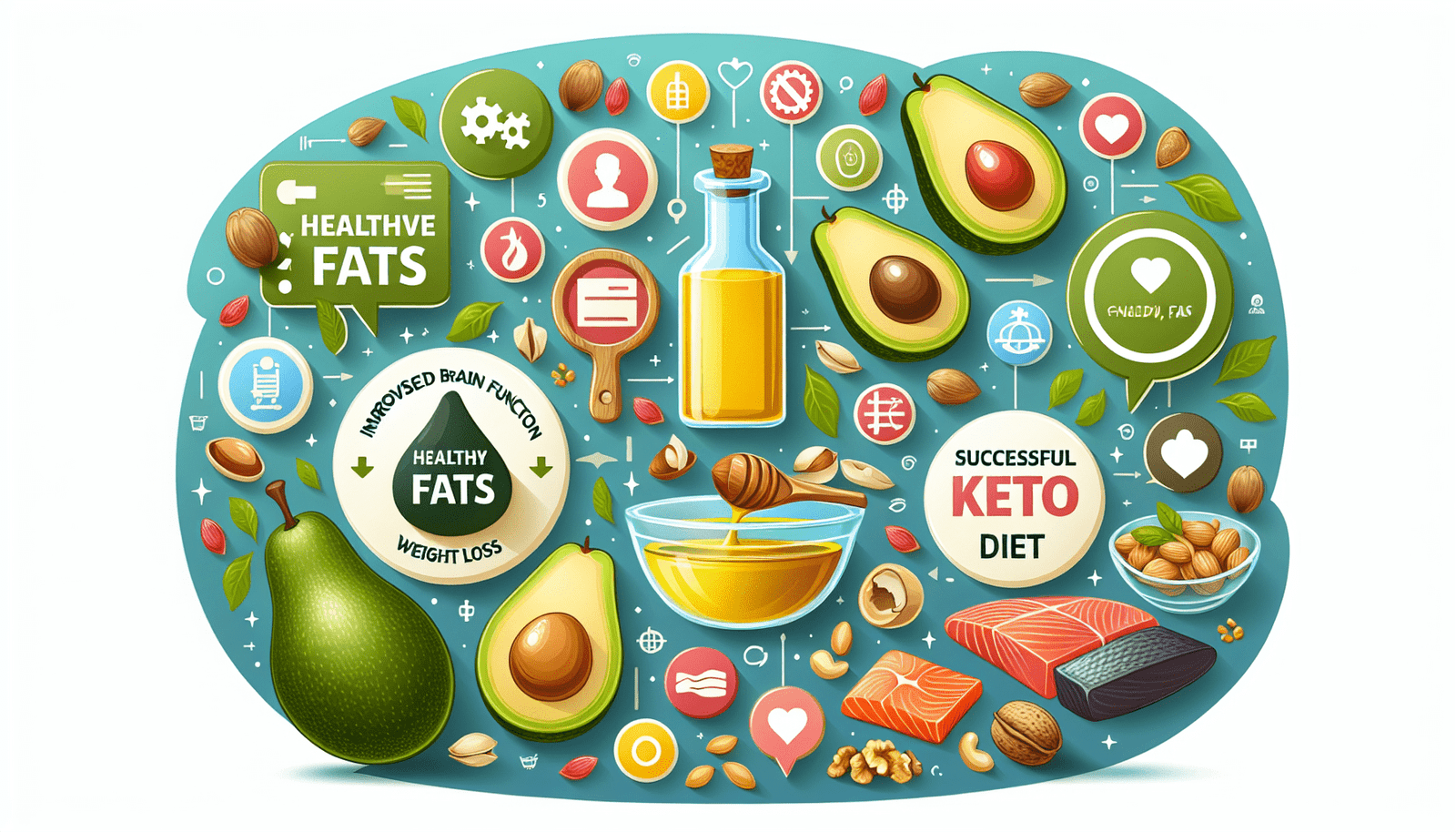
The Ultimate Guide to Healthy Fats for a Successful Keto Diet

Healthy Fats and Ketosis

Healthy fats play a significant role in promoting and maintaining nutritional ketosis. Let’s explore how healthy fats support ketosis and contribute to the success of a keto diet.

How Healthy Fats Support Ketosis

When you limit your carbohydrate intake, your body enters a state of ketosis in which it burns stored fat for fuel instead of glucose. By consuming healthy fats as a primary energy source, you encourage your body to produce ketones, which are the byproduct of fat metabolism.

Role of Healthy Fats in Nutritional Ketosis

Healthy fats are essential for nutritional ketosis because they provide the majority of calories needed to sustain ketone production. By consuming adequate healthy fats, you ensure that your body has a sufficient energy source to maintain ketosis and avoid relying on carbohydrates for fuel.

Fat Adaptation for Improved Ketosis

During the initial stages of a keto diet, you may experience a period known as “keto adaptation” or “fat adaptation.” This process involves training your body to become efficient at burning fat for energy instead of relying on carbohydrates. Consuming healthy fats during this phase is crucial to support your body’s transition and ensure successful fat adaptation.

Choosing the Right Healthy Fats for Your Keto Diet

Choosing the right healthy fats for your keto diet involves considering individual preferences, nutritional needs, and sourcing practices. Let’s delve into some factors to consider when selecting healthy fats for your ketogenic lifestyle.

Individual Preferences and Tolerances

We all have unique taste preferences and tolerances to certain foods. Some individuals may have allergies or sensitivities to specific fats. It’s vital to choose healthy fats that you enjoy and that agree with your body. Experiment with different types of healthy fats to find the ones that best suit your needs.

Considering Omega-3 to Omega-6 Ratio

An essential factor to consider when choosing healthy fats is the balance between omega-3 and omega-6 fatty acids. While both types of fats are necessary for optimal health, the modern Western diet tends to be disproportionately high in omega-6 fats, which can promote inflammation. Strive to incorporate sources of omega-3 fatty acids to maintain a healthy balance.

Quality and Sourcing of Fats

Opting for high-quality, minimally processed fats is crucial for the overall nutritional value of your keto diet. Choose organic, grass-fed, and pasture-raised animal products for healthier sources of saturated fats. When it comes to plant-based fats, opt for cold-pressed oils and minimally processed oils to preserve their nutritional properties.

Diversifying Healthy Fat Choices

Variety is key when it comes to a healthy diet, and the same applies to healthy fat choices on a keto diet. By diversifying the types of healthy fats you consume, you not only improve your overall nutrient intake but also make your meals more exciting and enjoyable. Don’t be afraid to try new fats and experiment with different flavors in your cooking.

In conclusion, healthy fats are a crucial component of a successful ketogenic diet. They provide numerous benefits, including promoting weight loss, providing sustained energy, enhancing brain function, and reducing inflammation. By incorporating various types of healthy fats, such as monounsaturated fats, polyunsaturated fats, and saturated fats, from sources like avocado, olive oil, fatty fish, coconut oil, grass-fed butter, and eggs, you can enjoy a diverse and nutritious keto diet. Remember to avoid or limit unhealthy fats, such as trans fats, processed and fried foods, and vegetable and seed oils. Incorporate healthy fats in your cooking, balance your macronutrient intake, and choose the right fats for your individual needs and preferences. With a well-rounded approach to healthy fats on a keto diet, you can achieve your health and weight-loss goals while enjoying delicious and satisfying meals.

The Ultimate Guide to Healthy Fats for a Successful Keto Diet

Tips for Staying Motivated on Your Keto Journey

Tips for Staying Motivated on Your Keto Journey

Embarking on a keto journey can be both exciting and challenging, as you navigate through a dietary shift and strive to achieve your health and fitness goals. However, staying motivated along the way is crucial to your success. In this article, we will share some helpful tips that will empower you to stay motivated on your keto journey, making the experience enjoyable and achieving the results you desire. So, let’s dive into these valuable insights and keep your motivation levels soaring!

Tips for Staying Motivated on Your Keto Journey

Set Clear and Realistic Goals

Define your weight loss or health goals

When starting your keto journey, it’s essential to have a clear understanding of what you want to achieve. Are you looking to lose weight, improve your overall health, or manage certain health conditions? Take some time to sit down and define your goals. Be specific about what you want to achieve, whether it’s losing a certain number of pounds or improving your cholesterol levels.

Break down your goals into smaller, achievable milestones

Sometimes, the thought of achieving a significant goal can feel overwhelming. That’s why breaking down your goals into smaller, achievable milestones is crucial. By setting smaller targets, you can keep yourself motivated and focused on your progress. For example, if your overall goal is to lose 50 pounds, break it down into 10-pound increments and celebrate each milestone along the way.

Set a timeline for reaching each milestone

Setting a timeline for reaching each milestone is another effective way to stay motivated on your keto journey. Having a specific deadline can help you stay accountable and ensure that you’re making progress. However, it’s important to be realistic with your timeline. Losing weight or making significant health improvements takes time, so set goals that are challenging but still achievable within a reasonable timeframe.

Find Your Why

Reflect on why you started your keto journey

Understanding your motivations for starting your keto journey can be a powerful source of motivation. Take some time to reflect on why you decided to embark on this path. Maybe you want to improve your confidence, increase your energy levels, or take control of your health. Whatever your reasons may be, keeping them in mind can help you stay committed and motivated to reach your goals.

Identify your personal motivations and reasons for sticking to it

In addition to reflecting on why you started your keto journey, it’s crucial to identify your personal motivations for sticking to it. What drives you to continue making healthy choices and following the keto lifestyle? Maybe you have a family history of certain health conditions, and you want to break that cycle. Or perhaps you simply want to feel your best and live a long, fulfilling life. Whatever your reasons may be, remind yourself of them regularly to stay motivated.

Keep your why in mind whenever you feel discouraged

There will inevitably be moments when you feel discouraged or tempted to veer off track. During these times, it’s important to keep your “why” in mind. Remind yourself of the reasons why you started and the goals you set for yourself. Visualize the positive outcomes and the impact that achieving those goals will have on your life. By focusing on your why, you can find the strength to stay motivated and overcome any challenges that come your way.

Track Your Progress

Keep a food journal to track your daily food intake

Tracking your daily food intake is a valuable tool when it comes to staying motivated on your keto journey. Keeping a food journal allows you to monitor your carb intake and ensure you’re staying within the recommended range. It can also help you identify any patterns or habits that may be hindering your progress. By tracking your meals and snacks, you’ll have a clear picture of what you’re consuming and how it aligns with your goals.

Monitor your weight, measurements, and body fat percentage regularly

While weight is not the only measure of success on a keto journey, it can be helpful to monitor your weight regularly. However, it’s important to remember that weight can fluctuate due to various factors, such as water retention or muscle gain. Additionally, tracking other metrics like measurements and body fat percentage can provide a more comprehensive view of your progress. Consider taking measurements of your waist, hips, and other areas of interest and keep track of changes over time.

Celebrate and acknowledge your progress

Every milestone, no matter how small, is worth celebrating on your keto journey. Acknowledge and reward yourself for the progress you’ve made. This could be as simple as giving yourself some positive self-talk, treating yourself to a relaxing bath or movie night, or buying yourself a small gift. By celebrating your achievements along the way, you’ll boost your motivation and reinforce the positive habits you’ve developed.

Surround Yourself with Support

Join a keto community or support group

Finding a community of like-minded individuals on a similar keto journey can be incredibly beneficial. Joining a keto community or support group allows you to connect with others who are going through similar experiences, share tips and advice, and provide support when you need it most. You can find online communities through social media platforms or consider joining local groups in your area.

Engage with like-minded individuals online or in-person

In addition to joining a dedicated keto community, engage with like-minded individuals online or in-person. Follow keto influencers or experts on social media platforms to stay motivated and gain valuable insights. Participate in discussions, ask questions, and seek inspiration from others who have successfully achieved their goals on the keto diet.

Share your goals and challenges with friends and family

Don’t underestimate the power of sharing your goals and challenges with friends and family. By opening up to your loved ones about your journey, you’ll gain a support system that can cheer you on and hold you accountable. They can provide encouragement and help you stay focused when times get tough. Plus, you never know, you might inspire someone else to join you on your keto journey!

Tips for Staying Motivated on Your Keto Journey

Educate Yourself

Read books, articles, and research about the keto diet

Knowledge is power, especially when it comes to your keto journey. Educate yourself by reading books, articles, and research about the keto diet. There are countless resources available that can help you better understand the science behind ketosis, provide helpful tips and recipes, and debunk common myths. The more you know, the more confident and empowered you’ll feel on your keto journey.

Stay updated on the latest scientific findings and recommendations

The field of nutrition is constantly evolving, and new research is continually being conducted. Stay informed and up to date with the latest scientific findings and recommendations related to the keto diet. This will ensure that you have access to the most accurate and reliable information available, helping you make informed decisions about your health and well-being.

Understand the benefits of keto for your health

One of the most effective ways to stay motivated on your keto journey is to understand the benefits it can provide for your health. Keto has been shown to help with weight loss, improve blood sugar control, reduce inflammation, and even enhance cognitive function. By understanding the positive impact keto can have on your overall health, you’ll be more motivated to stick with it and reap the rewards.

Create a Meal Plan and Prep Ahead

Plan your meals and snacks in advance

Meal planning is key to staying on track with your keto journey. Take the time to plan your meals and snacks in advance, considering your dietary restrictions and preferences. This will help you avoid impulsive food choices and ensure that you have nutritious, keto-friendly options readily available.

Prepare keto-friendly foods and snacks for convenience

To make your keto journey more convenient, take the time to prepare keto-friendly foods and snacks in advance. This could include prepping veggies, cooking proteins, or making homemade keto desserts. Having these options on hand will prevent you from reaching for unhealthy alternatives when hunger strikes.

Avoid temptation and make healthier choices

In the journey to achieving your keto goals, it’s important to avoid temptation and make healthier choices. This means removing any non-keto foods from your pantry and refrigerator and replacing them with healthier alternatives. By creating an environment that supports your goals and limits temptations, you’ll set yourself up for success.

Experiment with Recipes and Flavors

Discover new keto recipes and experiment with different flavors

One of the advantages of the keto diet is the wide variety of delicious and satisfying recipes available. Don’t be afraid to step out of your comfort zone and try new recipes. Experiment with different flavors, spices, and ingredients to keep your meals interesting and enjoyable. There are plenty of keto cookbooks, blogs, and websites that feature innovative and tasty recipes to suit all tastes.

Try out alternative ingredients and cooking techniques

As you delve deeper into the world of keto cooking, consider trying out alternative ingredients and cooking techniques. There are numerous keto-friendly substitutions for common ingredients like flour and sugar that can help you recreate your favorite dishes in a healthier way. Explore cooking techniques like grilling, roasting, or using a slow cooker to enhance the flavors and textures of your meals.

Make your meals enjoyable and diverse

Food should be enjoyable, even when following a specific diet plan. Don’t be afraid to get creative and make your meals diverse and exciting. Explore different cuisines, experiment with herbs and spices, and add variety to your meals. By keeping your meals interesting and enjoyable, you’ll be less likely to feel deprived and more motivated to stick with your keto journey.

Practice Mindful Eating

Listen to your body’s hunger and fullness cues

Practicing mindful eating is all about being in tune with your body’s hunger and fullness cues. Pay attention to your body’s signals and eat when you’re hungry, rather than out of habit or emotional reasons. Similarly, stop eating when you’re satisfied, not when you’re overly full. By developing this awareness, you’ll nourish your body appropriately and maintain a healthy relationship with food.

Avoid emotional eating and identify triggers

Emotional eating can derail your progress and hinder your motivation. It’s important to identify your triggers and find alternative ways to cope with emotions, rather than turning to food. Engage in activities you enjoy, like going for a walk, practicing yoga, or talking to a friend when you’re feeling down or stressed. By addressing your emotions in healthier ways, you’ll be able to stay focused on your keto goals.

Focus on the quality and nutrient density of your meals

While on the keto diet, it’s important to prioritize the quality and nutrient density of your meals. Opt for whole, unprocessed foods whenever possible, as they provide essential nutrients and promote overall health. Focus on incorporating plenty of vegetables, healthy fats, and lean proteins into your meals. By nourishing your body with high-quality foods, you’ll support your overall well-being and stay motivated to continue your keto journey.

Reward Yourself

Set up rewards for reaching milestones

Rewarding yourself for reaching milestones is a great way to boost motivation and celebrate your achievements. Set up a rewards system that aligns with your goals. For example, if you reach a weight loss milestone, treat yourself to a spa day or buy yourself a new outfit. The key is to choose rewards that are meaningful to you and reinforce your positive lifestyle changes.

Treat yourself to non-food rewards like a massage or new workout gear

When celebrating your progress, it’s important to choose non-food rewards. Instead of indulging in unhealthy treats, treat yourself to experiences or items that promote your well-being. Consider getting a massage, booking a weekend getaway, or buying yourself new workout gear. By choosing non-food rewards, you’ll reinforce the idea that self-care and self-improvement go beyond just what we consume.

Celebrate your efforts and achievements

Lastly, don’t forget to celebrate your efforts and achievements. Every step forward on your keto journey should be acknowledged and celebrated. Take a moment to reflect on how far you’ve come and acknowledge the hard work you’ve put in. Celebrate your successes, no matter how big or small, and use them as fuel to stay motivated and continue progressing towards your goals.

Stay Active and Exercise Regularly

Incorporate physical activity into your daily routine

In addition to following a keto diet, incorporating physical activity into your daily routine is crucial for overall health and well-being. Find activities that you enjoy and make them a priority. Whether it’s going for a walk, practicing yoga, or lifting weights, choose activities that you can sustain long-term. Regular exercise will not only support your weight loss efforts but also improve your mood and energy levels.

Find activities you enjoy and make them a priority

Finding activities that you genuinely enjoy is essential for staying motivated in your fitness journey. If you dislike running, for example, don’t force yourself to do it. Instead, explore different activities until you find something that brings you joy. It could be dancing, swimming, hiking, or playing a sport. By prioritizing activities that you enjoy, you’ll be more likely to stick with them and stay consistent in your fitness routine.

Embrace the positive effects of exercise on your mood and energy levels

Regular exercise goes beyond physical health; it also has a positive impact on your mood and energy levels. Physical activity releases endorphins, which are natural mood boosters. It can also increase your energy levels and combat feelings of fatigue. Embrace these positive effects of exercise and let them motivate you to incorporate movement into your daily life. Remember, staying active isn’t just about achieving a certain physical appearance – it’s about feeling great and living a healthy, vibrant life.

Staying motivated on your keto journey is crucial for long-term success. By setting clear and realistic goals, finding your why, tracking your progress, surrounding yourself with support, educating yourself, creating a meal plan, experimenting with recipes, practicing mindful eating, rewarding yourself, and staying active, you’ll be well-equipped to stay motivated and achieve your desired health and wellness outcomes. Remember, Rome wasn’t built in a day – take it one step at a time, and celebrate every victory along the way. You’ve got this!

Understanding the Essential Importance of Electrolytes

Understanding the Essential Importance of Electrolytes

Have you ever wondered why athletes reach for sports drinks during intense workouts or why doctors recommend electrolyte supplements when you’re feeling dehydrated? It all comes down to understanding the essential importance of electrolytes. These tiny particles in our bodies, such as sodium, potassium, and magnesium, play a crucial role in maintaining proper hydration levels, supporting nerve and muscle function, and regulating pH levels. In this article, we will explore the significance of electrolytes and how they contribute to our overall health and well-being. So grab yourself a refreshing beverage, because we’re about to delve into the fascinating world of electrolytes!

Understanding Electrolytes

Electrolytes are essential substances in the body that are involved in various important functions. They are minerals that carry an electric charge when dissolved in body fluids, such as blood and urine. These charged particles play a crucial role in maintaining fluid balance, supporting nerve and muscle function, regulating pH levels, assisting in nutrient absorption, promoting heart health, supporting kidney function, and preventing dehydration.

Definition of Electrolytes

Electrolytes are minerals that carry an electric charge when they dissolve in body fluids. The most common electrolytes in the body include sodium, potassium, calcium, magnesium, chloride, and phosphate. These electrolytes are present in varying concentrations inside and outside of cells, creating an electrically charged environment necessary for various bodily functions.

Types of Electrolytes

There are several types of electrolytes in the body that play different roles in maintaining overall health. Sodium and potassium are the primary electrolytes involved in maintaining fluid balance and nerve function. Calcium and magnesium are essential for healthy bone and muscle function. Chloride helps regulate fluid balance and acid-base balance, while phosphate is important for energy production and bone health.

How Electrolytes Function in the Body

Electrolytes are crucial for the proper functioning of the body’s cells, tissues, and organs. They help maintain fluid balance by controlling the amount of water in and around cells. Electrolytes also play a role in nerve signaling, allowing nerves to communicate with each other and with muscles. Additionally, these charged particles assist in muscle contraction and relaxation, ensuring proper movement. Moreover, electrolytes help regulate the body’s pH levels, promoting a balanced environment for optimal bodily functions. Lastly, they aid in nutrient absorption and support kidney function by helping filter waste products and maintain electrolyte balance in the bloodstream.

Maintaining Fluid Balance

Electrolytes and Fluid Regulation

Electrolytes are key players in maintaining fluid balance in the body. Sodium and potassium, in particular, play a vital role in this process. Sodium concentration is higher in extracellular fluid, while potassium concentration is higher in intracellular fluid. This concentration gradient creates an osmotic pressure that controls the movement of water in and out of cells. Proper balance between sodium and potassium levels helps maintain the right amount of water inside and outside cells, ensuring optimal cell function and preventing dehydration or fluid overload.

Importance of Hydration

Hydration is crucial for overall health, and electrolytes are a significant factor in maintaining proper hydration levels. When you sweat or lose fluids through urine, you also lose electrolytes. Replenishing these electrolytes is essential to prevent dehydration and maintain the body’s fluid balance. Proper hydration helps optimize bodily functions, such as regulating body temperature, delivering nutrients to cells, lubricating joints, removing waste products, and facilitating digestion.

Effects of Electrolyte Imbalance

An imbalance in electrolyte levels can have various detrimental effects on the body. When electrolyte concentrations are too high or too low, it can disrupt the delicate balance of fluid and ion regulation. This can lead to symptoms such as muscle cramps, weakness, fatigue, irregular heartbeat, confusion, seizures, and even life-threatening complications. Electrolyte imbalances can occur due to factors such as excessive sweating, diarrhea, vomiting, kidney disorders, certain medications, and underlying health conditions. It is important to recognize the signs of imbalance and seek appropriate medical attention if needed.

Understanding the Essential Importance of Electrolytes

Supporting Nerve and Muscle Function

Role of Electrolytes in Nerve Signaling

Electrolytes, particularly sodium and potassium, play a crucial role in nerve signaling. Nerve cells, or neurons, transmit electrical impulses through a membrane potential created by the concentration gradients of these electrolytes. When a nerve impulse is generated, sodium ions rush into the cell, causing depolarization and transmitting the signal. Potassium ions then flow out of the cell, restoring the membrane potential and preparing the nerve cell for the next signal. This sequential movement of electrolytes allows for efficient communication between neurons, enabling the proper functioning of the nervous system.

Electrolytes and Muscle Contraction

Electrolytes are essential for normal muscle function, including contraction and relaxation. When a muscle contracts, calcium ions are released from storage units within the muscle fibers. These calcium ions then bind to proteins, initiating a series of reactions that allow the muscle to contract. Electrolytes such as sodium, potassium, and magnesium are involved in these reactions, ensuring smooth muscle contractions and preventing muscle cramps or spasms. Adequate electrolyte levels also help muscles relax after contraction, maintaining flexibility and preventing stiffness.

Regulating pH Levels

Acid-Base Balance

The body’s pH balance refers to the acidity or alkalinity of body fluids, particularly blood. It is important to maintain a balanced pH level, as even slight deviations can disrupt bodily functions. Electrolytes, such as bicarbonate ions, play a crucial role in regulating the body’s acid-base balance. Bicarbonate ions act as a buffer, helping to neutralize excess acid or base in the body. By accepting or donating hydrogen ions, these electrolytes help maintain a stable pH level, enabling enzymes and other biochemical processes to function optimally.

Electrolytes and pH Regulation

Electrolytes, such as sodium, potassium, and chloride, also contribute to the regulation of pH levels in the body. Through various physiological processes, these electrolytes help maintain the delicate acid-base balance. For example, the kidneys regulate the amount of bicarbonate ions in the body, aiding in pH regulation. Electrolyte imbalances can disrupt this balance, leading to acidosis (increased acidity) or alkalosis (increased alkalinity), which can have serious consequences for overall health.

Understanding the Essential Importance of Electrolytes

Assisting in Nutrient Absorption

Electrolytes and Digestion

Electrolytes are involved in the process of digestion, aiding in nutrient absorption. For example, chloride ions help regulate the production of stomach acid, which is essential for breaking down food and activating digestive enzymes. Additionally, sodium and potassium ions are involved in the absorption of nutrients in the small intestine. These electrolytes create a concentration gradient that allows the absorption of necessary molecules, such as glucose, amino acids, and vitamins, into the bloodstream for distribution to cells throughout the body.

Effect on Nutrient Transportation

Electrolytes also play a role in the transportation of nutrients throughout the body. Sodium and potassium ions are particularly important in this process. They help maintain the electrochemical gradient required for the movement of nutrients across cell membranes. This allows nutrients to be delivered to cells efficiently and supports various bodily functions, such as energy production, tissue repair, and hormone synthesis. Adequate electrolyte levels are essential for optimal nutrient transportation, ensuring cells receive the necessary resources for proper functioning and overall health.

Promoting Heart Health

Electrolytes and Heart Function

Electrolytes play a vital role in maintaining the health and proper functioning of the heart. Sodium, calcium, and potassium ions are particularly crucial in this regard. These electrolytes influence the electrical conductivity of cardiac cells, allowing for coordinated contraction and relaxation. They help generate and regulate the electrical impulses that control the heart’s rhythm. Imbalances in these electrolytes can disrupt the heart’s electrical system, leading to arrhythmias or an irregular heartbeat.

Maintenance of Normal Heart Rhythm

Proper electrolyte balance is essential for maintaining a normal heart rhythm. Potassium, in particular, is necessary for the correct functioning of cardiac cells. It helps regulate the resting membrane potential of these cells, ensuring a stable electrical environment. Imbalances in potassium levels can lead to abnormalities in the heart’s electrical impulses, causing arrhythmias or even life-threatening conditions. Regular monitoring of electrolyte levels and maintaining a healthy lifestyle can promote heart health and reduce the risk of cardiovascular issues.

Understanding the Essential Importance of Electrolytes

Supporting Kidney Function

Electrolyte Balance and Kidney Health

The kidneys play a crucial role in maintaining electrolyte balance in the body. They filter waste products and excess electrolytes from the bloodstream, helping maintain the appropriate levels for optimal bodily function. Sodium, potassium, and calcium are particularly regulated by the kidneys, with excess amounts excreted in urine. Electrolyte imbalances can put a strain on the kidneys, potentially leading to kidney stones, kidney damage, or other kidney-related health issues. Adequate hydration and a balanced diet are important for supporting kidney function and maintaining electrolyte balance.

Importance of Electrolytes in Filtration

Electrolytes are essential for the filtration process carried out by the kidneys. Sodium plays a significant role in maintaining the correct osmotic pressure necessary for kidney function. It helps regulate the balance of water and sodium in the body, influencing the volume and concentration of urine produced. Additionally, calcium and potassium are crucial for proper functioning of the kidney cells involved in filtration. Electrolyte imbalances can disrupt this delicate process and impair the kidneys’ ability to filter waste products efficiently, leading to various health complications.

Preventing Dehydration

Electrolytes and Dehydration

Electrolytes play a crucial role in preventing dehydration. When you lose fluids through activities such as sweating, urination, or diarrhea, you also lose electrolytes. It is essential to replenish these electrolytes to maintain proper fluid balance and prevent dehydration. Electrolytes, especially sodium and potassium, help retain water in the body and promote fluid absorption in the intestines. This ensures that the body stays well-hydrated, enabling it to function optimally and maintain overall health and well-being.

Replenishing Electrolytes

To replenish electrolytes lost through fluid loss, it is important to consume foods and beverages that contain these essential minerals. Electrolyte-rich foods include fruits and vegetables such as bananas, oranges, spinach, and avocados. Additionally, electrolyte drinks or sports drinks can provide a quick and easy way to replenish electrolytes during intense physical activity or in cases of dehydration. These drinks typically contain a mixture of electrolytes, including sodium, potassium, and magnesium, to help restore electrolyte balance and support hydration.

Understanding the Essential Importance of Electrolytes

Common Sources of Electrolytes

Natural Food Sources

Electrolytes can be obtained from various natural food sources, making it easy to incorporate them into your diet. Fruits and vegetables are excellent sources of electrolytes, particularly potassium and magnesium. Bananas, oranges, strawberries, spinach, kale, and sweet potatoes are rich in these minerals. Dairy products, such as milk and yogurt, provide calcium, while sources of sodium include table salt and foods that are naturally high in sodium, such as seaweed and olives. Including a variety of these foods in your diet can help ensure an adequate intake of electrolytes.

Supplements and Electrolyte Drinks

In addition to natural food sources, electrolytes can also be obtained through supplements and electrolyte drinks. These options can be particularly beneficial in cases where additional electrolyte replenishment is required, such as during strenuous physical activity, periods of illness, or in situations where fluid loss is greater than usual. Electrolyte supplements typically come in the form of tablets or powders that can be easily mixed with water. Electrolyte drinks, commonly known as sports drinks, are also available and provide a convenient way to replenish electrolytes and support hydration.

Signs of Electrolyte Imbalance

Symptoms of Electrolyte Deficiency

An imbalance in electrolyte levels, either too high or too low, can give rise to various symptoms and health issues. Common signs of electrolyte deficiency include muscle cramps, weakness, fatigue, irregular heartbeat, confusion, dizziness, and nausea. Low levels of potassium, for instance, can cause muscle weakness and cramping, while low levels of sodium can lead to fatigue and confusion. Electrolyte deficiencies can occur due to various factors, including inadequate dietary intake, excessive fluid loss, certain medications, and medical conditions. Recognizing these symptoms and seeking appropriate medical attention is crucial for maintaining electrolyte balance and overall health.

Indications of Electrolyte Excess

While electrolyte deficiencies can be detrimental, excessive levels of electrolytes can also have adverse effects on the body. Symptoms of electrolyte excess may include muscle weakness, numbness or tingling sensations, irregular heartbeat, high blood pressure, and confusion. Excessive levels of sodium, for example, can lead to fluid retention and high blood pressure, while excess calcium can cause kidney stones or interfere with the absorption of other minerals. It is important to monitor electrolyte levels regularly and seek medical advice if any symptoms of imbalance arise.

In conclusion, understanding electrolytes is vital for maintaining optimal health. These charged minerals have various important functions in the body, including maintaining fluid balance, supporting nerve and muscle function, regulating pH levels, assisting in nutrient absorption, promoting heart health, supporting kidney function, and preventing dehydration. By ensuring a balanced intake of electrolytes through a nutritious diet and appropriate hydration, you can support these essential bodily functions and promote overall well-being.

Tips for Setting Realistic Weight Loss Goals

Tips for Setting Realistic Weight Loss Goals

Losing weight can be a challenging journey, but setting realistic goals can help you stay motivated and focused. In this article, we will share some valuable tips to help you set achievable weight loss goals. By understanding the importance of realistic expectations and focusing on small, sustainable changes, you can create a plan that is tailored to your needs and set yourself up for long-term success. Whether you’re aiming to shed a few pounds or embark on a major transformation, these tips will guide you on your weight loss journey.

Tips for Setting Realistic Weight Loss Goals

Evaluate Your Current Health

Consider Your BMI

Before embarking on any weight loss journey, it’s important to evaluate your current health status. One way to do this is by considering your body mass index (BMI). BMI is a measure of body fat based on your height and weight. It can give you an idea of whether you are underweight, normal weight, overweight, or obese. By knowing your BMI, you can have a better understanding of your overall health and what your weight loss goals should be.

Assess Your Overall Health

In addition to considering your BMI, it’s essential to assess your overall health. This evaluation should include factors such as blood pressure, cholesterol levels, and any underlying medical conditions you may have. Understanding these factors can help guide your weight loss goals and ensure that you approach your journey in a safe and healthy manner.

Consult with a Healthcare Professional

It’s always a good idea to consult with a healthcare professional before starting any weight loss program. They can provide you with personalized guidance and advice based on your individual health needs. They can also help assess any potential risks or concerns and ensure that your goals are realistic and achievable. With their expertise and support, you’ll be able to navigate your weight loss journey more effectively.

Set Attainable Goals

Start with Small Steps

Setting attainable goals is key to maintaining motivation and staying on track. Instead of aiming for a dramatic weight loss, start with small steps that are manageable and sustainable. For example, aim to lose 1-2 pounds per week rather than setting a lofty goal of losing 10 pounds in a month. By breaking your goals into smaller increments, you’ll be able to celebrate each achievement along the way, keeping your motivation high.

Focus on Behavior Changes

Instead of solely focusing on the number on the scale, shift your focus towards behavior changes. Make sustainable changes to your eating habits and incorporate regular exercise into your routine. By focusing on these healthy behaviors, weight loss will naturally follow. Remember, it’s about creating a healthy lifestyle, not just achieving a certain weight.

Break It Down into Smaller Goals

Breaking your overall goal into smaller, more manageable goals can make the journey feel less overwhelming. For example, if your goal is to lose 50 pounds, consider breaking it down into increments of 10 pounds. Each time you achieve one of these smaller goals, it will give you a sense of accomplishment and keep you motivated to continue working towards your larger goal.

Create a Realistic Timeline

Consider a Safe Rate of Weight Loss

While it’s tempting to want to lose weight quickly, it’s important to prioritize your health and aim for a safe rate of weight loss. Losing 1-2 pounds per week is generally considered a healthy and sustainable rate. Rapid weight loss can often be associated with muscle loss and can be difficult to maintain in the long term. By setting a realistic timeline, you’ll be more likely to maintain your weight loss and develop healthy habits along the way.

Account for Plateaus and Setbacks

Weight loss is not always a linear journey. It’s common to experience plateaus or setbacks along the way. It’s important to be prepared for these moments and not get discouraged. Plateaus are often a sign that your body is adjusting to the changes you’ve made, while setbacks can be learning opportunities. By accounting for these temporary obstacles and expecting them to happen, you’ll be better equipped to push through and stay on track.

Adjust Your Timeline as Needed

As you progress on your weight loss journey, it’s important to regularly assess and adjust your timeline as needed. You may find that you’re losing weight faster or slower than expected, and that’s okay. Listen to your body and make adjustments accordingly. Remember that weight loss is a personal journey, and everyone’s timeline will be different. The most important thing is to maintain a healthy and sustainable approach.

Track Your Progress

Use a Weight Loss Journal

Keeping a weight loss journal can be a helpful tool for tracking your progress and staying accountable. Record your daily food intake, exercise routines, and feelings throughout the process. This will not only help you identify patterns and areas for improvement, but also allow you to reflect on your achievements and see how far you’ve come. A weight loss journal can be a source of motivation and a reminder of your dedication to your goals.

Take Measurements

While the number on the scale is one way to measure progress, it’s important to remember that weight loss comes in many forms. Take measurements of your body, including your waist, hips, thighs, and arms. These measurements can provide a more comprehensive view of your progress, as you may be losing inches even when the scale doesn’t budge. Seeing these physical changes can be incredibly motivating and help you stay focused on your goals.

Monitor Non-Scale Victories

In addition to tracking your weight and measurements, don’t forget to celebrate non-scale victories along the way. These could include increased energy levels, improved sleep, fitting into a smaller clothing size, or feeling more confident in your own skin. Recognizing and celebrating these victories can boost your morale and remind you that weight loss is about much more than just numbers on a scale.

Tips for Setting Realistic Weight Loss Goals

Choose the Right Strategies

Adopt a Balanced Diet

One of the key components of successful weight loss is adopting a balanced diet. Focus on incorporating a variety of fruits, vegetables, lean proteins, whole grains, and healthy fats into your meals. Avoid restrictive diets or cutting out entire food groups, as these can be difficult to sustain in the long term. Instead, aim for moderation and portion control, paying attention to your body’s hunger and fullness cues. A balanced diet will provide your body with the nutrients it needs while supporting your weight loss goals.

Incorporate Regular Exercise

While diet plays a significant role in weight loss, regular exercise is equally important. Find activities that you enjoy and that fit into your lifestyle. Whether it’s going for a walk, joining a fitness class, or incorporating strength training, aim for at least 150 minutes of moderate-intensity exercise per week. Exercise not only burns calories, but it also improves cardiovascular health, builds muscle, and boosts your mood. Remember, small changes add up, so find ways to incorporate movement into your daily routine.

Stay Consistent and Patient

Consistency is key when it comes to achieving your weight loss goals. It’s important to stay committed to your healthy habits even when faced with challenges or setbacks. Remember, progress takes time, and there are no quick fixes. Be patient with yourself and trust the process. Stay consistent with your healthy eating and exercise routines, and you’ll eventually start to see the results you’re working towards.

Account for Lifestyle Factors

Consider Your Daily Routine

When setting weight loss goals, it’s important to consider your daily routine. Take into account factors such as your work schedule, family commitments, and personal preferences. By understanding how your daily life may impact your weight loss efforts, you can make adjustments and plan accordingly. For example, if you have a busy schedule in the mornings, plan your workouts for the evenings or during lunch breaks. By adapting to your unique circumstances, you’ll be more likely to stick with your goals.

Plan for Social Events and Holidays

Social events and holidays can often present challenges when it comes to sticking to a healthy eating plan. However, that doesn’t mean you have to completely derail your progress. Plan ahead and make mindful choices. Prepare healthy dishes to bring to gatherings, focus on portion control, and allow yourself to indulge in moderation. By planning for these events and having a strategy in place, you can enjoy the festivities while still staying on track with your weight loss goals.

Anticipate Potential Obstacles

No weight loss journey is without obstacles, but being prepared can help you overcome them. Anticipate potential challenges that may arise and consider ways to navigate through them. For example, if you tend to turn to food for comfort during stressful times, brainstorm alternative coping mechanisms such as going for a walk, practicing deep breathing exercises, or calling a friend. By having a plan in place, you’ll be better equipped to overcome obstacles and continue moving forward.

Tips for Setting Realistic Weight Loss Goals

Seek Support

Share Your Goals with Family and Friends

Having a support system can make a significant difference when it comes to achieving your weight loss goals. Share your goals with trusted family and friends and let them know how they can support you. Whether it’s through encouragement, accountability, or joining you on your journey, having the support of loved ones can keep you motivated and provide a sense of community.

Join a Weight Loss Support Group

If you prefer a larger network of support, consider joining a weight loss support group. These groups provide a space for individuals to share their experiences, challenges, and successes. Being surrounded by like-minded individuals who understand the struggles and triumphs of weight loss can be incredibly empowering and motivating. Additionally, support groups often provide resources, educational materials, and guidance to help you along your journey.

Consider Professional Guidance

There may be times when seeking professional guidance is beneficial for your weight loss journey. A registered dietitian or a certified personal trainer can provide expert advice and personalized recommendations based on your unique needs and goals. They can help you create a customized meal plan, provide exercise guidance, and address any specific challenges you may be facing. Remember, professional guidance can be a valuable resource in ensuring you are on the right track towards achieving your weight loss goals.

Reward Yourself along the Way

Set Milestone Rewards

As you progress on your weight loss journey, it’s important to celebrate your accomplishments along the way. Set milestone rewards for yourself when you reach certain goals. These rewards can be non-food related, such as treating yourself to a spa day, buying a new outfit, or taking a weekend trip. By rewarding yourself, you’ll stay motivated and have something to look forward to as you continue working towards your larger goals.

Focus on Non-Food Rewards

While it can be tempting to reward yourself with food, especially if you’ve developed unhealthy eating habits in the past, try to focus on non-food rewards. Instead of treating yourself to a dessert or a cheat meal, consider rewarding yourself with activities that support a healthy lifestyle. This could include taking a dance class, going for a hike, or trying out a new hobby. By choosing non-food rewards, you’re reinforcing a positive relationship with your body and nourishing it in ways that go beyond food.

Celebrate Your Accomplishments

Don’t forget to celebrate your accomplishments, no matter how small they may seem. Recognize and appreciate the progress you’ve made, and take the time to reflect on how far you’ve come. Consider keeping a gratitude journal where you can write down your achievements and express gratitude for the changes you’ve made. Celebrating your accomplishments will not only boost your self-confidence but also reinforce your commitment to your weight loss journey.

Tips for Setting Realistic Weight Loss Goals

Stay Focused and Motivated

Visualize Your Success

Visualization can be a powerful tool when it comes to achieving your weight loss goals. Take some time each day to visualize yourself at your ideal weight and imagine how it will feel to achieve your goals. Create a mental image of yourself engaging in activities you enjoy, feeling confident and healthy. Visualizing success can help you stay focused and motivated, especially during challenging times.

Remind Yourself of Why You Started

When faced with obstacles or moments of doubt, remind yourself of why you started your weight loss journey in the first place. Reflect on the reasons that motivated you and the goals you set for yourself. Whether it’s improving your health, increasing your energy levels, or boosting your self-confidence, keeping these reasons at the forefront of your mind will help you stay determined and motivated to achieve your goals.

Find Inspiration from Others

Seeking inspiration from others who have achieved their weight loss goals can be incredibly motivating. Look for success stories, testimonials, or transformation photos that resonate with you. Hearing about other people’s journeys and seeing their progress can remind you that your goals are attainable and that you’re not alone in your pursuit of a healthier lifestyle. Surround yourself with positive influences and seek out communities that uplift and inspire you.

Be Flexible and Adapt

Reassess Your Goals Regularly

As you progress on your weight loss journey, it’s important to regularly reassess your goals. Are they still realistic? Have you achieved them and need to set new ones? Are there any aspects of your plan that need adjustment? By reassessing your goals regularly, you can ensure that they continue to align with your needs and circumstances. This flexibility and adaptability will help you stay on track and continue making progress.

Adjust Your Plan as Necessary

In addition to reassessing your goals, be open to adjusting your plan as necessary. As you learn more about your body and what works for you, you may find that certain strategies need to be modified. Don’t be afraid to experiment and try new approaches. Your weight loss journey is unique to you, and it may require some trial and error to find what works best. Embrace the process of learning and evolving, and be willing to make changes along the way.

Embrace a Long-Term Mindset

Lastly, it’s important to embrace a long-term mindset when it comes to your weight loss journey. Instead of focusing solely on short-term results, shift your perspective towards creating sustainable habits that will support your overall health and well-being. Remember that weight loss is not a destination, but rather a continuous journey. By adopting a long-term mindset, you’ll be more likely to maintain your progress and enjoy lasting success.

By following these tips and guidelines for setting realistic weight loss goals, you’ll be well on your way to achieving a healthier lifestyle. Remember to be kind to yourself and celebrate every step of the journey, no matter how small. Your health is a lifelong priority, and by taking the time to evaluate your current health, set attainable goals, and make sustainable lifestyle changes, you’re investing in a brighter and healthier future.

Tips for Setting Realistic Weight Loss Goals